
Filter
Marineland Penguin 200
200 GPH power filter with a rotating Bio-Wheel; mechanical, chemical and biological stages.
Check price on Amazon
This aquarium fish guide hub is built for everyday fish keepers who want a cleaner, easier freshwater tank setup without overcomplicating the process. Start here if you need help choosing aquarium filtration, fish tank setup equipment, LED lights, fish food, automatic feeders, aquarium backgrounds, and simple maintenance tools.
A successful aquarium usually starts with the basics: stable filtration, the right tank setup, consistent feeding, proper lighting, and a maintenance routine you can actually keep up with. The guides below are organized to help you move through those choices one step at a time.
Shop Aquarium Fish
Picks from our aquarium guides, with the facts taken straight from each listing.
Filter
200 GPH power filter with a rotating Bio-Wheel; mechanical, chemical and biological stages.
Check price on Amazon
Test
Liquid tests for pH, nitrite, nitrate, ammonia and phosphate; 265 measurements in total.
Check price on Amazon
Starter kit
Etched glass tank with a 7000K LED and a 3-stage filter with foam, carbon and BioMax rings.
Check price on AmazonAmazon links are affiliate links; prices and stock are set by Amazon and can change.
If you are trying to improve your aquarium, start with filtration first. A good aquarium filter setup helps keep water clearer, supports beneficial bacteria, reduces debris buildup, and makes regular fish tank care easier over time.
Explore Aquarium Fish Filtration Guide →After filtration, use the tank setup, lighting, food, feeder, and background guides below to build a more complete freshwater aquarium system.
Choose a topic below to compare aquarium equipment, plan your freshwater tank setup, and make regular fish tank maintenance easier.
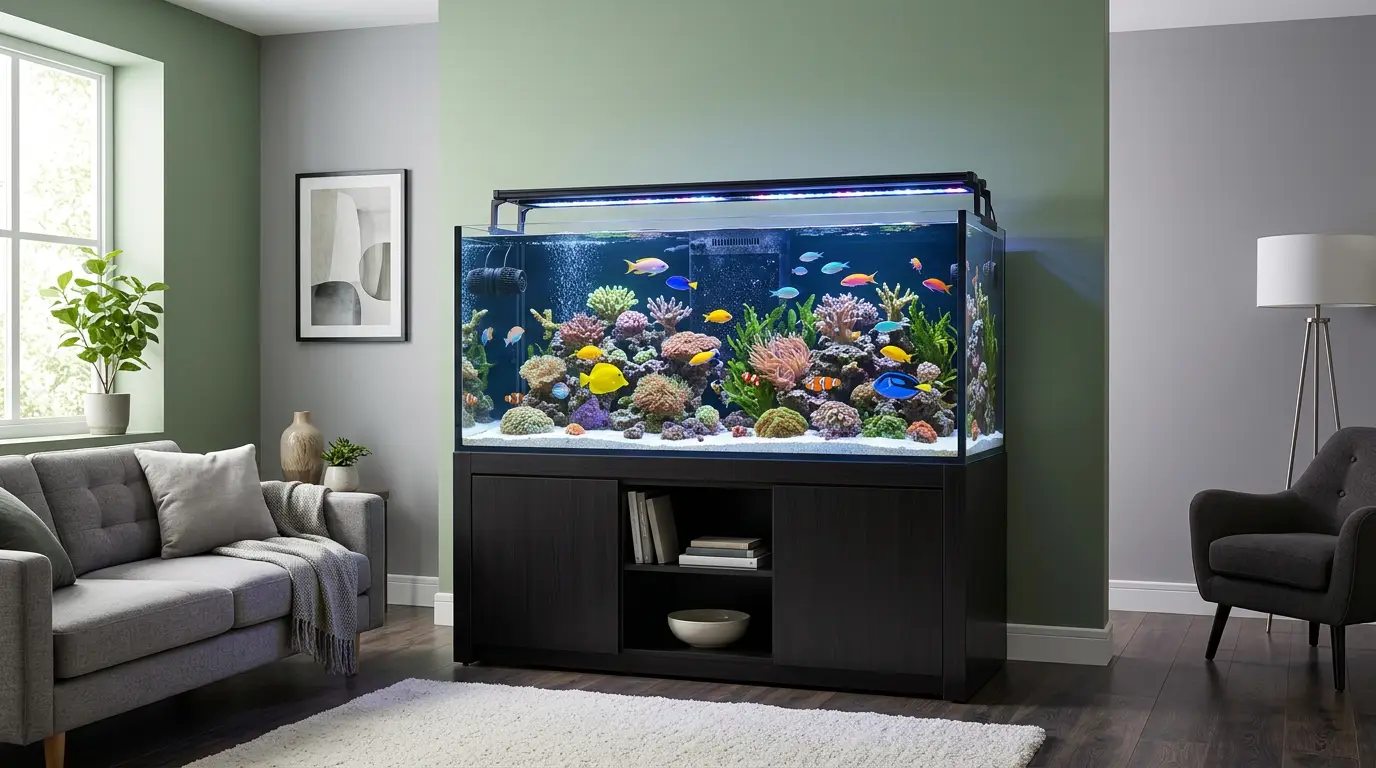
Compare aquarium filter types, learn what works best for common tank sizes, and get practical maintenance tips for keeping fish tank water clearer.
Explore Aquarium Filtration →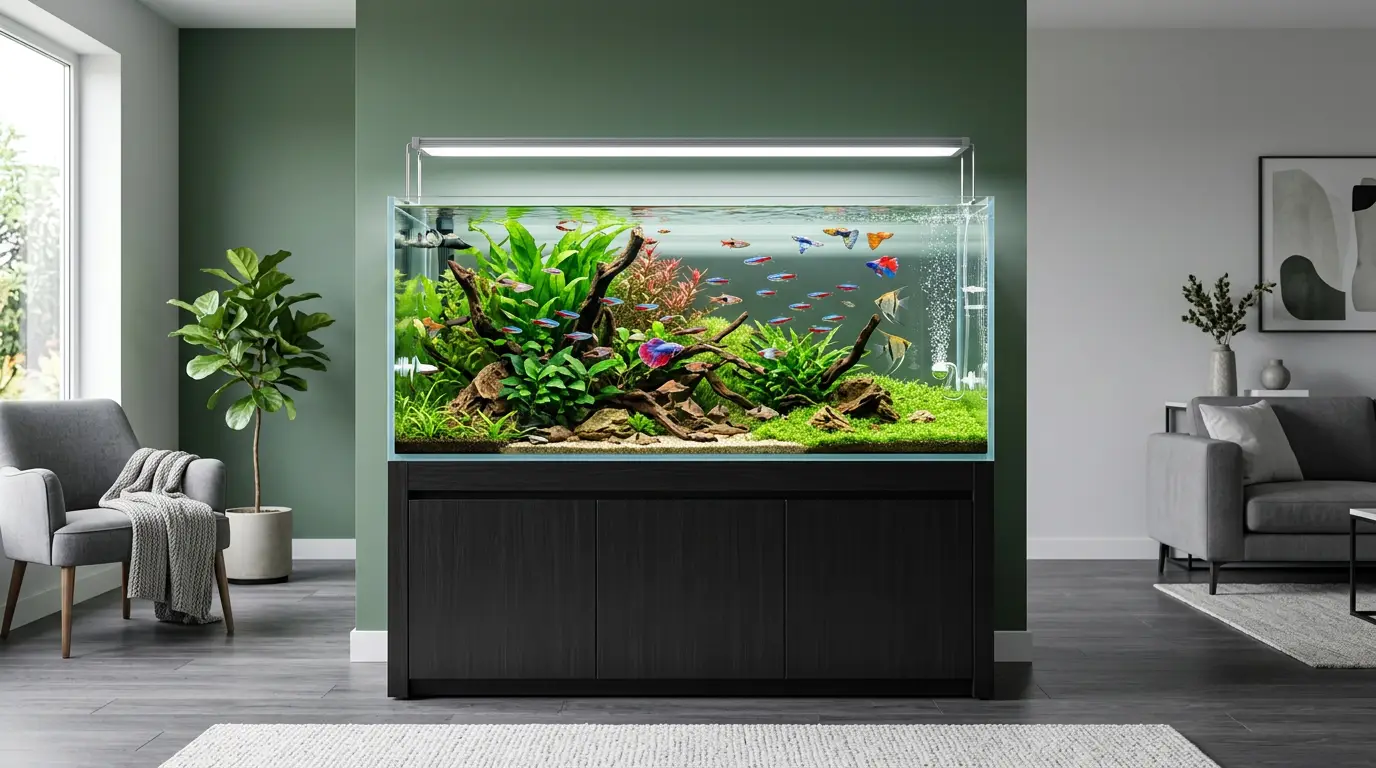
Start with tank size, placement, core equipment, cycling basics, and simple setup ideas for a healthier freshwater aquarium.
Explore Fish Tank Setup →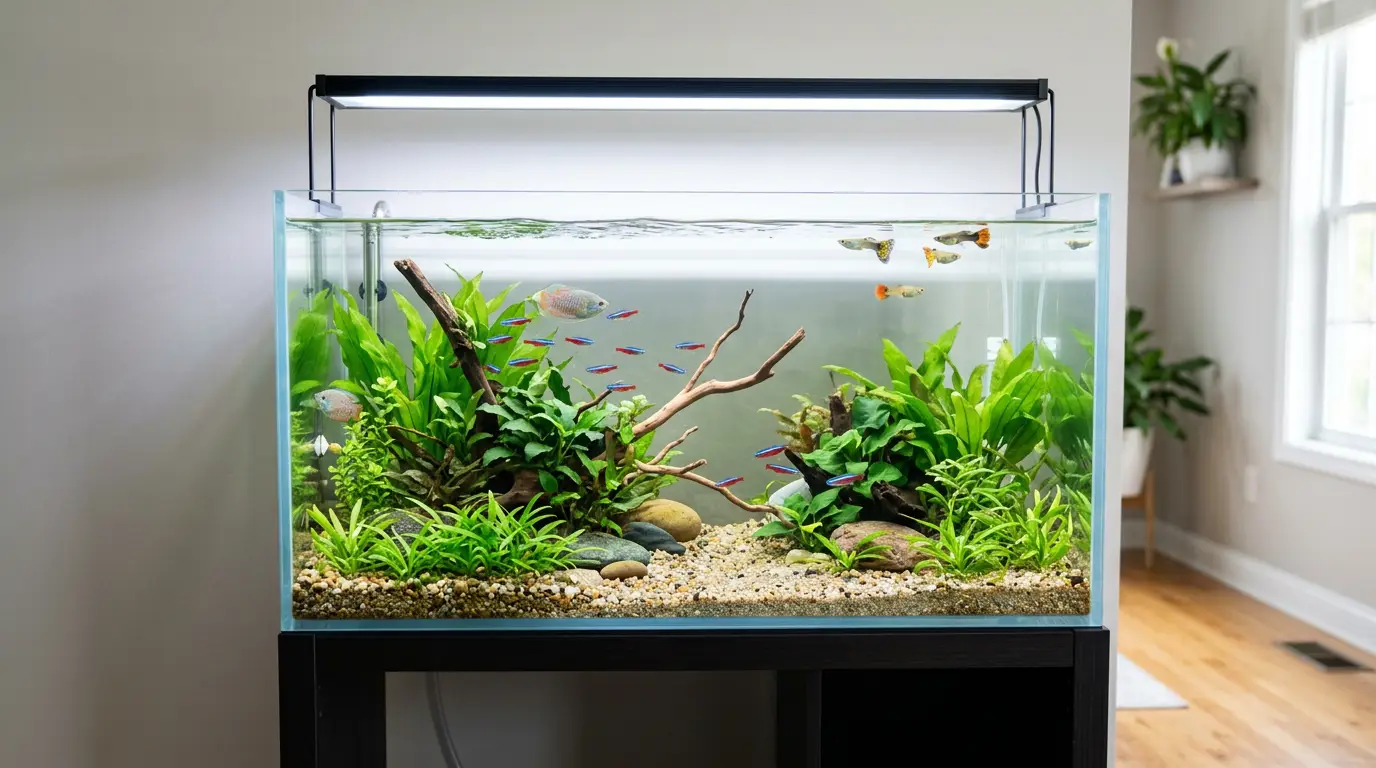
Find LED lighting options that improve tank visibility, bring out fish color, and help the aquarium look cleaner and more finished.
Explore Aquarium LED Lights →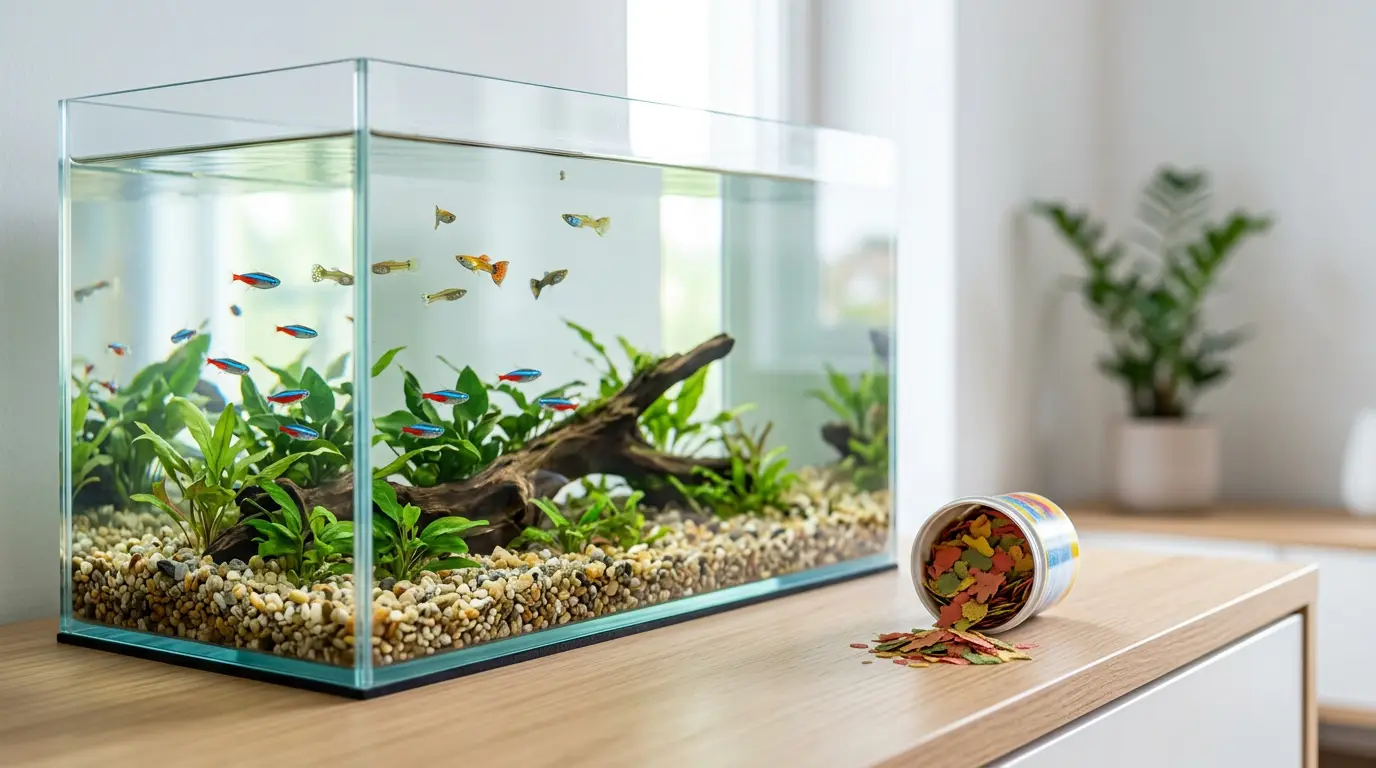
Compare everyday fish food options for different feeding styles, fish sizes, and tank needs without making feeding more complicated.
Explore Aquarium Fish Food →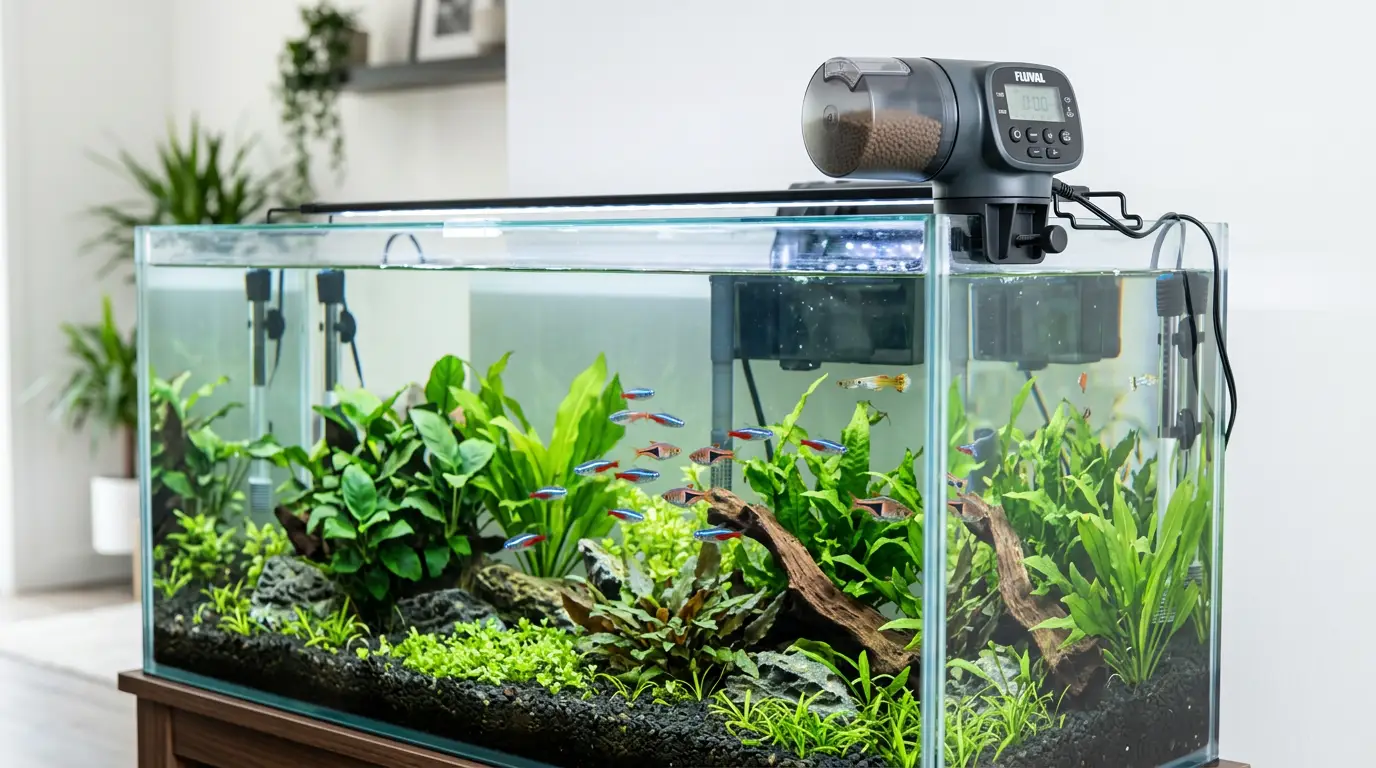
See automatic feeder options that help keep feeding more consistent on busy days, short trips, weekends away, and regular aquarium routines.
Explore Automatic Fish Feeders →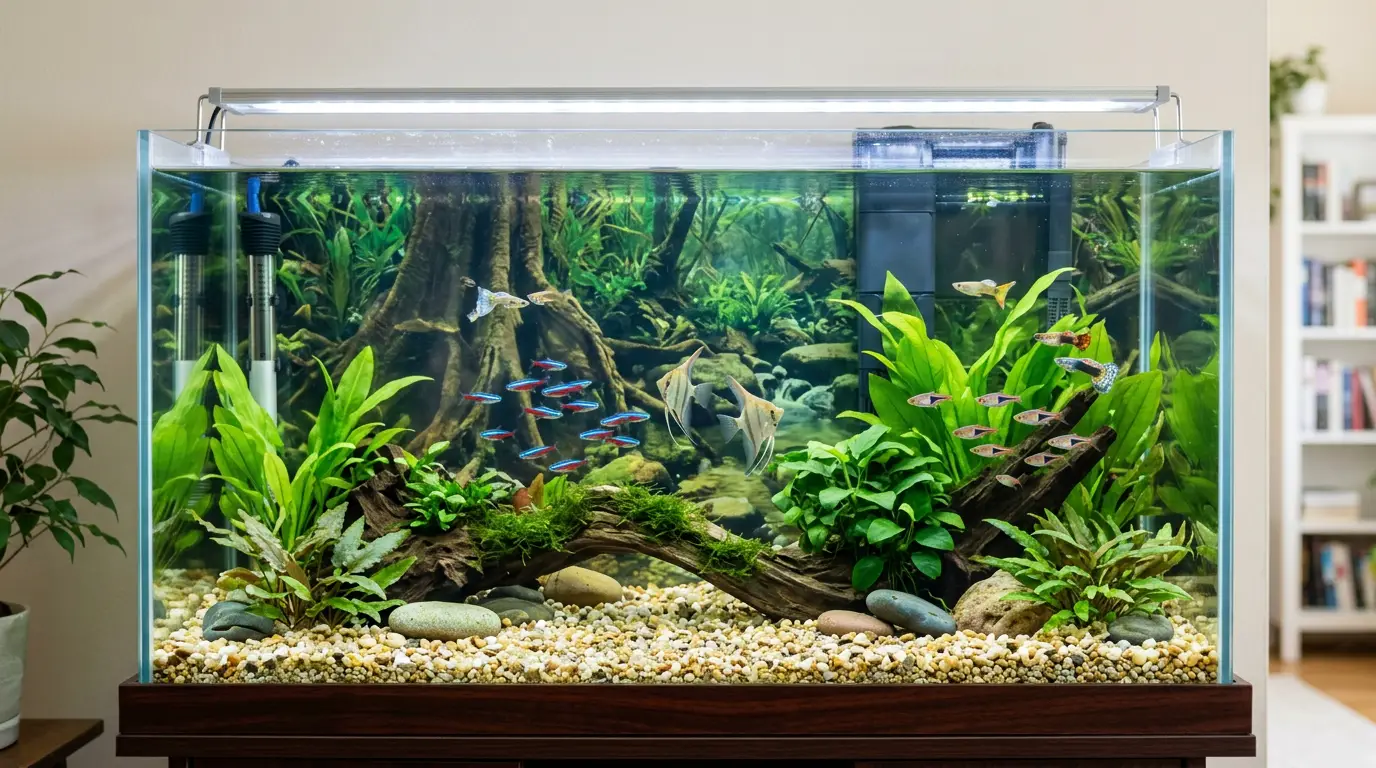
Choose background styles that help hide cords, reduce distractions, and make fish, plants, and tank decor stand out more clearly.
Explore Aquarium Backgrounds →Water-test results, habitat checks and questions to raise when ammonia readings increase.
Possible contributors to green water, observations to record and maintenance considerations.
Compare filter-media roles, condition checks and manufacturer cleaning or replacement instructions.
Oxygen, heat, and the filter-restart trap — what to do while the lights are out.
Check possible sources of pump or filter noise and the equipment instructions.
Explore possible explanations for cloudy water and observations to record before choosing a response.
Review possible explanations for surface gasping, habitat measurements and signs that need veterinary attention.
Losing a fish with no warning is unsettling, especially when it happens fast.
Review lighting, feeding and maintenance observations when algae becomes a concern.
Review possible explanations for appetite changes and signs that need veterinary attention.
Start here first — find the right tank size and stocking limits for betta, nano, standard community, livebearer, or goldfish setups before you buy gear.
Compare the exact equipment included in each starter kit and what the intended fish may still need.
Clear water isn't the same as safe water — ammonia and nitrite spikes are invisible without a real test.
Compare heater models, temperature-control features and installation instructions against the intended species and aquarium.
Compare air-pump features, placement and maintenance requirements; extra equipment does not establish suitable stocking.
Bettas do best in a real, heated tank — not a bowl.
Compare scrapers and cleaning tools by surface compatibility and their operating limits.
Compare stand dimensions and load ratings against the complete filled aquarium, equipment and manufacturer instructions.
Start with filtration and tank setup. These choices affect water clarity, fish comfort, maintenance difficulty, and how stable the aquarium is over time.
Food, feeders, and lighting help make daily aquarium care more consistent. This is where small upgrades can make the tank easier to manage.
Backgrounds and covers can help hide cords, reduce visual clutter, and make the aquarium look cleaner in a living room, bedroom, or office.
Start with the aquarium fish filtration guide. Filtration affects water clarity, waste control, beneficial bacteria, and how easy the tank is to maintain.
Most freshwater aquariums need a properly sized tank, filter, heater when required for the fish species, lighting, water conditioner, substrate, decor, and a regular maintenance routine.
Automatic fish feeders can be useful for busy schedules and short trips, but they should be tested before relying on them. Feeding amount and moisture control matter.
Aquarium backgrounds can help hide cords, reduce visual distractions, and make fish, plants, and decorations stand out more clearly.
I built this section for fish keepers who want a cleaner, easier aquarium without spending hours researching equipment. Every guide here is focused on the actual buying decision — what filter type works for your tank size, which LED lights are worth the money, how to set up feeding so it stays consistent without being complicated.
If you are new to freshwater aquariums, start with filtration and tank setup. For a change in fish behavior, use the troubleshooting guides to identify observations and questions for a veterinarian. Each linked guide has its own scope and product details.
← Back to All Pet Guides