
CAT CARE GUIDE
Cat Litter Types Compared: Clay vs Clumping vs Crystal vs Tofu
Not sure which litter material actually suits your cat? Here’s how clay, clumping clay, crystal, and tofu litter stack up on odor control, dust, cost, and everyday cleanup.
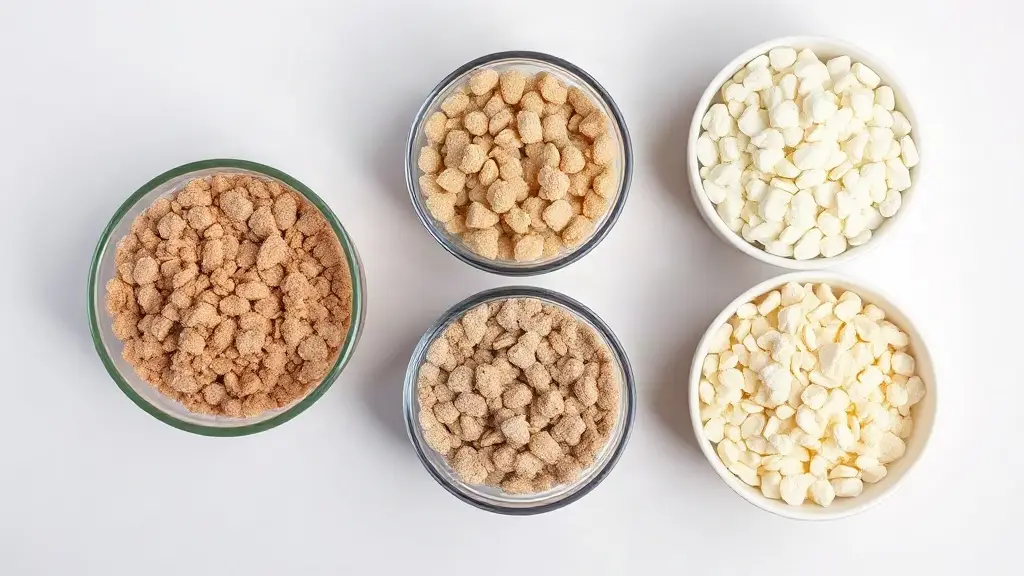
Litter-comparison visual; the unlabeled bowls do not identify a specific material or product.
Choosing the right litter box style is only half the battle — what you actually pour into that box matters just as much for odor control, cleanup, and your cat’s comfort. This guide breaks down the four most common cat litter materials so you can decide which one fits your household, your budget, and your cat’s preferences. If you’re deciding between box styles instead, see our Cat Litter Box Guide.
Compare texture, scent, dust, cleanup and your cat’s response to the actual product. New litter-box avoidance can have medical or environmental causes; do not assume a material change explains it. Arrange veterinary assessment for a new or persistent problem.
Comparison at a Glance
| Litter Type | Clumping? | Odor Check | Dust Check | Compare Before Choosing |
|---|---|---|---|---|
| Clay (non-clumping) | No | Observe odor with the actual product and cleaning routine | Check the formula and dust during use | Current cost, refill use and full-change directions |
| Clumping Clay (bentonite) | Yes | Check clump removal and odor during use | Dust varies by formula and handling | Clump weight, cleaning access and each cat’s acceptance |
| Crystal/Silica | Check the selected formula’s clumping behavior | Follow the product’s waste-removal and replacement directions | Review the formula rather than assuming low dust | Texture, waste removal and replacement requirements |
| Tofu/Plant-Based | Check the selected formula’s clumping directions | Follow the product’s waste-removal and replacement directions | Check the selected product’s dust and ingredients | Cat acceptance, ingredients and local disposal rules |
Traditional Clay Litter
Non-clumping clay absorbs moisture without forming removable urine clumps. Follow the selected product’s scooping and full-change directions, and compare actual litter use and cost. Dust, texture and odor performance vary by formula and cleaning routine.
Clumping Clay Litter
Clumping clay forms removable clumps, allowing soiled material to be scooped. Compare the selected formula’s dust, clump weight, cleaning directions and your cat’s acceptance. The linked listing is Dr. Elsey’s Ultra Unscented Clumping Clay, 18 lb; its material does not establish the strongest odor control for every home. Check Price on Amazon
Crystal/Silica Litter
Crystal litter commonly uses silica gel, with waste-removal instructions that depend on the formula. Check whether the selected product clumps, requires stirring or specifies full replacement, and observe your cat’s response to the texture. Do not infer low dust, allergy suitability or a longer replacement interval from the material alone.
Tofu and Plant-Based Litter
Tofu and other plant-based litters vary in ingredients, texture, clumping and disposal directions. Compare the actual formula rather than assuming low dust, allergy suitability or ingestion safety. Keep litter out of septic toilets and follow local waste rules; plant-based does not establish an environmental benefit for every disposal method. Check Price on Amazon
Which Litter Should You Choose?
- Multi-cat home: Compare actual clump removal, waste volume, cleaning access and each cat’s preference.
- Kittens: Ask your vet which litter suits your kitten, particularly if the kitten eats litter. Plant-based does not establish ingestion safety.
- Allergies or sensitive respiratory cats: Review the actual formula, fragrance and dust during use. Ask your veterinarian about a cat with respiratory symptoms; material alone does not establish allergy suitability.
- Odor-prone households: Review cleaning, waste removal and the selected product’s directions rather than treating additives as a guaranteed odor solution.
- Eco-conscious owners: Compare the product’s disposal directions and your local waste rules. Keep litter out of septic toilets, including products advertised as flushable.
- Budget: Compare current price with actual litter use and required replacements; material alone does not establish the lowest total cost.
Frequently Asked Questions
Is clumping litter safe for kittens?
Ask your veterinarian which product suits your kitten, particularly if the kitten eats or chews litter. Monitor use and seek veterinary advice about ingestion; neither clumping nor plant-based establishes that litter is safe to eat.
Is crystal litter safe for cats?
Check the selected cat-litter formula’s ingredients and use directions, and observe acceptance and dust. Do not use packaging desiccants as litter or treat silica gel as proof of ingestion safety. Ask your veterinarian about ingestion or respiratory symptoms.
How often should you change tofu litter?
Follow the selected product’s scooping and full-change directions, accounting for the number of cats, waste and condition of the litter. There is no universal two-to-four-week replacement interval for every plant-based formula.
Can you mix different litter types?
Check the products’ instructions before mixing; formulas may have different maintenance requirements. A separate litter preference trial with a familiar option available can help you observe what your cat accepts.
More Cat Guides
Final Take
Compare the actual product’s texture, scent, dust, cleanup and disposal instructions with your cat’s preferences and your routine. Keep a familiar option available during a trial and address new litter-box problems promptly. A material label does not establish health, cost or environmental superiority.