
CAT TROUBLESHOOTING
Why Won’t My Cat Drink Water?
An untouched-looking bowl does not measure total water intake. Food moisture, access, preferences and health can all affect drinking; a new change deserves veterinary advice.
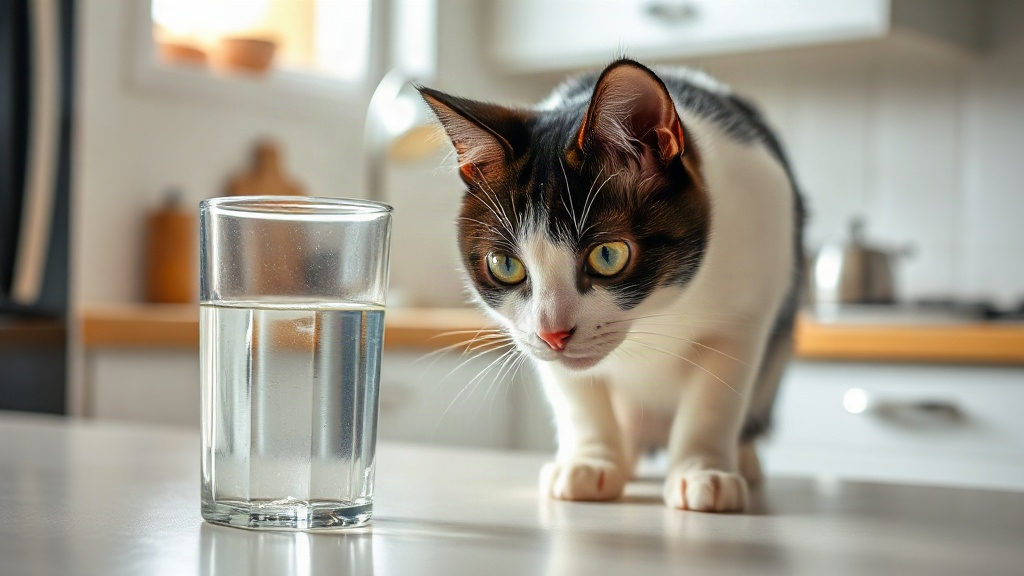
Keep fresh water accessible and watch drinking, food intake and litter-box changes.
A cat’s water intake includes water in food as well as drinking. Bowl observations alone cannot establish hydration, and reduced drinking is not proof of a particular kidney or urinary disorder.
Common Reasons Cats Avoid Water
Bowl Placement Too Close to Food or Litter
Offer fresh water in quiet, accessible places away from the litter area. Observe which locations your cat uses rather than assuming a fixed distance or evolutionary explanation accounts for avoidance.
Water Freshness and Bowl Choice
Compare bowl shape, placement and cleaning needs without diagnosing “whisker fatigue.” Some cats prefer a fountain, but preferences vary; check the linked model’s instructions and maintain other water access. Check Price on Amazon
Water From Food and Drinking
Wet food contributes water, so cats eating it may drink less from a bowl than cats eating dry food. Discuss diet changes with your veterinarian when medical needs or reduced intake are involved.
Bowl Shape and Access
You can compare bowl shape and access to see what your cat uses. Check the linked dish’s actual dimensions and care directions; it is not a treatment for reduced drinking or a guaranteed quick fix. Check Price on Amazon
Competition in Multi-Cat Homes
Check whether another pet blocks access. Offer more than one accessible water location where needed; a fixed number alone does not establish that every cat can drink comfortably.
How to Get Your Cat Drinking More
- Set up multiple water stations around the house, not just one bowl in the kitchen, so water is always convenient no matter where your cat is resting.
- A fountain is an option to try under its instructions; keep another source available and observe use.
- Compare different bowl shapes if helpful, without assuming whisker contact explains reduced intake.
- Ask your veterinarian about food moisture and appropriate diet changes, especially when health conditions are involved.
- Check any proposed flavoring with your veterinarian and review every ingredient; do not add an unreviewed broth or replace plain-water access.
- Provide fresh water daily and clean bowls, reservoirs, filters and pumps according to their instructions and condition.
- Offer quiet, accessible water locations away from litter and observe your cat’s preferences.
Frequently Asked Questions
How much water should a cat drink per day?
Water needs depend on body size, diet, environment and health, and include water in food. Ask your veterinarian for an appropriate target if intake or hydration is a concern.
Is it normal for a cat to barely drink water?
Cats eating wet food may drink less from a bowl. A new change, persistent low intake or other symptoms still needs veterinary advice rather than an assumption that the bowl is the only issue.
Do cat water fountains actually help?
Some cats use fountains and some prefer bowls. Observe your cat and maintain the device under its instructions; filtration does not guarantee greater intake or adequate hydration.
Can dehydration in cats be serious?
Suspected dehydration needs prompt veterinary advice. Reduced drinking alone does not diagnose its cause, and a product trial should not delay assessment.
More Cat Guides
Final Take
Track drinking, food intake and litter-box changes, provide accessible fresh water and contact your veterinarian about new or persistent concerns. Bowl and fountain choices may support the routine, but do not establish hydration or treat an underlying condition.