
Why Won't My New Fish Eat?
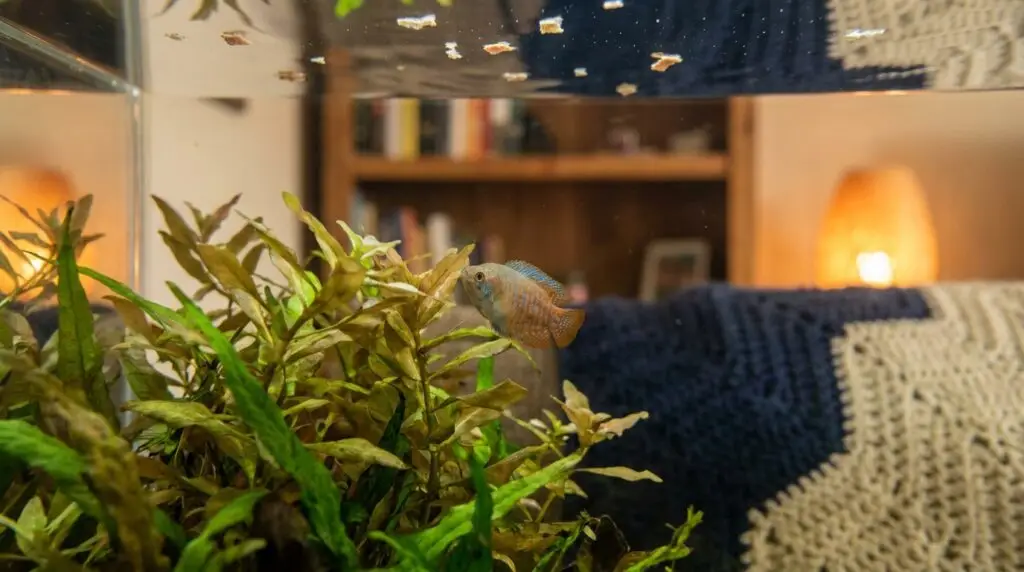
A move can affect appetite, but refusal to eat also warrants checks for unsuitable conditions or illness. Review water quality, the fish's behavior, and food suitability rather than assuming it is only settling in.

Check water conditions and offer a familiar, species-appropriate food. Persistent appetite loss or other symptoms need fish-health advice.
Check the Fish and Water Conditions First
Check water quality, temperature, food suitability, and behavior promptly when a new fish stops eating:
- Short-term appetite changes can follow a move; needs and risk vary by species, age, and condition.
- Record hiding, stillness, and other changes against the fish's normal behavior; do not use them alone to rule out a problem.
- Work through the checks immediately. Weight loss, breathing changes, lethargy, or continued refusal to eat warrant fish-health advice promptly.
Five Possibilities to Review
Acclimation Stress
Review the move, handling, water conditions, and tankmates as possible factors. Appetite loss alone does not distinguish adjustment from illness.
The next step: Check water conditions and observe without unnecessary handling. Seek fish-health advice for persistent refusal or other abnormal signs rather than waiting for a set settling-in period.
Water Temperature Is Off
Measure the actual temperature against the species' needs, and review stability as well as the thermostat setting. Temperature is one check, not a complete explanation for appetite loss.
The next step: Measure temperature against the species' needs and check equipment operation. Our aquarium heater guide explains heater features and sizing considerations.
Water Quality Isn't Right Yet
Check whether biological filtration is established and test water quality promptly. Appetite loss may occur with a water-quality problem, but does not identify one on its own.
The next step: Test water promptly and interpret the results alongside temperature and fish condition. Our water test kit guide explains listed tests and features to compare.
Unfamiliar Food
A fish raised on one food type at the store or breeder may simply not recognize a different flake or pellet as food yet, especially if the shape, size, or scent is very different from what it's used to.
The fix: Confirm the food the fish was already eating and offer a small amount of a suitable food for that species. Bloodworms are an occasional option for some fish, not a universal diet or illness treatment.
Being Outcompeted or Intimidated
In a community tank, a new fish can be too intimidated by established tankmates to feed at the same time, or simply too slow to compete for food before it's gone.
The next step: Observe whether tankmates prevent access to suitable food and review compatibility. Adjust feeding arrangements to the species without adding uneaten food to the tank.
Check Food Suitability
Check food suitability alongside water conditions and health signs. A treat is not a diagnosis or treatment for appetite loss.
Hikari Bio-Pure Freeze Dried Blood Worms
Hikari labels this as a freeze-dried treat. Check the current feeding directions and suitability for your species; a food response does not rule out illness. See our full fish food guide for diet options.
Check Price on AmazonFAQ
How long can a new fish go without eating?
There is no single safe fasting interval for all fish. Check husbandry promptly and seek fish-health advice for persistent appetite loss or other illness signs.
Should I keep offering food if it's not eating?
Offer a suitable food in an appropriate amount for the species and remove leftovers. Repeated feeding attempts should not replace checks for ongoing appetite loss.
Could quarantine stress be the cause?
A new environment may affect behavior, but quarantine does not establish stress as the cause. Check the setup and seek advice for ongoing appetite loss or illness signs.
When should I be concerned enough to see a vet?
Contact an aquatic veterinarian promptly for weight loss, clamped fins, breathing changes, unusual behavior, or persistent refusal to eat; do not wait for all signs or a week-long deadline.