
Why Is There Algae Everywhere in My Aquarium?
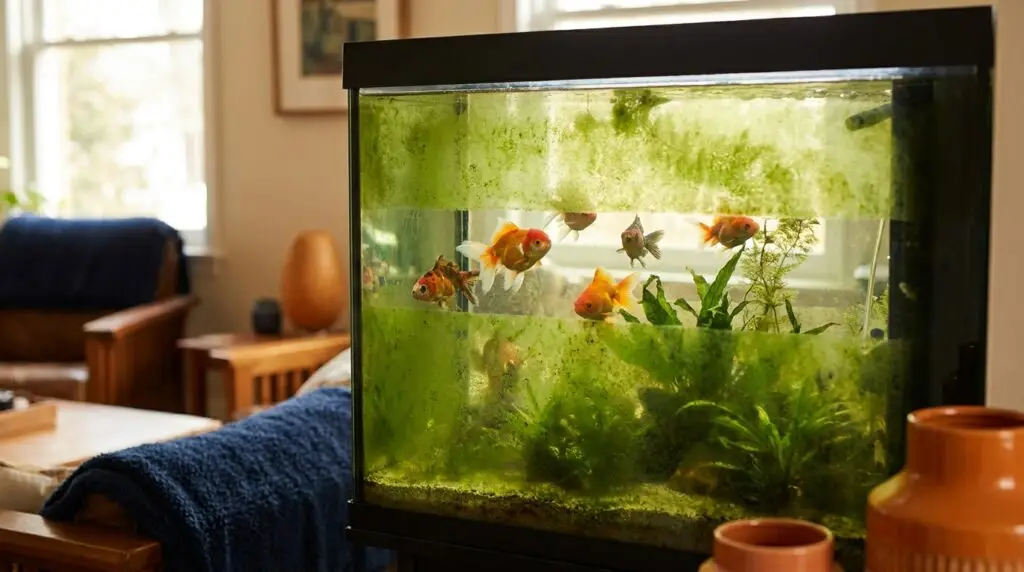
Algae growth is a reason to review light exposure, nutrient inputs, and tank conditions. This guide offers checks and cleaning options without promising that one change will resolve every case.

Review the conditions behind recurring growth as well as cleaning visible algae.
What Type of Algae Are You Seeing?
| Appearance | Possibility to Investigate | Checks to Consider |
|---|---|---|
| Green tint in the water itself | Green water (free-floating algae) | Review light exposure and direct sunlight |
| Green film on glass/decor | Green spot or film algae | Review lighting and nutrient inputs |
| Brown, dusty coating | Diatoms | Review recent setup, substrate, and source water |
| Dark tufts on plants/decor | Black beard algae | Identify the growth and review tank conditions |
Four Tank Conditions to Review
Too Much Light
Excess lighting is one factor that can encourage algae. A light left on too many hours a day, one that's too intense for the tank, or a tank sitting near a sunny window all feed algae the same energy source it needs to grow.
The next step: Choose a consistent lighting schedule for the fish and plants and avoid direct sunlight. Our LED light guide explains lighting features to compare.
Excess Nutrients
Algae feeds on the same nitrogen and phosphate compounds that come from fish waste and uneaten food. Overfeeding, overstocking, or infrequent water changes all raise the nutrient load available to algae.
The next step: Check food amounts and leftovers and use water tests to guide maintenance. Our cloudy water guide discusses related water-quality checks.
Plant Suitability and Nutrient Inputs
Review whether plants fit the aquarium's species, lighting, and maintenance needs. A plant-free tank does not by itself explain an algae problem.
The next step: Assess whether the aquarium can support appropriate plants before adding them. Check species suitability and keep aquarium plants out of local waterways.
A New Tank Still Settling In
A brown coating in a new aquarium is one appearance to investigate alongside substrate, source water, lighting, and water tests.
The next step: Use suitable cleaning tools and monitor water quality. Do not rely on a promised number of weeks for a coating to disappear.
Clean What's Already There
Use tools compatible with the aquarium surface while reviewing the conditions behind growth.
Carefree Fish 7-in-1 Aquarium Cleaning Tools
Check the exact kit's attachments, reach, and compatibility with glass or acrylic. Compare cleaning options in our algae scraper and cleaning tool guide.
Check Price on AmazonFAQ
Is algae harmful to my fish?
Do not judge safety by appearance alone. Check oxygen conditions, water quality, and fish behavior when growth is heavy or changes suddenly.
How long does it take to get algae under control?
The time needed varies with the growth and tank conditions. Monitor results and reassess rather than relying on a promised clearance time.
Do algae eaters actually help?
Some animals graze algae, but they have their own diet, space, water, and compatibility needs. Do not add them solely as a cleaning shortcut or overstock the aquarium.
Should I do a total blackout to kill algae?
Start by checking light, nutrients, oxygen conditions, and the needs of the existing fish and plants. Seek tank-specific advice before a blackout; this guide does not prescribe a duration.