
Every dog owner knows the moment. A soft stool on the morning walk, a gurgling stomach at night, or a dog who gets an upset belly every time you switch foods, board them, or take a road trip. It is messy, it is stressful, and it is one of the most common reasons owners start looking at probiotics.
One owner described it on Amazon this way: “It has been especially helpful with my dog with a sensitive stomach who can experience digestive upset from the stress of traveling.” That is the kind of situation probiotics are usually meant for: routine digestive support, used alongside your vet’s advice, not a replacement for it.
This guide covers the four dog probiotics we would look at first, how they differ (powder, capsule, chew or fiber blend), how to start one, and the signs that mean you should skip the supplement aisle and call your vet today.
Short version: If your dog seems sick, call your vet first. For a healthy dog with an occasionally sensitive stomach, pick one probiotic made for dogs, give it exactly as the label says, and keep simple notes so you can tell if it is worth continuing.
Quick picks for dogs with sensitive stomachs
The one many vets name first: Purina Pro Plan Veterinary Supplements FortiFlora Dog Probiotic Supplement
Check price on Amazon
Best sprinkle capsule (dogs and cats): Nutramax Proviable Probiotics + Prebiotics, for Dogs & Cats, Capsules, 80ct
Check price on Amazon
Easiest daily chew: Zesty Paws Probiotics for Dogs – Gut Health Soft Chews, Pumpkin, 90 Ct
Check price on Amazon
Picky eater who skips meals? Read our guide on why a dog won’t eat before adding anything new to the bowl.
What a Dog Probiotic Actually Is
Probiotics are live beneficial bacteria (and sometimes yeast) meant to support the normal balance of microbes in your dog’s gut. You will see a few other words on the labels, and they are worth knowing:
- Strains. The specific organisms in the product, such as Enterococcus faecium, Lactobacillus acidophilus or Bacillus coagulans. Some products use one strain, others use several.
- CFU (colony-forming units). A count of live organisms per serving. Bigger is not automatically better; the strain and the dose on the label matter more than the headline number.
- Prebiotics. Fibers such as inulin that feed the beneficial bacteria. Some products pair prebiotics with probiotics.
- Fiber and enzymes. Some “gut health” products, like Perfect Poop, are mainly a fiber blend with probiotics and digestive enzymes added.
Makers describe these products as supporting digestive health and normal stool quality, not curing illness. That is the honest way to think about them.
The Picks, Up Close
Purina Pro Plan Veterinary Supplements FortiFlora Dog Probiotic Supplement
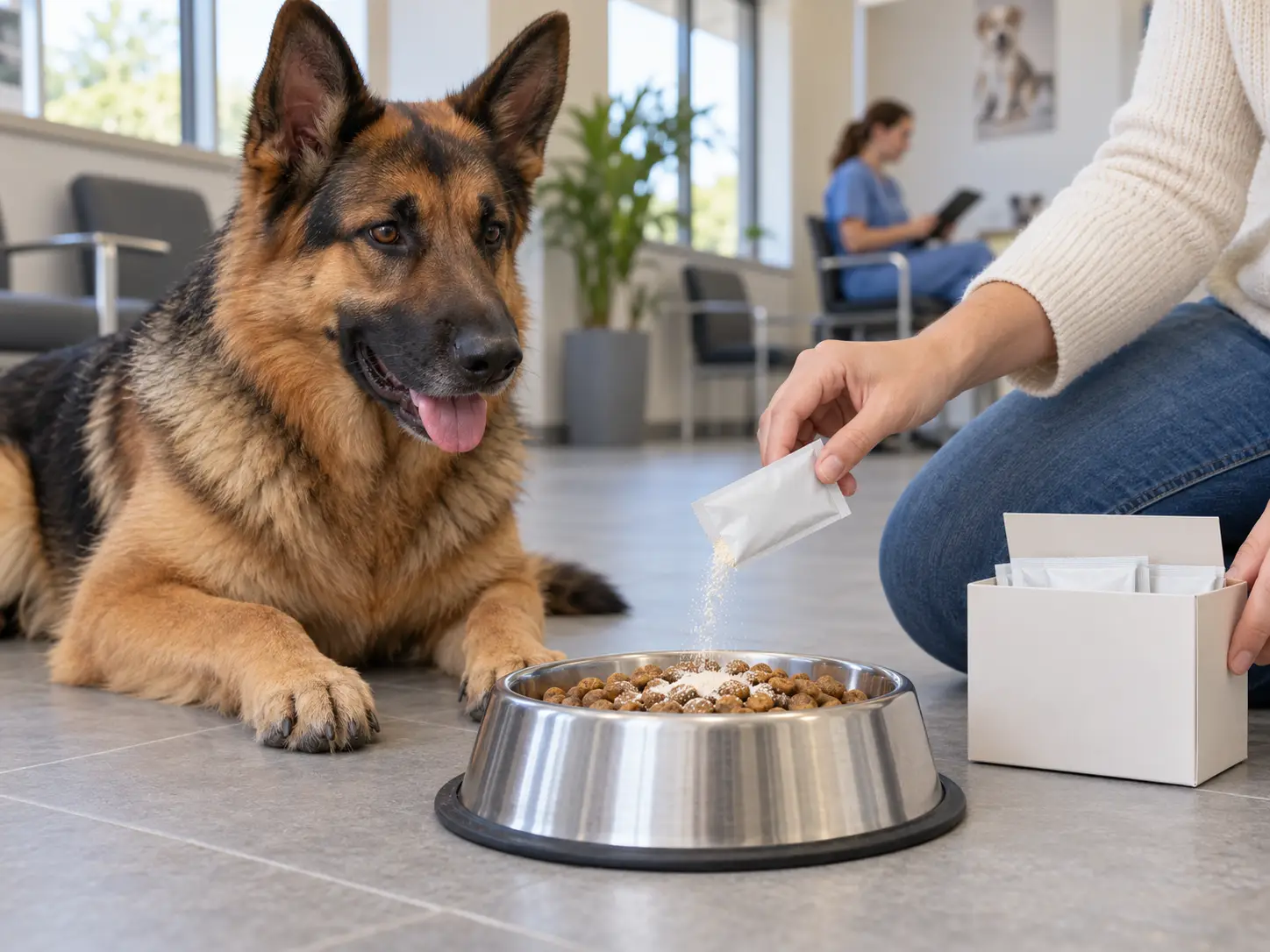
FortiFlora Dog Probiotic — Check price on Amazon
FortiFlora comes from Purina’s veterinary line and is a name many owners first hear at the vet’s office; Purina says it is the number one vet-recommended probiotic brand, based on its own survey of US vets. It is a single-strain powder (Enterococcus faecium SF68) in single-serve packets that you sprinkle over your dog’s regular food, with liver flavoring added. Purina’s listing says it is for the dietary management of puppies and adult dogs with diarrhea, and it is suitable for dogs of all ages. If your vet has already suggested a probiotic, this is often the one they mean, so ask before buying something else.
Best for: Owners who want the vet-line option, and dogs who will eat a powder on their food.
Nutramax Proviable Probiotics + Prebiotics, for Dogs & Cats, Capsules, 80ct
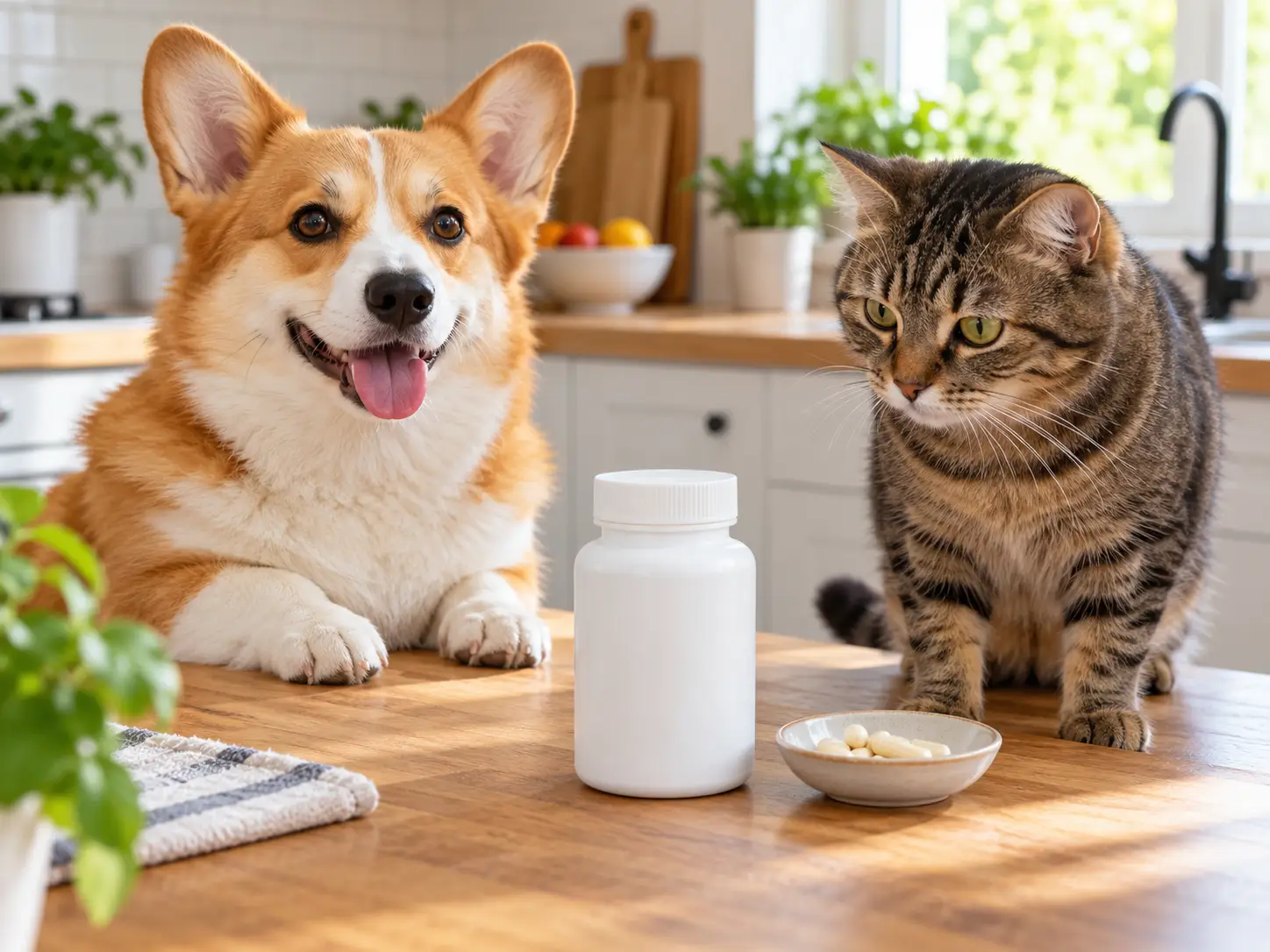
Proviable Sprinkle Capsules — Check price on Amazon
Proviable is a multi-strain probiotic from Nutramax, the company behind Cosequin. The listing says the capsules provide 5 billion CFUs from several strains, plus prebiotics. You open the capsule and sprinkle the powder on food, and owners report it is easy to hide. It is labeled for both dogs and cats, which makes it handy in a mixed household. One owner wrote: “We actually started these on our vet’s recommendation.” That is the right order of operations.
Best for: Multi-pet homes, and owners who want several strains in one product.
Zesty Paws Probiotics for Dogs – Gut Health Soft Chews, Pumpkin, 90 Ct
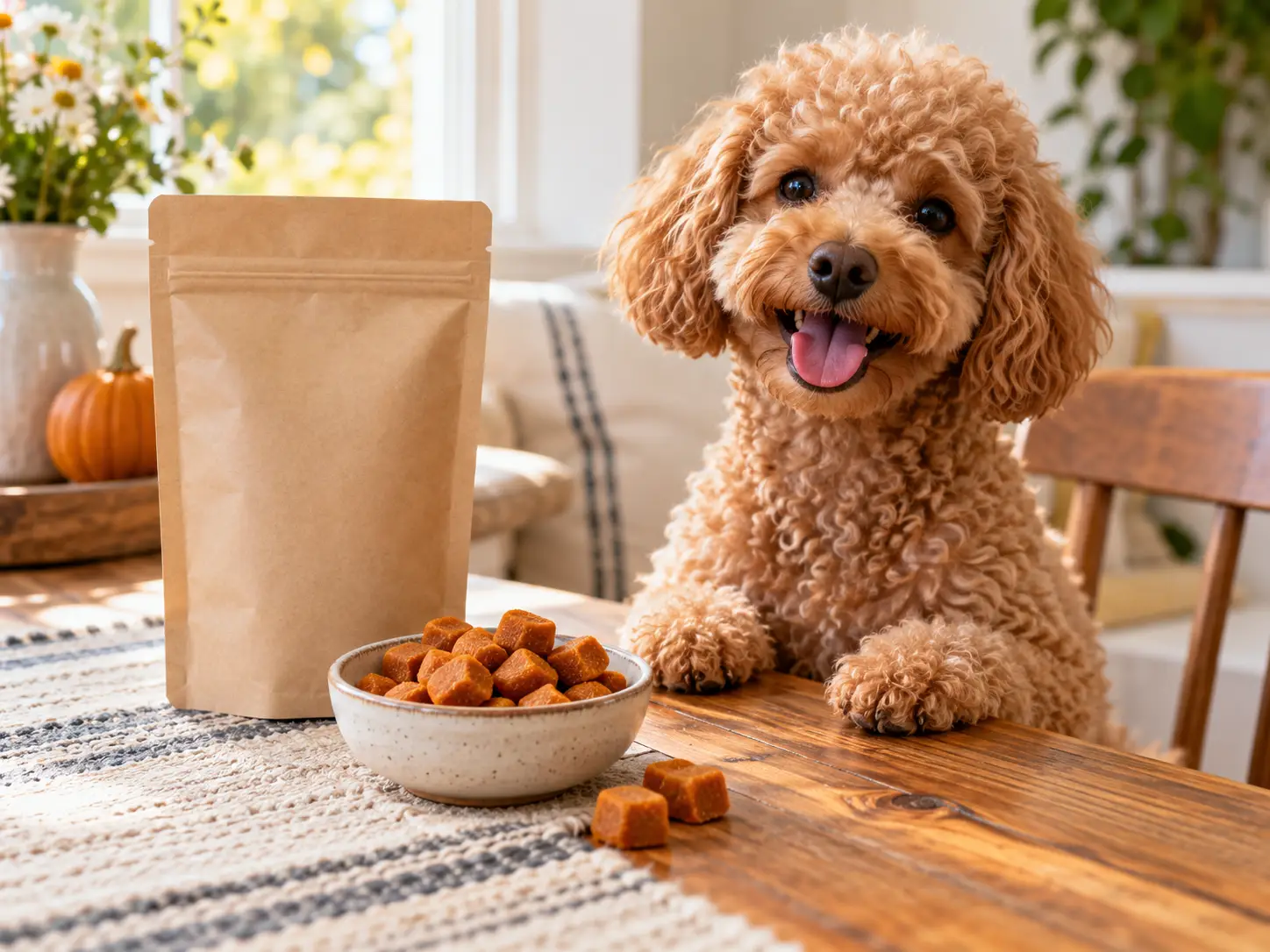
Zesty Paws Probiotic Bites — Check price on Amazon
If your dog treats powders on food as a personal insult, a soft chew is the easy route. These pumpkin-flavored chews list 3 billion CFU per chew and a blend that includes Bacillus coagulans, Bacillus subtilis and Saccharomyces boulardii. The maker says they are for small, medium and large breeds, adult or senior. Treat them as part of your dog’s daily food, not as extra snacks, and follow the size-based dose on the label.
Best for: Daily routine support for dogs who refuse powders and capsules.
Perfect Poop Digestion & General Health Supplement for Dogs, Cheddar Cheese, 12.8 oz
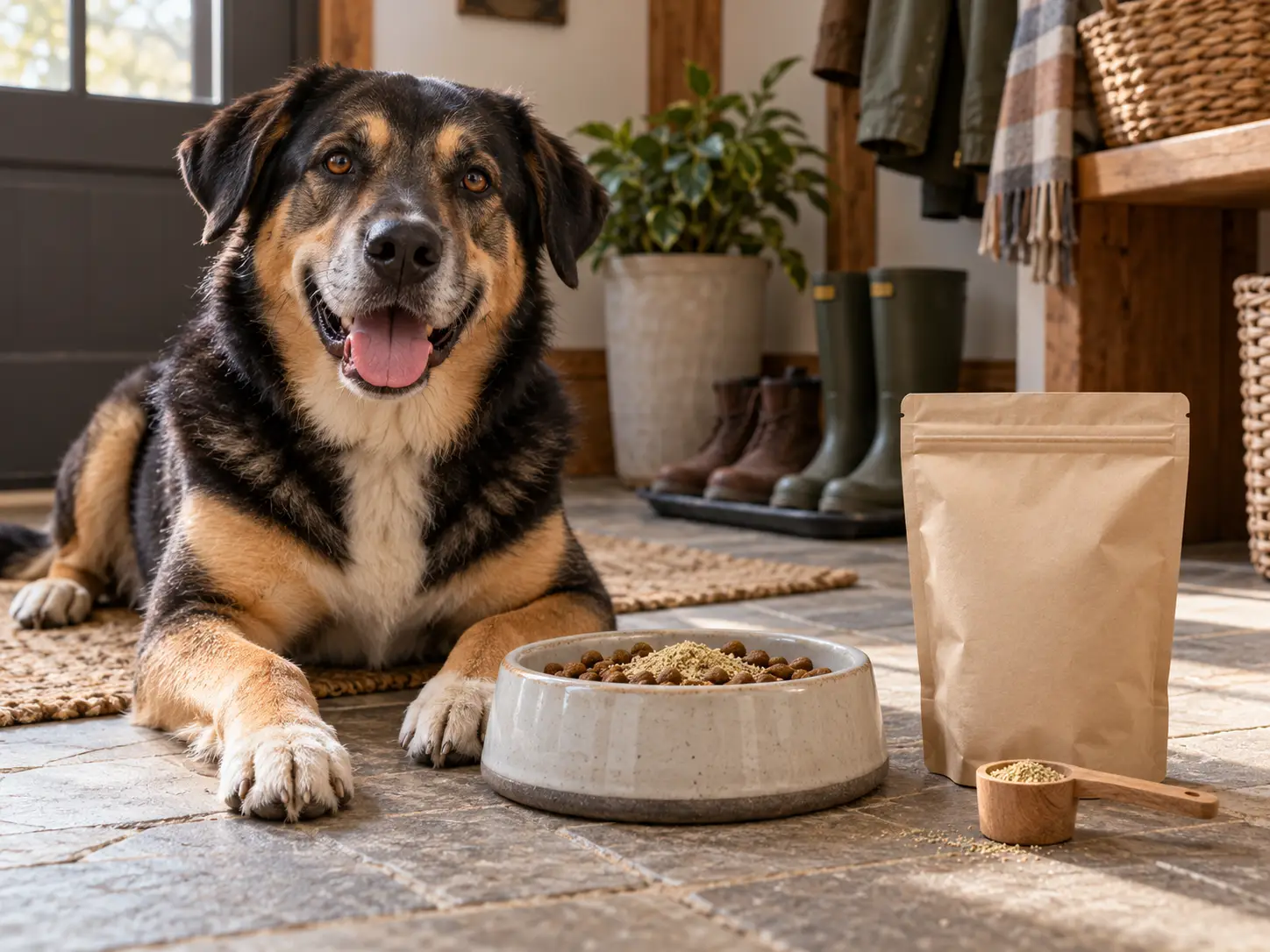
Bernie’s Perfect Poop — Check price on Amazon
This one is different from the other three. Bernie’s Perfect Poop is mainly a fiber supplement (miscanthus grass, pumpkin and flaxseed) with prebiotics, two Bacillus probiotics and a blend of digestive enzymes, served as small grass bits on food. It suits owners whose main complaint is stool quality, gas or the occasional loose or hard stool, and who want fiber and probiotics in one scoop. Because it adds fiber, start at the low end of the label serving and keep fresh water available.
Best for: Owners focused on everyday stool quality who want fiber and probiotics together.
How to Choose the Right One
- Ask your vet what they would use. Many clinics already have a preferred product, and they know your dog’s history.
- Pick the format your dog will actually take. Powder and capsules go on food; soft chews work for picky dogs; a fiber blend adds bulk as well as probiotics.
- Check the flavor and protein. If your dog has a food allergy or is on a special diet, compare the full ingredient list with what your vet has approved.
- Use one product at a time. Stacking two gut supplements makes it impossible to tell which one helped, or which one caused a problem.
How to Start a Probiotic (and Know If It’s Helping)
- Follow the label dose for your dog’s weight. More is not better. Watch for any change in gas or stool in the first few days, and stop and call your vet if your dog seems uncomfortable.
- Introduce it with your dog’s usual food. Changing foods and starting a supplement at the same time muddies the picture.
- Keep simple notes for a few weeks: stool quality, how often your dog goes, gas, appetite and energy. Photos on your phone are fine, and they help a lot if you end up at the vet.
- If you are using a probiotic around a planned stress, such as boarding, travel or a food switch, ask your vet how many days ahead to start.
- If your dog is on antibiotics or other medication, ask your vet whether and when to give a probiotic.
Habits That Help a Sensitive Stomach
Probiotics are only one piece. These everyday changes often matter just as much:
- Switch foods slowly. Mix the new food into the old over about a week unless your vet tells you otherwise. Our dog food guide covers sensitive-stomach formulas.
- Slow down fast eaters. Dogs who gulp their meals swallow air and can bring food back up. A slow feeder bowl helps.
- Cut back on table scraps and rich treats. Fatty leftovers, especially around the holidays, are a classic trigger for an upset stomach.
- Watch the yard and the trash. Grass, garbage and things found on walks are common culprits. If your dog is eating grass a lot, see why dogs eat grass.
FAQ
Can I give my dog a human probiotic?
Stick with products made for dogs. Human supplements are dosed for people, and some human chewables and gummies contain sweeteners like xylitol, which is toxic to dogs. If you want to use something from your own cabinet, ask your vet first.
How long until a probiotic makes a difference?
It varies by dog and by why you are using it. Give one product a consistent trial at the label dose, keep notes, and review them with your vet. If nothing has changed, or things get worse, stop and ask about other options.
Should my dog take a probiotic every day?
Some owners use one daily for a dog with a sensitive stomach; others only use one around stressful events like travel, boarding or a food change. Your vet can tell you which approach suits your dog.
Can a probiotic replace a vet visit for diarrhea?
No. Diarrhea has many causes, including parasites, infections, dietary indiscretion and illnesses that need treatment. A probiotic is support, not a diagnosis.
Final Take
For most dogs with an occasionally sensitive stomach, keep it simple: rule out anything serious with your vet, then choose one dog-made probiotic in a format your dog will take. FortiFlora is the familiar vet-line powder, Proviable is the multi-strain sprinkle capsule that also works for cats, Zesty Paws is the easy daily chew, and Bernie’s Perfect Poop is the pick if stool quality and fiber are your main focus. Pair it with slow food changes, fewer scraps and a slow feeder for gulpers, and keep notes so you and your vet can see what is actually working.
Seasonal pet tips and gear guides
Get seasonal pet-care tips and buying guides with fit, care, and maintenance details. Unsubscribe anytime.