Menu
Filtration is one of the most important parts of a healthy aquarium. The right filter helps move water, collect debris, support beneficial bacteria, and improve water clarity. By understanding the different filter types and where each one works best, aquarium owners can choose options that fit their tank size, fish load, maintenance routine, and overall setup goals.
If your tank looks hazy after maintenance, you may want to read our guide to why your fish tank gets cloudy after cleaning.
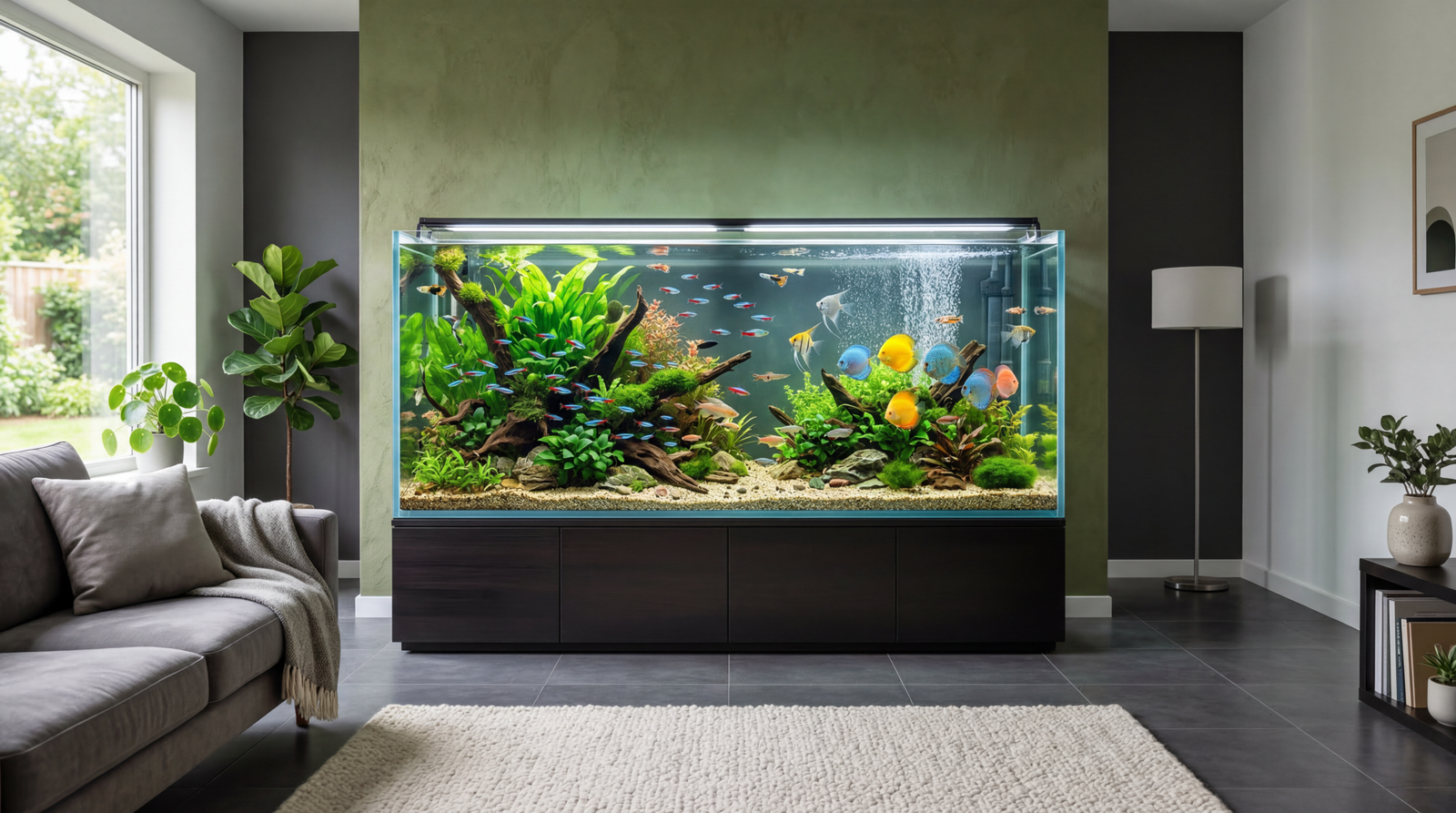
Our top aquarium filtration picks based on tank versatility, ease of maintenance, and fishkeeper value.
Fast tip: Match the filter to the tank’s real needs. Small community tanks often do well with HOB or internal filters, breeding or shrimp tanks usually benefit from sponge filters, larger stocked aquariums often need canister filtration, and quiet low-flow setups may need gentler output choices.
Use this quick table to match the filter style to the tank instead of choosing by price alone.
| Filter Type | Best For | Main Advantage | Watch Out For |
|---|---|---|---|
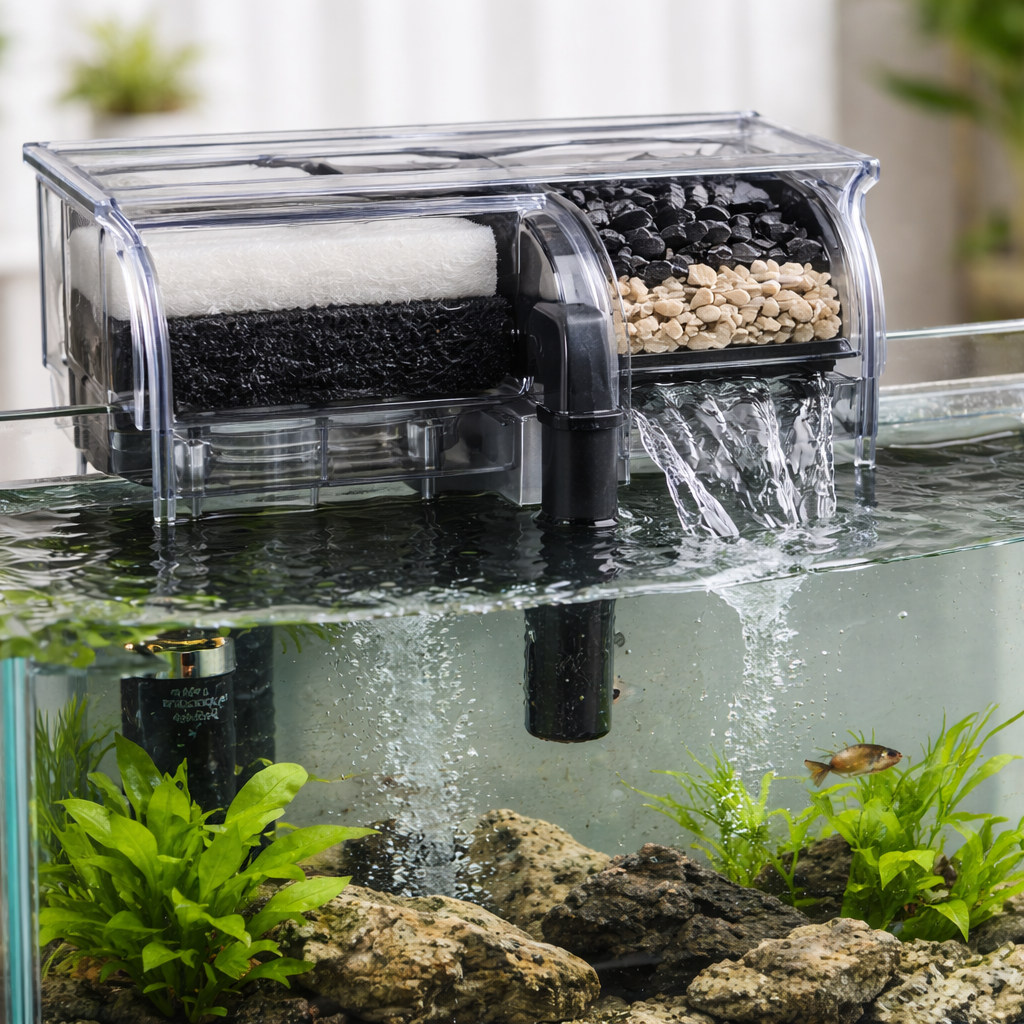
| HOB Filter | Community tanks and everyday freshwater setups | Easy access, simple cleaning, and solid all-around filtration | Output may be too strong for bettas, fry, shrimp, or low-flow tanks |
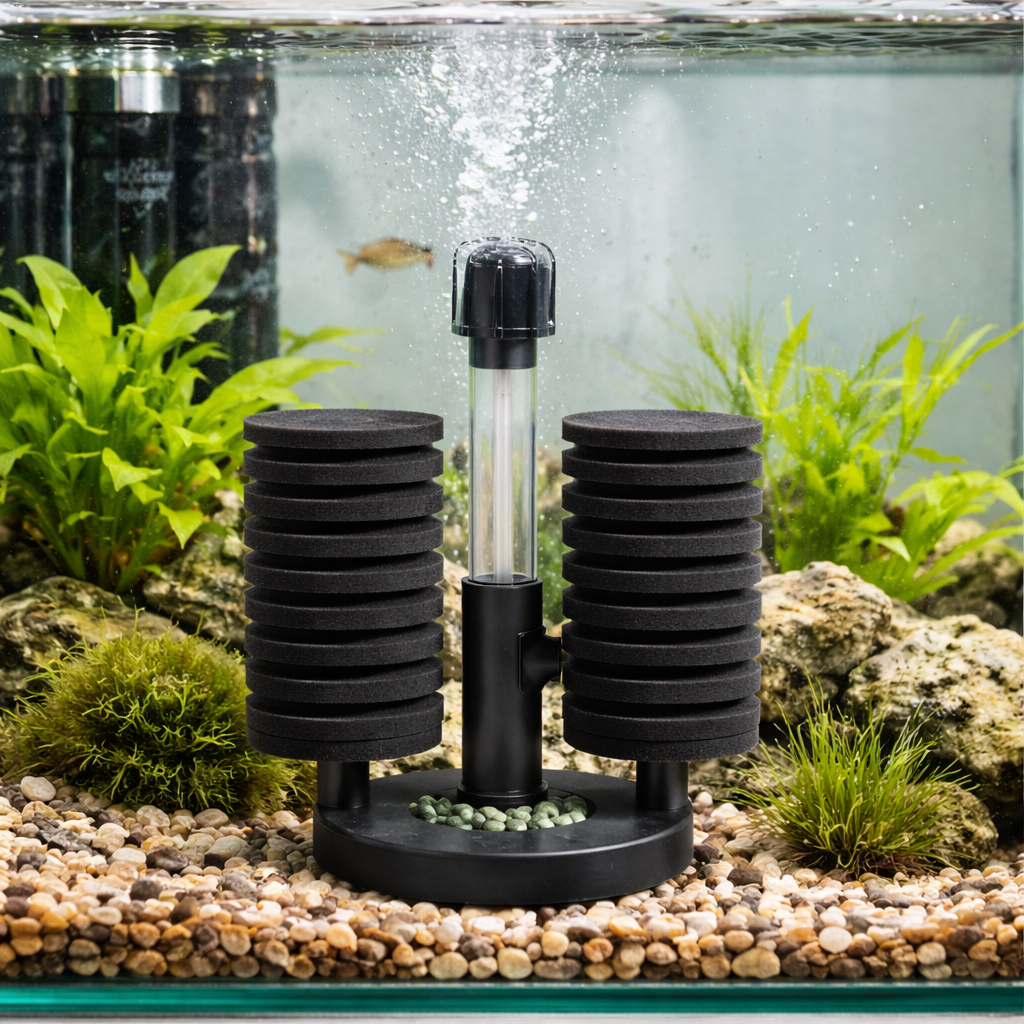
| Sponge Filter | Shrimp tanks, fry tanks, betta tanks, and quarantine setups | Gentle biological filtration with a safer intake area | Usually needs an air pump and may not polish debris as strongly |
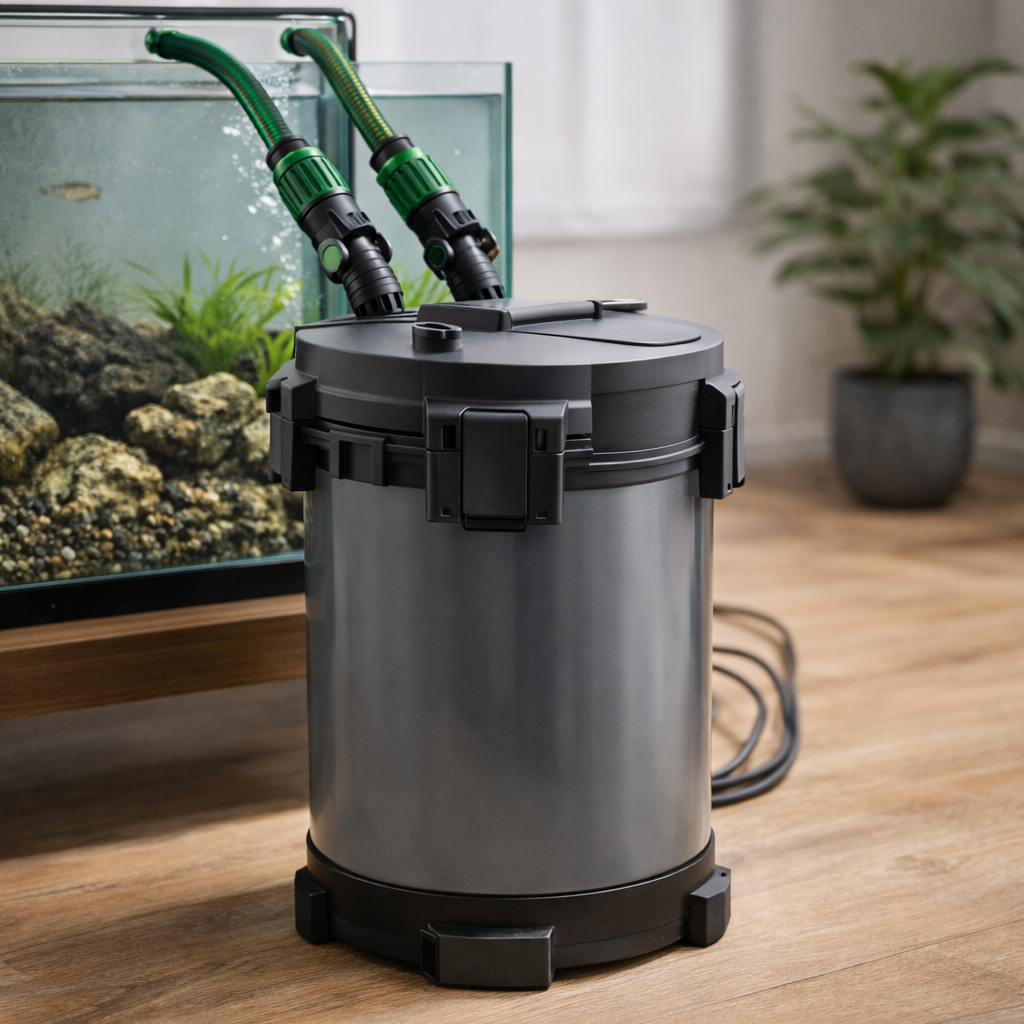
| Canister Filter | Larger aquariums, heavier stocked tanks, and custom media setups | High media capacity and strong long-term flexibility | More setup work and more involved cleaning than smaller filters |
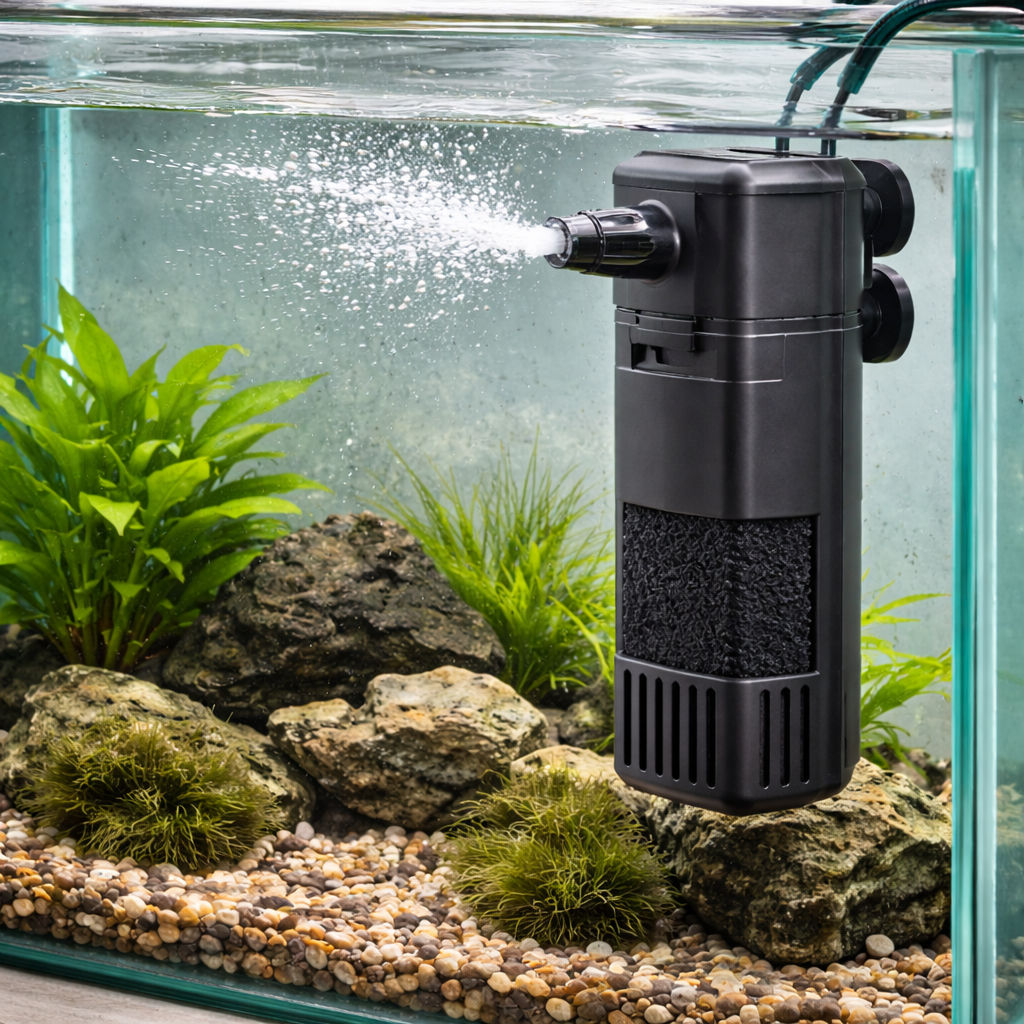
| Internal Filter | Small tanks, backup setups, quarantine tanks, and compact aquariums | Simple in-tank installation with targeted water movement | Takes up display space inside the aquarium |
| Nano Filter | Small aquariums that need controlled flow | Small footprint and easier fit on compact tanks | Limited media capacity compared with larger filters |
Choosing the right aquarium filter depends on tank size, fish load, water movement, media capacity, and how much cleaning you realistically want to do. A lightly stocked nano tank may need a gentle sponge or compact internal filter, while a larger community aquarium may benefit from a HOB or canister filter with more media space.
Before buying, think about the fish first. Bettas, fry, shrimp, and calmer species usually need gentler flow or intake protection. Messier fish, heavier feeding routines, and larger tanks usually need more mechanical debris capture and more biological media surface area.
Different aquariums place different demands on filtration, so filters are evaluated based on flow rate, media flexibility, ease of cleaning, reliability, noise level, and how well they fit specific aquarium setups. A filter that works well on a lightly stocked nano tank may not be appropriate for a larger or messier aquarium.
We look at how easy the filter is to maintain, whether it supports beneficial bacteria well, how strong or adjustable the output is, and whether the design makes routine cleaning simpler instead of more annoying. We prefer filters that make real-world aquarium care easier rather than harder.
By reviewing and recommending aquarium filtration options that support water clarity and stable tank conditions, we hope to help owners choose products that better fit their fish, their maintenance style, and the actual needs of the aquarium.
Tank Size
Match the filter to the actual tank volume, not just the marketing label. A filter that is barely adequate usually becomes annoying fast.
Flow Strength
Some fish prefer calmer water while others tolerate or benefit from stronger current. Always consider output strength and whether it can be adjusted.
Media Capacity
More room for filter media usually means better long-term flexibility for mechanical, biological, and chemical filtration.
Tap a button to jump to that filter type. Each section includes quick picks and what to look for.
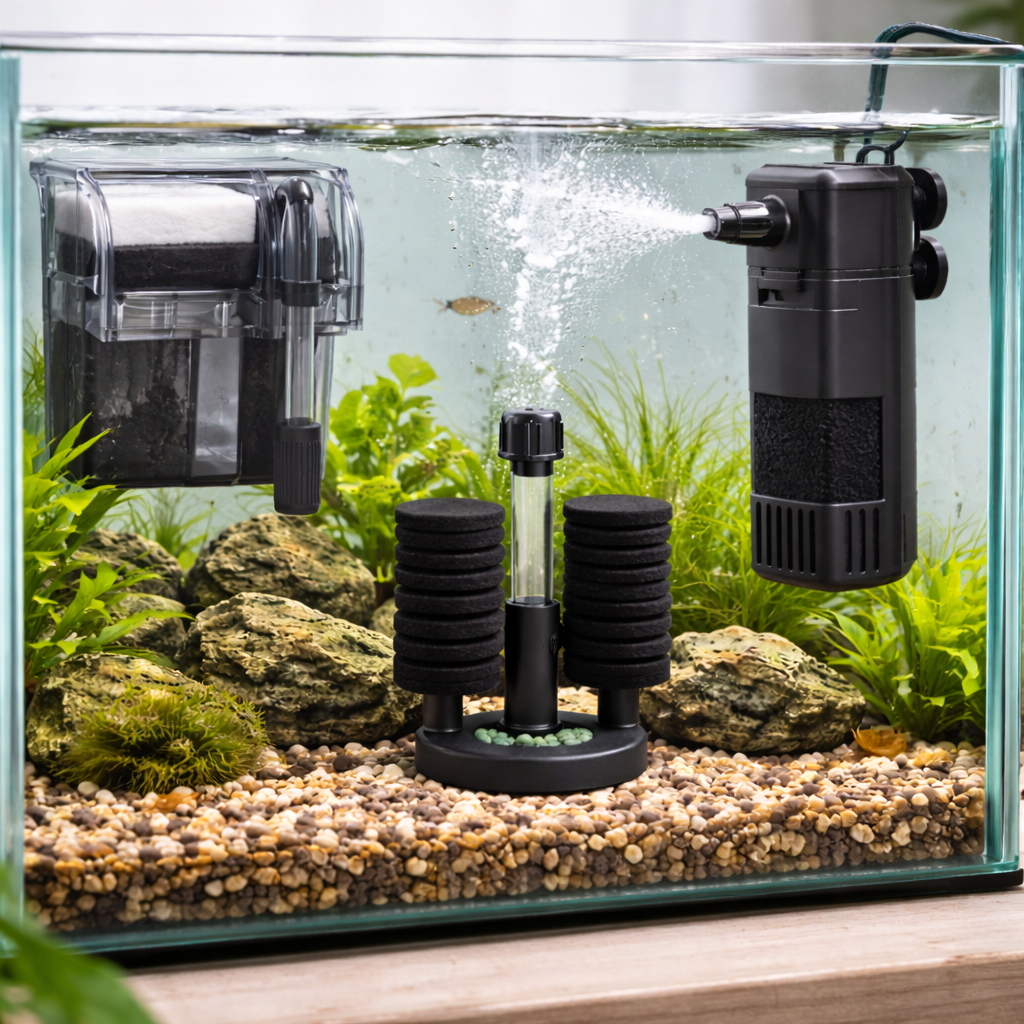
Hang on back filters are among the most common aquarium filters because they are easy to install, easy to clean, and widely available in different sizes. They provide a good balance of mechanical and biological filtration for many freshwater aquariums. These filters are popular for community tanks because they can offer reliable turnover without taking up much room inside the aquarium.
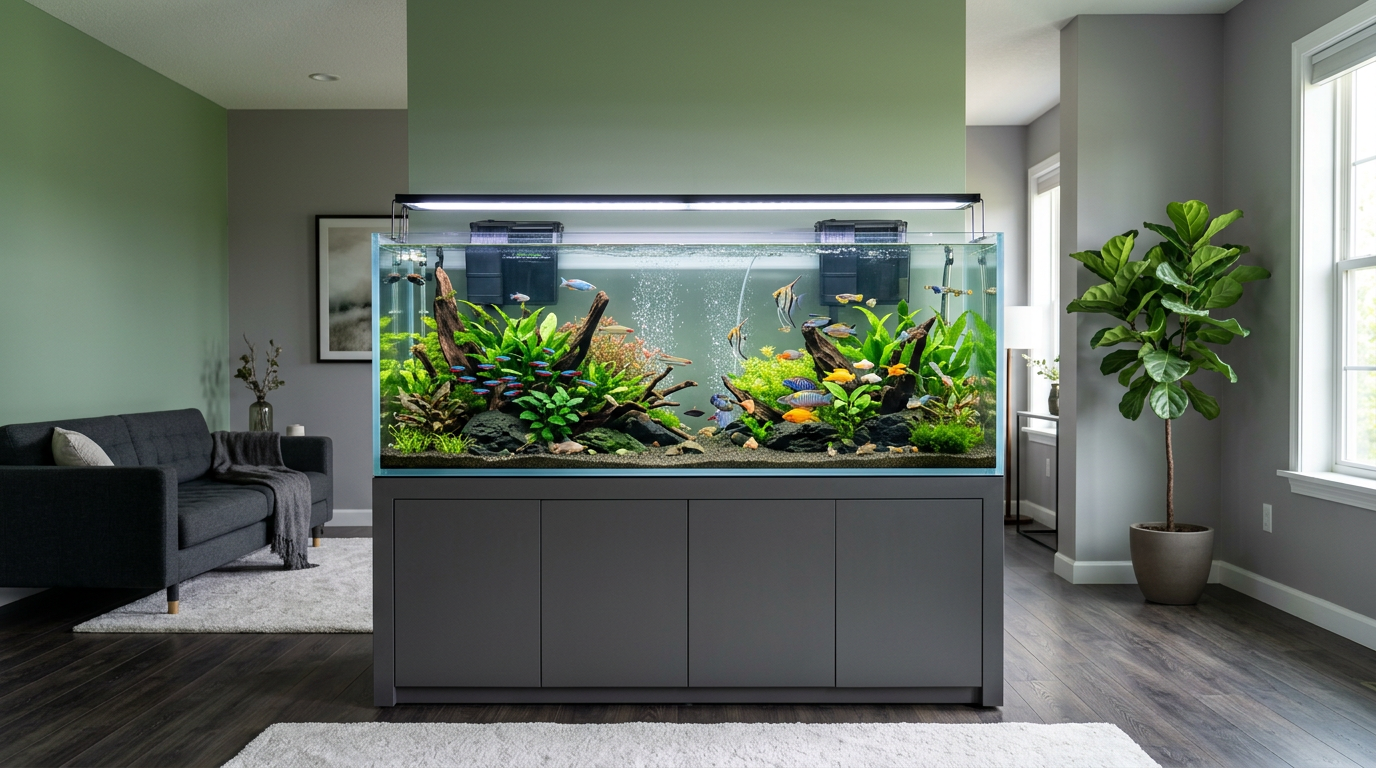
Sponge filters are simple and effective biological filtration options that work especially well for shrimp tanks, fry tanks, hospital tanks, and gentler community aquariums. Because their intake is soft and low risk, they are often chosen where fish or invertebrates could otherwise get pulled into stronger filtration systems. They are also inexpensive and easy to maintain.
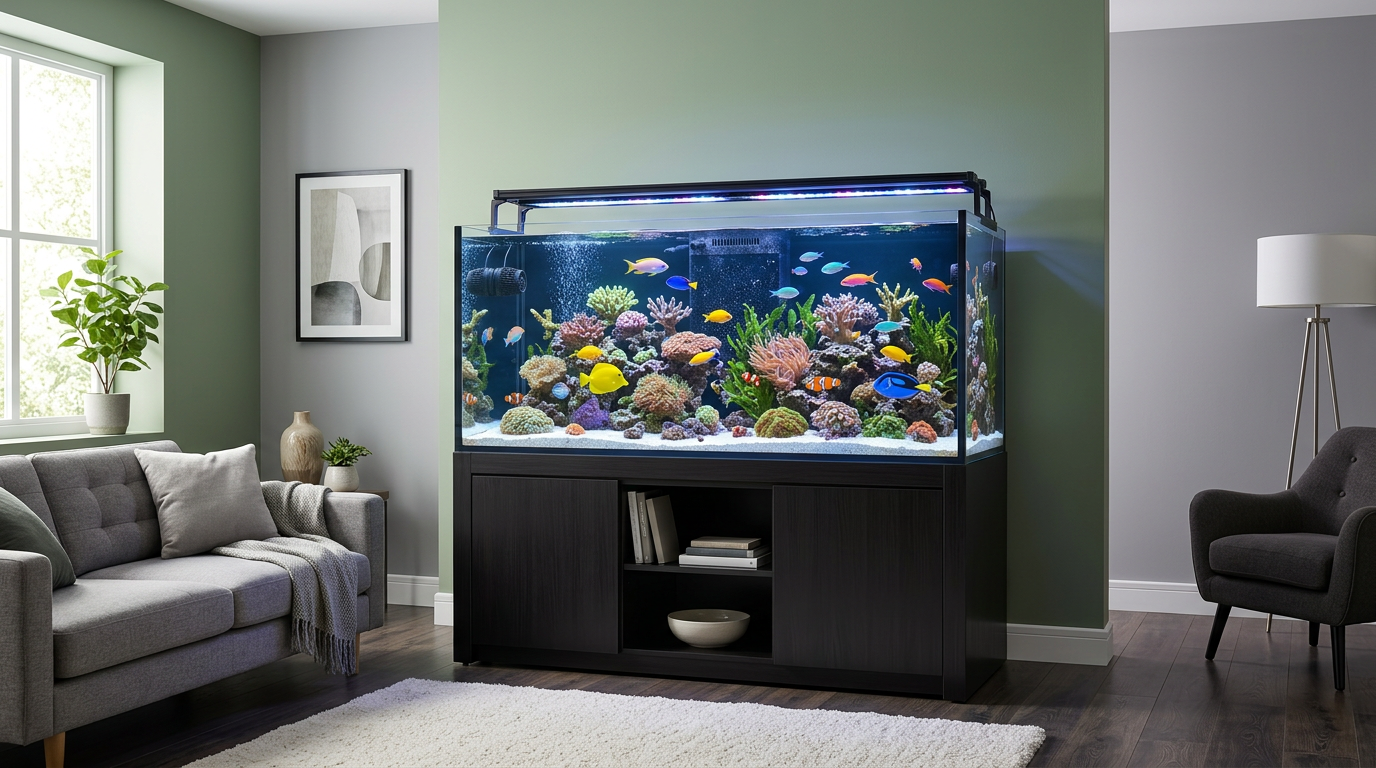
Canister filters are often chosen for larger aquariums because they offer more media capacity and stronger filtration than many smaller filter styles. They are especially useful when owners want more flexibility in mechanical, biological, and chemical media arrangement. Although they usually take more effort to clean, they can be very effective for bigger and heavier stocked tanks.
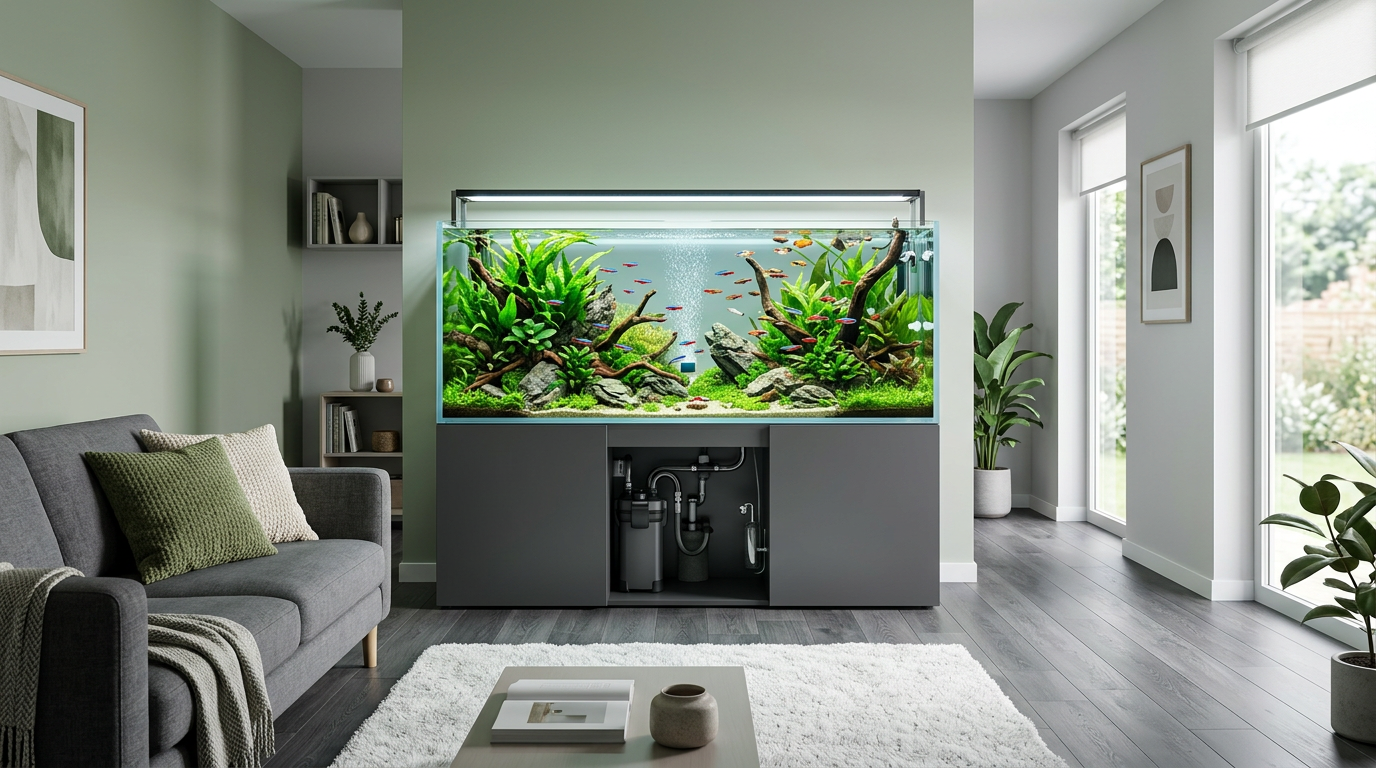
Internal filters sit inside the aquarium and can work well in smaller tanks, quarantine setups, or situations where a hang on back filter is not practical. They are compact and often easy to install, though they do take up room in the display. For some aquariums, especially smaller ones, they can be a simple and effective solution.
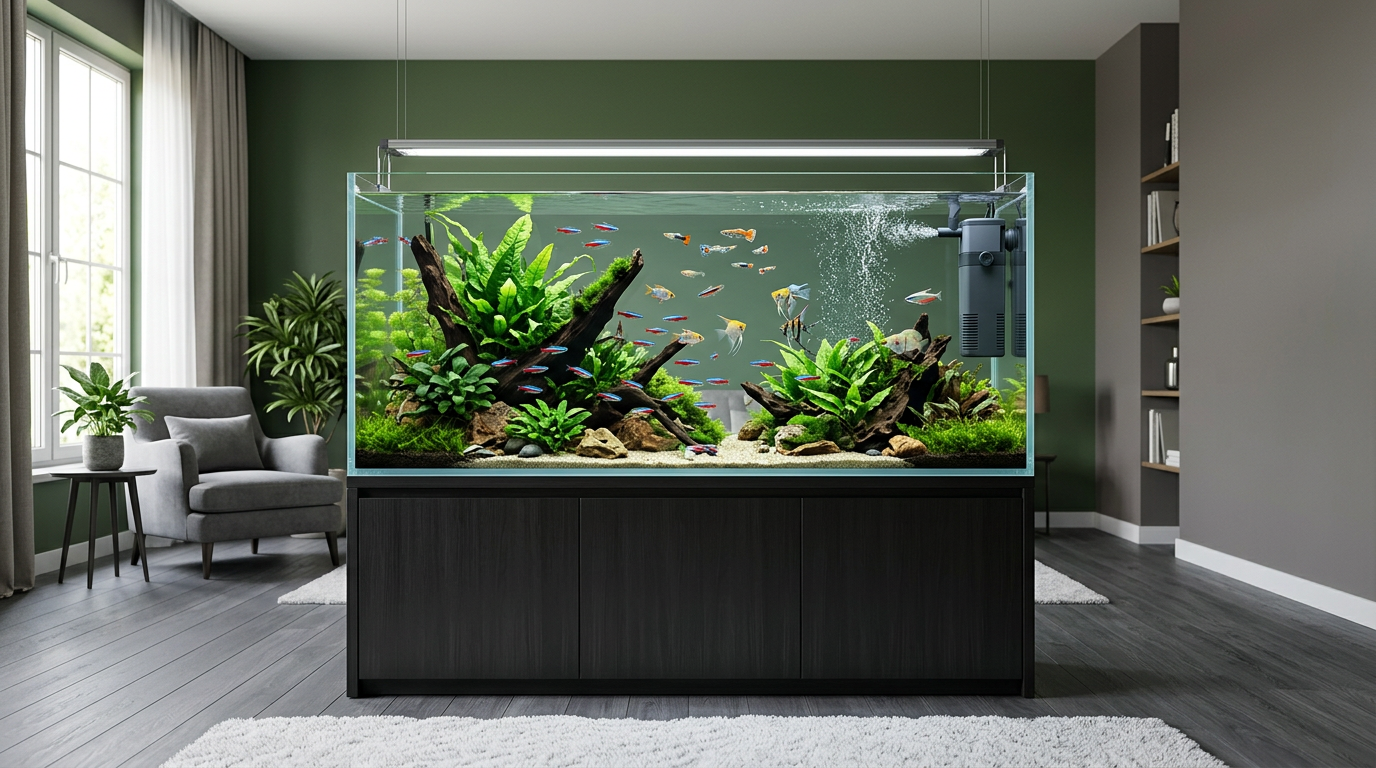
Power filters can refer to stronger motor-driven filtration options that provide solid water movement and particle capture. These may overlap with hang on back and internal styles, but the main point is stronger active filtration. They can be useful in tanks with messier fish, heavier feeding, or aquariums that need faster turnover and clearer water.
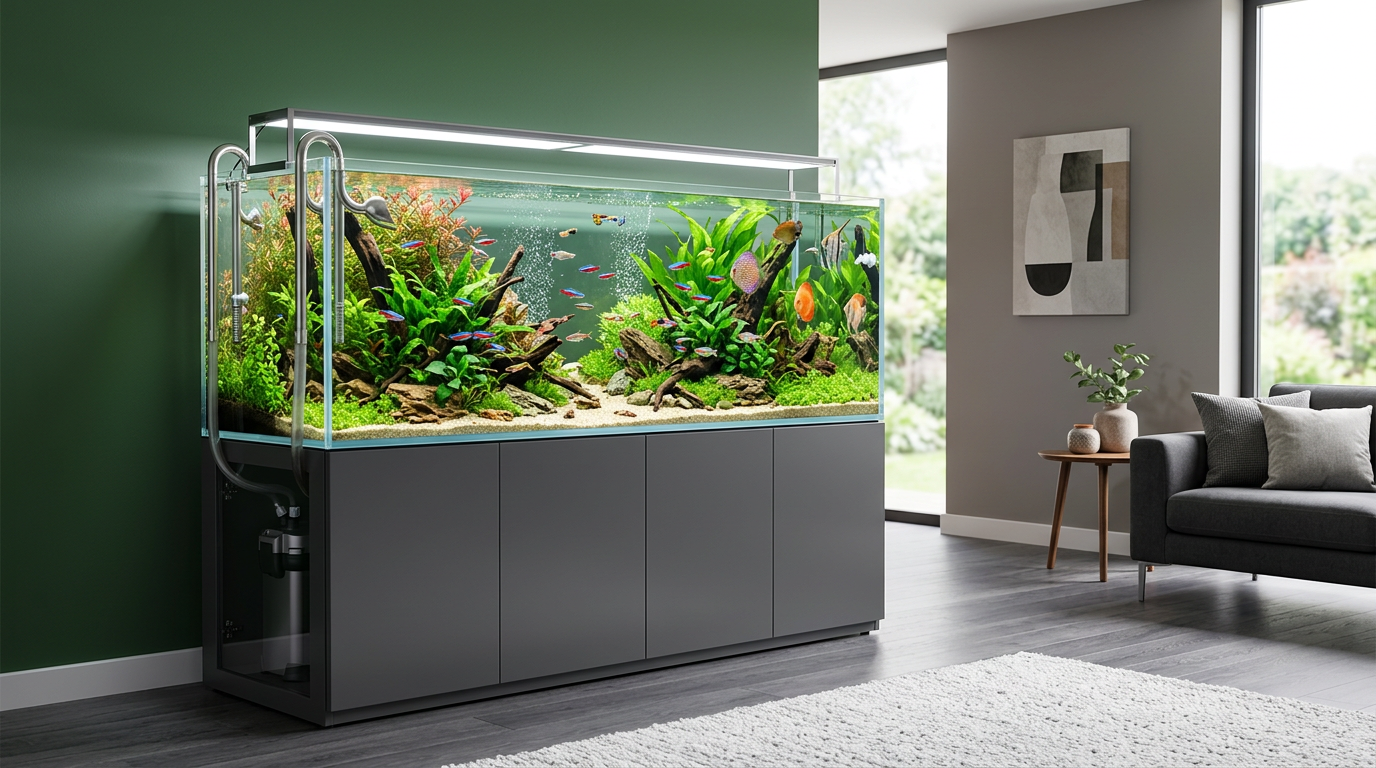
Nano tanks need careful filtration choices because too much flow can overwhelm the aquarium while too little can leave debris and unstable water quality. The best nano filters usually balance gentler movement with enough biological support to keep the tank healthier over time. Small tanks leave less room for mistakes, so filter choice matters even more.
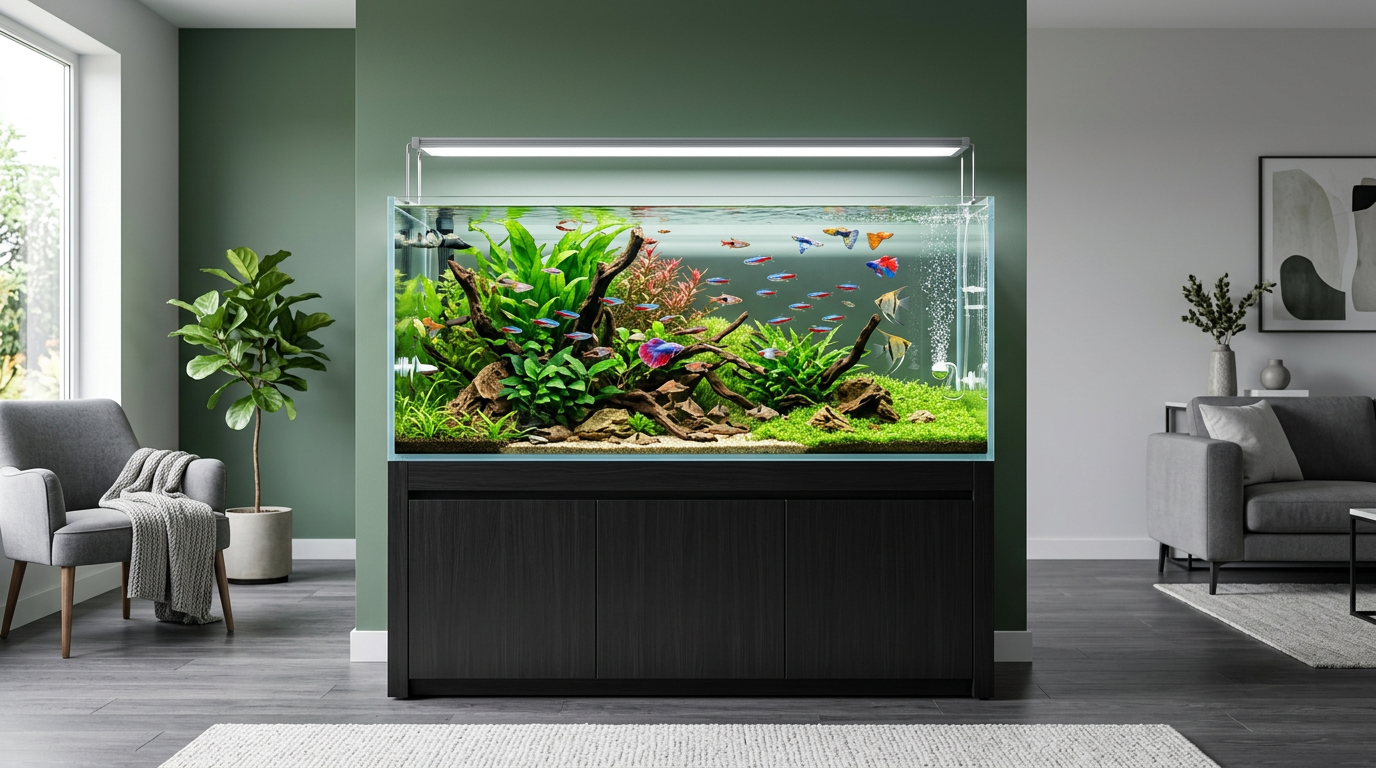
Bettas and other calmer fish often do better with gentler water movement. Strong current can stress fish that naturally prefer slower water. Low-flow filters or filters with adjustable output are often a better fit for these aquariums, especially when the tank is smaller or heavily planted.
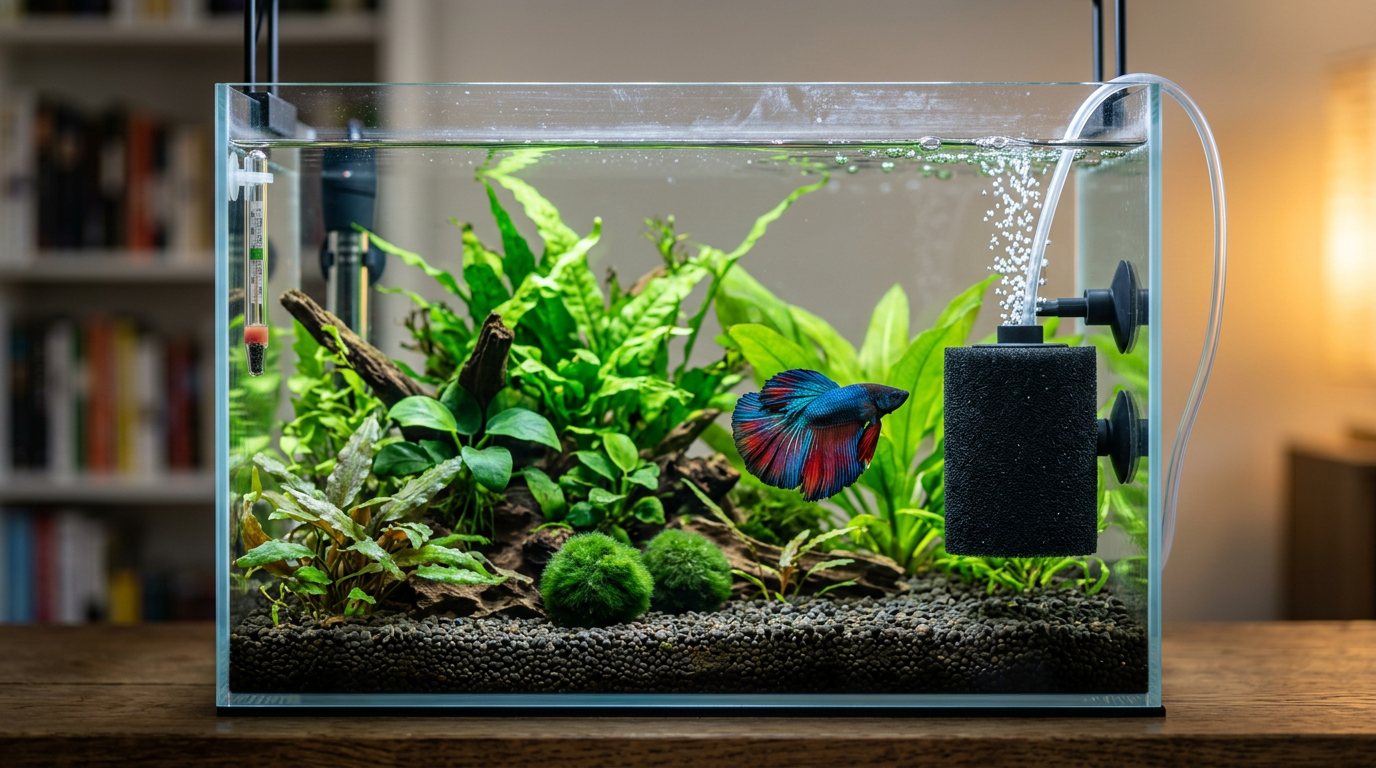
Shrimp and fry require filtration that will not pull them into an intake. Sponge filters are often the easiest solution, but intake guards and pre-filter sponges can also help make other filter styles safer. The goal is to support water quality without creating obvious risk.
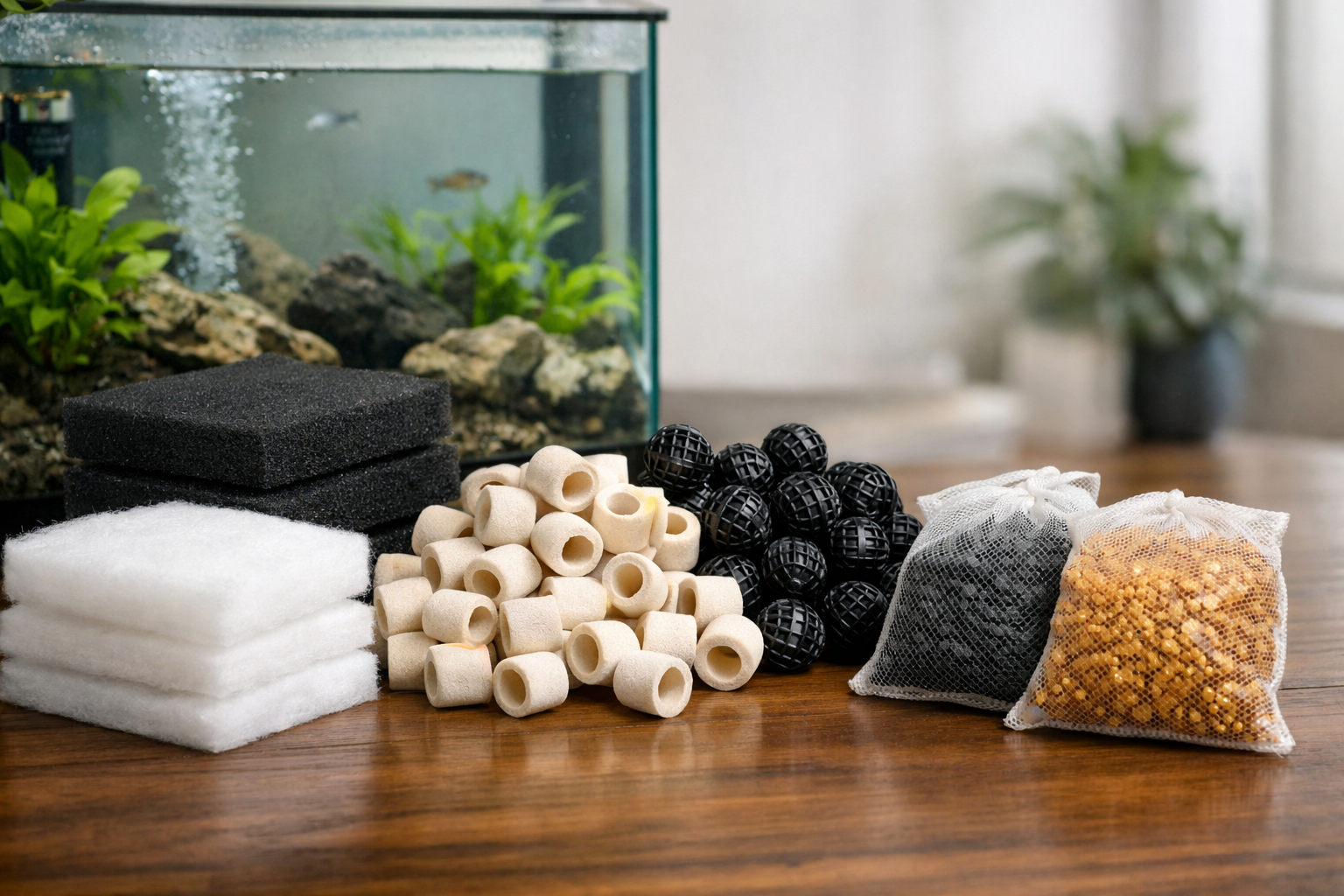
Filter media generally falls into three broad jobs: mechanical, biological, and chemical filtration. Mechanical media traps debris, biological media supports beneficial bacteria, and chemical media can help remove certain dissolved compounds. Not every aquarium needs every type all the time, but understanding the basics helps owners build a more practical filter setup.
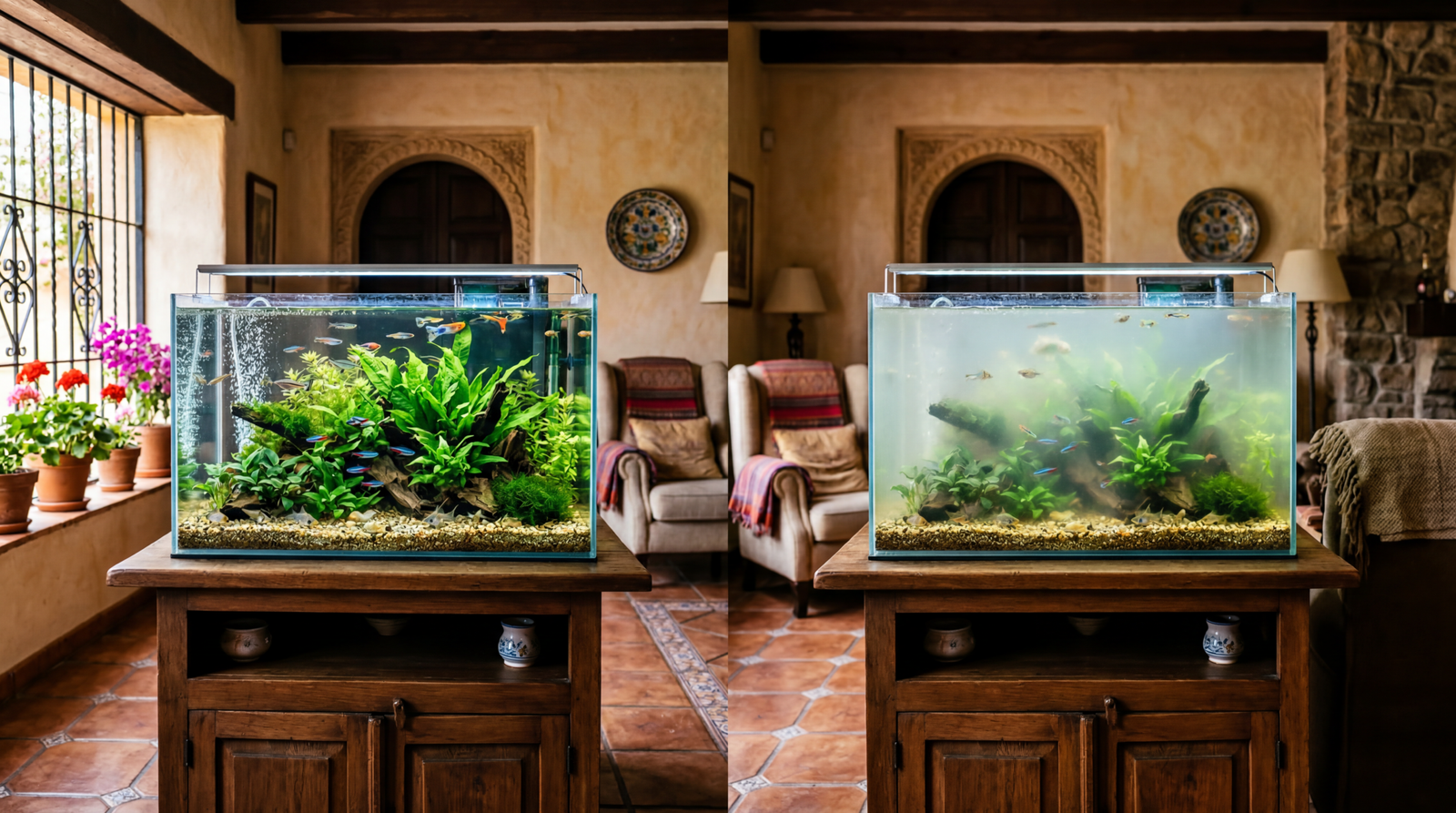
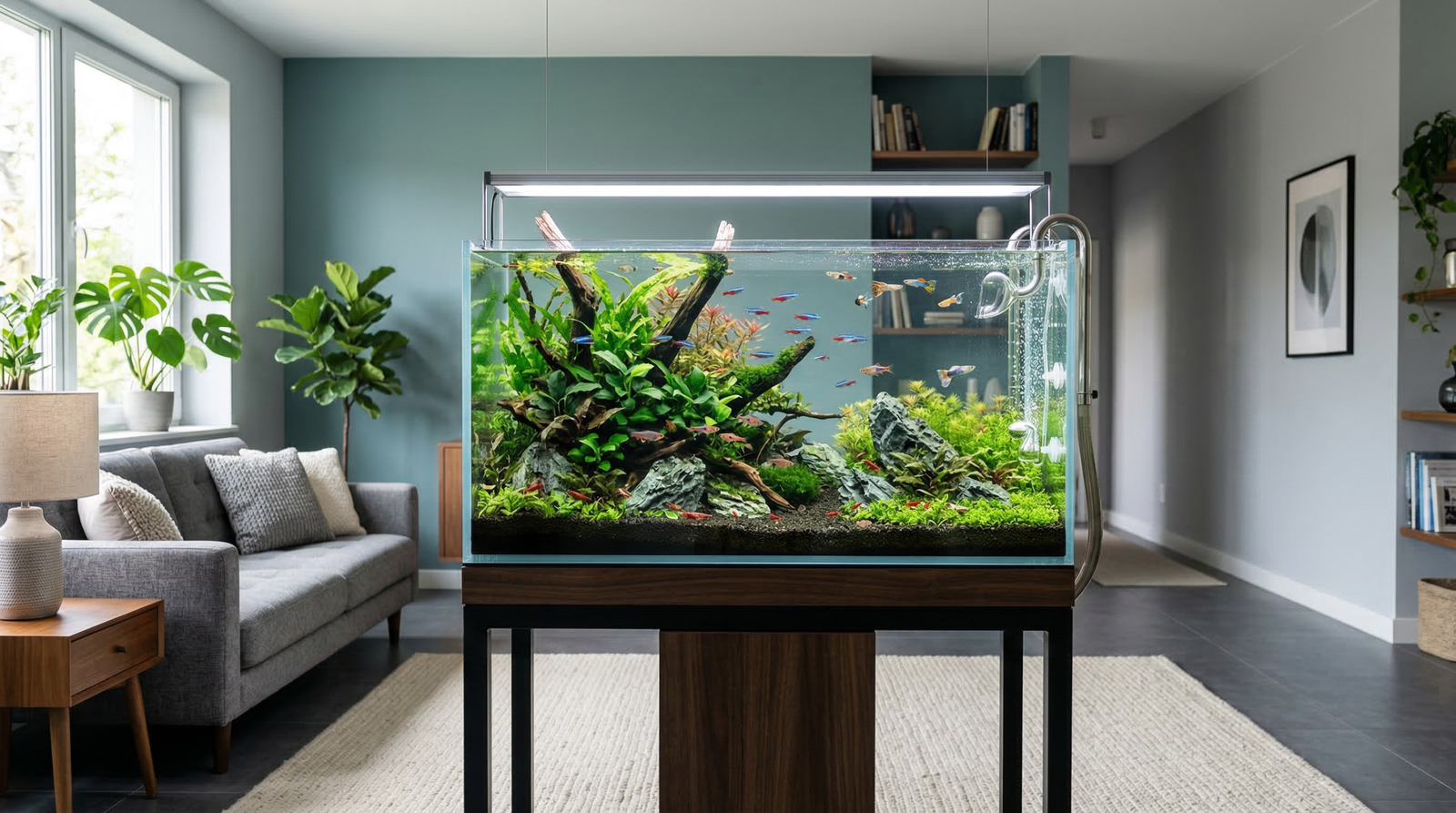
Cloudy water after cleaning is common and usually has a clear cause. Understanding what stirred up the cloudiness can help you fix the issue faster and avoid making it worse.
Always match the filter to the fish, tank size, and livestock sensitivity. A filter that is too strong can stress fish, uproot plants, or create too much movement in smaller aquariums.
Inspect intakes, impellers, and media regularly. Dirty or neglected filters often lose efficiency, and unprotected intakes can be risky for shrimp, fry, and weaker fish.
This aquarium fish filtration guide was created by Paws Fins and Shells to help beginner and everyday fishkeepers compare common aquarium filter types, understand safer filtration choices, and choose options that fit their tank size, fish load, and maintenance routine.
Product picks are organized by use case, including general community tanks, fry and shrimp tanks, larger aquariums, compact tanks, low-flow setups, and filter media needs. Always match filtration to the livestock in the tank and follow the filter manufacturer’s setup and maintenance instructions.
Learn more about the site on the About Paws Fins and Shells page.