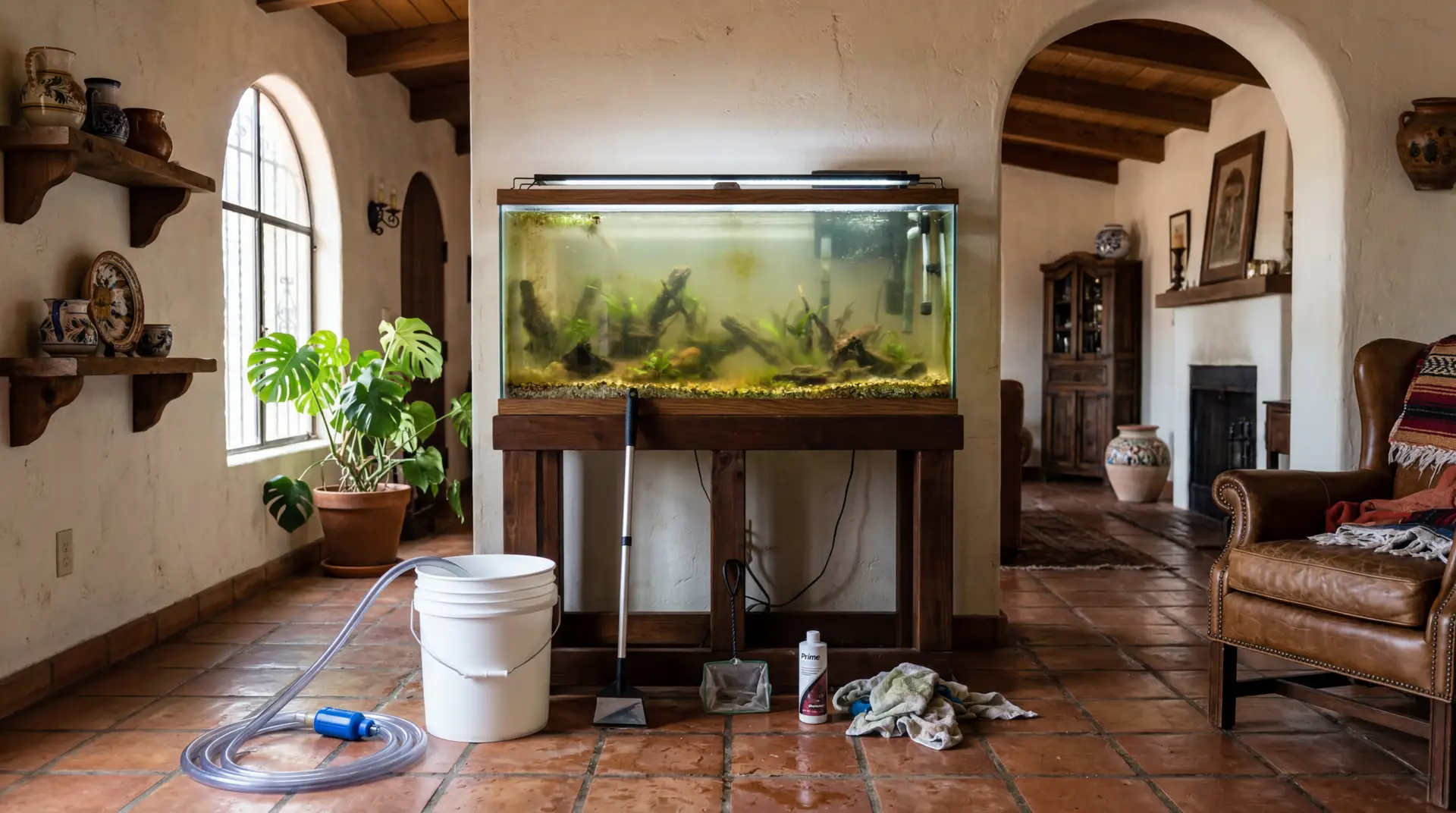
Fish Tank Setup Guide for Beginners
Setting up a fish tank is much easier when you start with a clear plan. Before adding fish, it helps to choose the right tank size, place the aquarium on a safe surface, set up the basic equipment, condition the water, and give the tank time to cycle. A little patience in the beginning can prevent cloudy water, stressed fish, unsafe water conditions, and frustrating beginner mistakes later.
If you are still choosing equipment, start with the
essential aquarium equipment section
and the
basic supplies checklist.
Affiliate Disclosure
As an Amazon Associate I earn from qualifying purchases. Some links on this page may be affiliate links, which means we may earn a small commission if you buy through those links — at no additional cost to you.
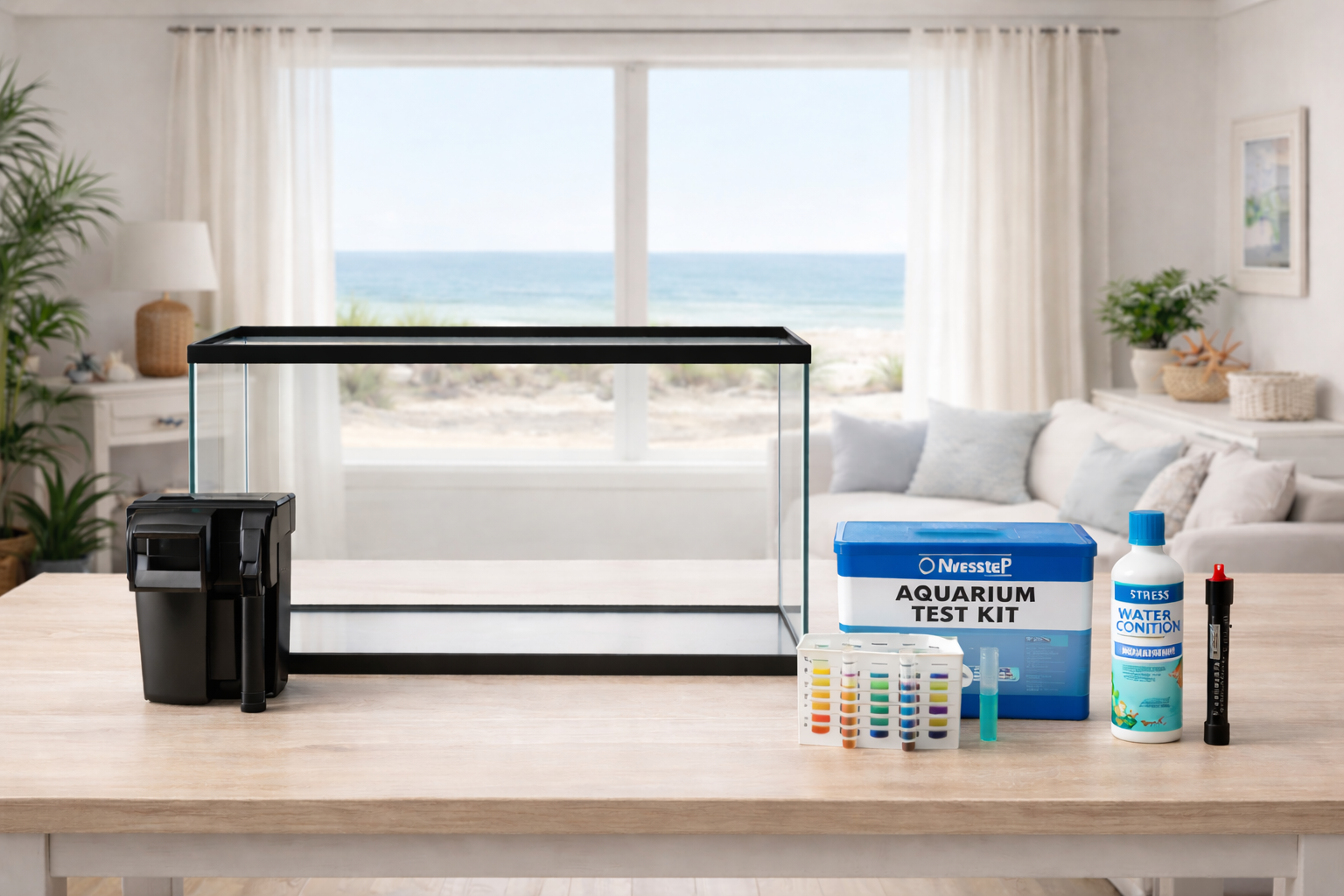
A beginner aquarium does not need every gadget on the shelf. Start with the essentials that keep the tank stable: a suitable aquarium, dependable filtration, a heater if your fish need warm water, water conditioner, and a test kit. These basics give you a better foundation before you start adding fish.
Quick Picks: Fish Tank Setup Basics
Fast tip: A slightly bigger tank is usually easier than a tiny one.
Small tanks go unstable faster and are less forgiving for beginners.
How to Set Up a Fish Tank the Right Way
Start by planning the tank before buying fish. Think about where the aquarium will sit, how much weight the stand can safely hold, what type of fish you want, and what equipment those fish need. Once the tank is filled, conditioned, heated if needed, filtered, and cycled, you can begin adding fish slowly. This slower approach is what helps the aquarium become a stable home instead of a rushed setup that needs constant fixing.
What Actually Matters in a Setup
A successful fish tank does not have to be the most expensive setup. What matters most is stability. The tank should be large enough for the fish you plan to keep, the filter should match the tank and fish load, the water should be treated before use, and the aquarium should be cycled before fish are added. When these basics are handled well, the tank is easier to maintain and safer for the fish.
Tank Size
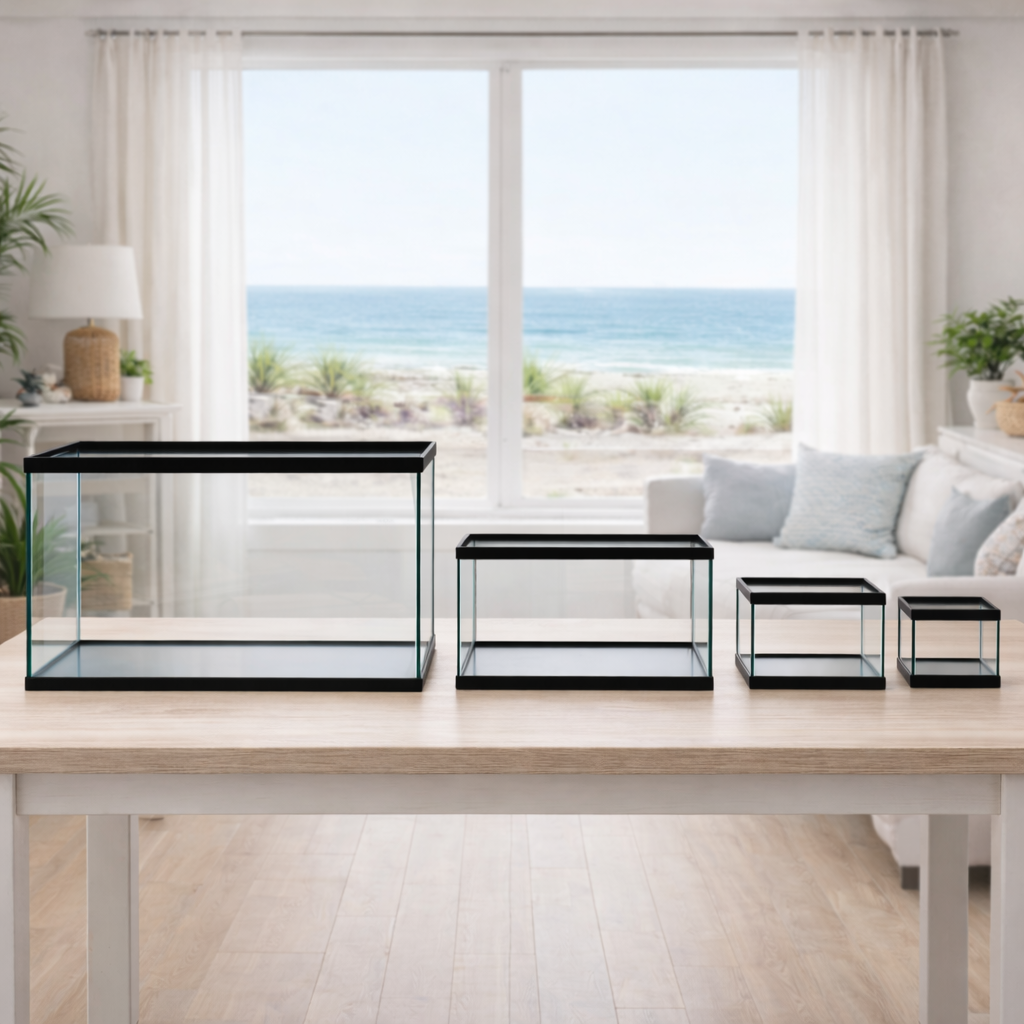
Bigger is usually easier. Very small tanks are less forgiving because water conditions can change quickly.
Filtration
Use a filter that fits the tank size and fish load. Weak filtration becomes a problem fast, especially after feeding or adding more fish.
Cycling
Never skip the nitrogen cycle. Cycling helps build the beneficial bacteria that process fish waste and make the tank safer before livestock is added.
Browse Fish Tank Setup Basics
Jump to the part you need most.

Choose the Tank
Pick a tank size and location that make sense.
Essential Equipment
The gear you actually need.
Cycle the Tank
The part beginners try to skip.
Add Fish Properly
Go slow and avoid overstocking.
Simple Maintenance
Keep it stable without overdoing it.
Beginner Mistakes
The problems to avoid early.
Choose the Tank
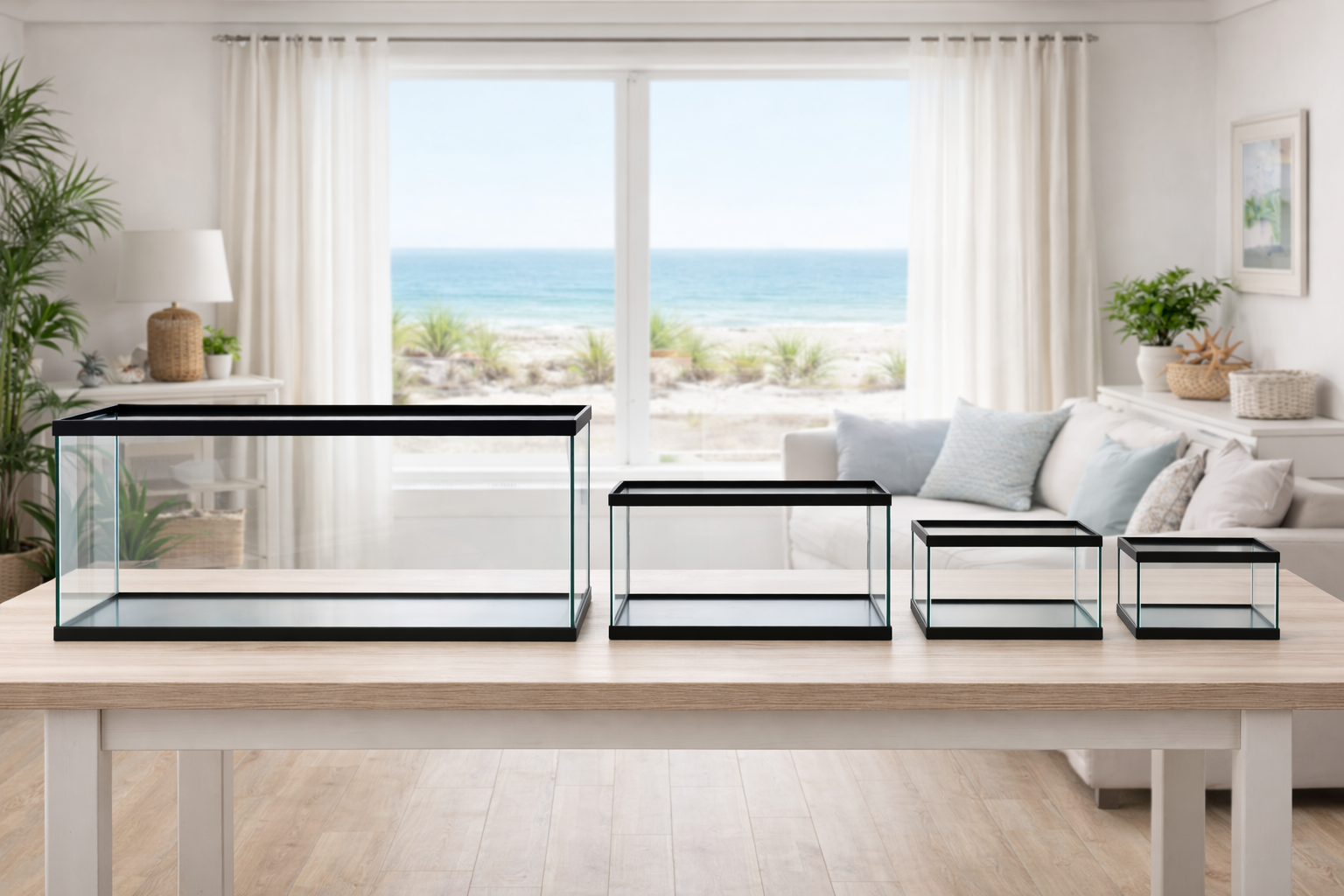
Start with a tank size that fits your space, budget, and fish plans. Tiny tanks look simple, but they go wrong faster because there is less water volume to absorb changes.
Tank Size
- Pick a size you can maintain
- Bigger is usually more stable
- Avoid going too tiny if you are new
Tank Location
- Use a level sturdy surface
- Keep away from direct sun
- Make sure outlets are nearby
Fish Plan
- Know what fish you want first
- Match tank to adult fish size
- Do not buy fish blindly
Essential Equipment
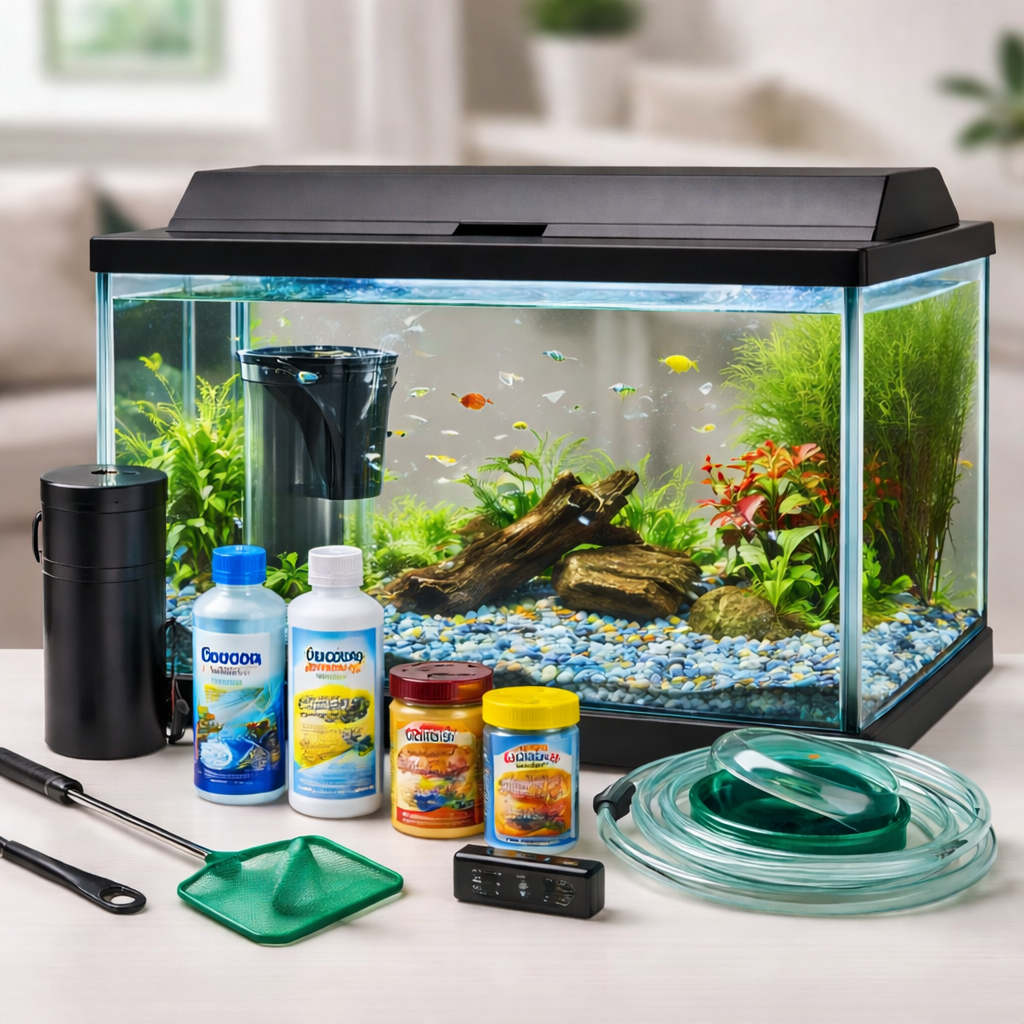
You do not need every aquarium gadget. You do need the right basics: tank, filter, heater if required, water conditioner, thermometer, and a test kit.
Filter
- Keeps water moving
- Holds beneficial bacteria
- Should fit the tank size
Heater
- Needed for tropical fish
- Helps keep temp stable
- Check species before buying
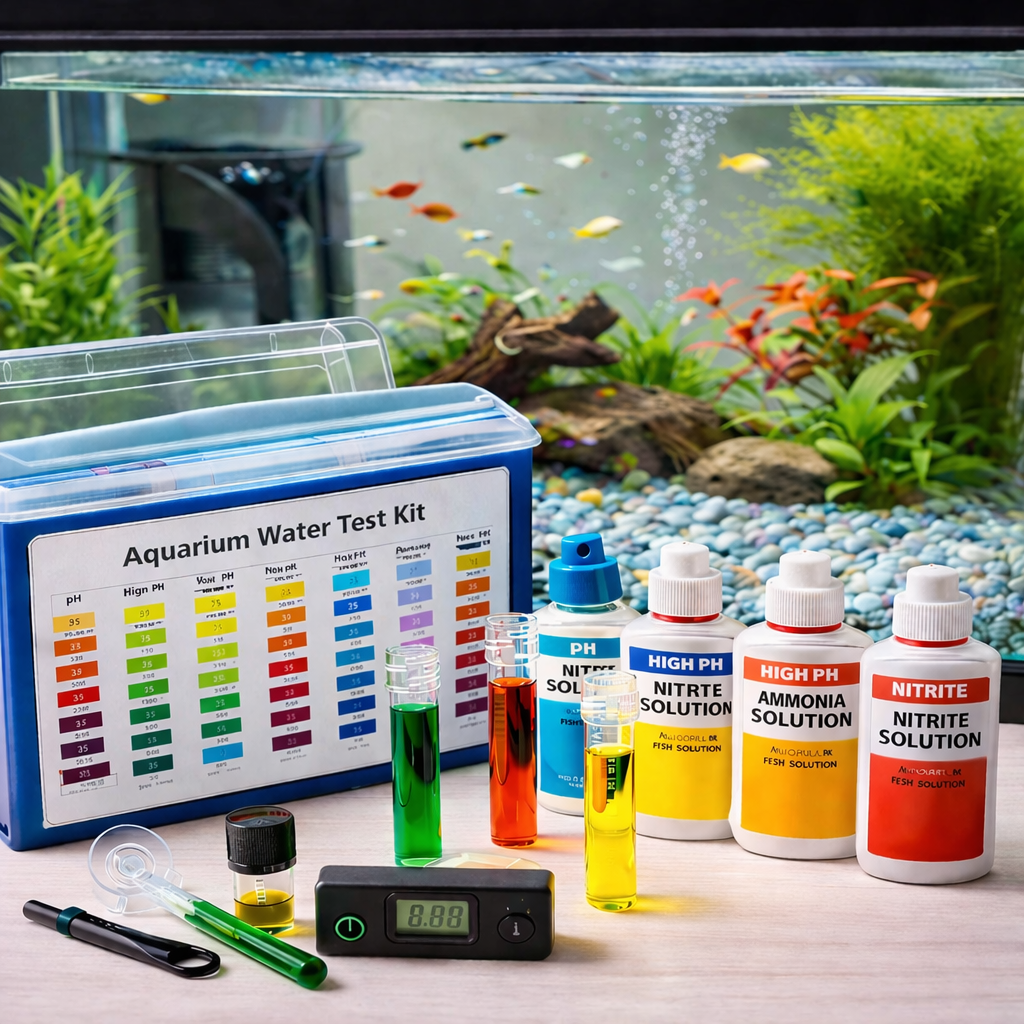
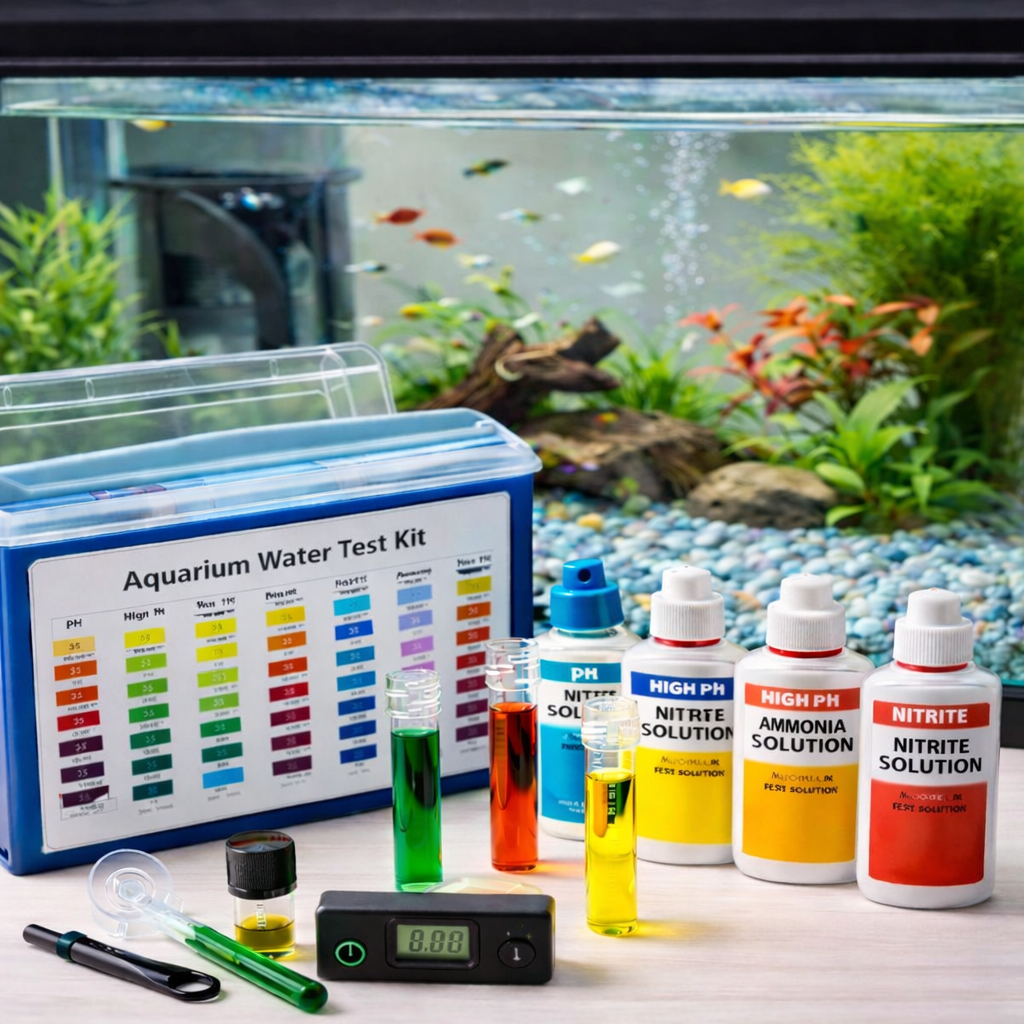
Test Kit
- Checks ammonia, nitrite, nitrate
- Helps track cycle progress
- One of the most useful tools
Cycle the Tank
Cycling is what builds the beneficial bacteria that help process fish waste. In a new tank, ammonia and nitrite can rise before the tank is ready, so testing matters more than guessing from water clarity.
Be Patient
- Do not add fish immediately
- Let the tank establish bacteria
- Rushing causes problems
Test the Water
- Track ammonia and nitrite
- Watch for stable results
- Do not guess by water clarity
Add Fish Last
- Wait until the tank is ready
- Add livestock slowly
- Do not fully stock at once
Add Fish Properly
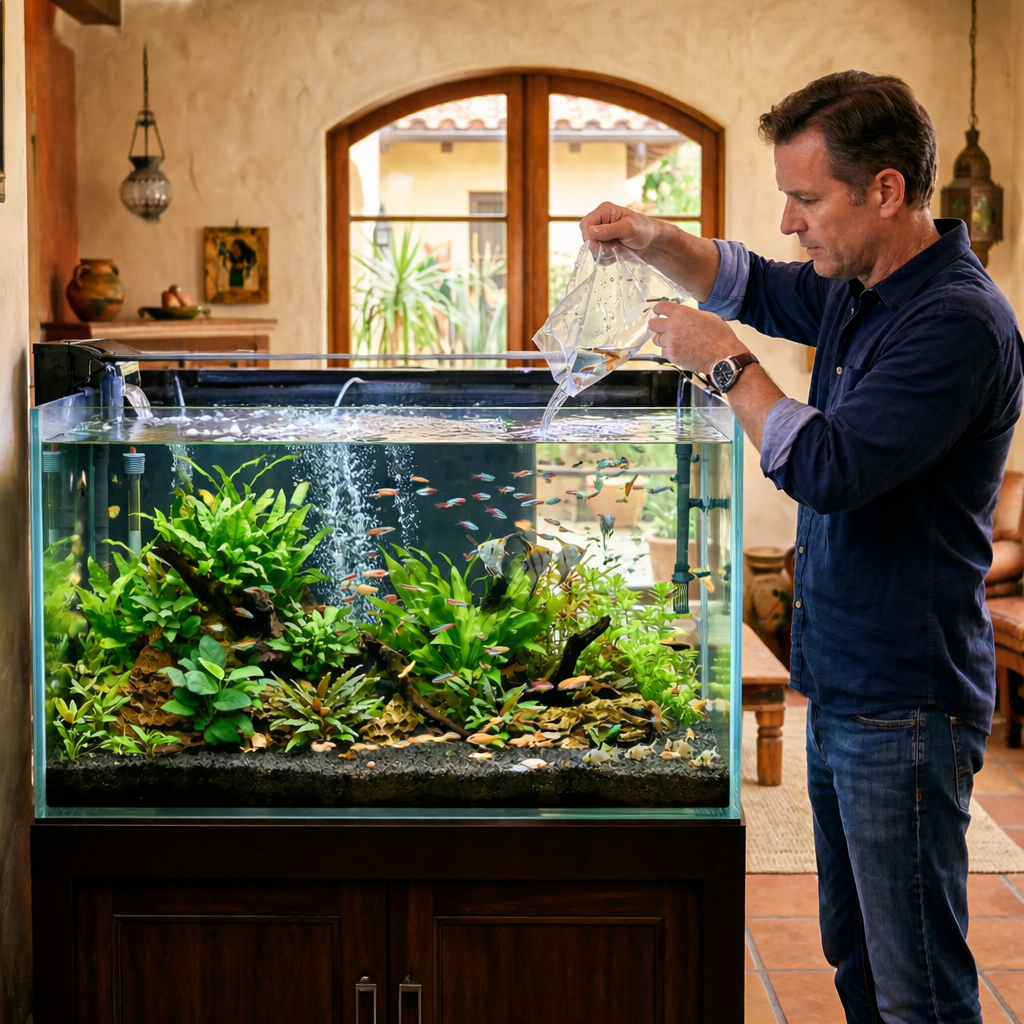
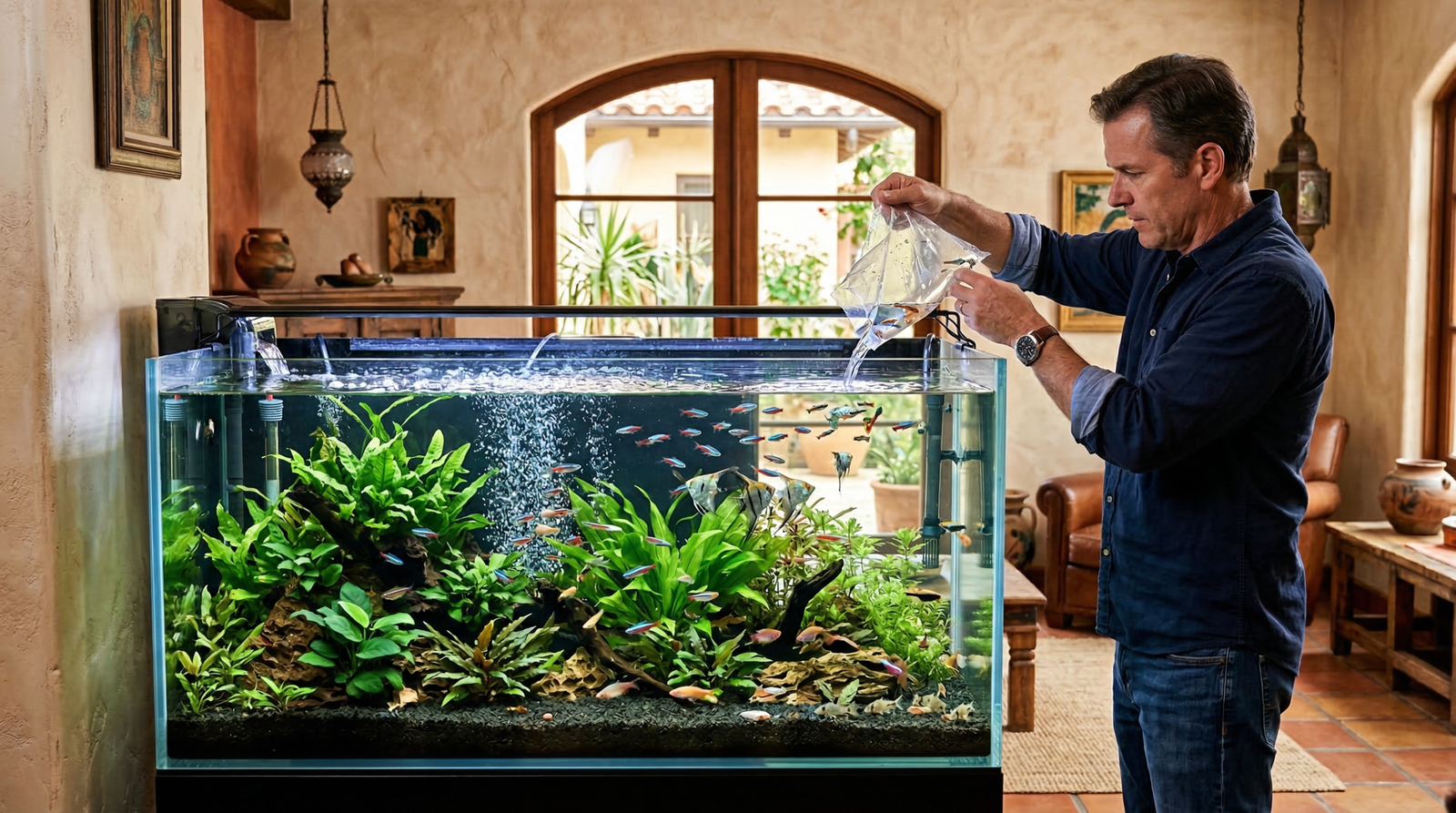
Once the tank is cycled, add fish slowly instead of filling the tank all at once. The filter bacteria need time to adjust to the extra waste each new fish adds.
Go Slow
- Add a few fish at a time
- Give the tank time to adjust
- Watch water quality after additions
Match Species
- Choose compatible fish
- Check temperature needs
- Check adult size and behavior
Do Not Overstock
- Leave room for growth
- More fish means more waste
- Do not chase a crowded look
Simple Maintenance
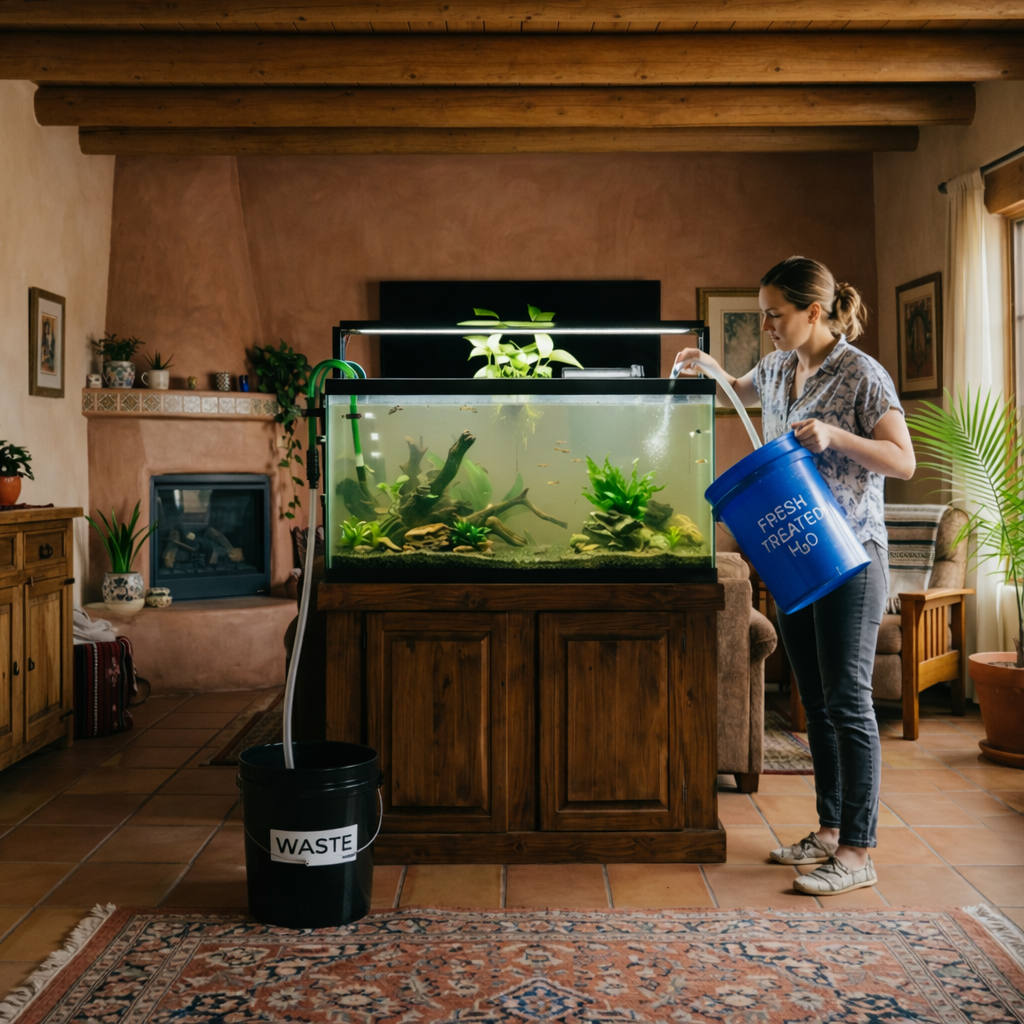
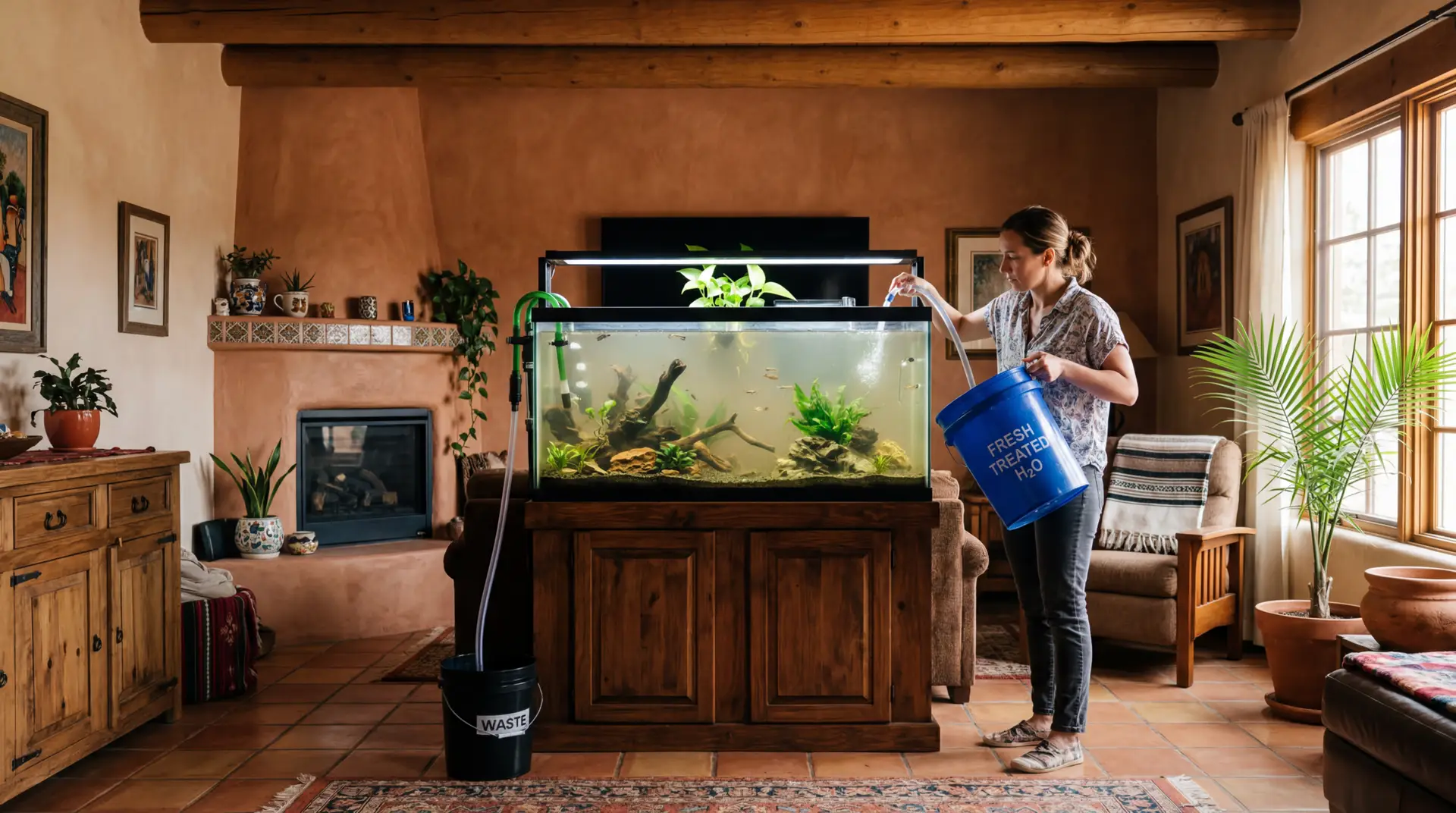
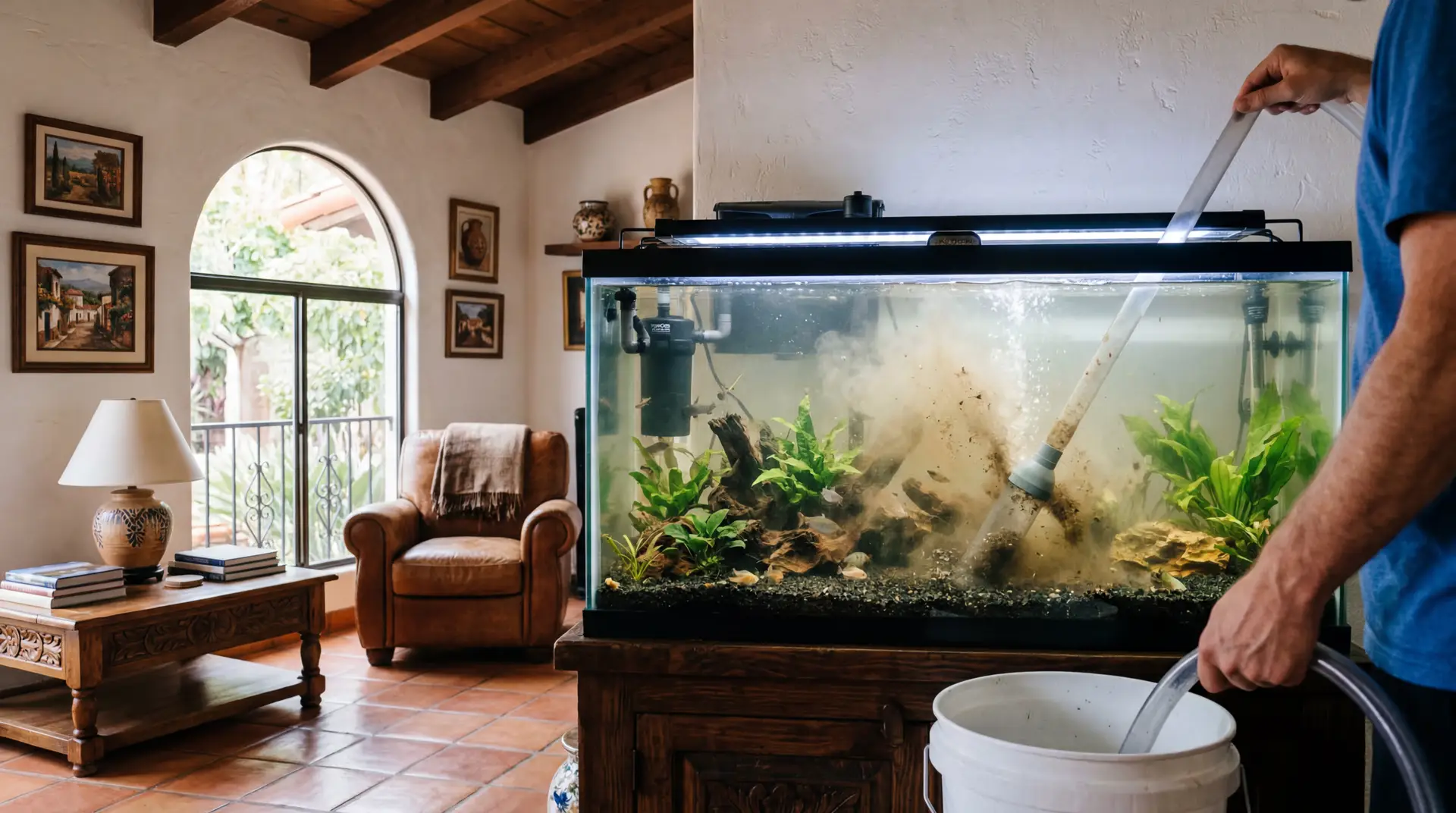
Good maintenance is regular and simple. Water changes, light gravel cleaning, basic testing, and keeping the filter running properly do most of the work.
Water Changes
- Do them consistently
- Use treated water
- Do not neglect the basics
Filter Care
- Keep water flowing properly
- Do not clean all media at once
- Keep maintenance practical
Observe the Tank
- Watch fish behavior
- Check for cloudiness or stress
- Fix problems early
Beginner Mistakes to Avoid
Most early fish tank problems come from doing too much too fast. Slow setup, steady testing, and careful stocking make the aquarium much easier to manage.
Adding Fish Too Soon
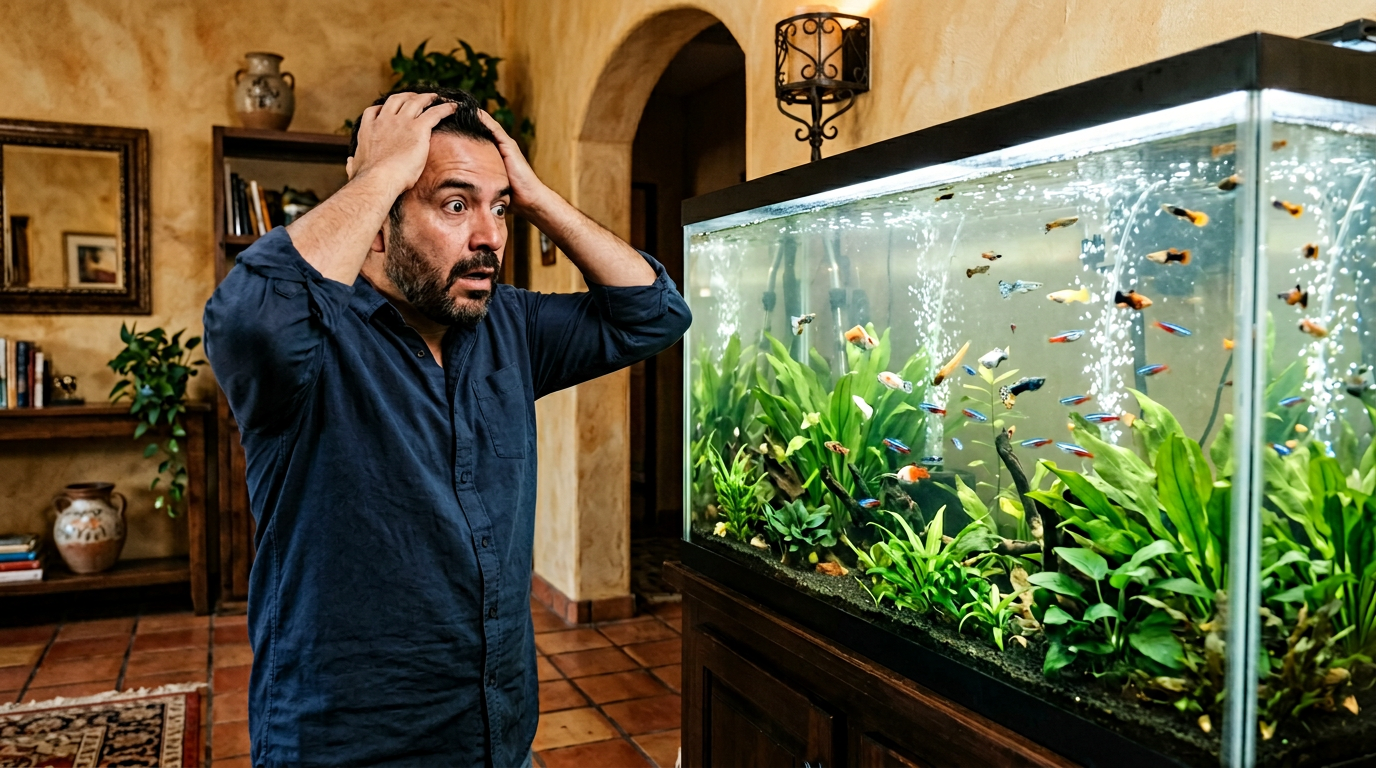
This is one of the biggest beginner mistakes because a new tank may not be ready to handle fish waste yet.
Choosing Too Small a Tank
Tiny aquariums are often harder, not easier, because water conditions can change quickly.
Ignoring Water Testing
Clear water does not always mean safe water, so testing is one of the best beginner habits.
Quick Setup Checklist
- Choose the tank size and location first
- Add substrate, decor, filter, and heater if needed
- Fill with water and use conditioner
- Turn on equipment and check temperature
- Cycle the tank before adding fish
- Test water instead of guessing
- Add fish slowly, not all at once
Basic Supplies for a New Fish Tank
Before bringing fish home, make sure the setup has the everyday supplies needed to keep the aquarium stable. These are the basics most beginner freshwater tanks should be planned around.
- Aquarium tank and sturdy level stand
- Filter matched to the tank size and fish load
- Heater and thermometer for tropical fish setups
- Water conditioner for tap water
- Water test kit for ammonia, nitrite, nitrate, and pH
- Substrate, decor, and hiding places that are safe for aquarium use
- Fish food that matches the fish species and feeding level
- Gravel vacuum or siphon for water changes
Helpful Fish Tank Setup Sections

Keep the Tank Cleaner After Setup
New aquariums are easier to manage when you keep the setup simple, avoid overstocking, test the water, and stay consistent with basic maintenance.
Setup Warnings (Read This)
- Do not rush the cycle: Fish should not go into an unstable tank.
- Do not overstock: More fish means more waste and more problems.
- Do not trust clear water alone: Test the water instead of guessing.
- Do not buy random equipment: Match it to the tank size and fish needs.
- Do not place the tank carelessly: Use a strong level surface away from direct sun.
Related Aquarium Fish Setup Help
About This Fish Tank Setup Guide
This guide was created by Paws Fins and Shells to help beginner aquarium owners plan a cleaner, safer, and easier freshwater fish tank setup. The goal is to keep the advice practical: choose the right tank size, use dependable equipment, cycle the aquarium, test the water, and add fish slowly.

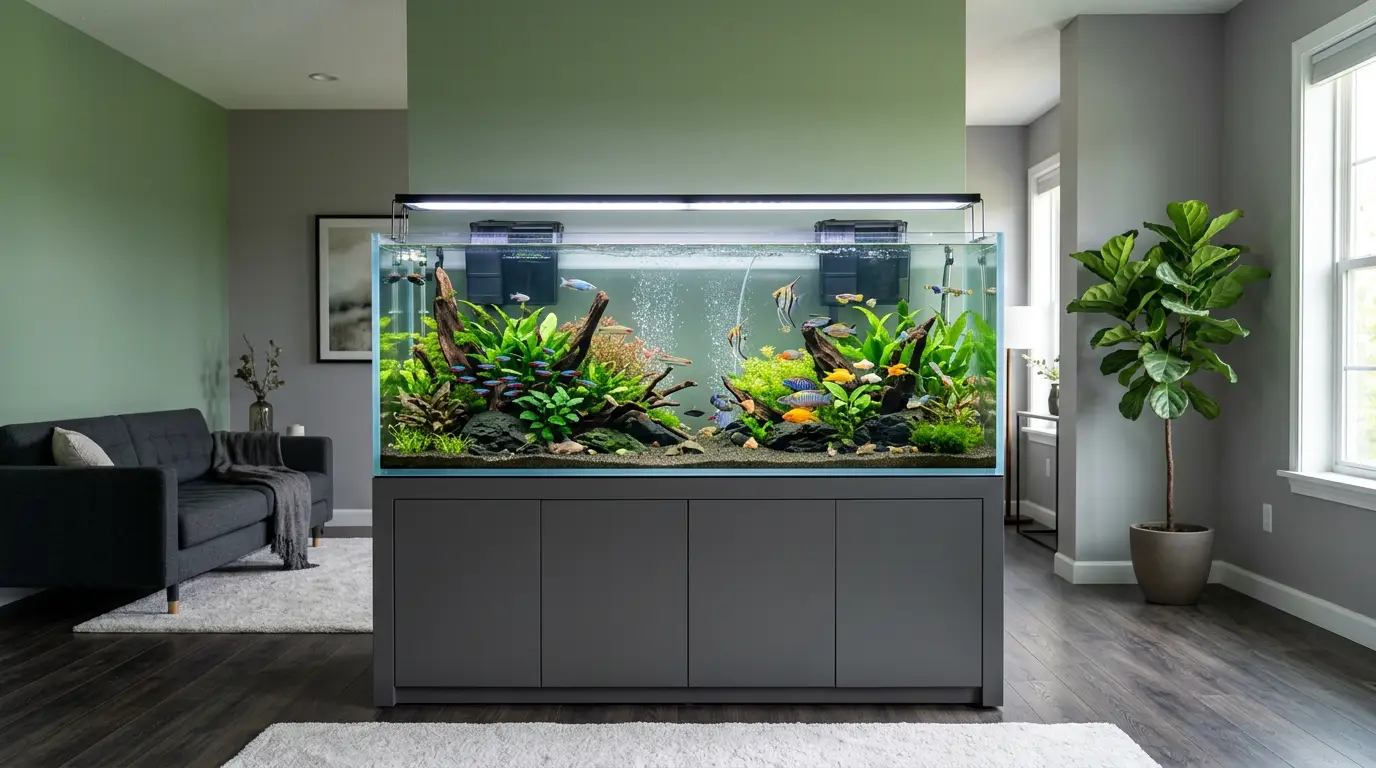
 Best First Step
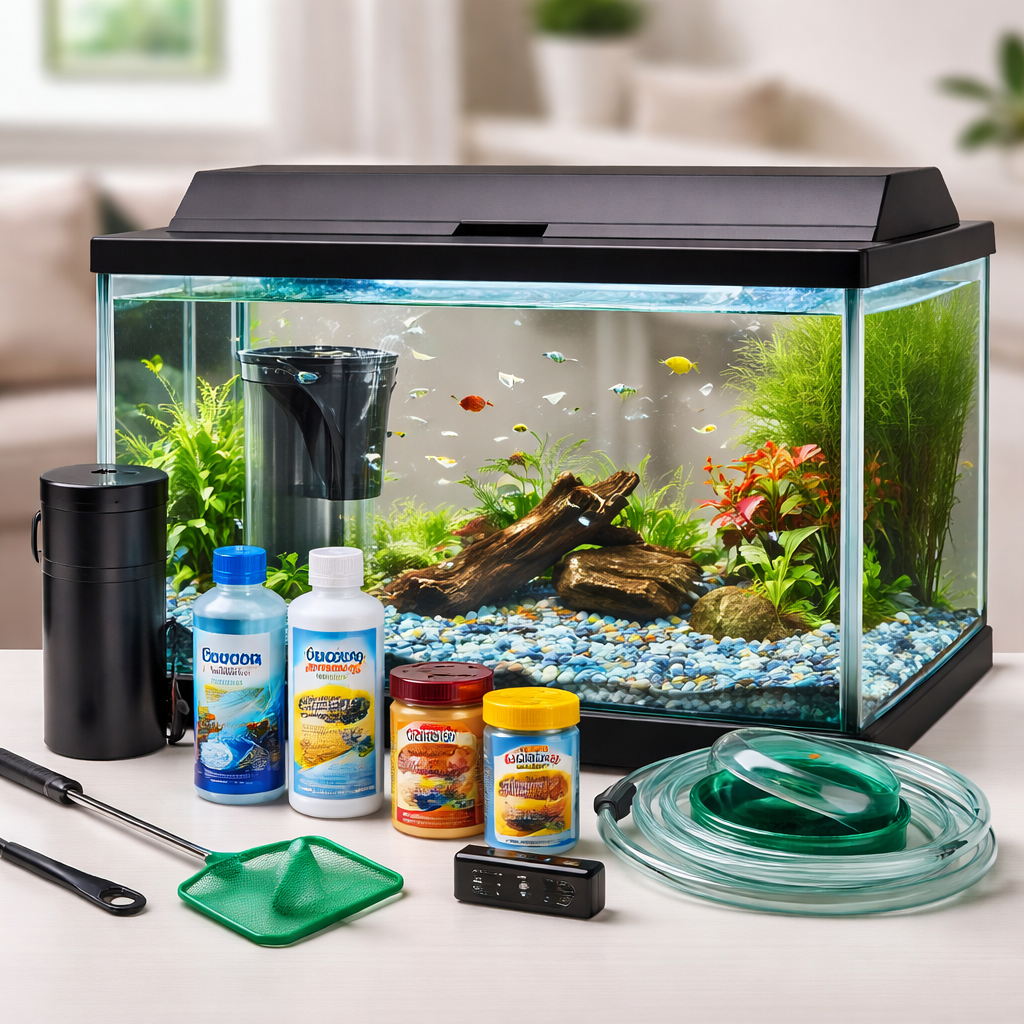
 Most Important Add-On
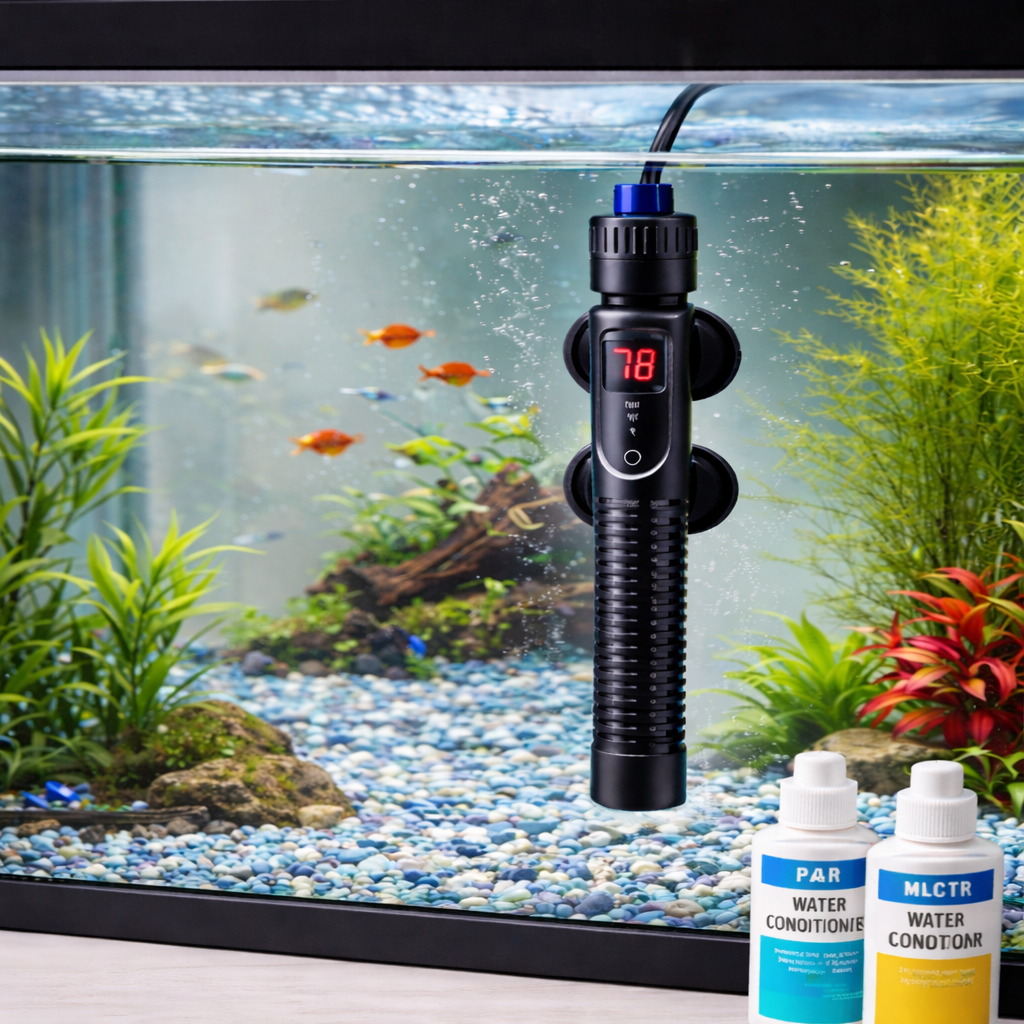
 Best Safety Tool