Menu
Dog toys are more than entertainment. The right toy can help with chewing, boredom, training, exercise, and mental stimulation. This guide breaks down the main types of dog toys so you can match the toy to your dog’s size, chewing strength, and play style.
If your dog destroys toys quickly, you may want to read our guide to best dog toys for aggressive chewers.
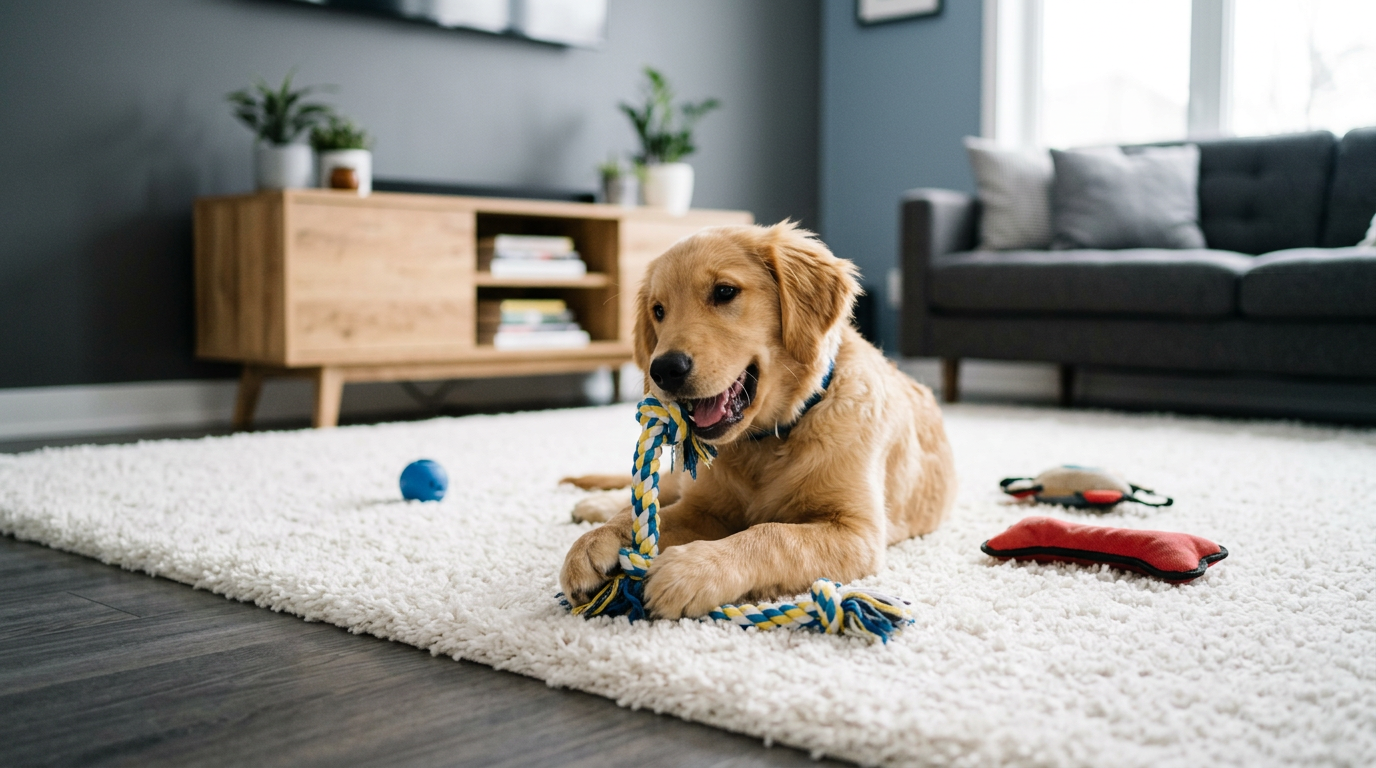
Start here if you want a quick toy match by play style: durable rubber for chewing, puzzle toys for enrichment, rope toys for tug, and balls for fetch.
Fast tip: Match the toy to the “job.” Chewers need durable rubber or nylon, tuggers need safe handles and flexible materials, puzzle dogs need adjustable difficulty, and fetch fanatics need the right size and bounce.
Choosing the right dog toy starts with your dog’s size, chewing strength, and favorite way to play. Some dogs need tough chew toys, while others do better with puzzle toys, tug toys, soft plush toys, or fetch toys that help burn energy safely.
Not all dog toys are made for the same type of dog. A toy that works well for a gentle puppy may not be the right choice for a strong adult chewer, and a toy made for tug may not give a puzzle-loving dog enough mental stimulation.
We organize dog toys by material type, play purpose, safety considerations, owner usability, and how each toy fits common play styles such as chewing, tugging, chasing, foraging, or calm enrichment.
The goal is to help dog owners compare toy categories more clearly, choose safer sizes, and avoid buying toys that do not match their dog’s chewing strength or energy level.
Size
Choose toys large enough that your dog cannot swallow them. Toys that are too small can become choking hazards.
Chewing Strength
Dogs that chew aggressively should use durable rubber or nylon toys that are designed for heavy chewing.
Play Style
Some dogs love chasing balls or flying discs, while others prefer tug toys or puzzle toys that provide mental stimulation.
Tap a button to jump to that toy type. Each section includes quick picks and what to look for.
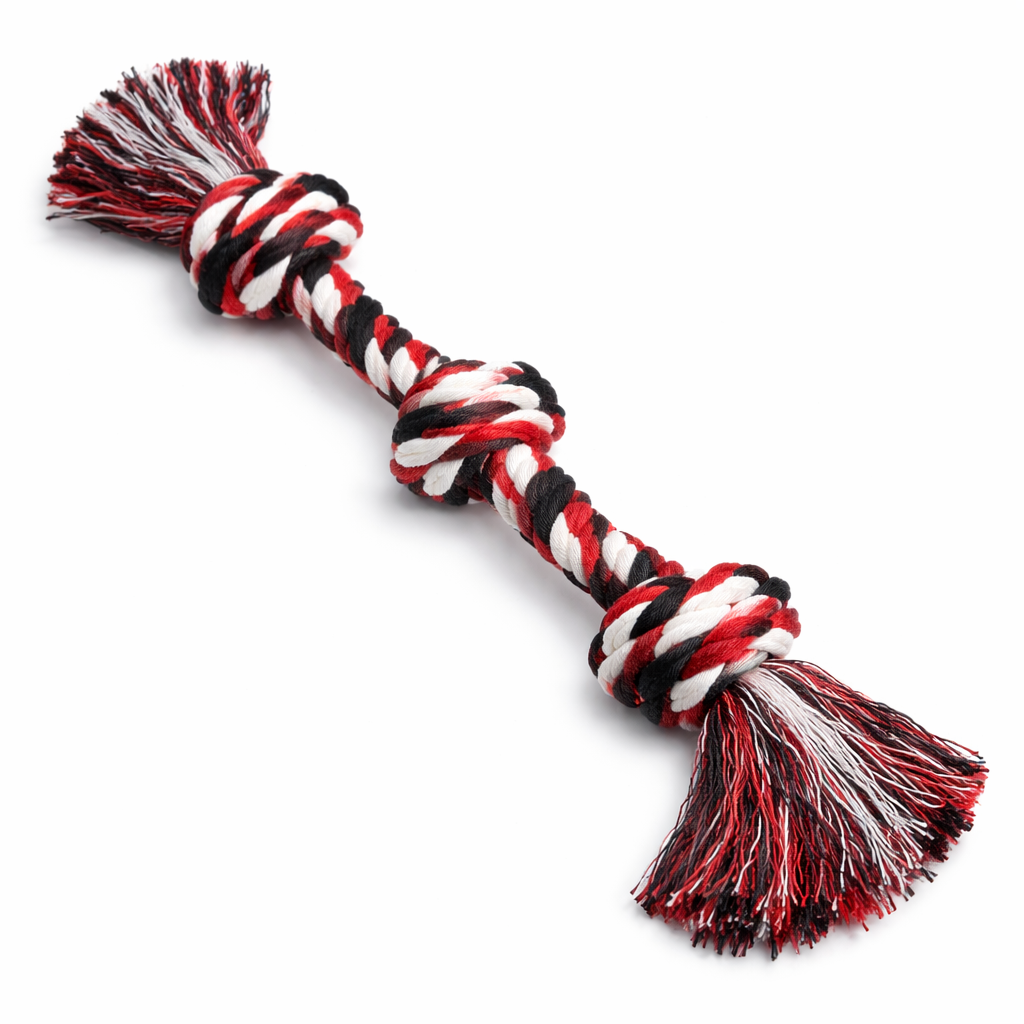
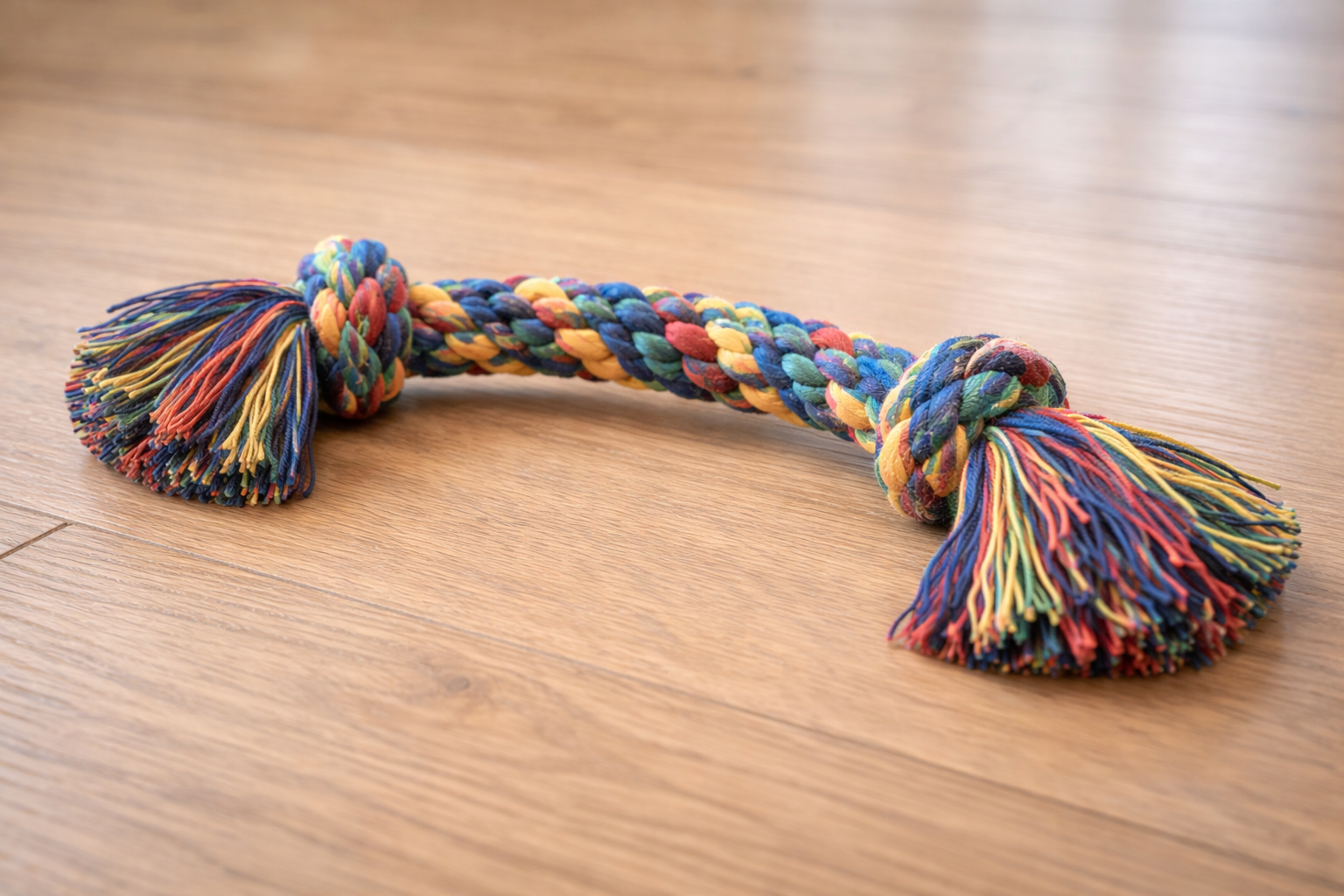
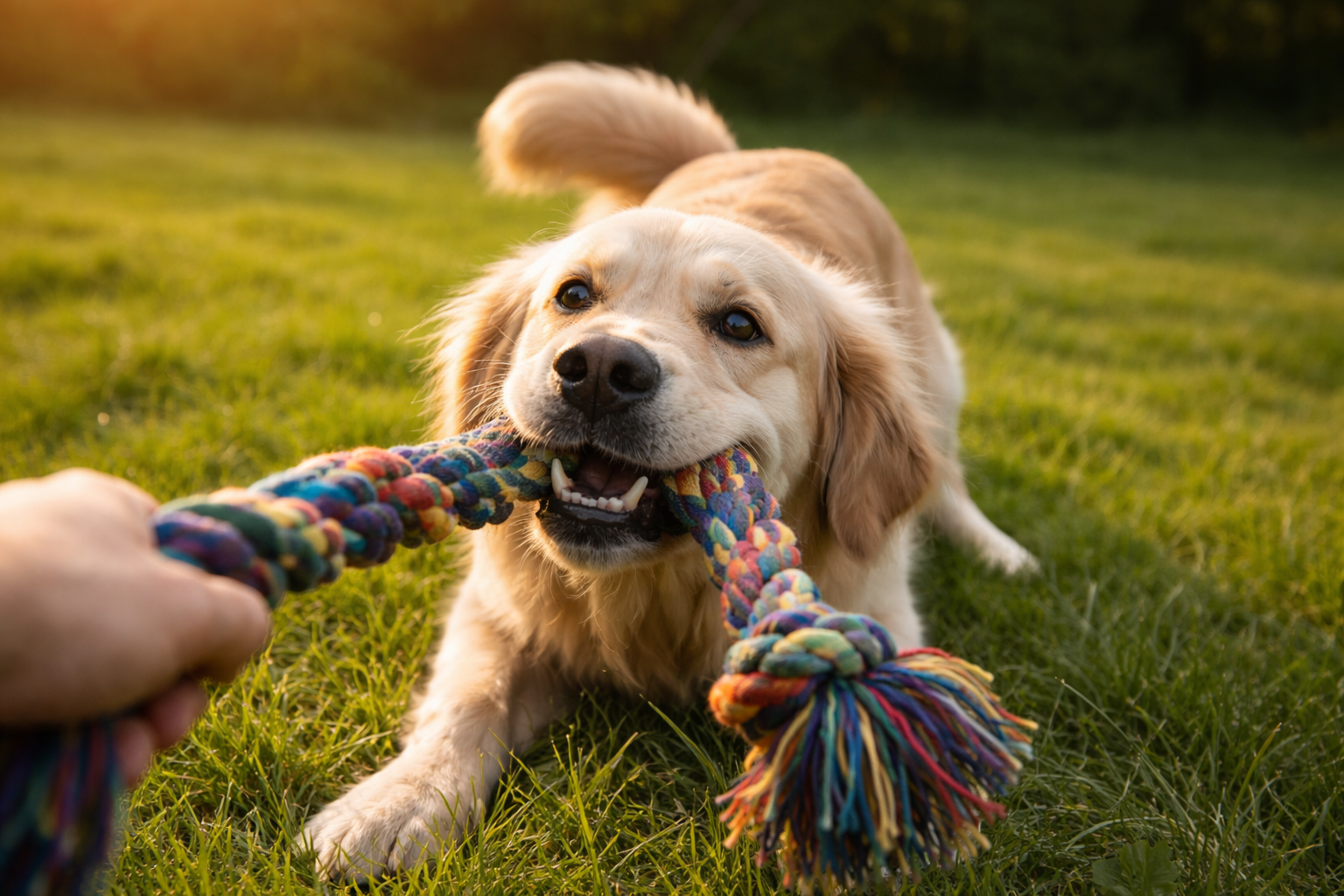
Tug toys are useful for bonding, training, and controlled play when they are the right size for the dog. Choose a tug toy long enough to keep hands away from the dog’s mouth, and use supervised sessions so the toy stays fun without becoming unsafe.
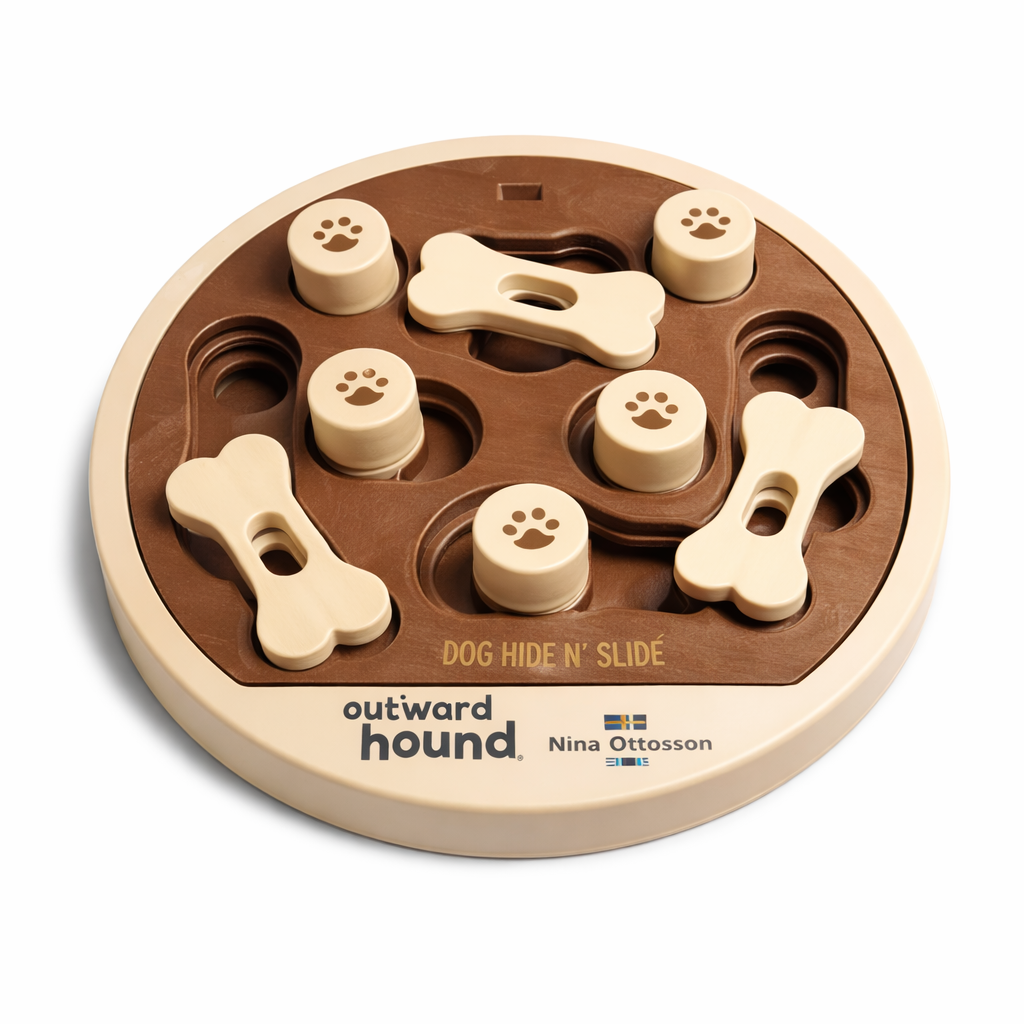
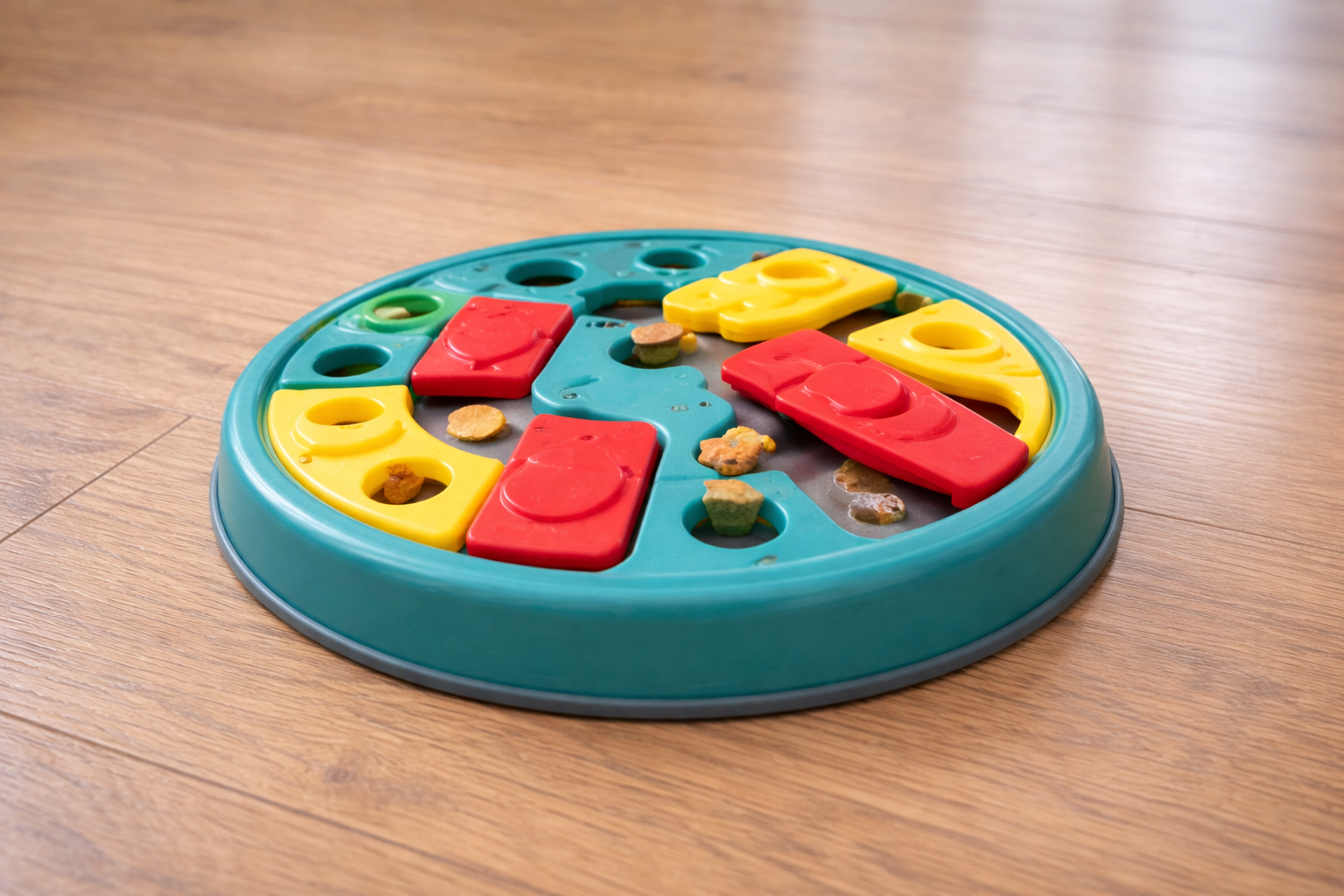
Puzzle toys give dogs a mental workout by making them solve a simple problem to reach food or treats. Start with an easier puzzle first, then increase difficulty as your dog learns how the toy works. Look for puzzle toys that are sturdy, easy to clean, and sized appropriately for your dog.
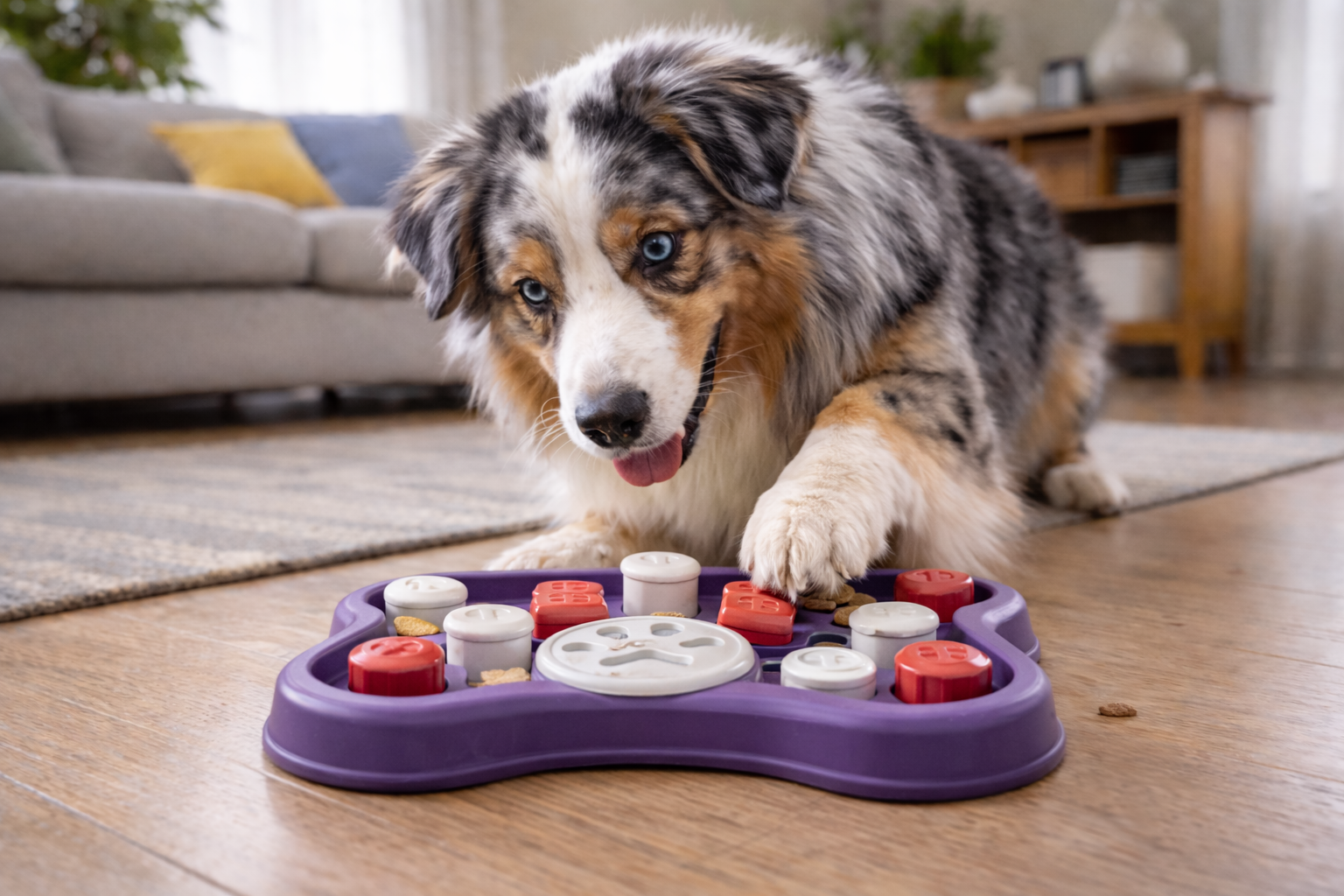
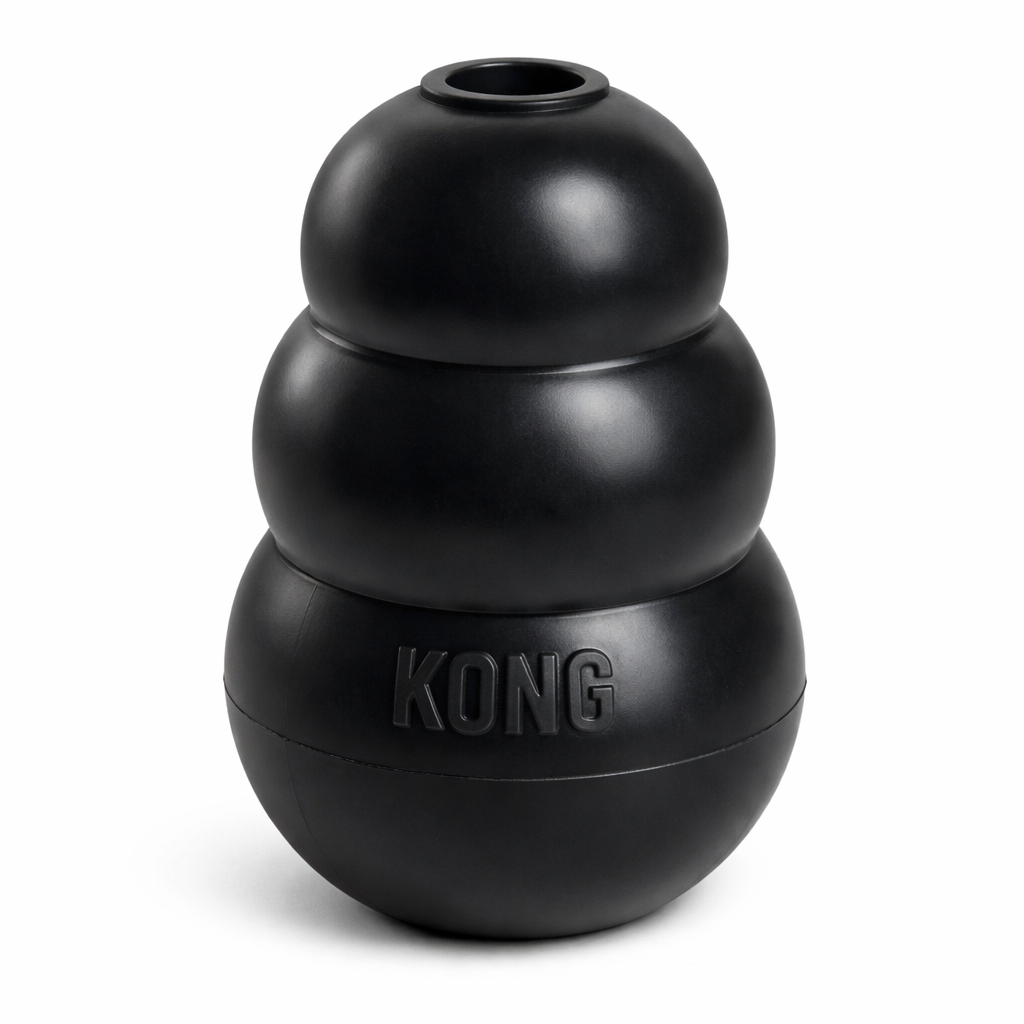
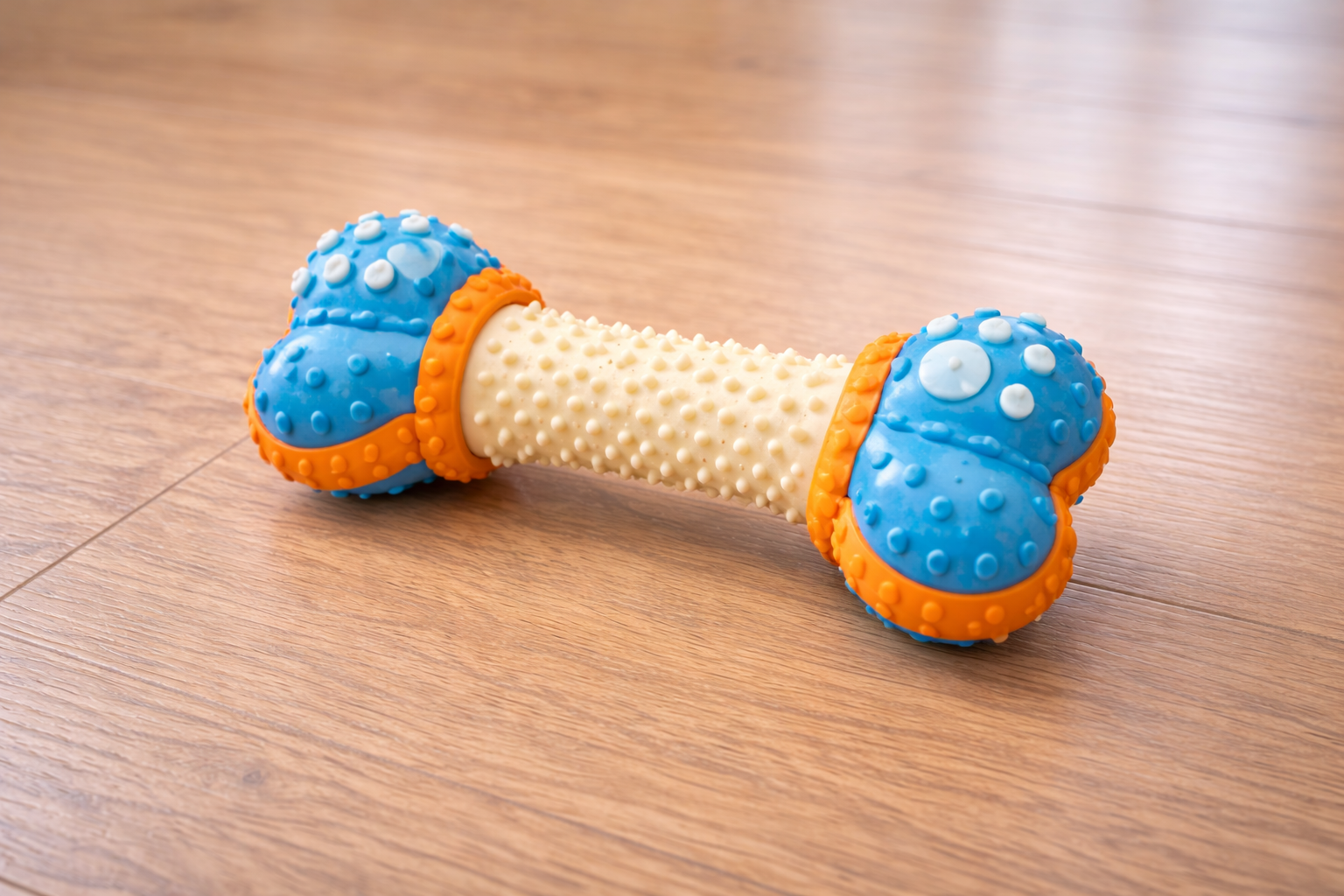
Chew toys should match the way your dog actually chews. Gentle dogs may do well with softer rubber, while powerful chewers usually need tougher rubber or nylon options. Always check the size, texture, and hardness before giving a chew toy to your dog.
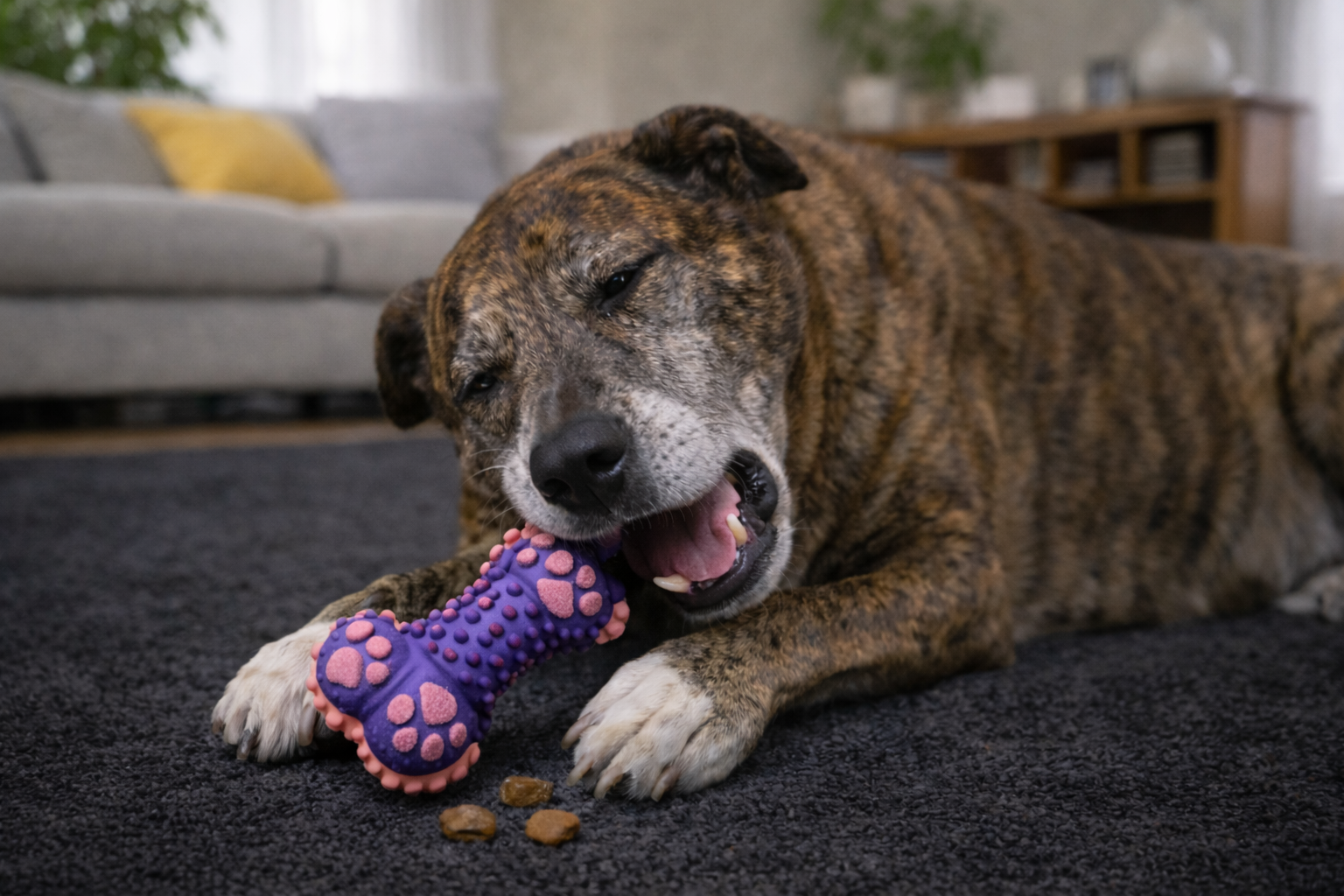
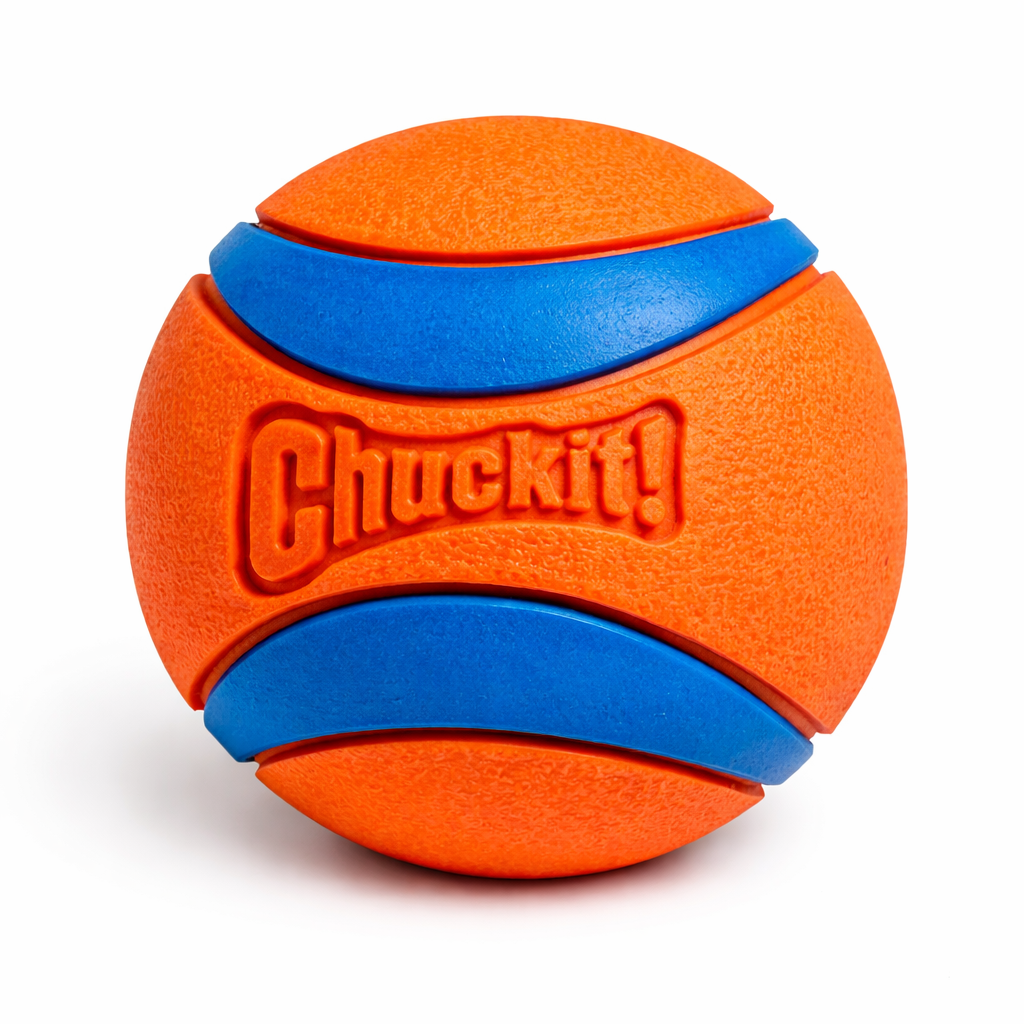
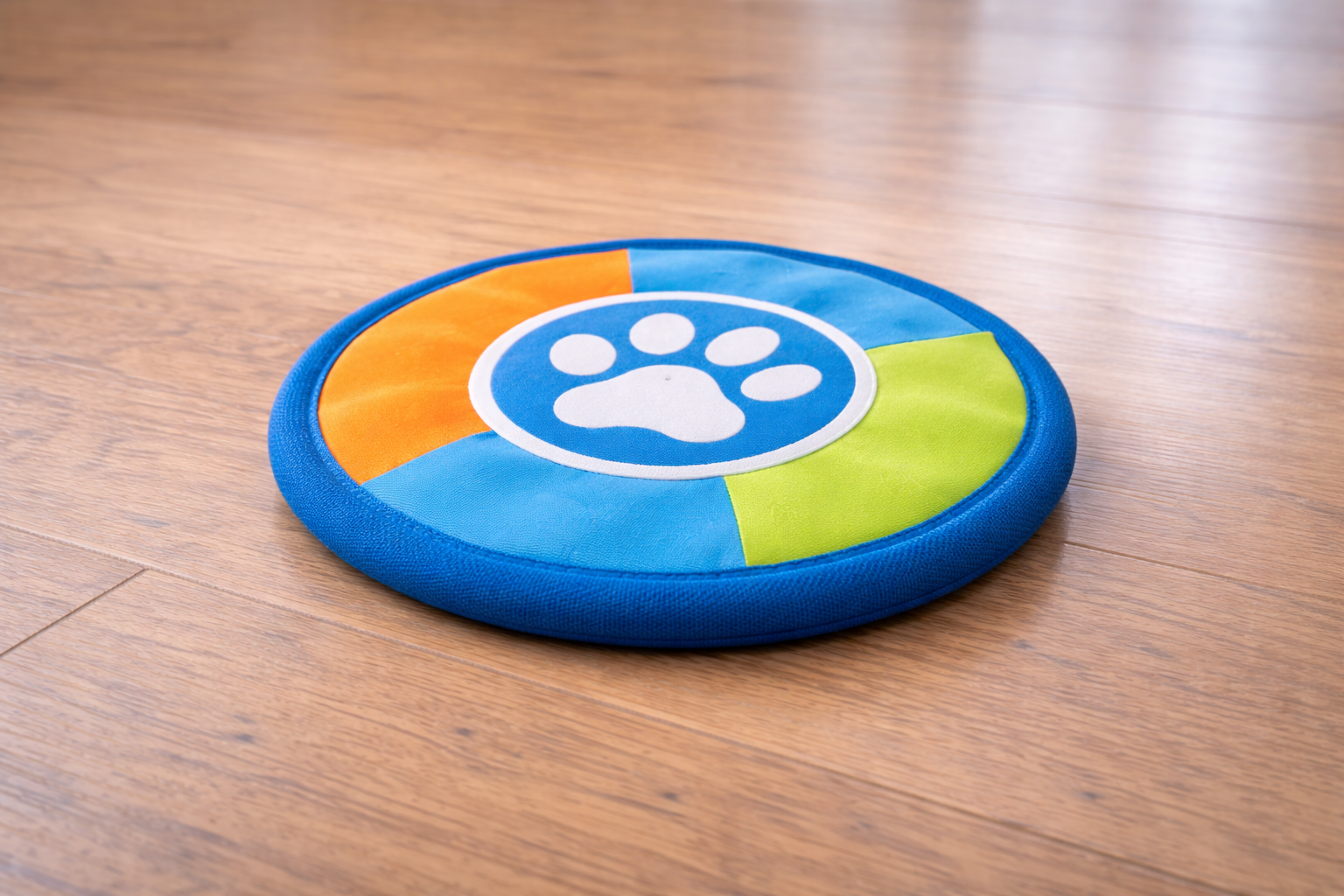
Fetch toys are best when they are easy for your dog to see, easy for your dog to carry, and large enough to reduce swallowing risk. Bright colors can help in grass, parks, or outdoor play areas, while softer materials may be easier on your dog’s mouth.
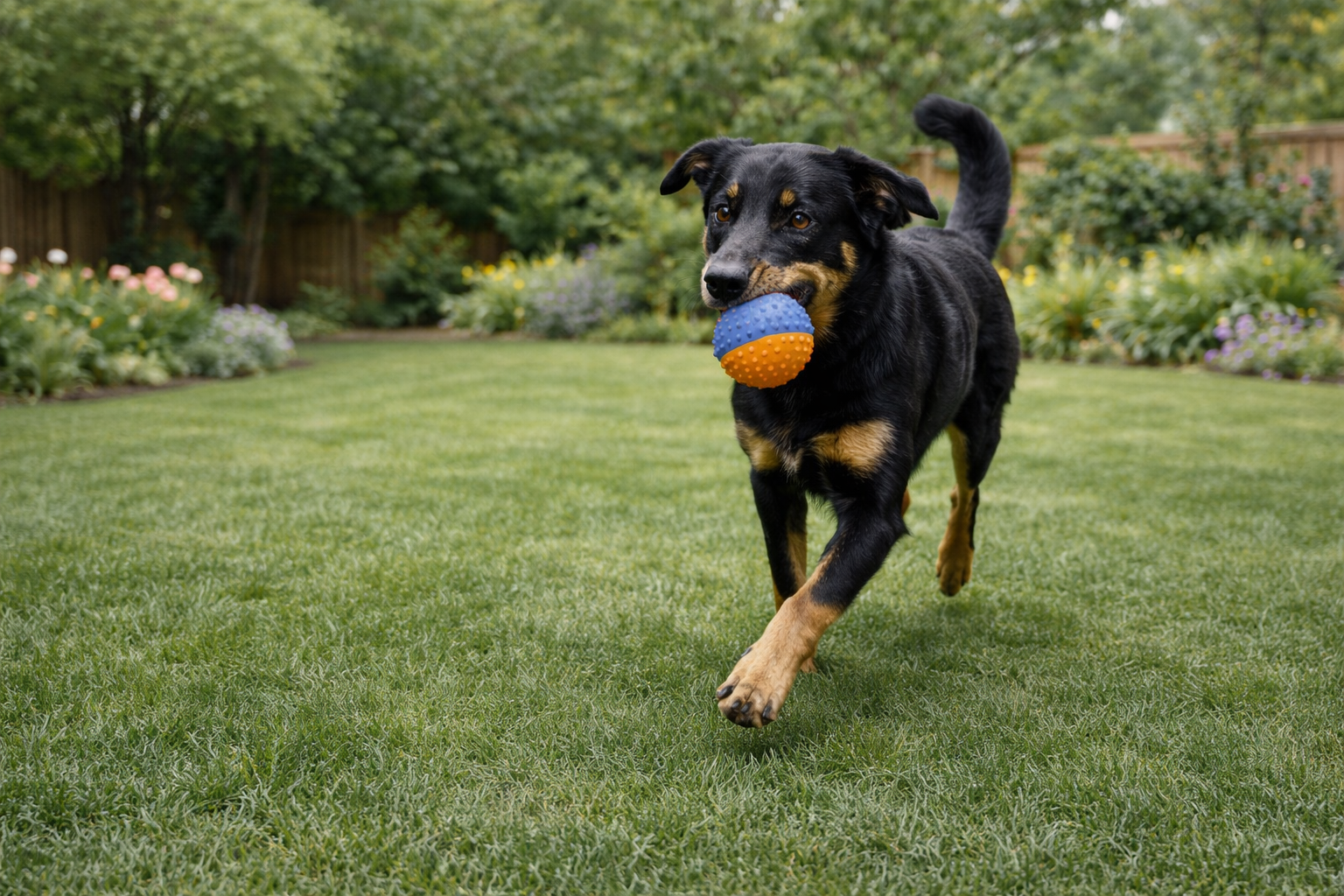
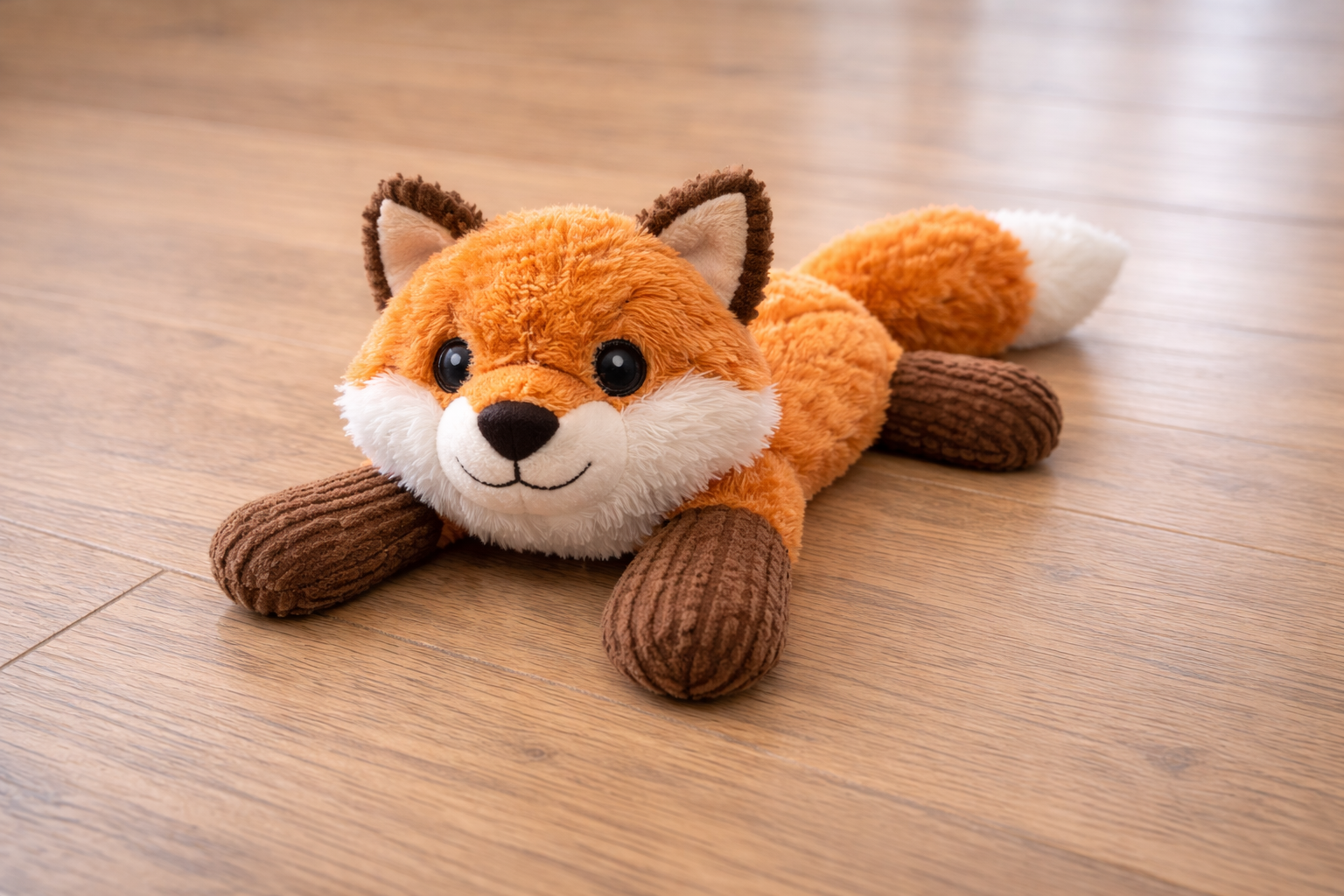
Plush toys are best for gentle dogs that like carrying, cuddling, or light indoor play. They are not the best choice for every chewer, so watch how your dog handles plush toys and replace them if seams, stuffing, or squeakers become exposed.
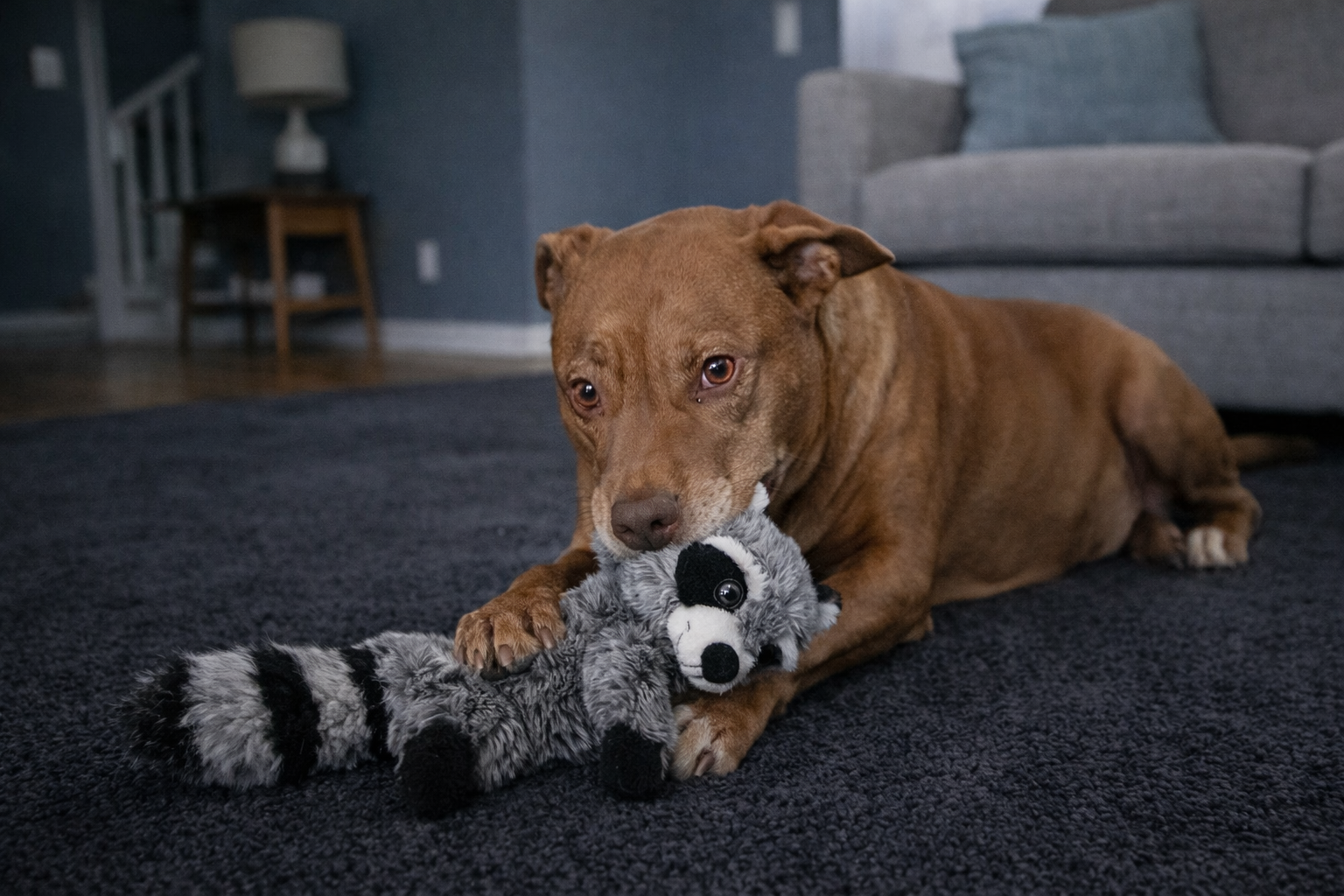
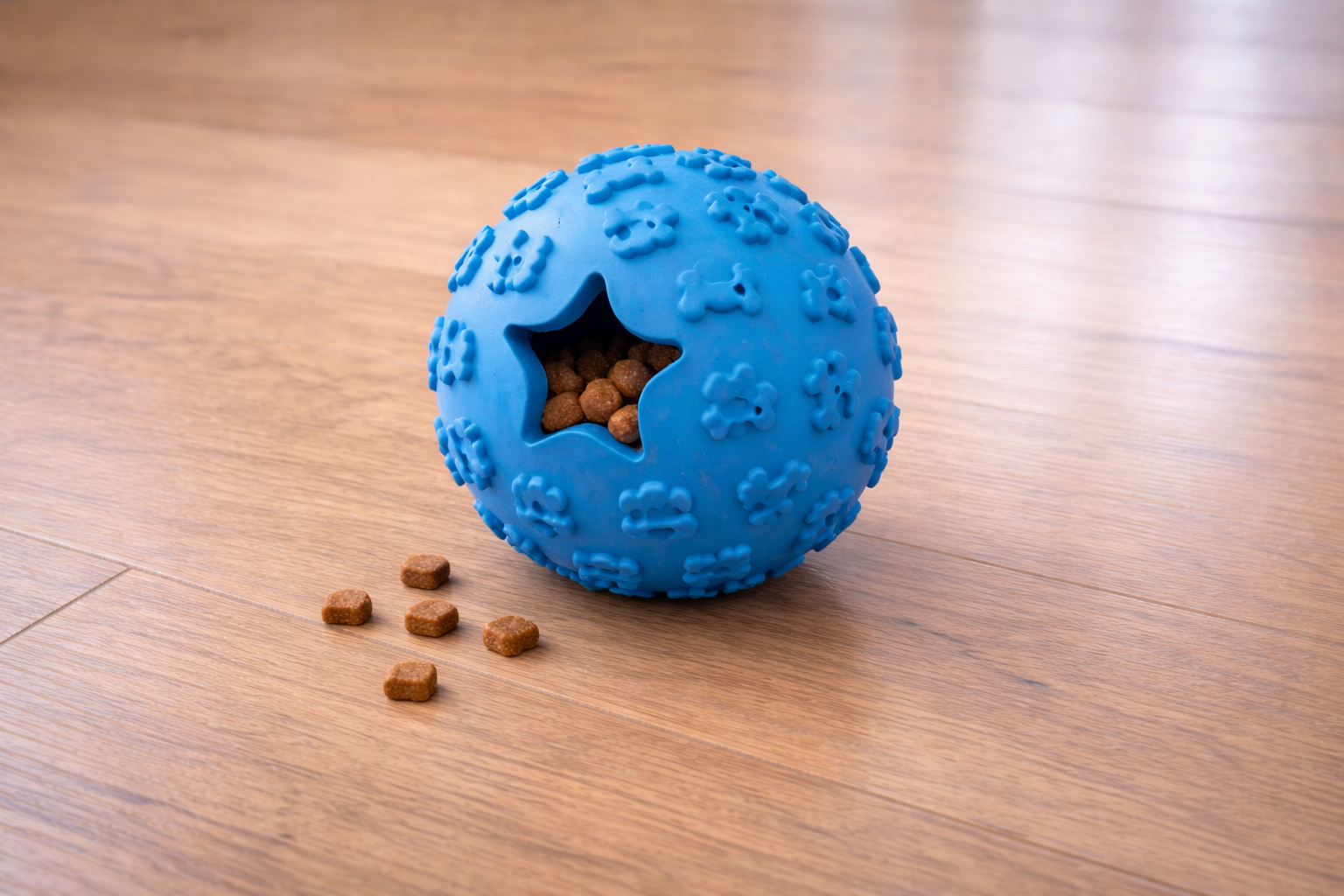
Treat and interactive toys can help dogs slow down, settle after exercise, and stay mentally engaged. Use the right treat size, clean the toy regularly, and choose a design that fits your dog’s skill level so the toy stays challenging without becoming frustrating.
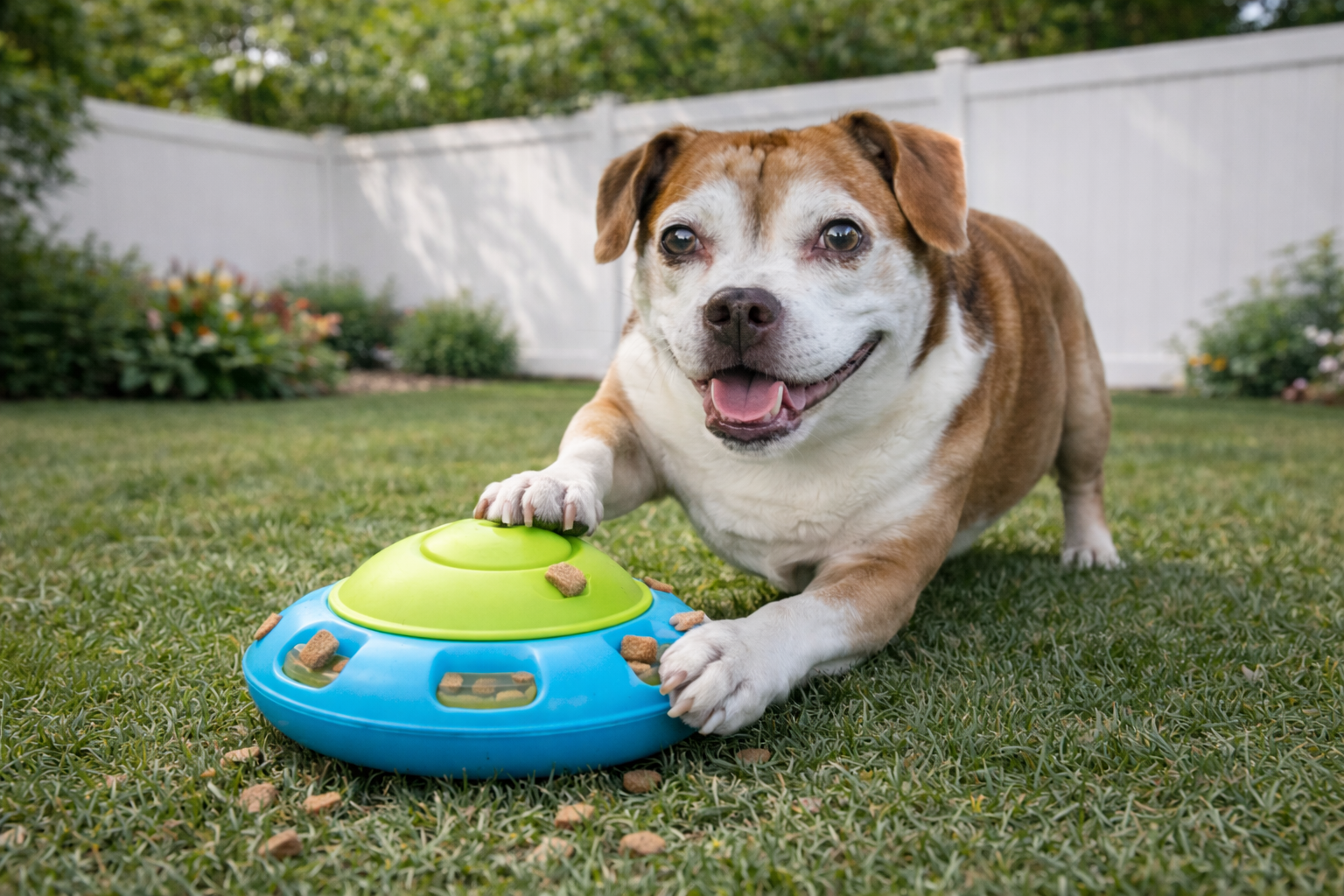
Puppies need toys that are soft enough for young mouths but sturdy enough for supervised chewing. Look for puppy-safe sizing, gentle textures, and toys that encourage healthy chewing habits without being too hard on tender gums.
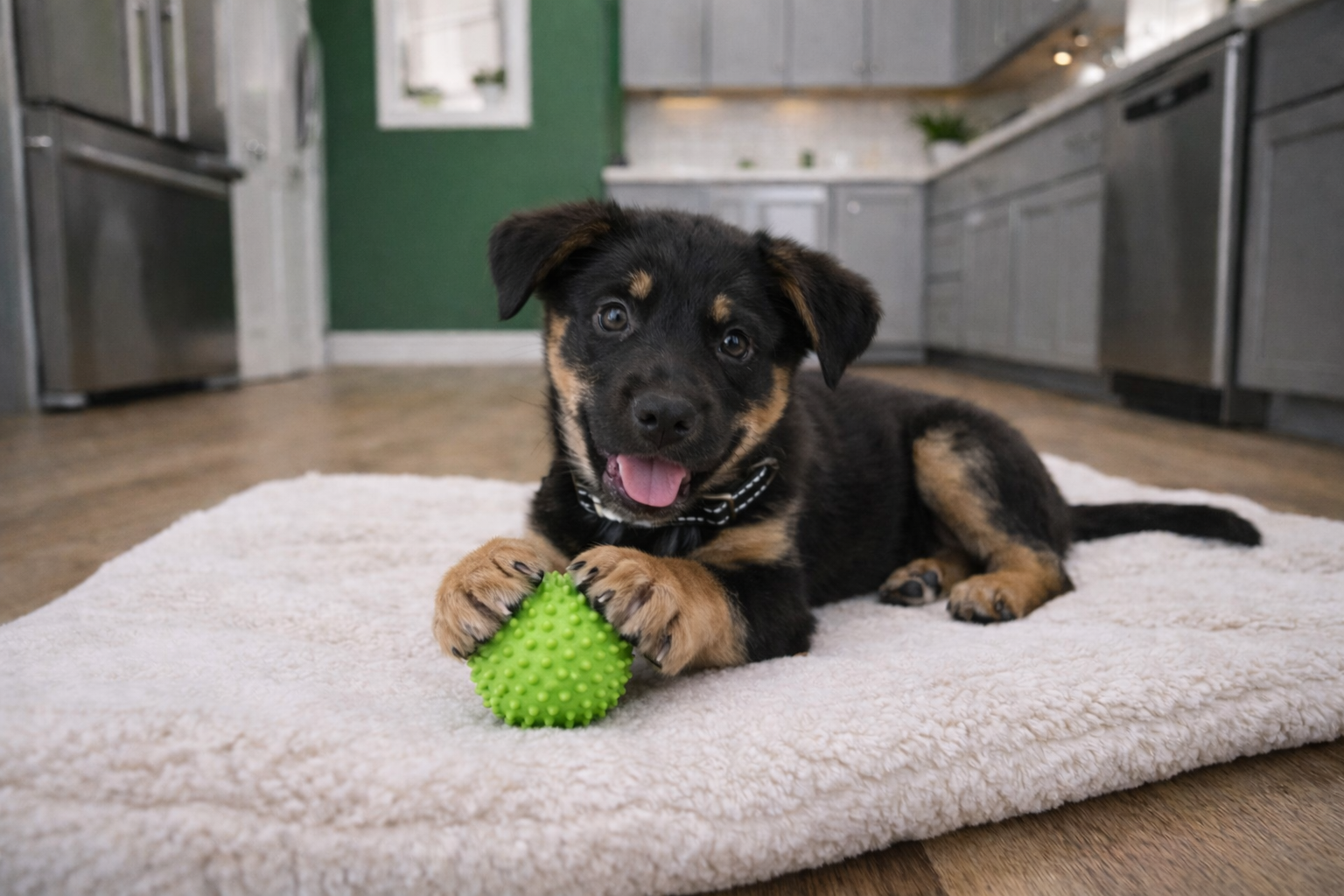
Older dogs often prefer softer chew options and enrichment that does not require intense biting. Look for flexible rubber, lick-style toys, and lighter fetch items that are easier to carry and use during shorter play sessions.
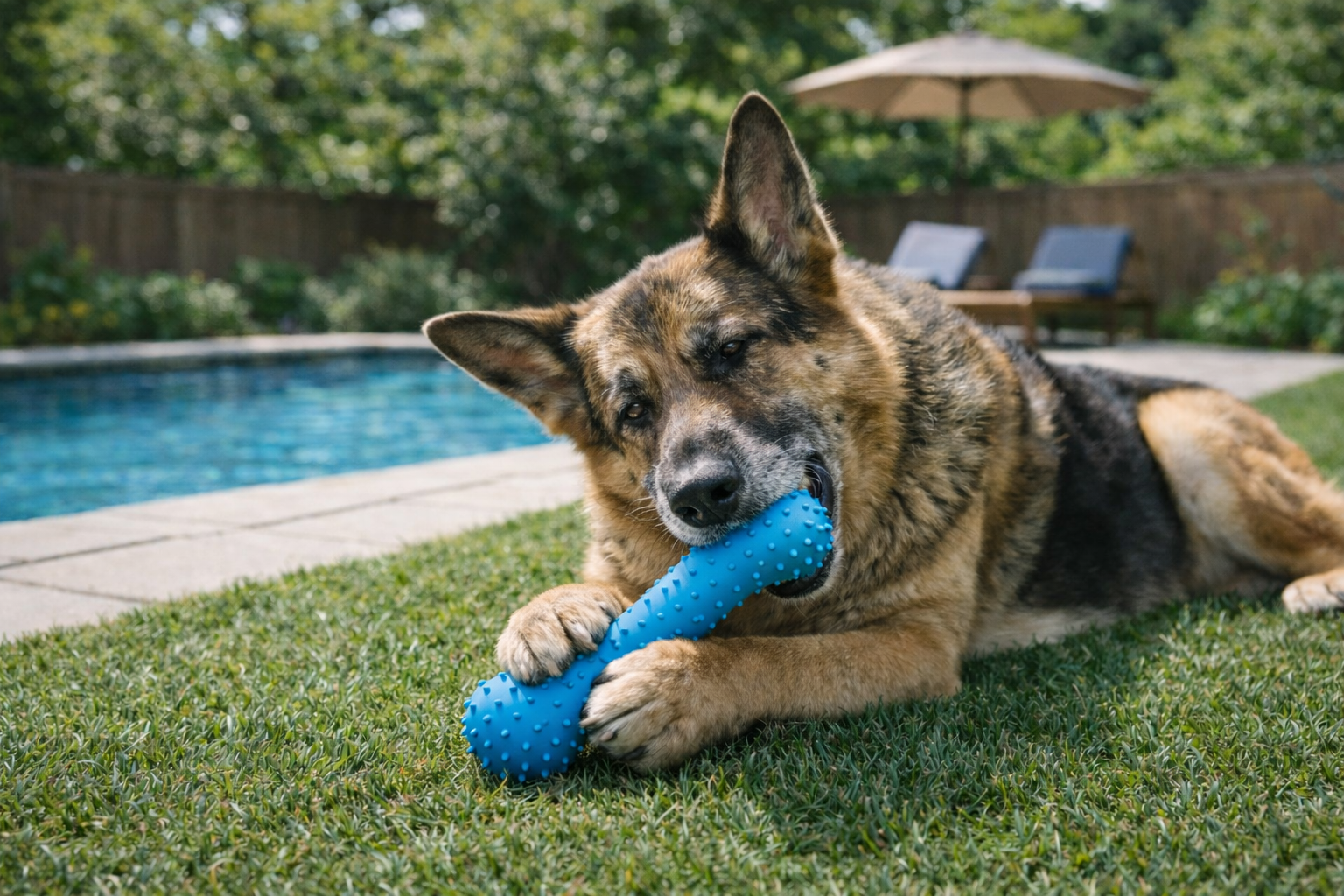
Training toys help you reward behaviors quickly. The best options are easy to grab, consistent, and exciting enough to motivate your dog without making it impossible for the dog to refocus on you.
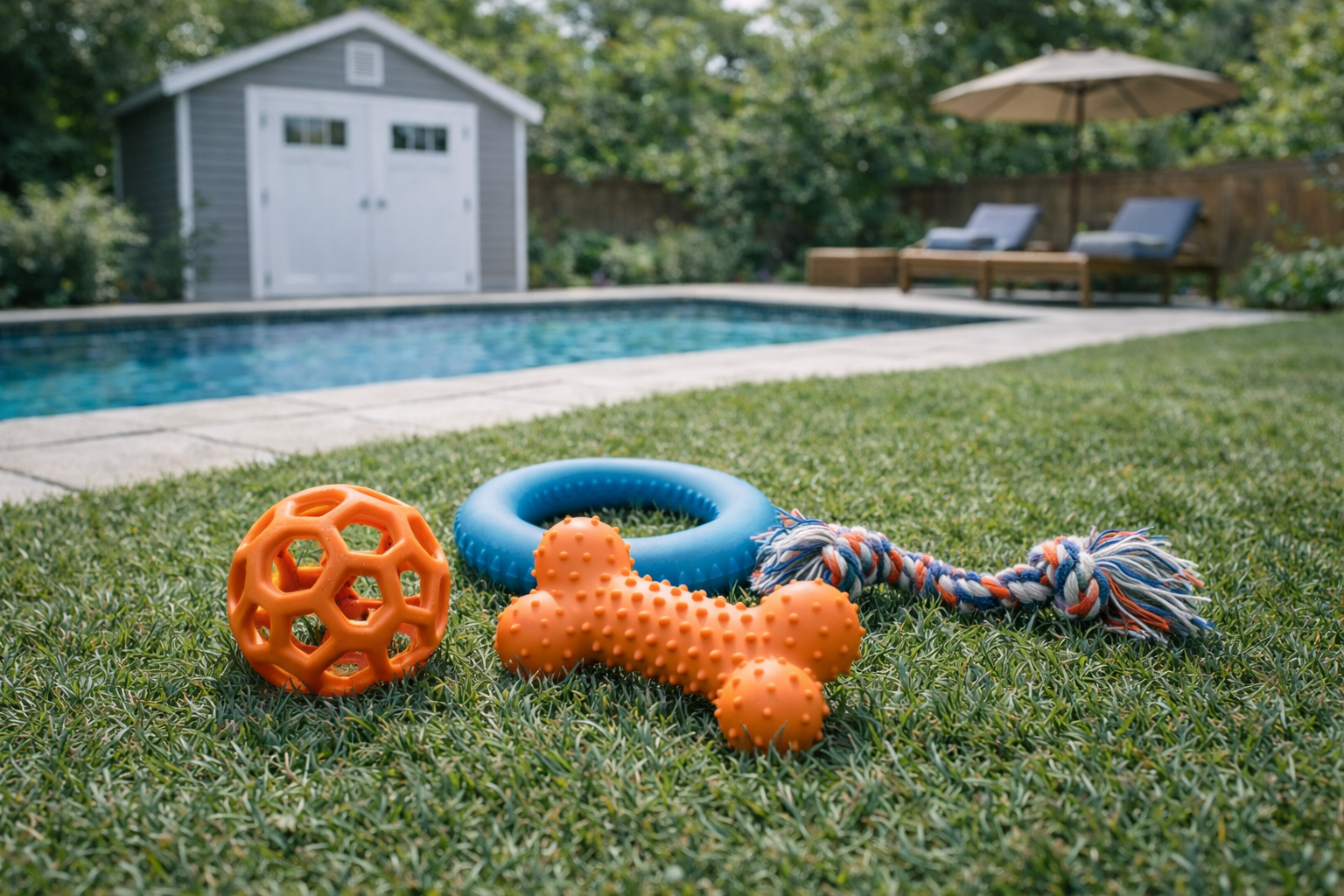
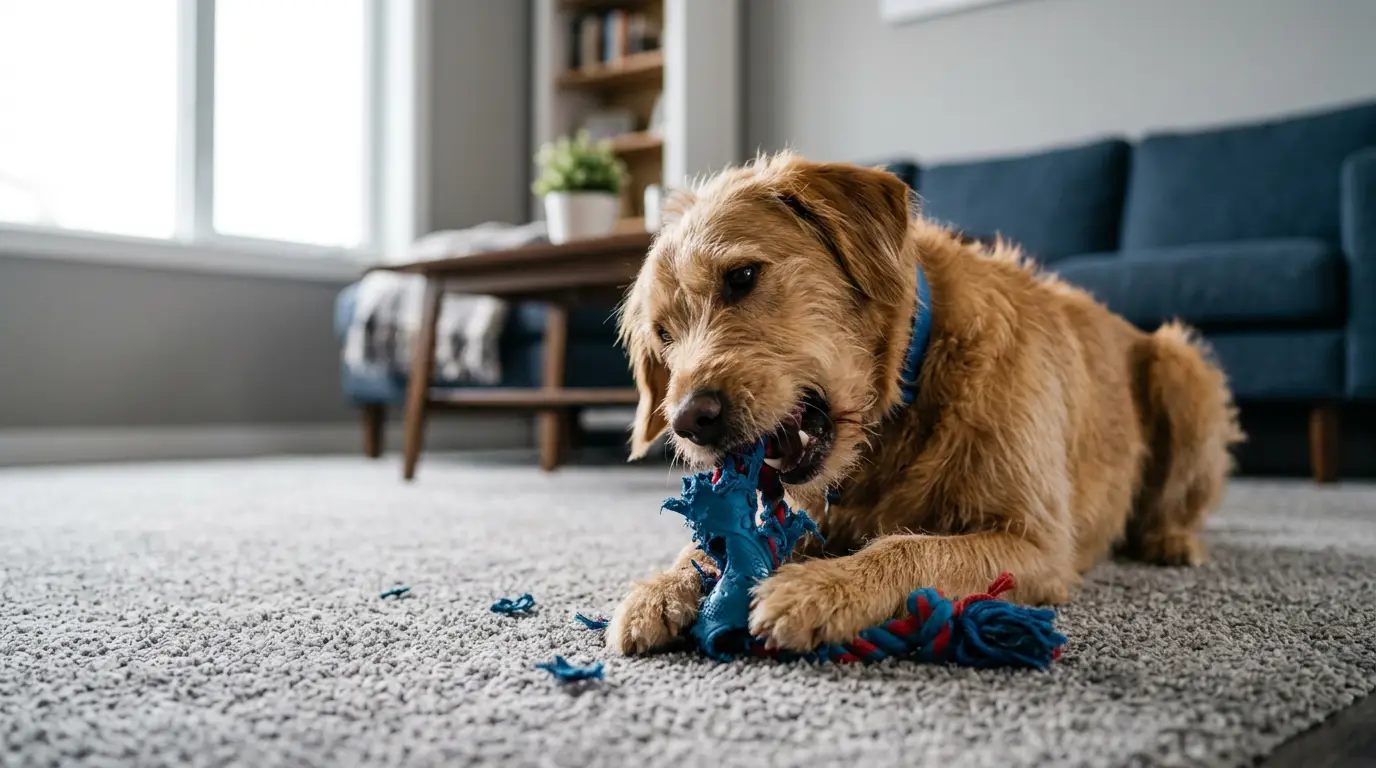
Dogs may destroy toys because of instinct, boredom, or anxiety. Understanding why this behavior happens can help owners choose toys that last longer and keep dogs mentally stimulated.
Always match the toy to your dog’s size, age, chewing strength, and play style. A toy that is safe for one dog may be too small, too hard, or too easy to destroy for another dog.
Use the safety checklist below before giving a new toy, and inspect toys often once your dog starts using them.