
Menu
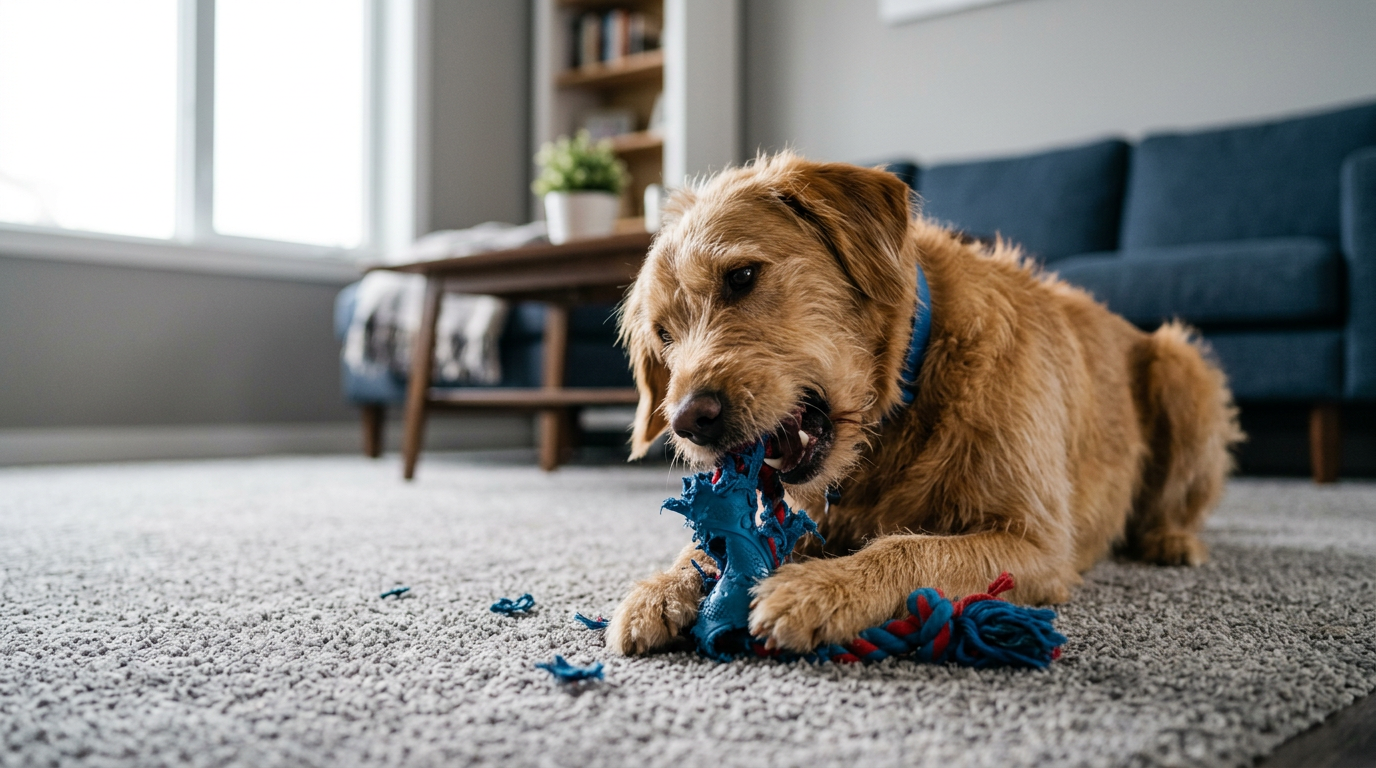
You bring home a new dog toy, your dog gets excited, and a few minutes later there is stuffing across the floor. It can be frustrating, especially when the toy looked strong in the store or online. But toy destruction is not always a sign that a dog is being “bad.” Many dogs chew, shake, pull, and rip toys because it feels natural, fun, or rewarding to them.
The key is understanding why your dog is destroying toys. Some dogs are powerful chewers. Some are bored and looking for something to do. Others may chew harder when they are stressed or anxious. Once you understand the reason, it becomes much easier to choose better toys, create safer play habits, and keep your dog more satisfied.
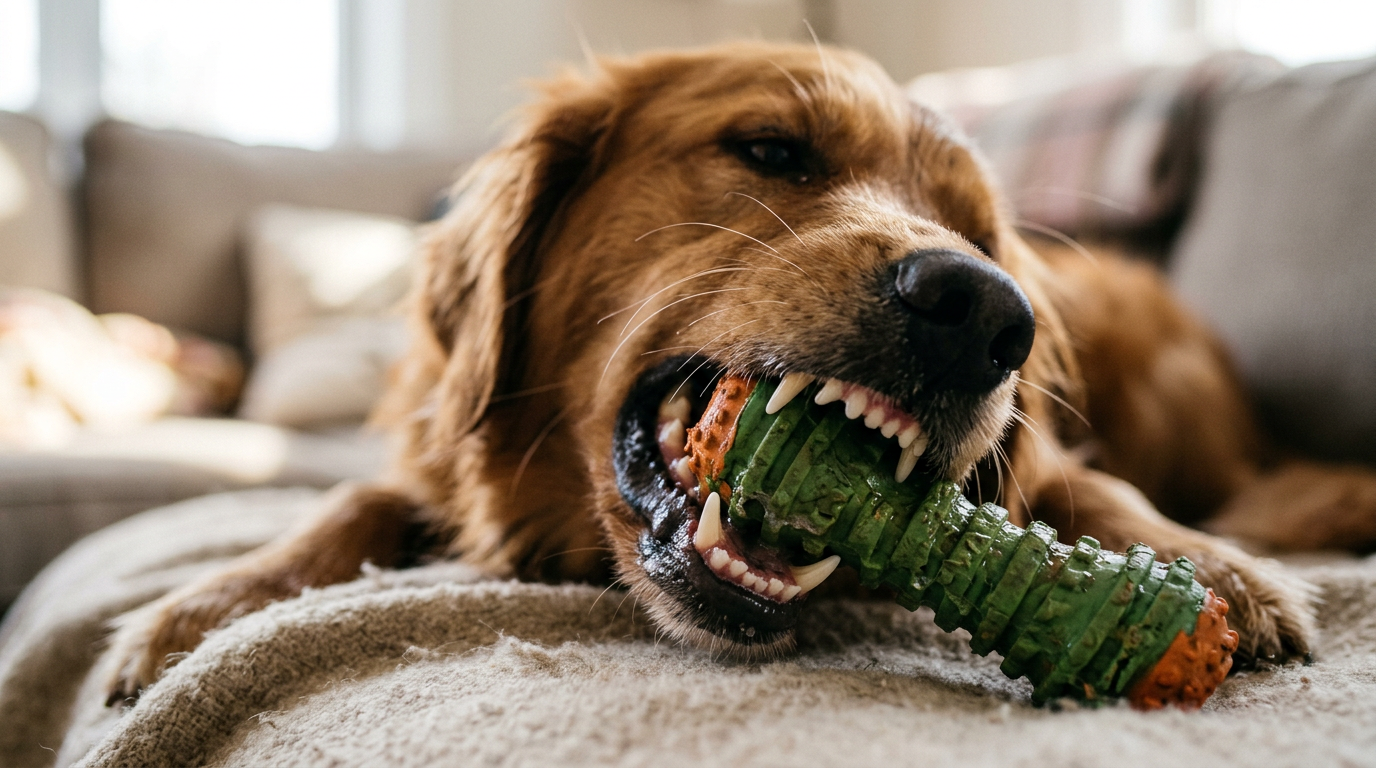
For many dogs, chewing and tearing are normal parts of play. A soft toy that squeaks, crinkles, or pulls apart can trigger a dog’s natural urge to grab, shake, tug, and investigate. That is why some dogs seem especially focused on finding the squeaker or pulling the stuffing out of plush toys.
This does not mean every dog needs the same kind of toy. Some dogs gently carry toys around like comfort items. Others treat every toy like a challenge. Terriers, retrievers, working breeds, high-energy dogs, and young dogs may play more intensely, but every dog is different. The real question is not just the breed — it is how your individual dog chews, plays, and reacts to different toy materials.
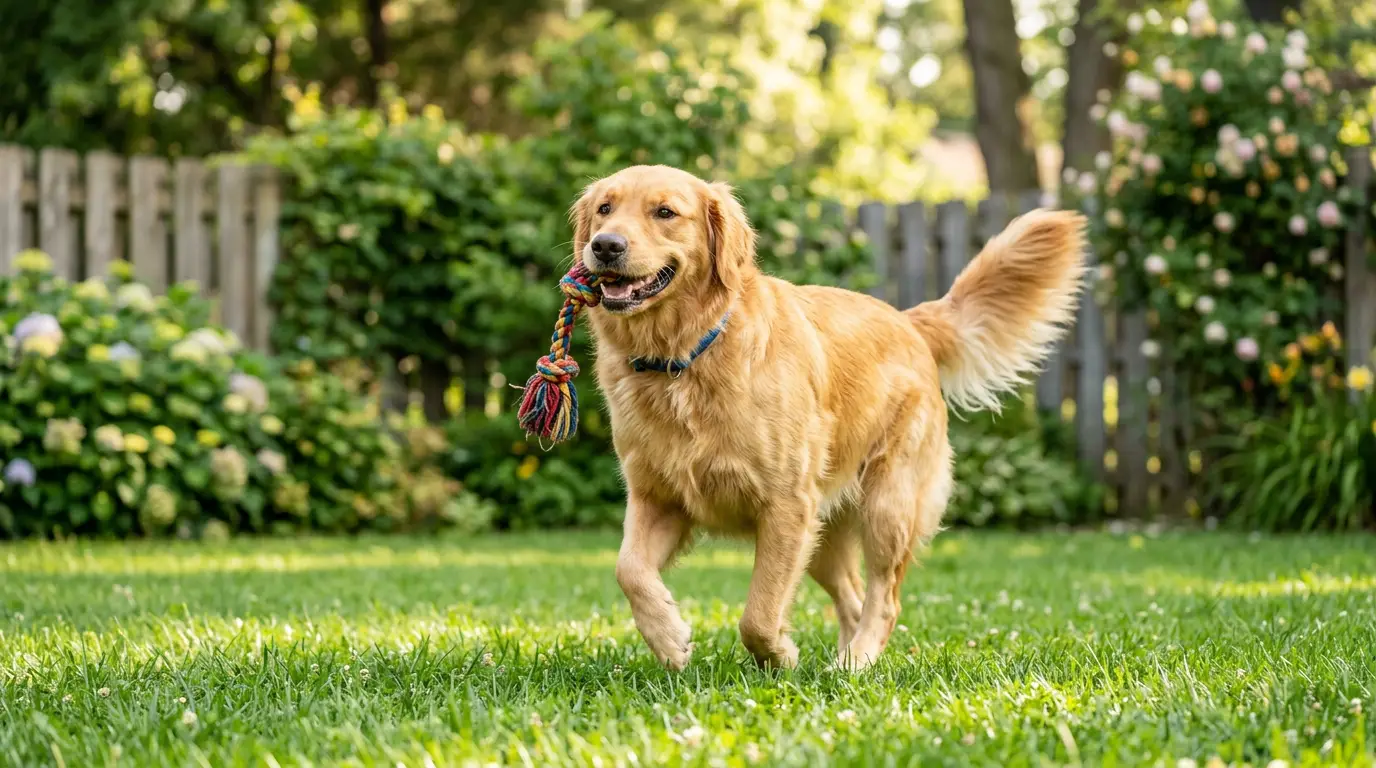
Not all dog toys are built for the same type of play. Plush squeaky toys are fun for many dogs, but they are often easier to rip open. Rope toys can be great for tug games, but they should be checked often for loose strings. Rubber chew toys, treat-dispensing toys, and puzzle toys may hold up better for dogs that need more challenge.
Size matters too. A toy that is too small can be unsafe for a large dog, while a toy that is too hard or heavy may not interest a smaller dog. The best toy is one that matches your dog’s mouth size, chewing strength, play style, and energy level. A gentle chewer may be fine with soft toys, but a power chewer usually needs tougher materials and closer supervision.
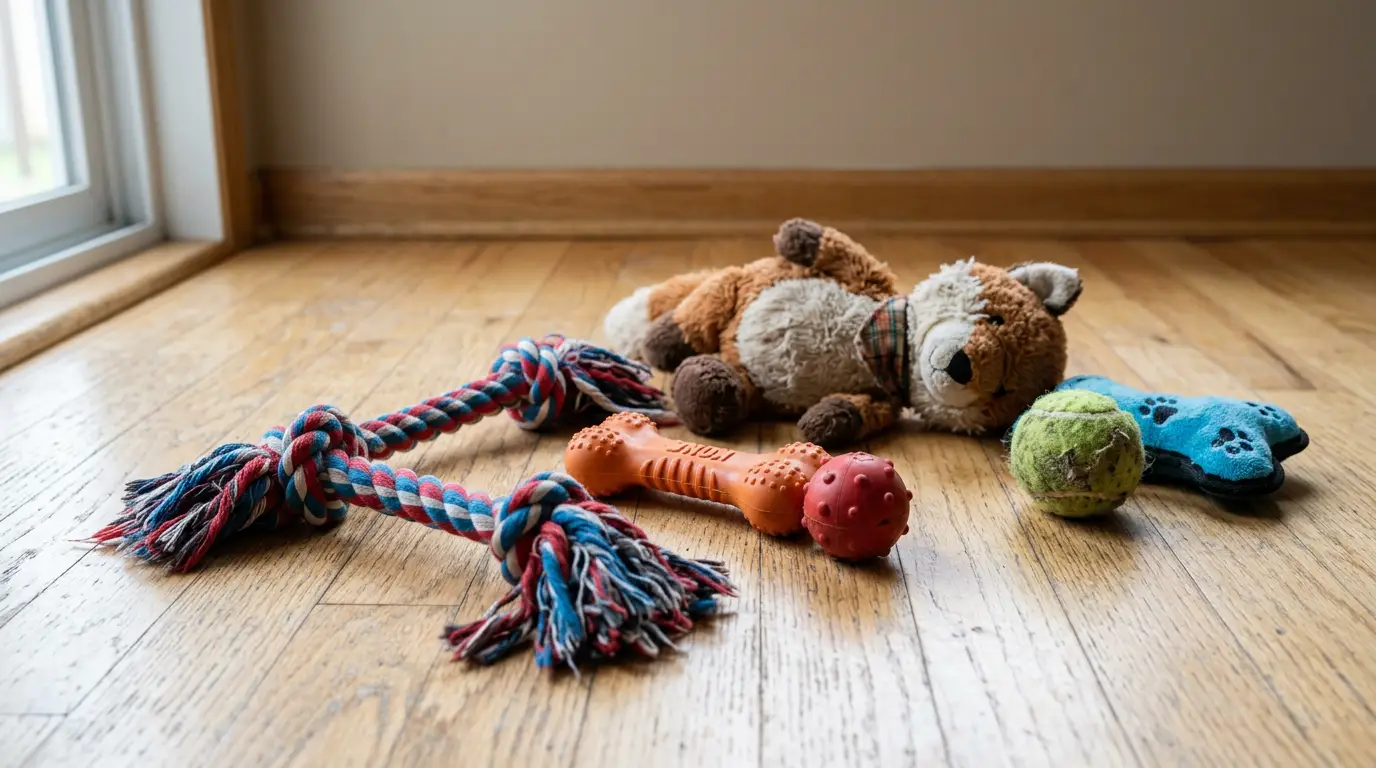
Destroying a toy is not always a problem by itself. The bigger concern is what your dog does after the toy breaks. If your dog tries to swallow stuffing, squeakers, fabric, rope pieces, or chunks of rubber, the toy should be removed right away.
Check toys often and throw away anything that is badly torn, cracked, or missing pieces. New toys should be supervised at first, especially if your dog is a strong chewer. If you think your dog swallowed part of a toy, contact your veterinarian instead of waiting to see what happens.
A bored dog will often find a job — and sometimes that job is destroying a toy. Dogs need both physical exercise and mental stimulation. If a dog has too much unused energy, chewing can become a way to stay busy.
Walks, short training sessions, sniffing games, puzzle toys, treat-dispensing toys, and supervised tug or fetch can all help. It also helps to rotate toys instead of leaving every toy out all the time. When toys disappear for a few days and come back later, many dogs treat them like something new again.

Toy destruction alone does not always mean anxiety. Plenty of happy dogs rip toys apart simply because they enjoy it. But if the chewing happens along with pacing, whining, barking, hiding, trembling, sudden clinginess, or panic when left alone, stress may be part of the problem.
In that case, the answer is not just buying stronger toys. A dog that is chewing because of anxiety may need a calmer routine, more predictable exercise, separation training, enrichment, or help from a veterinarian or qualified trainer. The goal is to understand what your dog is feeling, not just stop the mess.
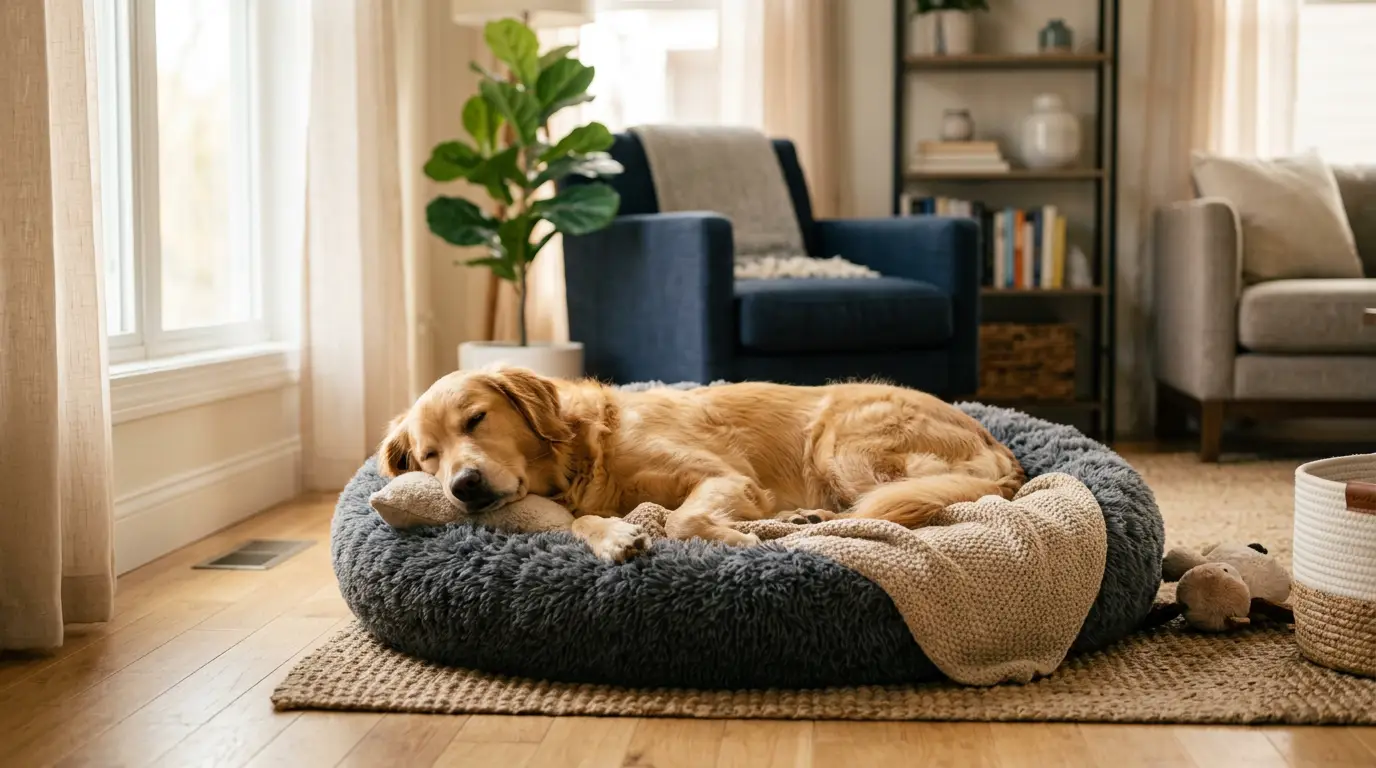
If your dog destroys toys quickly, start by watching how they play. Do they rip plush toys open right away? Do they chew when they are bored? Do they only destroy toys when left alone? The pattern can tell you what your dog needs.
For many dogs, the best solution is a mix of stronger toys, safer supervision, regular exercise, and toy rotation. Choose toys that fit your dog’s chewing style, remove damaged toys before they become risky, and give your dog healthy ways to use their energy. A destroyed toy can be annoying, but it can also be a clue that your dog needs a better match.
If your dog destroys toys quickly, durable toys designed for power chewers can make a huge difference.
Best Dog Toys for Aggressive Chewers →