chatgpt image feb 1, 2026, 10 32 34 am

Best Dog Toys for Aggressive Chewers: Durable Options for Power Chewers

Some dogs do not just play with toys — they study them, grip them, crush them, and try to find every weak spot. This guide compares durable dog toys for aggressive chewers, with practical safety notes, stronger material choices, and realistic advice for dogs that destroy weaker toys fast.

Dog chewing a durable toy indoors

Affiliate Disclosure: As an Amazon Associate, we earn from qualifying purchases. Some links on this page may be affiliate links, which means we may earn a small commission if you buy through those links — at no additional cost to you.

A Quick Story About Rocco

I had a dog named Rocco. He was 120 pounds of pure strength and pure heart. Around people, he was the biggest baby you could imagine. Around dog toys, though, he turned into a professional demolition crew.

Stuffed toys exploded into fluff. Thin ropes unraveled. Rubber bones that looked tough in the store sometimes lasted only minutes. The more a toy claimed to be “indestructible,” the more determined Rocco seemed to be to prove otherwise.

Over time, I learned the real answer was not trying to stop the chewing instinct. It was choosing smarter toys, matching the toy to the way he chewed, and accepting that no toy should be treated as chew-proof forever.

Quick Safety Rule

No dog toy is truly indestructible. Throw away any toy that cracks, sheds chunks, exposes stuffing, loses a squeaker, frays into strings, or becomes small enough for your dog to swallow.

How These Toys Were Chosen

These picks were selected based on the factors that matter most for aggressive chewers: material density, shape, weak points, chew style, size options, and how easy the toy is to inspect and replace. This page does not claim every dog tested every toy, because power chewers vary a lot. A toy that lasts months for one dog may fail quickly for another.

Material Strength

Dense rubber, tough nylon, and natural chews were prioritized over soft fabric, thin rope, or toys with glued-on parts.

Chew Style Match

Some dogs grind slowly, some clamp down hard, and some shred edges. Matching the toy to that habit matters.

Safety Checks

The best toy is large enough, simple enough, and easy to inspect before broken pieces become a problem.

Quick Comparison: Best Dog Toys for Aggressive Chewers

PickBest ForMaterial TypeChew StyleSafety Note
Heavy-Duty Tire ChewLarge dogs and power chewersDense rubberClamping, carrying, chewingInspect edges for tearing
Long-Lasting Nylon ChewSteady gnawersHard nylonScraping and molar grindingMay be hard on teeth for some dogs
Natural Antler ChewModerate natural-chew fansDeer or elk antlerSlow grindingUse caution; very hard chews may risk tooth damage
Durable Bone-Style ChewDogs that settle in for long chew sessionsTough chew materialHolding and grindingReplace when deeply worn or sharp

What Makes a Dog Toy Durable?

Most people buy tough dog toys because the package says “extreme,” “heavy duty,” or “for aggressive chewers.” Those labels can help you start, but they are not enough by themselves. Real durability comes from the toy’s material, shape, flexibility, and lack of weak points.

Rubber Density

Good rubber should be tough but not brittle. A little give helps the toy compress instead of cracking under pressure.

Shape

Smooth, rounded shapes usually last longer because dogs have fewer corners and edges to pry apart.

Flexibility

A toy that is too hard may stress teeth. A toy that is too soft may shred. The safest choice depends on your dog’s chewing style.

Weak Points

Avoid glued seams, thin rope, foam filling, squeakers that can pop out, and decorative layers that peel away.

Top Picks for Aggressive Chewers

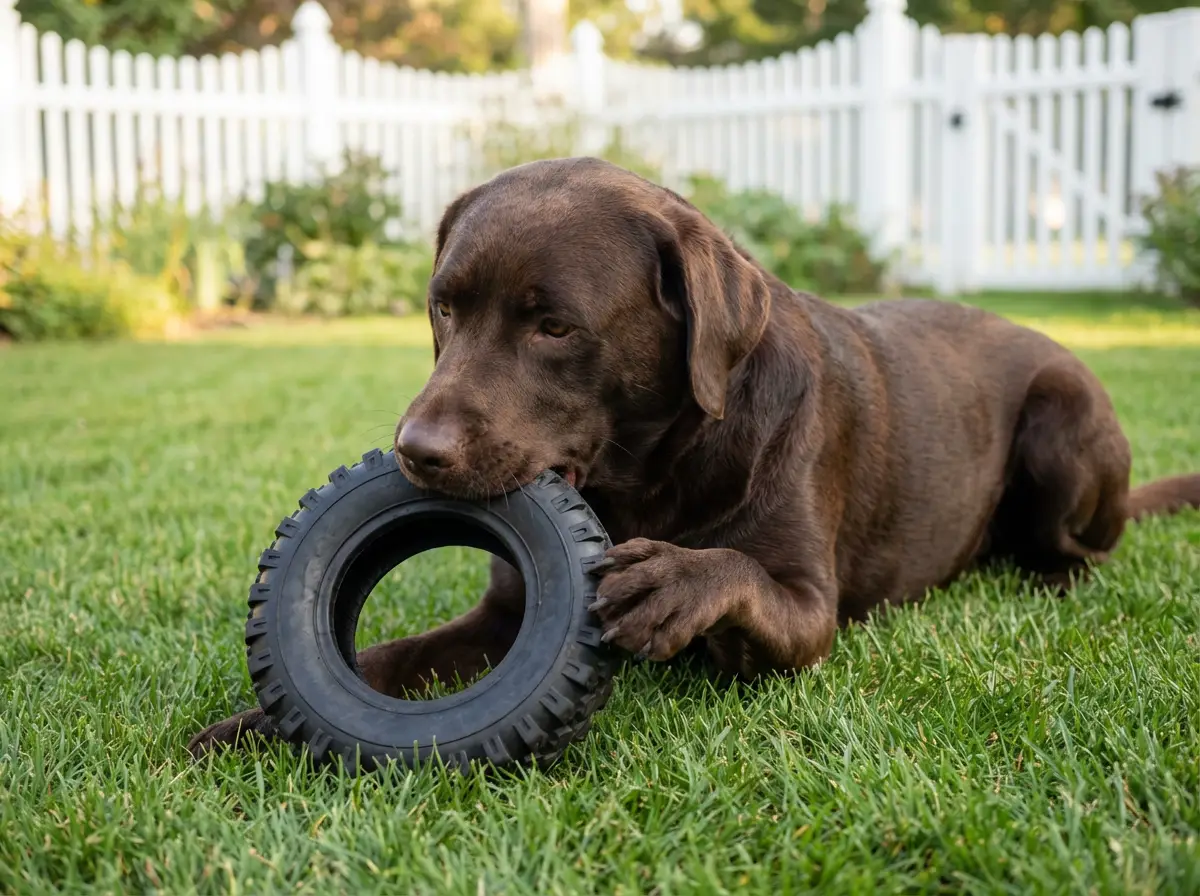
Heavy duty tire style rubber dog chew toy

Best Overall — Heavy-Duty Tire Chew

Why it works: Tire-style rubber chews are a strong starting point for many power chewers because they combine dense rubber with a rounded shape. The tire design gives dogs something satisfying to grip and carry, while the shape reduces easy corners that can be shredded right away.

This is a good pick for dogs that like chewing, carrying, rolling, and working at a toy over time. It is also easier to inspect than stuffed toys because you can quickly check the edges for tearing.

Pros

  • Dense rubber construction
  • Rounded shape with fewer weak corners
  • Good for large dogs and strong jaws
  • Can work for chewing and light play

Cons

  • Heavier than softer dog toys
  • May be too large or firm for small dogs
  • Edges still need regular inspection

Best for: Dogs that clamp, carry, and chew dense rubber toys.

Check Price on Amazon
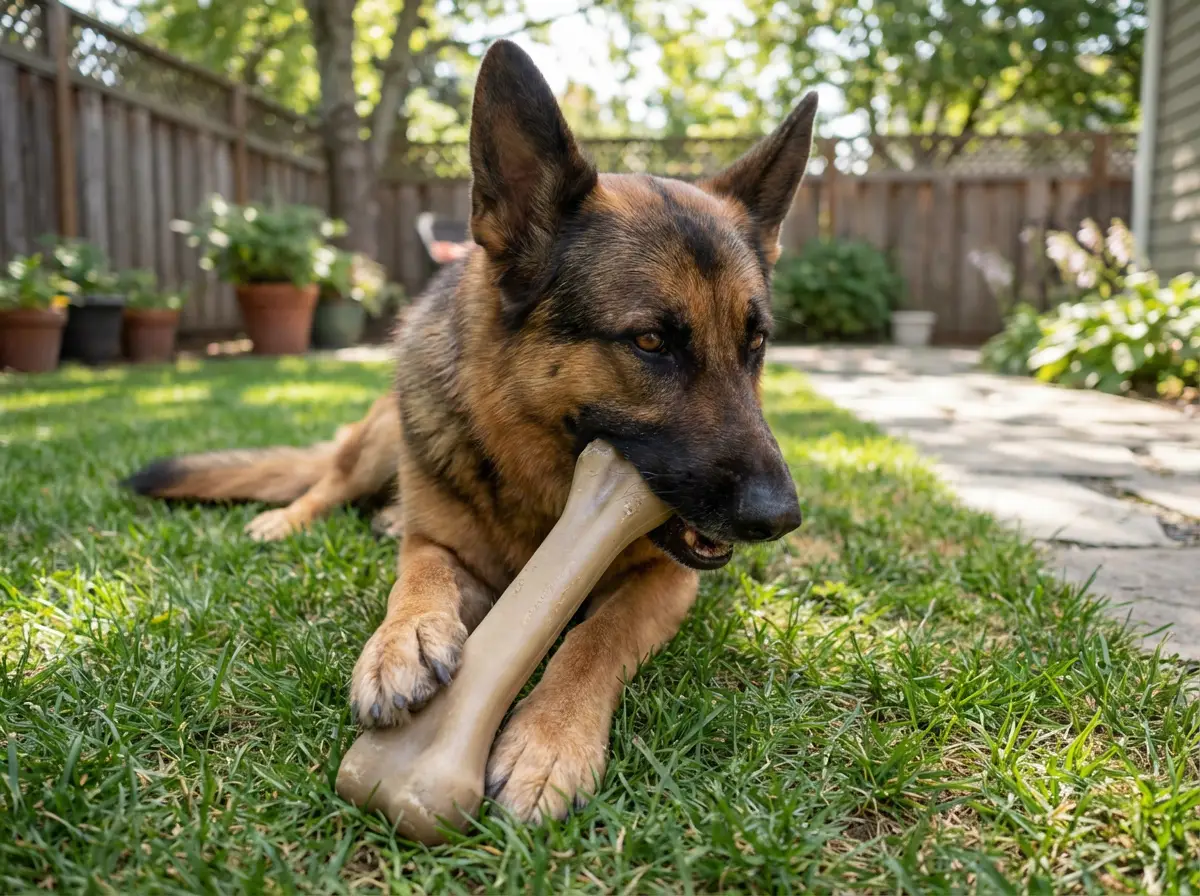
Long lasting nylon dog chew bone

Best Hard Chew — Long-Lasting Nylon Chew

Why it works: Nylon chews are often useful for dogs that do not just bite toys — they slowly scrape, grind, and work them down. A tough nylon chew can last longer than softer toys for dogs that enjoy steady gnawing sessions.

The tradeoff is hardness. Nylon can be too firm for some dogs, especially puppies, senior dogs, dogs with dental problems, or dogs that try to crunch instead of gnaw. Start with supervised sessions and remove the chew if your dog is biting down with extreme force.

Pros

  • Good for steady gnawers
  • No stuffing or squeaker to remove
  • Often lasts longer than soft toys
  • Easy to keep as a supervised chew option

Cons

  • Harder on teeth than rubber
  • Not ideal for puppies or senior dogs
  • Can create small shavings as it wears

Best for: Adult dogs that prefer long, steady gnawing instead of snapping or crunching.

Check Price on Amazon
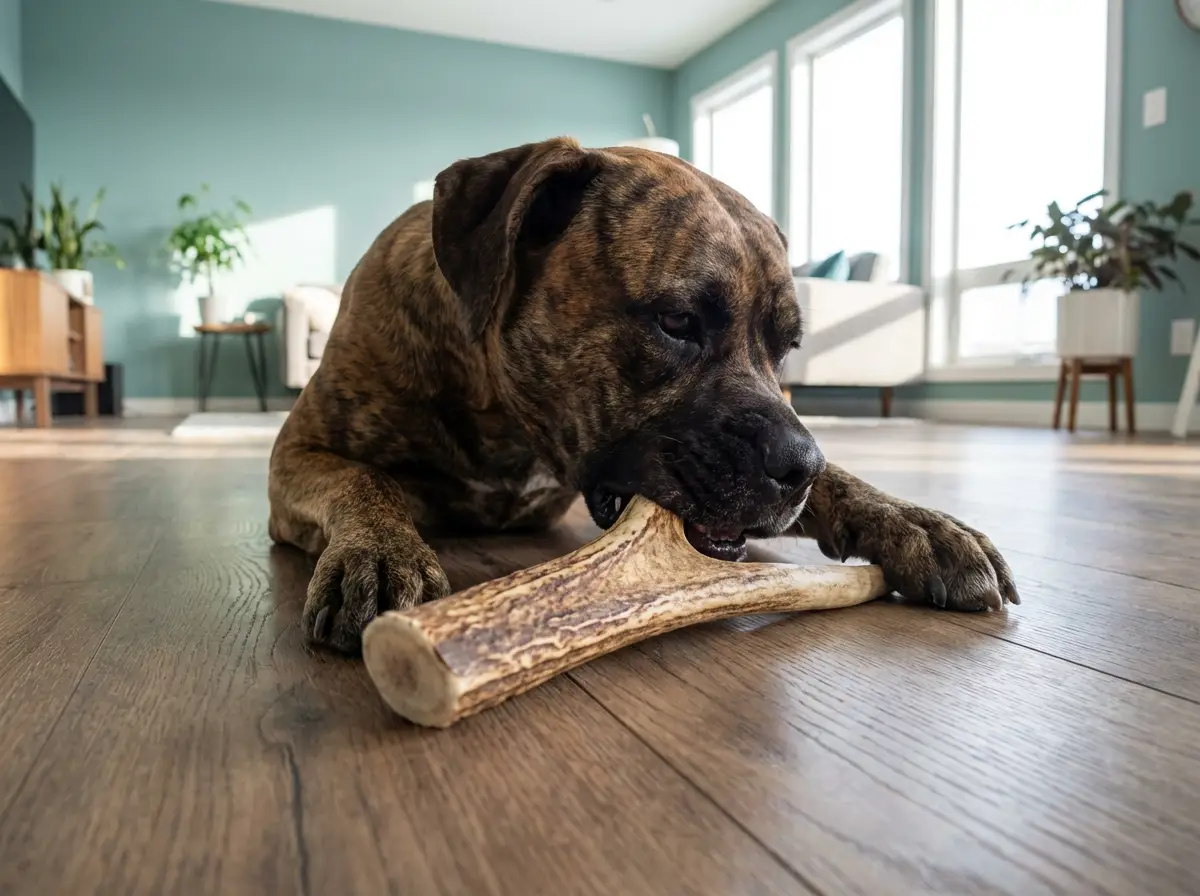
Natural elk antler chew for dogs

Use With Caution — Natural Antler Chew

Why some owners like it: Antlers can last a long time and appeal to dogs that love natural texture and scent. They are often less messy than stuffed toys and may keep some moderate chewers busy for a while.

Important safety note: Antlers are very hard. For aggressive chewers, that hardness can be a problem because dogs may bite down hard enough to risk tooth damage. If your dog is a heavy cruncher, has dental issues, is a puppy, or is a senior, a flexible rubber toy is usually the safer first choice.

Pros

  • Long-lasting for some dogs
  • Natural chew texture
  • No stuffing or fabric layers
  • Often lower odor than many edible chews

Cons

  • Very hard and may risk cracked teeth
  • Not ideal for heavy crunchers
  • Should only be used with close supervision
  • Must be size-appropriate

Best for: Moderate chewers that enjoy natural texture — not dogs that bite down hard enough to crunch rigid chews.

Check Price on Amazon
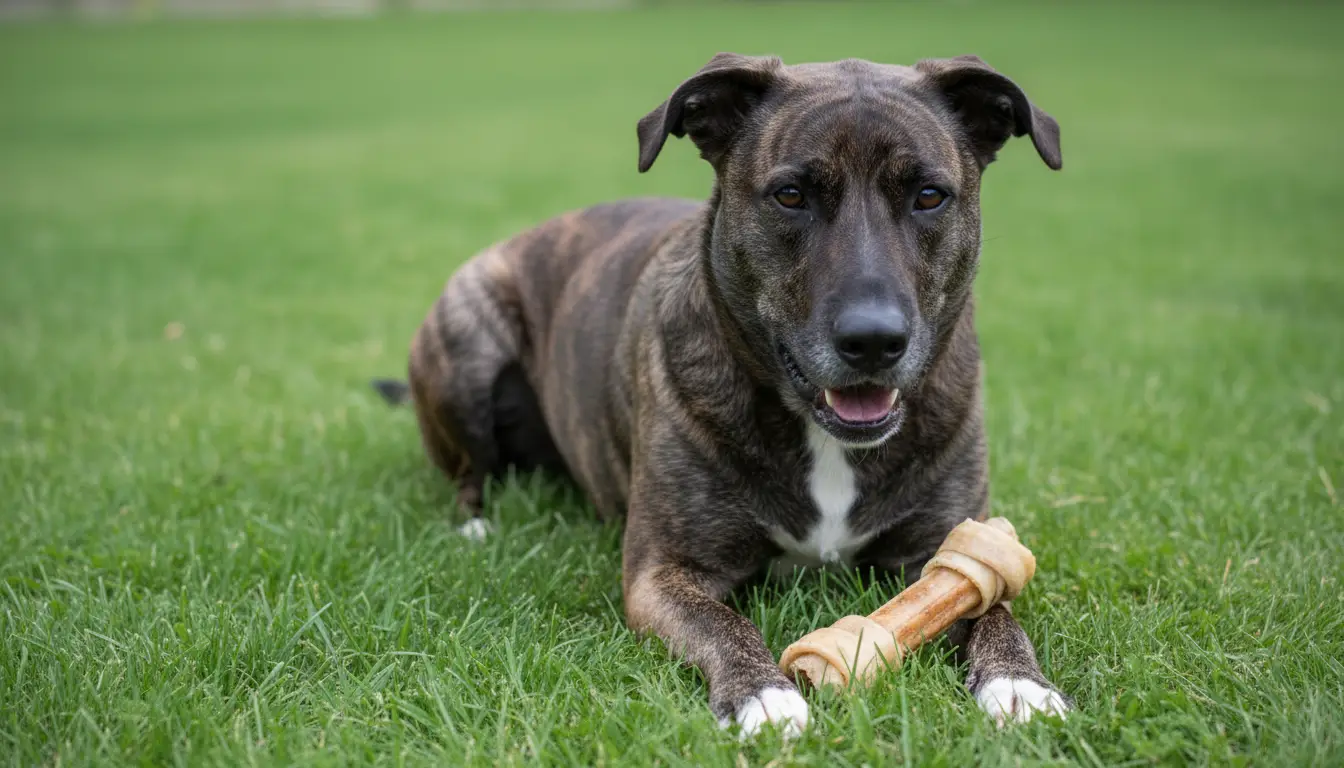
Durable bone style chew toy for power chewers

Best Durable Bone — Tough Chew for Power Grinders

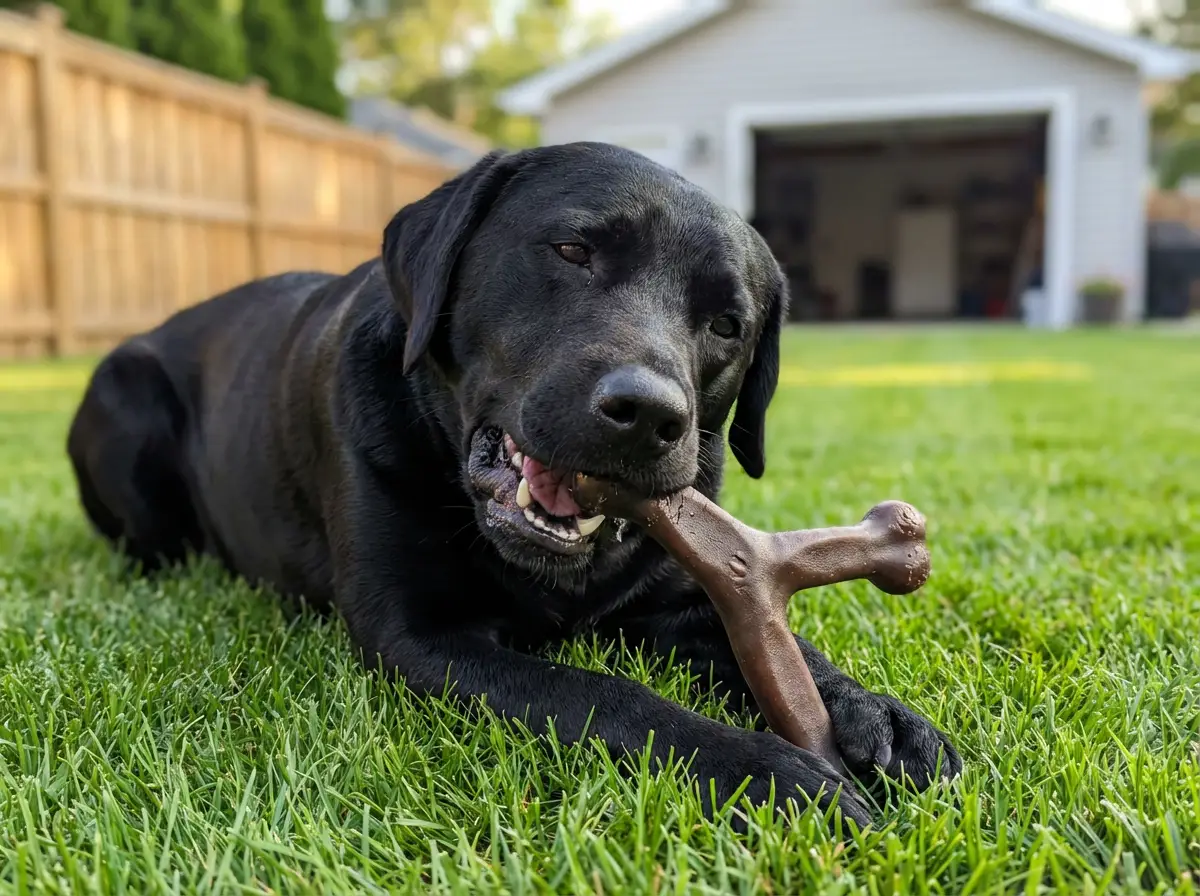
Why it works: Some dogs do not want a toy that rolls, squeaks, or bounces. They want something they can pin between their paws and work on quietly. A durable bone-style chew can be a good fit for dogs that settle in and grind instead of chasing toys around the room.

This style is best used as a supervised chew, not a toy that gets left out forever. Once the ends become sharp, deeply worn, or small enough to swallow, it is time to replace it.

Pros

  • Good for long chew sessions
  • Easy for dogs to hold with their paws
  • Can help redirect furniture chewing
  • No stuffing or fabric mess

Cons

  • Limited exercise value
  • Can be heavy for smaller dogs
  • Needs replacement when worn down

Best for: Dogs that like holding a chew and slowly grinding with their back teeth.

Check Price on Amazon

Toys That Claim “Indestructible” But Usually Fail

If your dog destroys toys fast, the weakest parts usually show up first. These are the toy styles I would be careful with for serious power chewers:

  • Layered fabric toys: dogs can separate stitching and rip the layers apart.
  • Thin rope toys: strands can unravel and may be swallowed.
  • Hard plastic toys: brittle plastic can crack into sharp pieces.
  • Decorative chew toys: coatings, glued pieces, and soft outer layers can peel off.
  • Stuffed toys with squeakers: fun for many dogs, but risky if your dog removes and swallows parts.

Simple rule: durability is not just thickness. A good chew toy should handle pressure without cracking, peeling, or shedding pieces your dog can swallow.

Pick Based on Your Dog’s Chewing Style

Shredders

Choose flexible rubber and supervised stuffable toys. Avoid fabric layers, seams, and anything with loose parts.

Power Biters

Choose thick rubber with smooth shapes and no decorations. Watch closely for edge tearing or deep bite marks.

Obsessive Chewers

Rotate 3 to 5 toys every few days. Rotation keeps toys more interesting and reduces nonstop wear on one favorite.

When Should You Replace a Chew Toy?

Replace a toy sooner than you think if your dog is a serious chewer. Once a toy starts breaking down, the risk changes from “durable play” to “possible swallowed pieces.”

  • Replace rubber toys when chunks, cracks, or sharp torn edges appear.
  • Replace nylon chews when ends become sharp, thin, or deeply gouged.
  • Remove rope toys when strands begin to fray or pull loose.
  • Throw away stuffed toys if stuffing or squeakers become exposed.
  • Size up if your dog can fit the whole toy inside their mouth.

Common Questions About Dog Toys for Aggressive Chewers

Are any dog toys truly indestructible?

No. A determined power chewer can eventually damage almost anything. The goal is to choose toys that last longer, break down less dangerously, and can be inspected easily.

Are antlers safe for power chewers?

Antlers are very hard and should be used with caution. They may be too hard for dogs that bite down aggressively, puppies, senior dogs, or dogs with dental issues. Dense rubber is usually the safer first choice for many heavy chewers.

Is nylon safe for aggressive chewers?

Nylon can work for steady gnawers, but it is still hard. Use it with supervision, choose the correct size, and remove it if your dog tries to crunch it or if the chew becomes sharp or deeply worn.

How often should I replace a dog toy?

Replace it when pieces start breaking off, edges become sharp, rubber cracks, rope frays, stuffing shows, or the toy becomes small enough to swallow. Heavy chewers need more frequent inspections.

Why does my dog ignore new durable toys?

Some durable toys do not smell interesting at first. Try supervised stuffing, treat rubbing, short play sessions, or rotating the toy out for a few days and bringing it back later.

How many toys should a power chewer have?

A rotation of 3 to 5 toys works well for many dogs. Keep one or two available, then swap them every few days to make each toy feel new again.

More Dog Guides

Final Thoughts

If your dog destroys toys quickly, do not feel like you are doing something wrong. Some dogs simply have stronger jaws, more drive, and more patience than others. The goal is not to find a magic toy that lasts forever. The goal is to choose a safer, tougher option that matches the way your dog actually chews.

For many aggressive chewers, dense rubber is the best first place to start. Nylon chews may work for steady gnawers, while antlers should be treated with caution because they are extremely hard. Whatever you choose, supervise early, inspect often, and replace the toy before worn pieces become a problem.

Some of the links on this website are affiliate links, which means that if you click on them and make a purchase, we may earn a small commission — at no additional cost to you.