chatgpt image feb 1, 2026, 10 32 34 am

Explore Dog Food Guide

Choosing dog food can feel confusing because every dog has different needs based on age, size, activity level, body condition, and common sensitivities. This guide helps you compare dog food by life stage, breed size, and general dietary needs so you can narrow your options before shopping.

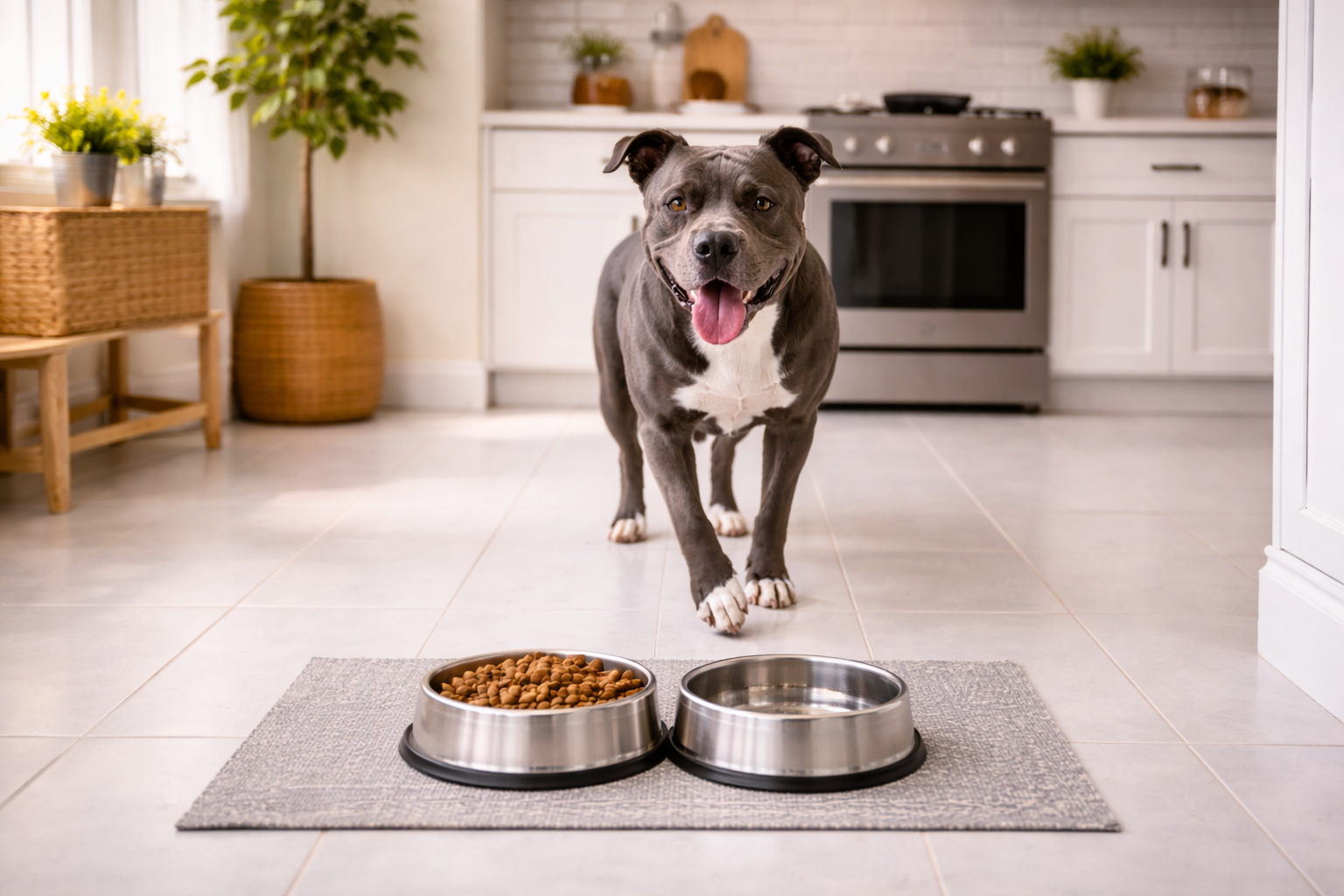
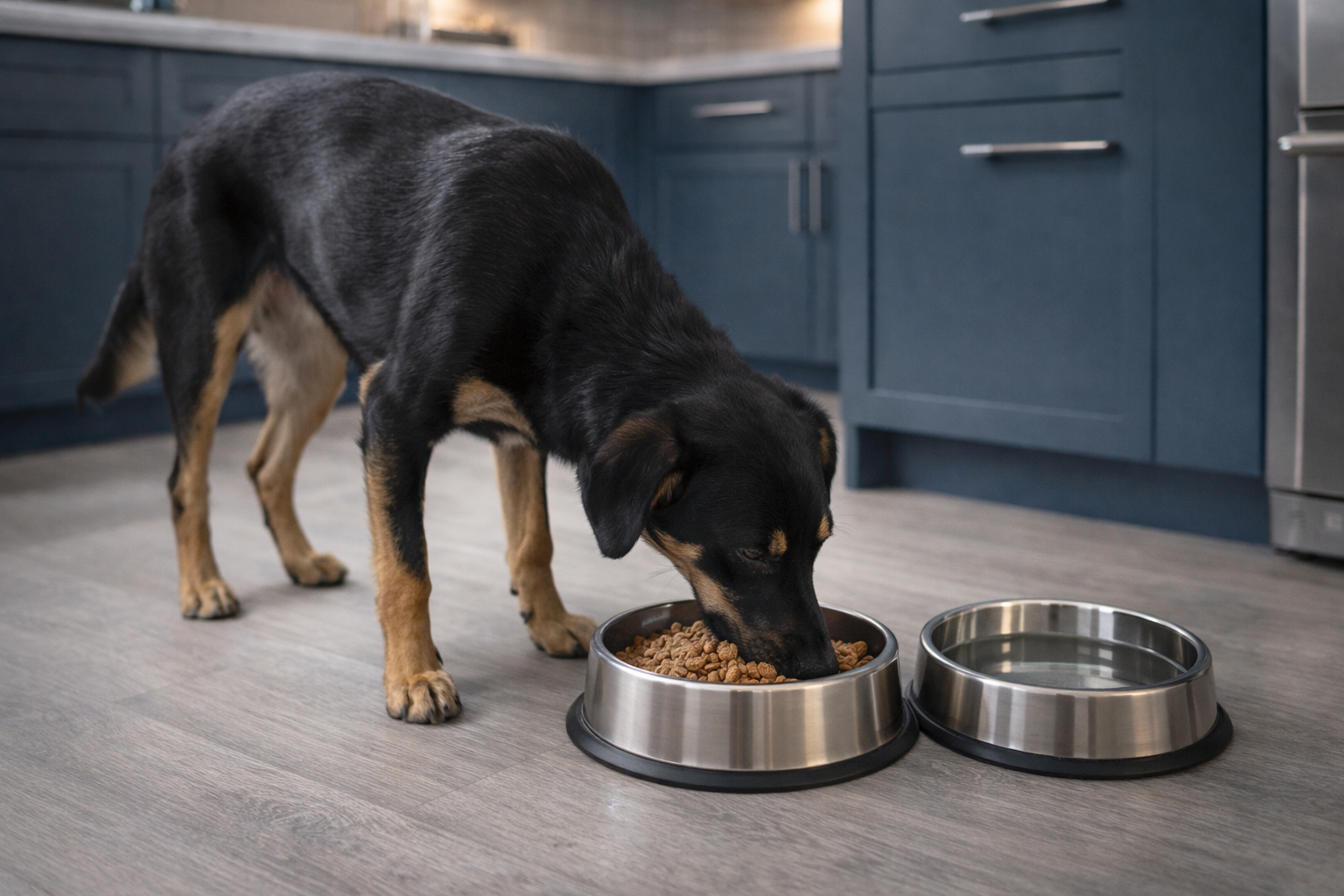
Dog eating from a food bowl in a modern kitchen
Affiliate Disclosure As an Amazon Associate, we earn from qualifying purchases. Some links on this page may be affiliate links, which means we may earn a small commission if you buy through those links — at no additional cost to you.

Dog food is one of the biggest pet-care decisions because there is no single formula that fits every dog. Puppies need food made for growth, adult dogs usually need maintenance formulas, senior dogs may need easier-to-manage nutrition, and breed size can affect kibble size, calorie needs, and feeding portions.

Some dogs also deal with sensitive stomachs, itchy skin, food intolerances, allergies, or weight-control concerns. This guide breaks the main dog food categories into simple groups so it is easier to compare options before choosing a specific product.

How to Choose the Right Dog Food Category

The right dog food usually starts with four basics: age, size, activity level, and common sensitivities. Starting with those factors keeps the process simple and helps you avoid choosing food based only on front-label marketing.

A growing puppy, a small indoor adult dog, a senior large-breed dog, and a dog with digestive issues may all need different types of food. That is why it helps to compare dog food by category first, then compare specific products after you know which type fits your dog.

Before Buying: Check the Dog Food Label

Before choosing a food, look for a nutritional adequacy statement on the package. A dog food labeled as complete and balanced is intended to provide the required nutrients in the correct ratios for the life stage shown on the label.

Match the label to your dog’s stage of life. Puppy, adult maintenance, senior, large-breed puppy, and all-life-stages formulas are not the same thing, so the life-stage statement matters.

This guide is for general shopping help only. If your dog has vomiting, diarrhea, chronic itching, sudden weight change, allergies, a medical condition, or needs a prescription diet, ask your veterinarian before changing foods.

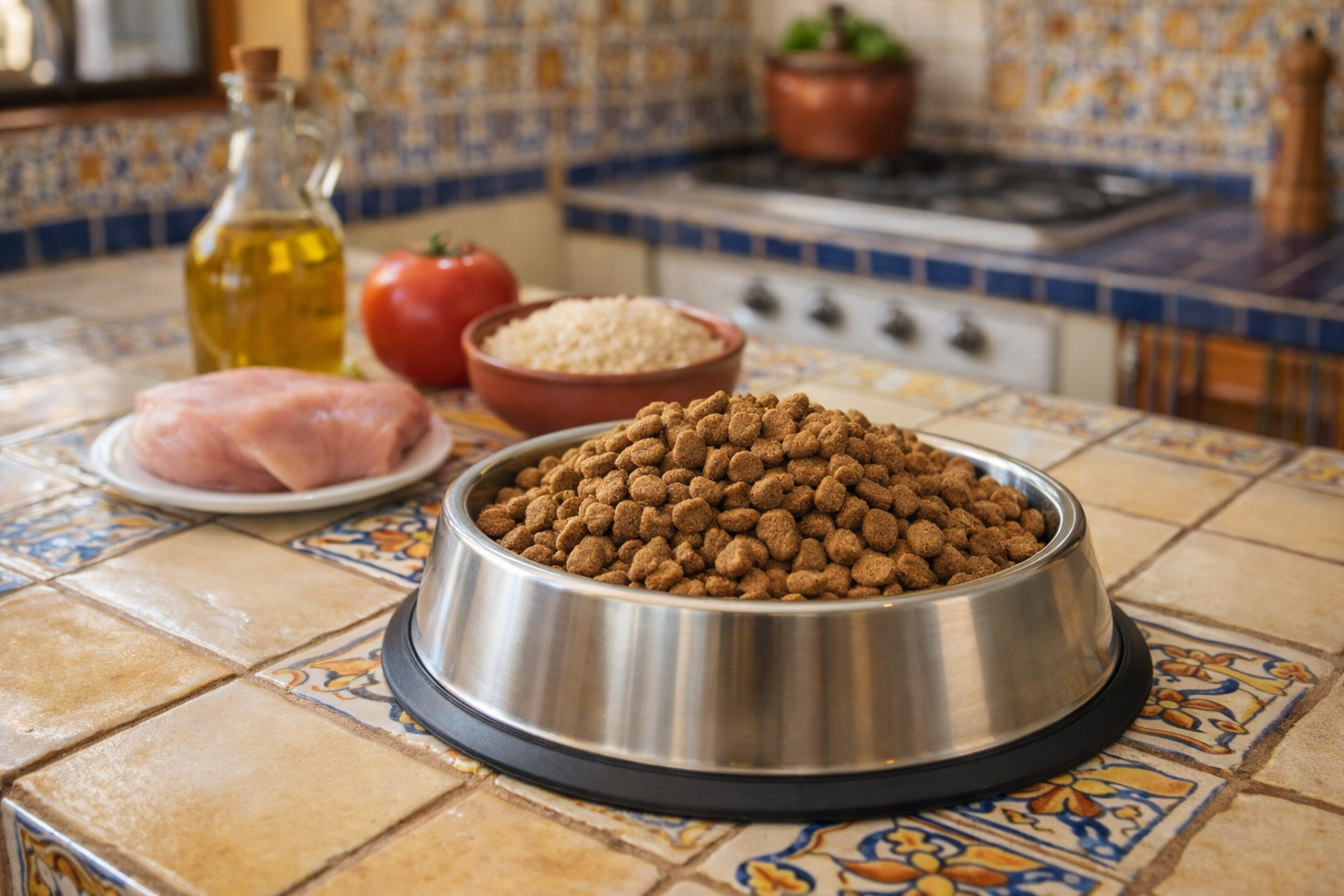
Dog bowl with kibble and simple ingredients nearby

Dog Food by Life Stage

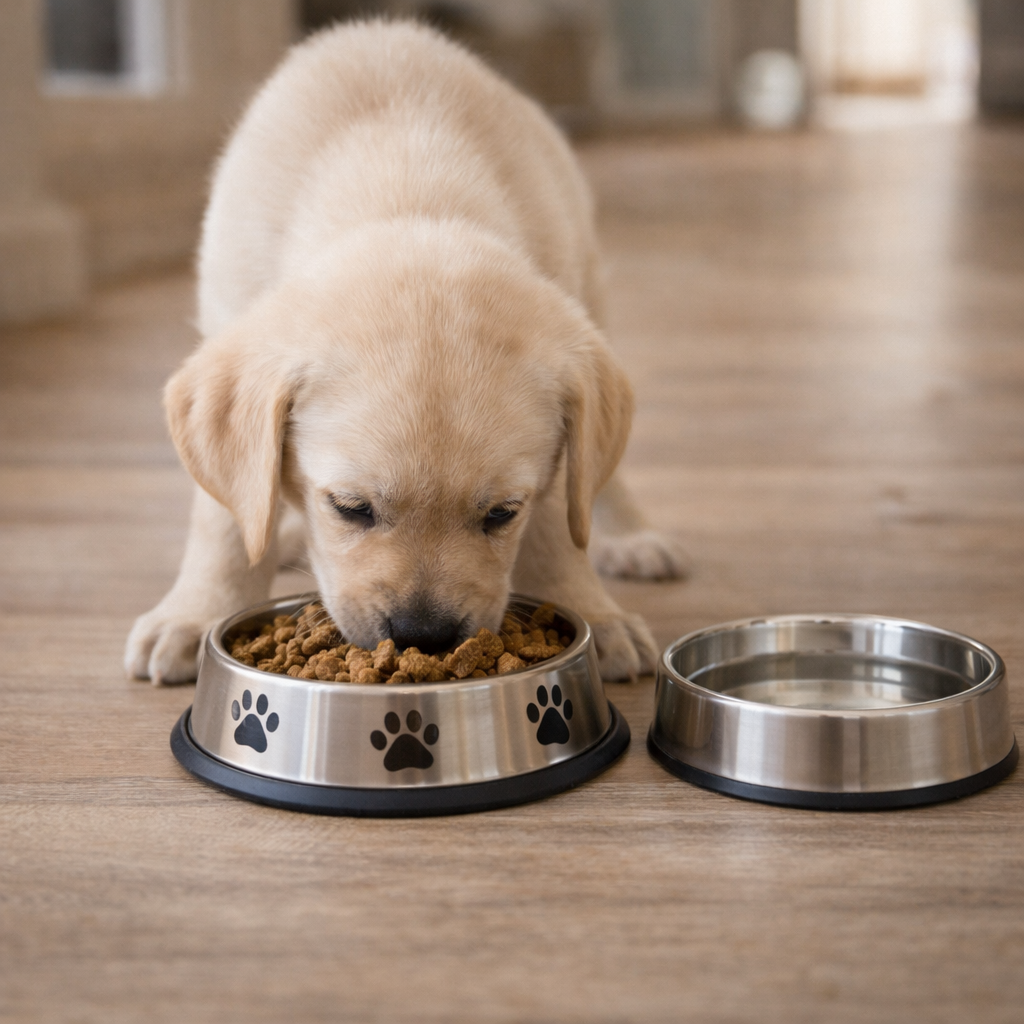
Puppy eating from a bowl

Puppy Food

Puppy food is made for growing dogs. These formulas usually focus on growth, development, energy needs, and nutrients that support a puppy during its early life stage.

Large-breed puppies may need a more specific formula than smaller puppies because controlled growth and proper mineral balance are especially important for bigger dogs.

Shop Puppy Food Options on Amazon
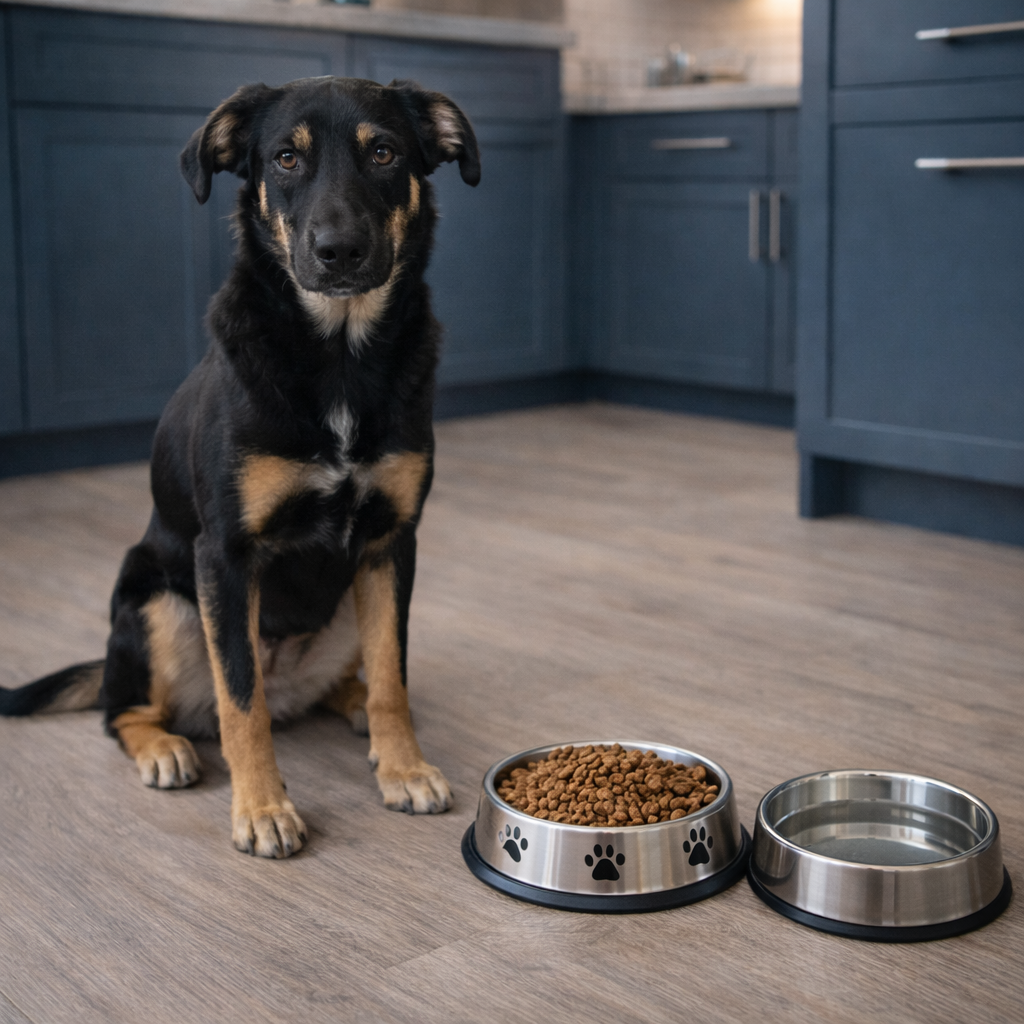
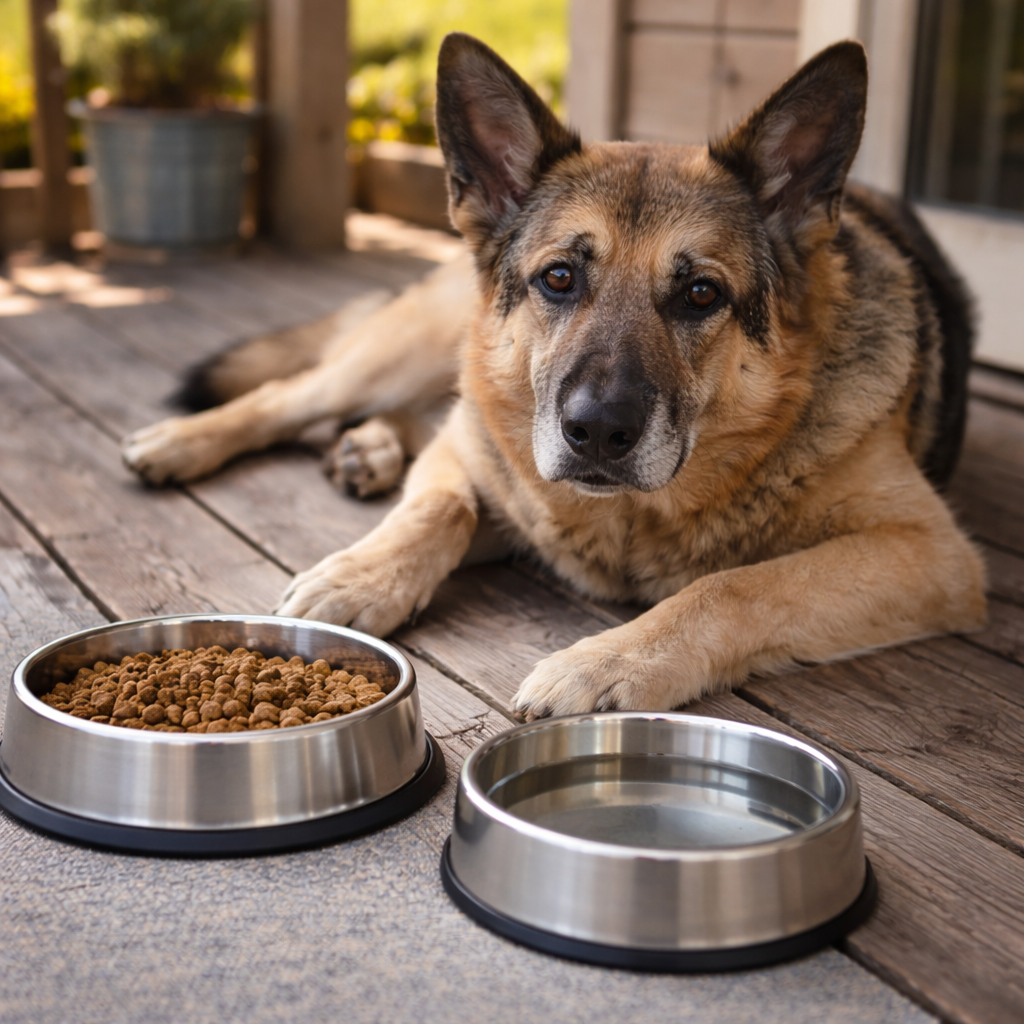
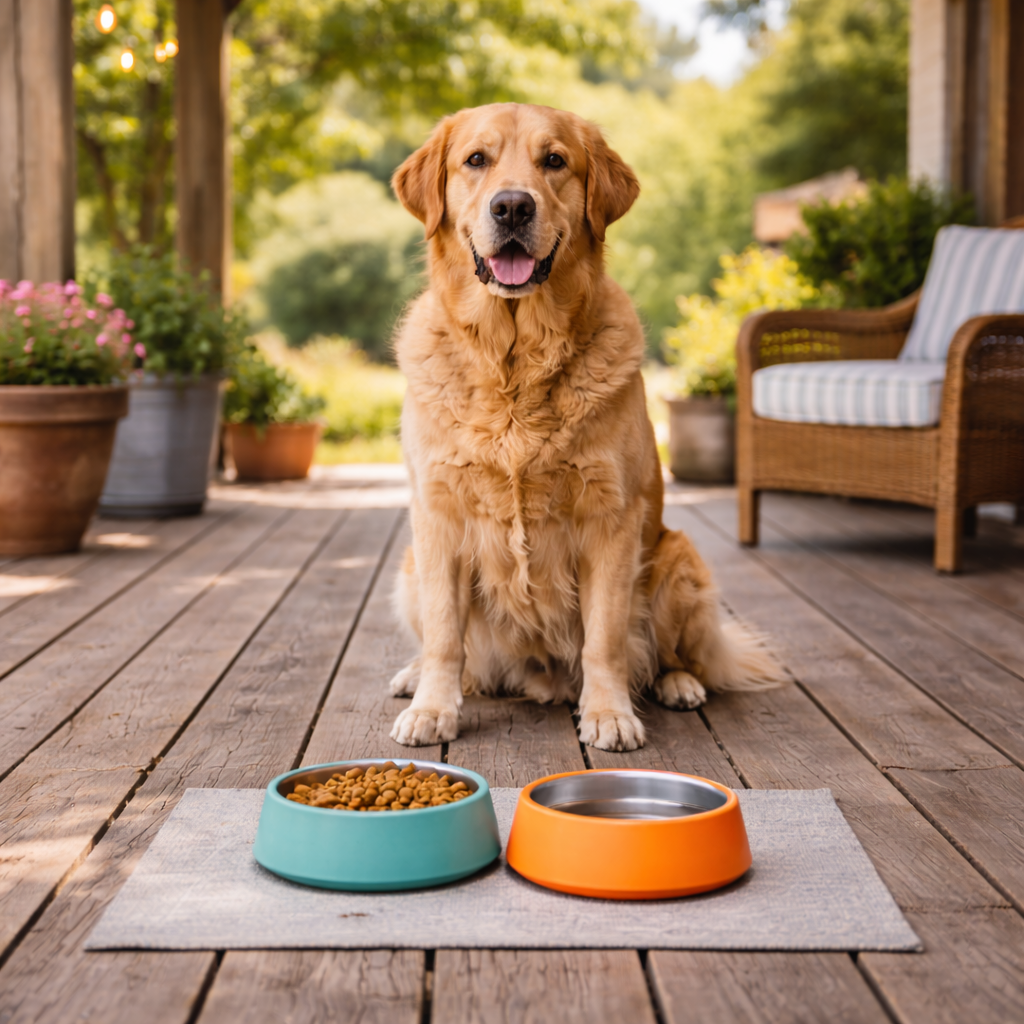
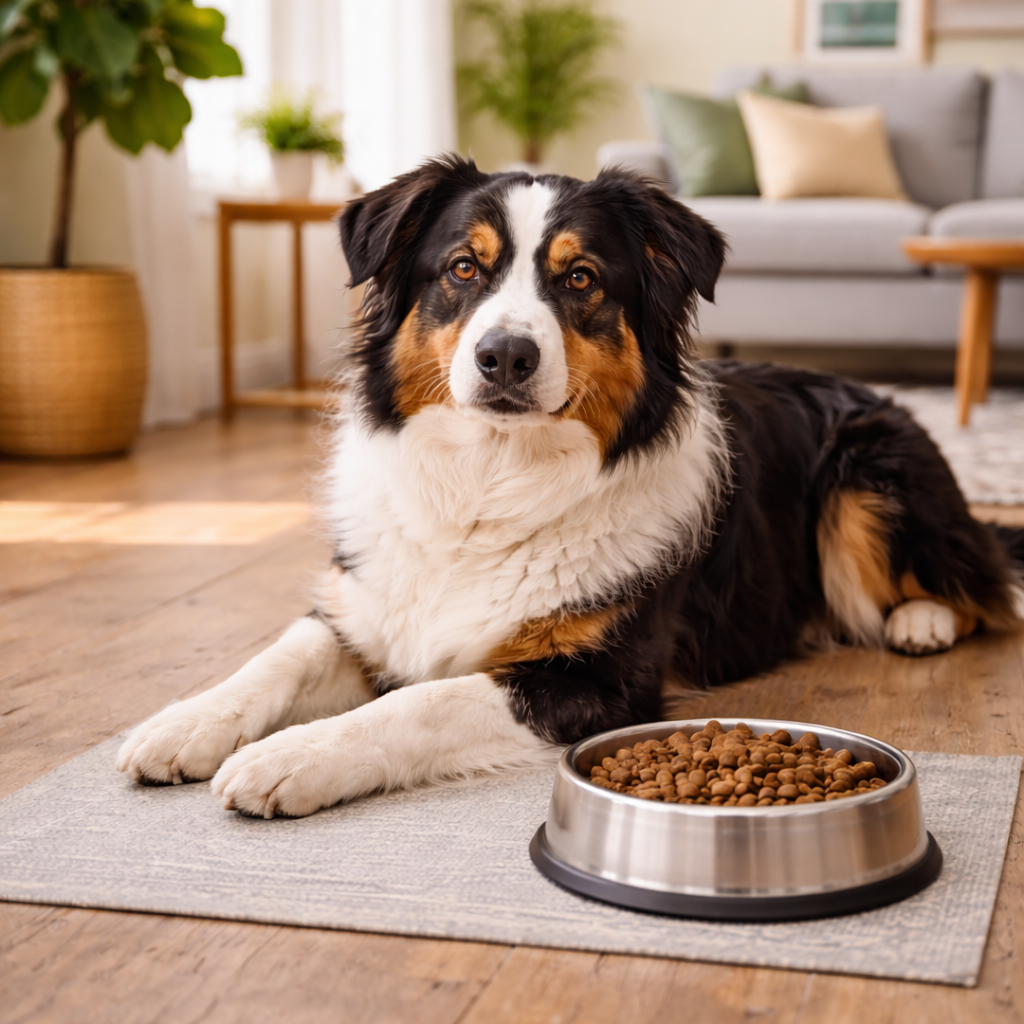
Adult dog beside a food bowl

Adult Dog Food

Adult maintenance formulas are designed for healthy adult dogs that are no longer in the puppy growth stage. These foods usually focus on steady daily nutrition, body condition, and normal energy needs.

For many dogs, adult food is the everyday baseline. From there, you can narrow the choice by breed size, activity level, ingredient preference, or sensitivity needs.

Shop Adult Dog Food Options on Amazon
Senior dog resting near a food bowl

Senior Dog Food

Senior dog foods are usually aimed at older dogs that may be less active or more prone to weight and mobility concerns. These formulas often focus on easier daily feeding and healthy body condition.

Not every older dog needs a senior-specific formula, so it helps to compare your dog’s activity level, weight, digestion, and veterinarian recommendations before switching.

Shop Senior Dog Food Options on Amazon
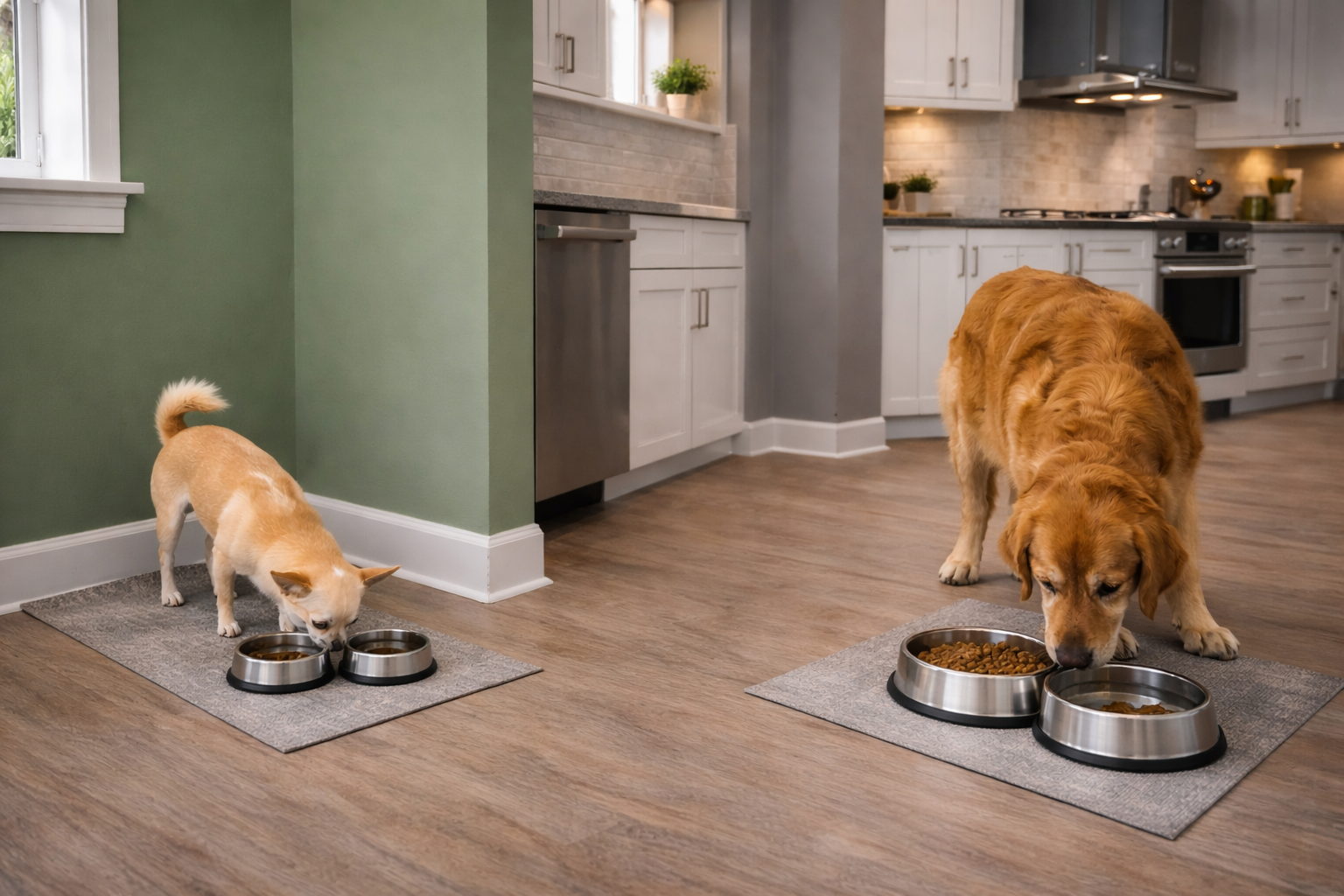
Small dog and large dog with separate food bowls

Dog Food by Breed Size

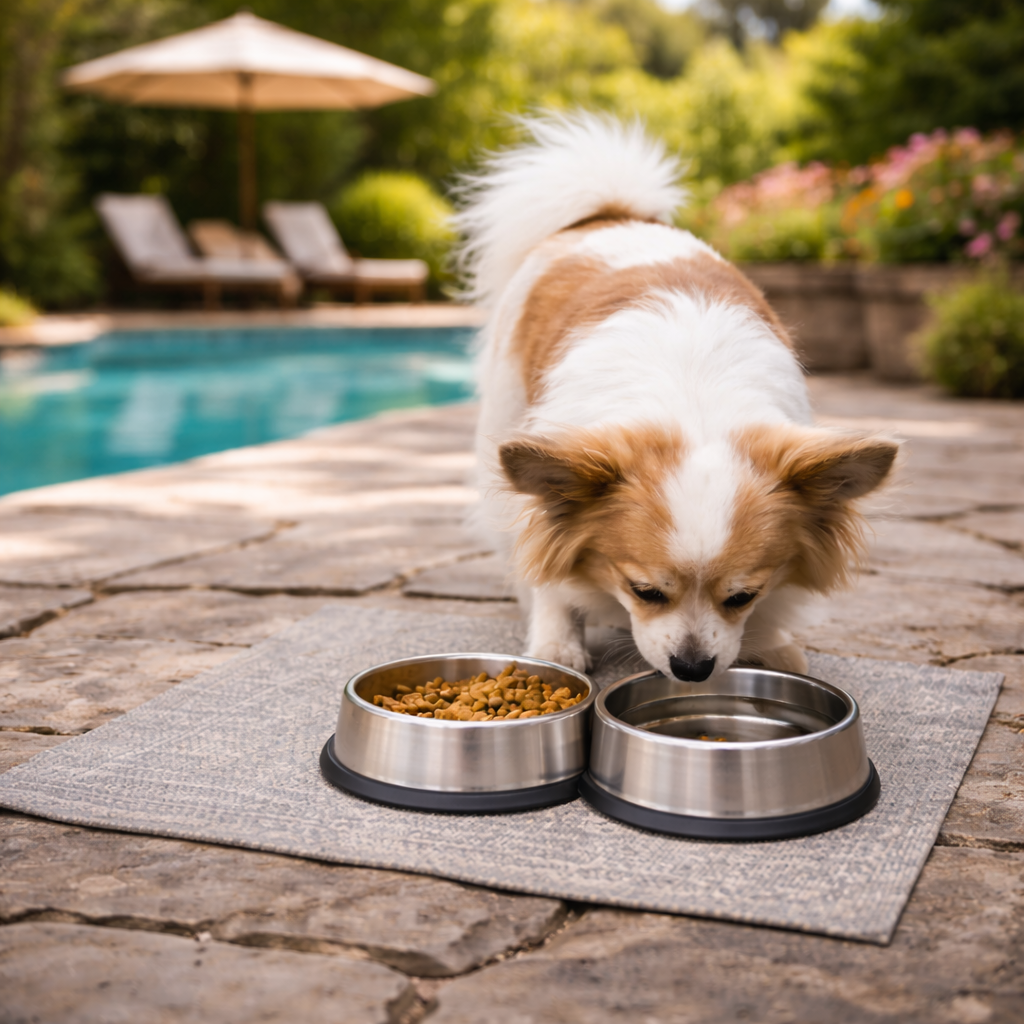
Small breed dog eating from a bowl

Small Breed Dog Food

Small-breed dog foods are made with smaller dogs in mind. They often use smaller kibble pieces that are easier for small mouths to pick up and chew.

These foods may also be designed around the energy needs of smaller dogs, but portion control still matters because small dogs can gain weight quickly if overfed.

Shop Small Breed Food Options on Amazon
Large breed dog eating from a bowl

Large Breed Dog Food

Large-breed dog food usually focuses on healthy body condition, appropriate calorie intake, and support for bigger frames. Keeping extra weight off is important because added weight can put more stress on joints.

For large-breed puppies, choose a formula made for large-breed growth. For adult large dogs, compare formulas by calories, life stage, ingredient quality, and your dog’s activity level.

Shop Large Breed Food Options on Amazon
Healthy dog in a bright room with a clean food bowl

Dog Food for Common Sensitivities

Calm dog beside a simple food bowl

Sensitive Stomach

Sensitive-stomach formulas are often chosen for dogs that do better with simpler, gentler recipes. Some owners look at this category when their dog struggles with loose stool, gas, or food transitions.

Any food change should be made gradually unless your veterinarian tells you otherwise. If digestive symptoms are ongoing, severe, or sudden, it is safest to ask your vet.

Shop Sensitive Stomach Food on Amazon
Dog with a healthy shiny coat

Skin and Coat Support

Skin and coat formulas are usually aimed at dogs with dry skin, dull coats, or owners who want food with nutrients that support coat condition.

Food may help support skin and coat health over time, but itching, redness, hair loss, or recurring ear issues can have many causes and should be discussed with a veterinarian.

Shop Skin and Coat Food on Amazon
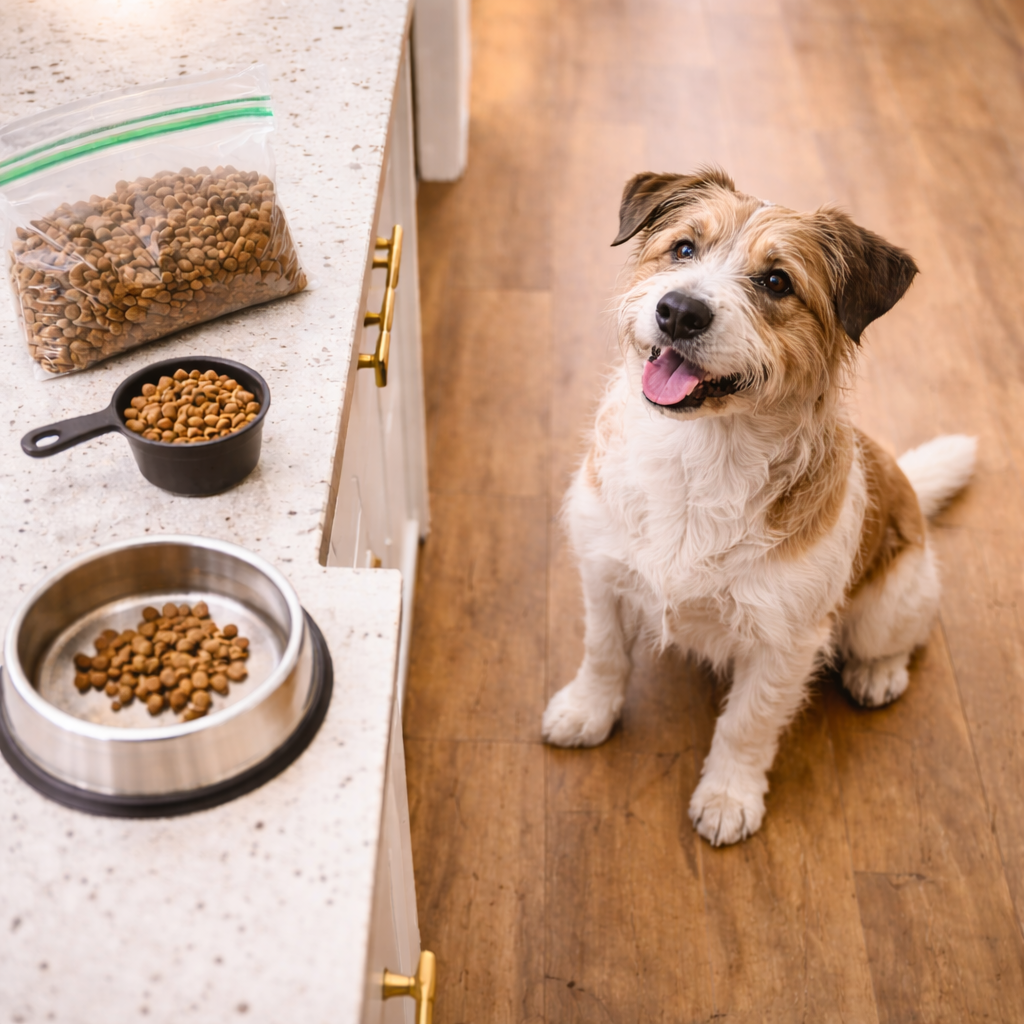
Fit dog beside a measured portion of food

Weight Management

Weight-management formulas are made for dogs that need calorie control while still getting daily nutrition. They are often used for less active dogs or dogs that gain weight easily.

Food choice is only one part of weight control. Portions, treats, exercise, and regular weigh-ins all matter when helping a dog maintain a healthier body condition.

Shop Weight Management Food on Amazon

Quick Dog Food Category Comparison

CategoryBest ForMain FocusWhat to Watch For
Puppy FoodGrowing dogsGrowth support, calories, developmentLarge-breed puppies may need a large-breed puppy formula
Adult Dog FoodHealthy adult dogsBalanced daily nutritionMay not fit special size, weight, or sensitivity needs
Senior Dog FoodOlder dogsBody condition, digestion, and mobility supportNot every senior dog needs a senior-specific formula
Small Breed FoodSmall and toy breedsSmall kibble and small-dog feeding needsCan be too calorie-dense if portions are not watched
Large Breed FoodBigger framed dogsCalorie balance and support for larger bodiesImportant to match both size and life stage
Sensitive Stomach FoodDigestive concernsSimpler, gentler formulasOngoing digestive symptoms should be checked by a vet
Skin & Coat FoodDry skin or dull coat concernsCoat condition and skin supportItching or hair loss may have medical causes
Weight Management FoodLess active or overweight dogsCalorie control and portion managementTreats and feeding amounts still matter
Happy healthy dog near a food bowl in a bright home

Next Step: Compare More Dog Guides

Once you know which food category fits your dog, the next step is comparing the other essentials that support daily care, comfort, training, travel, and cleanup.

Use the dog guide links above to move into more focused comparison pages for beds, crates, harnesses, seat covers, and toys.

Explore More Dog Guides

About This Guide

This guide was created by Paws Fins and Shells to help dog owners compare common dog food categories before shopping. It is intended for general education and product research, not veterinary diagnosis or treatment.

Last updated: May 2026