Menu
Cat toys are not just for fun. The right toys can help indoor cats chase, pounce, hunt, solve simple problems, burn energy, and stay mentally engaged. This guide compares popular cat toy types so you can choose better options for your cat's age, confidence level, and play style.
If your cat seems bored indoors, you may also want to read our guide to why cat toys are essential for indoor enrichment.
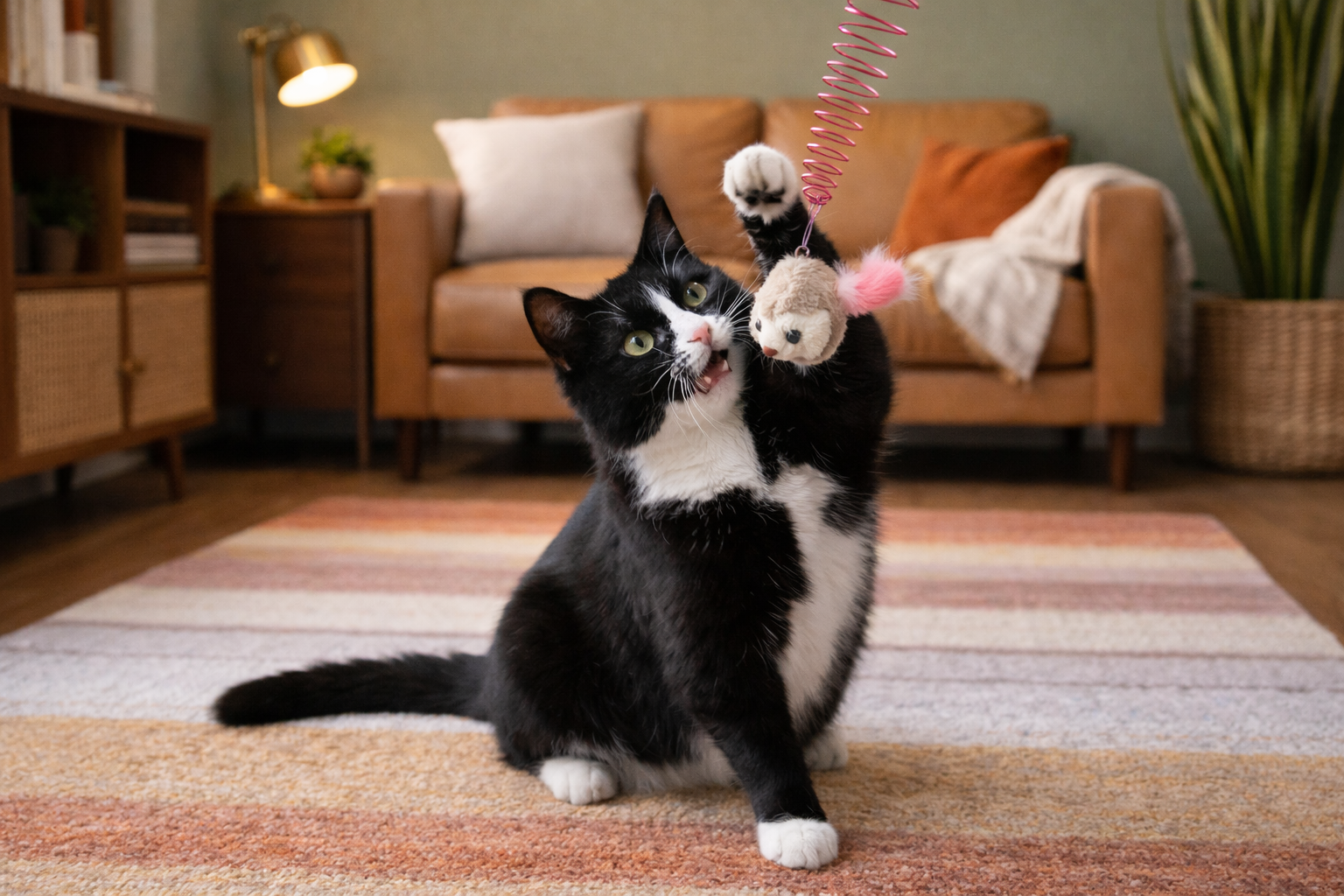
My top cat toy picks are organized by play style, enrichment value, safety considerations, and everyday indoor use.
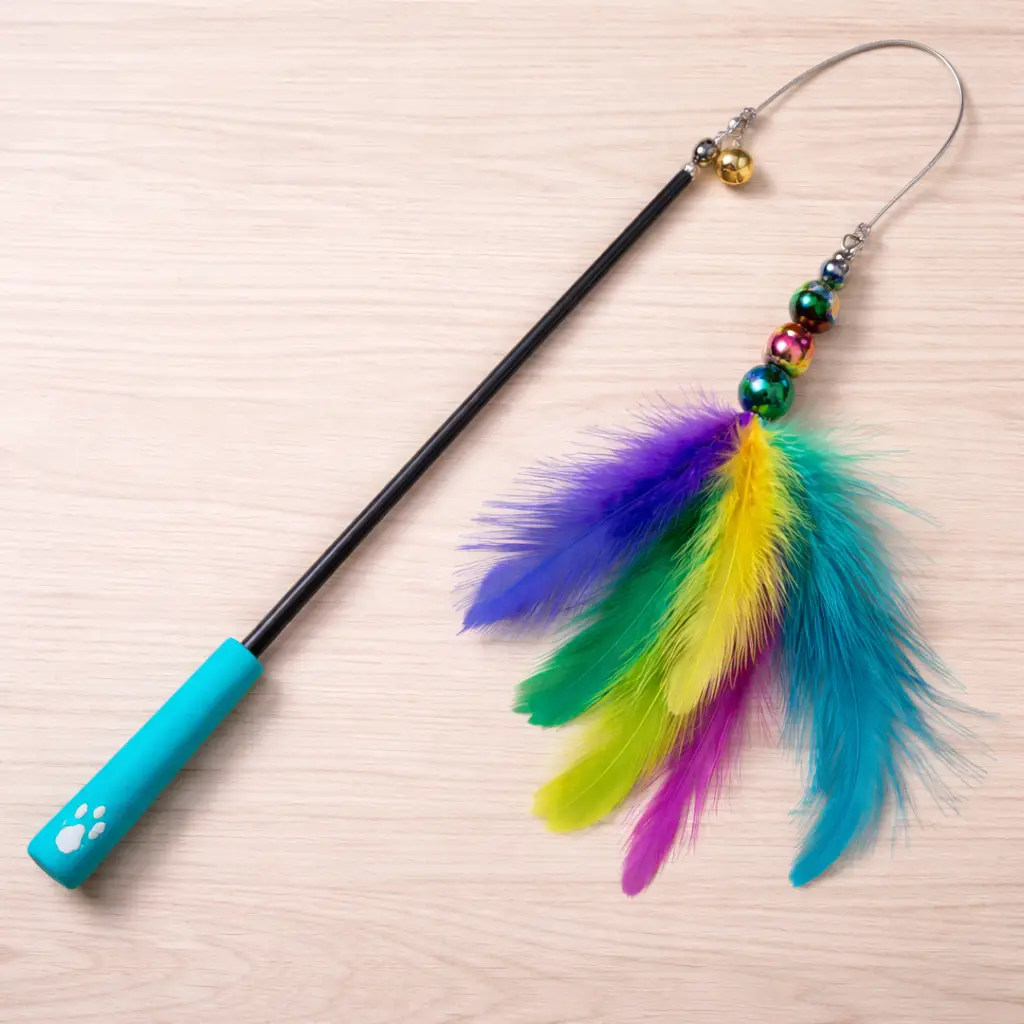
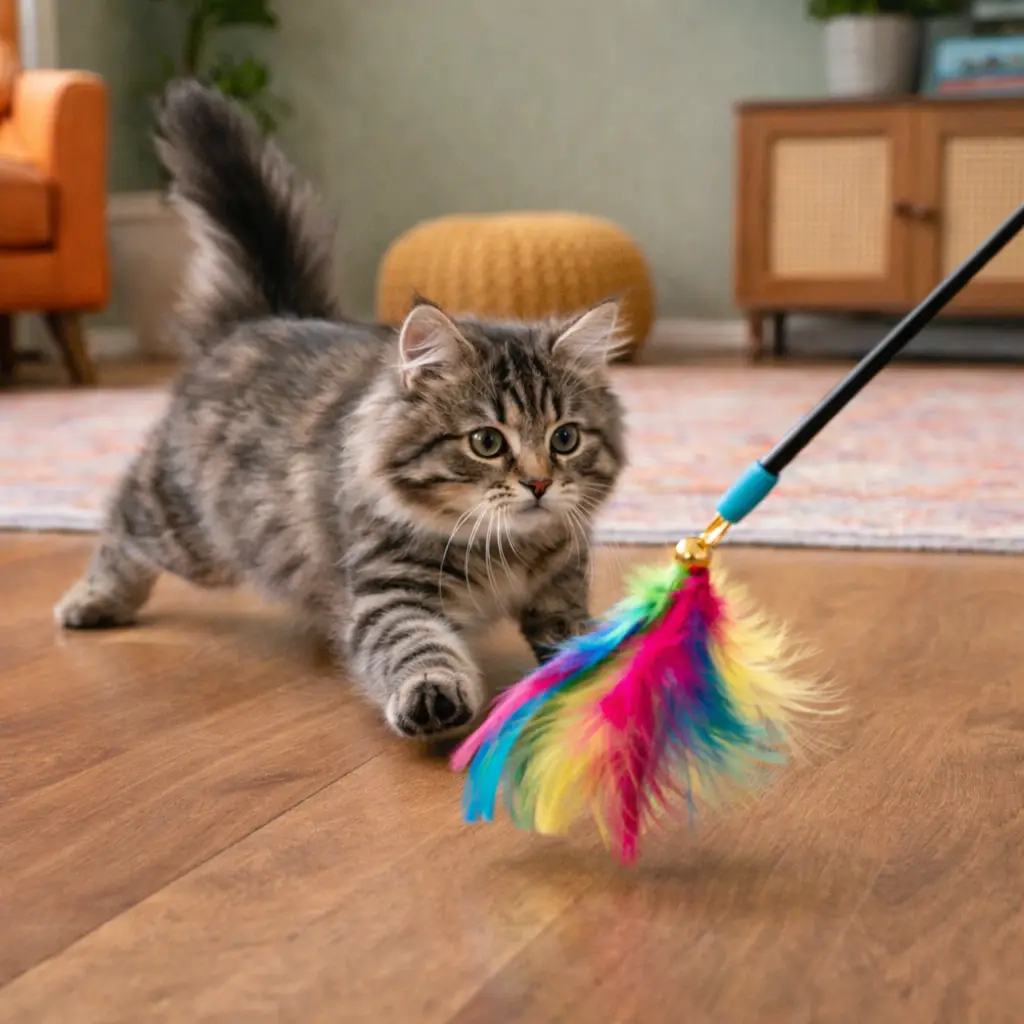
Interactive Wand Toy
Popular choice for active indoor play
Da Bird Classic Feather Teaser Wand — Check Price on Amazon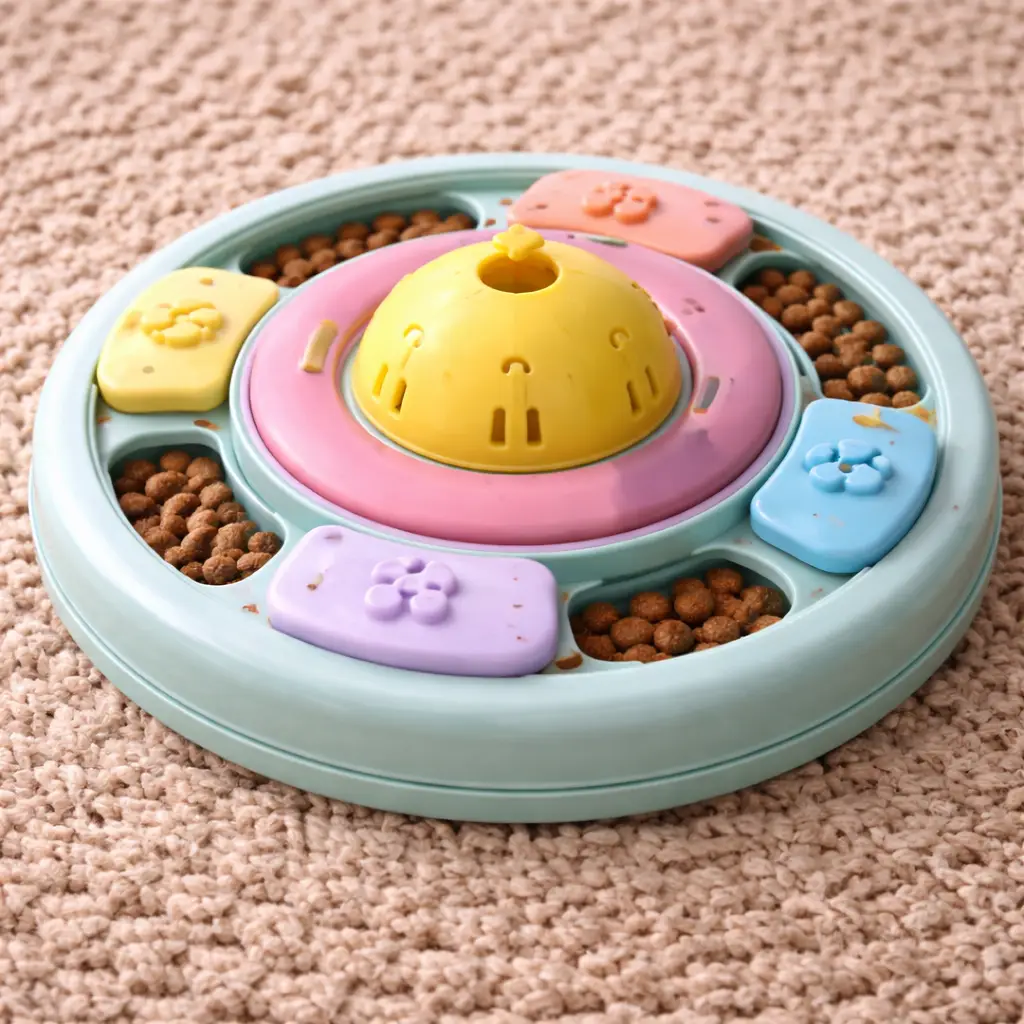
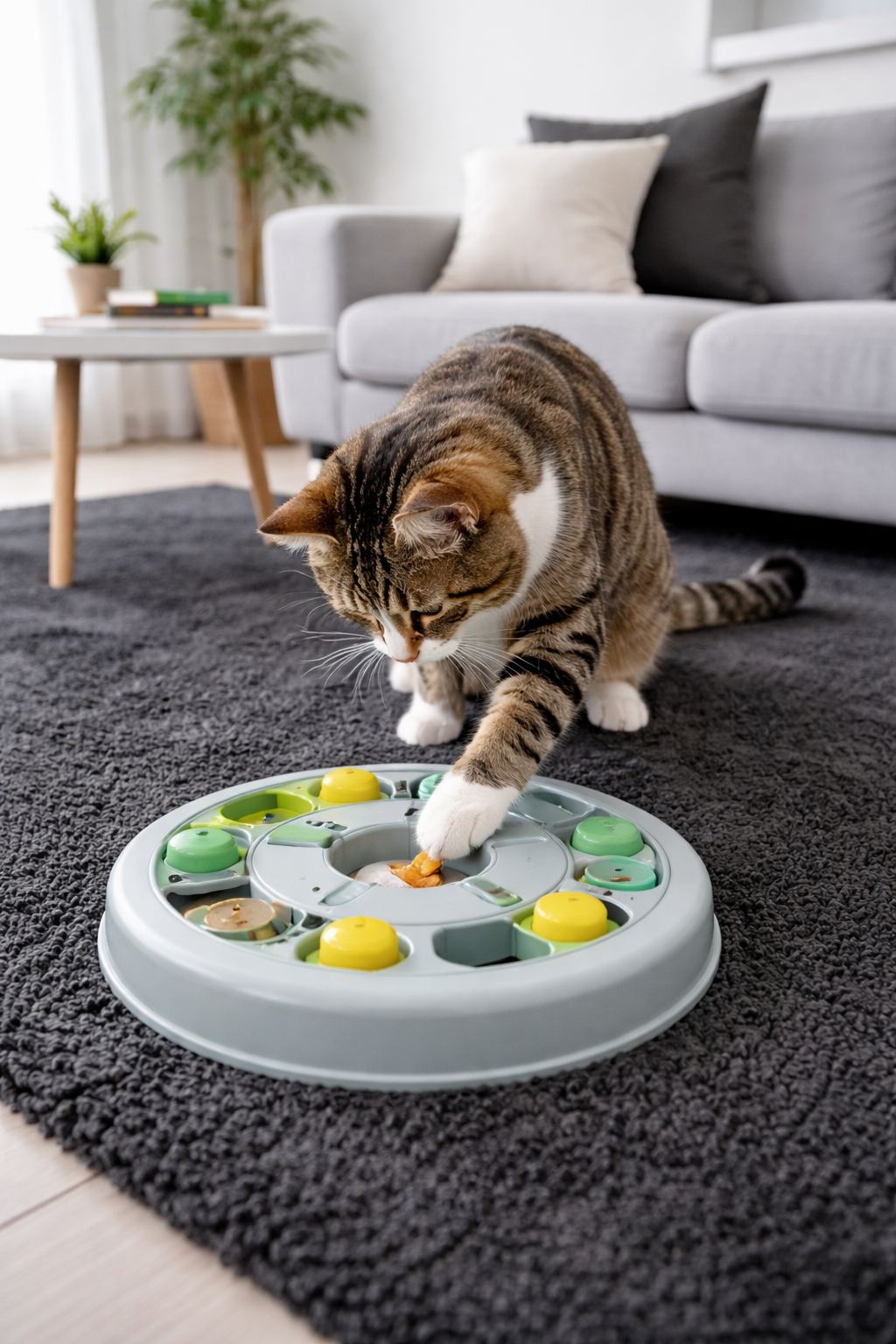
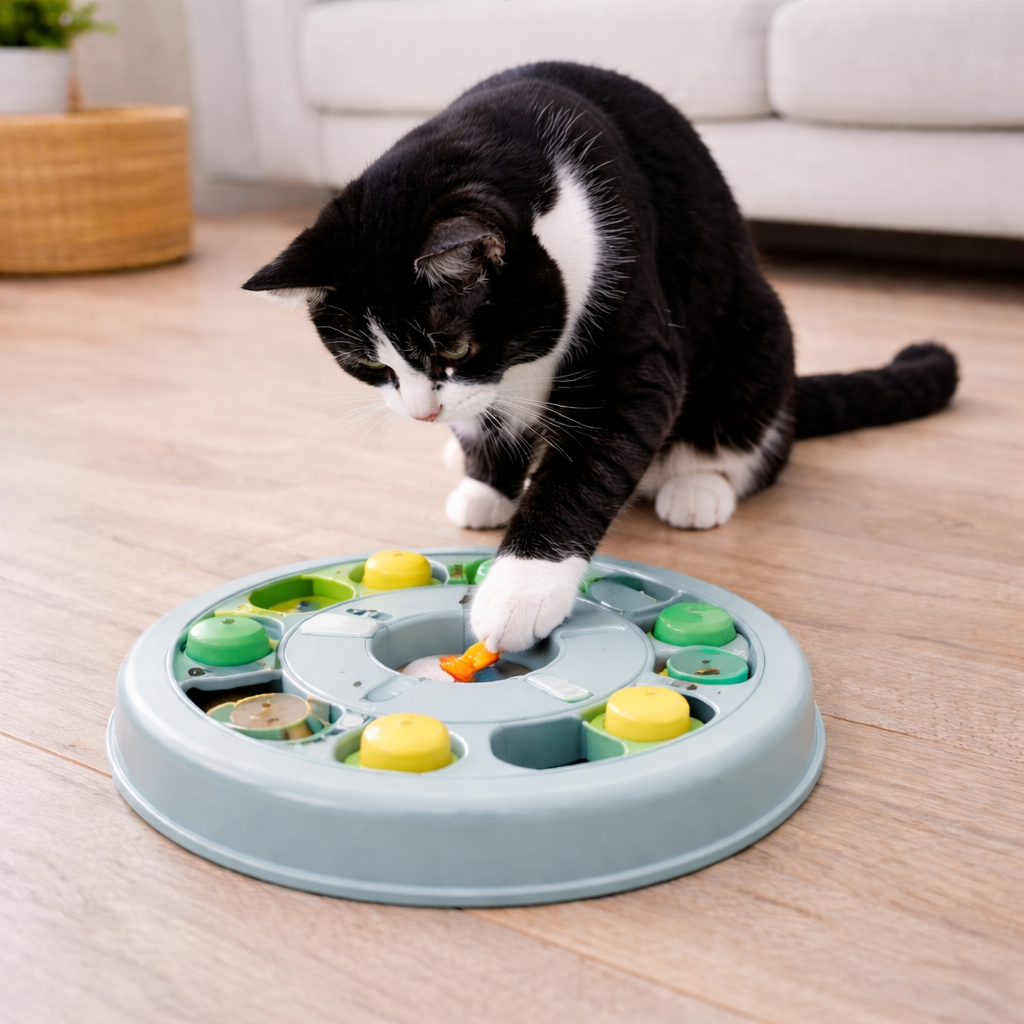
Treat Puzzle Feeder
Good for food-based enrichment
Catstages Nina Ottosson Buggin' Out Puzzle & Play — Check Price on Amazon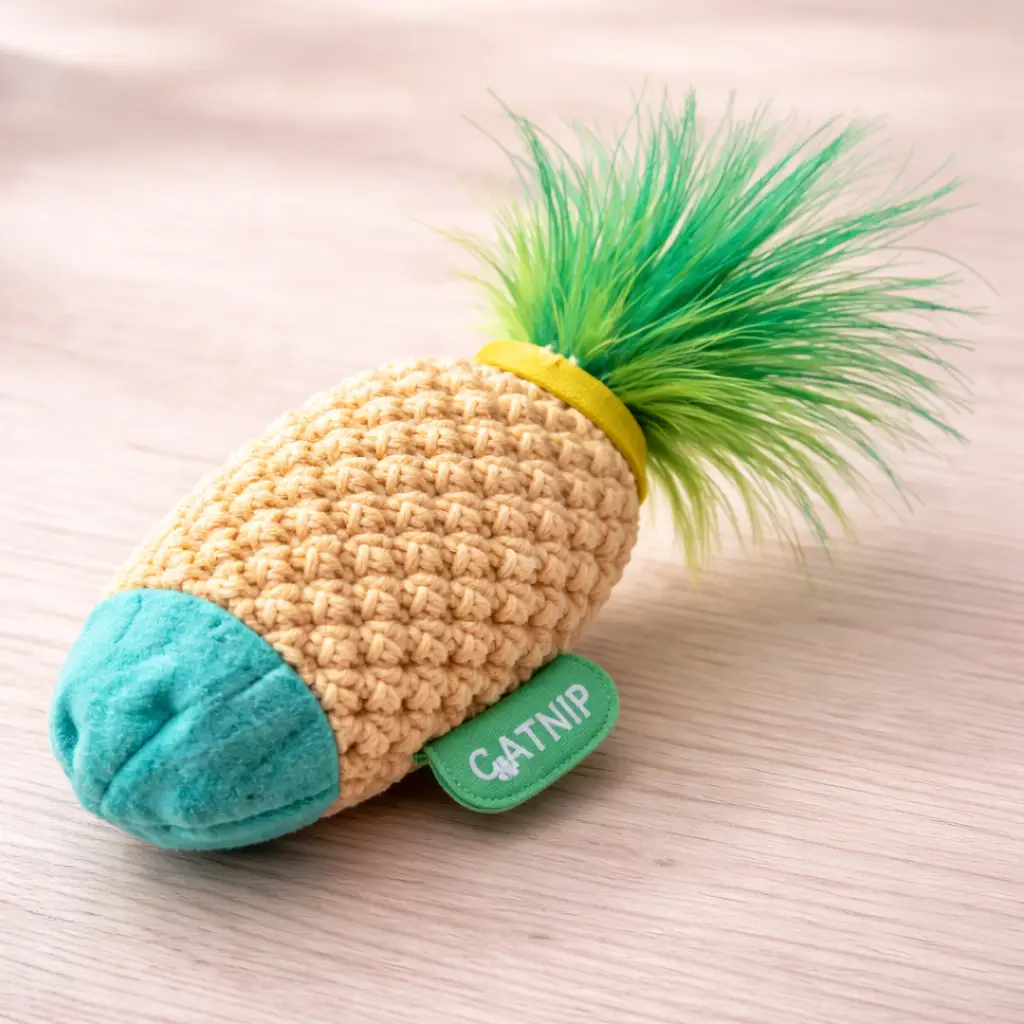
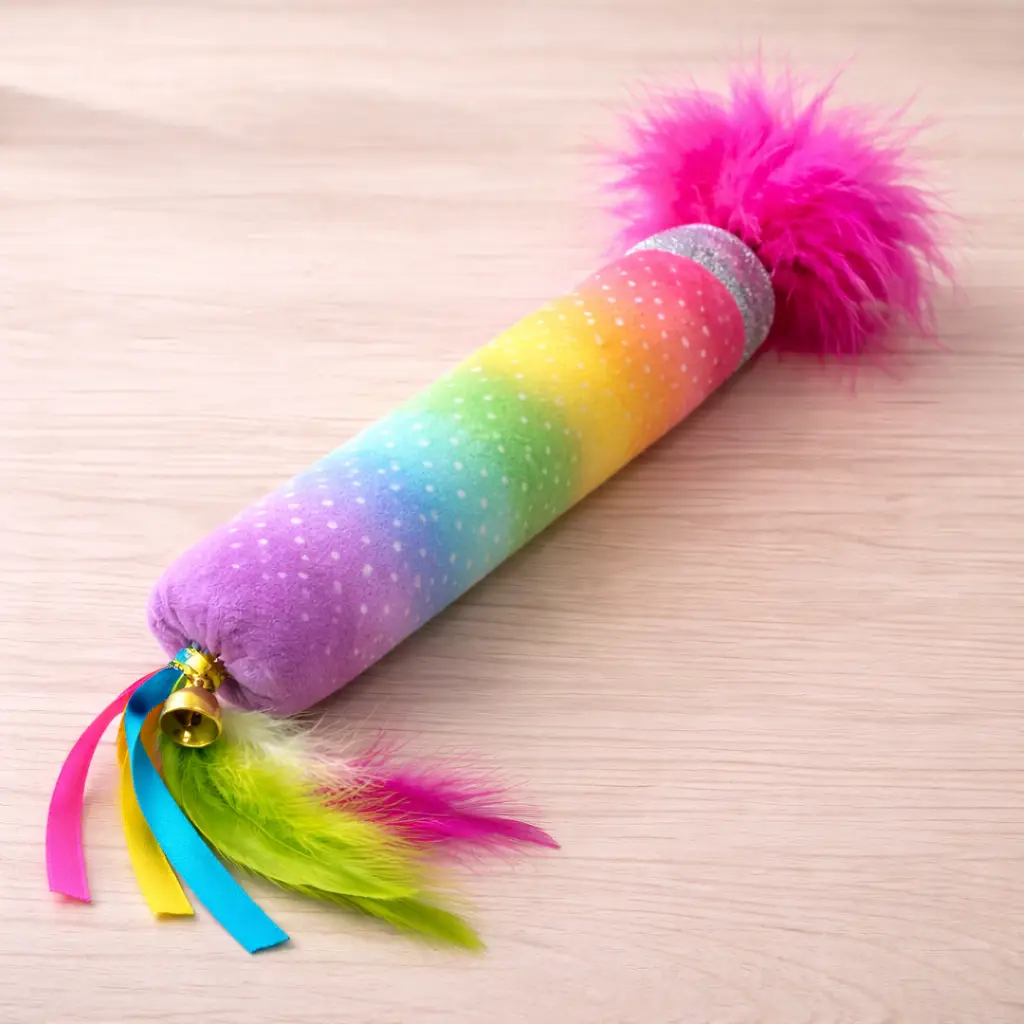
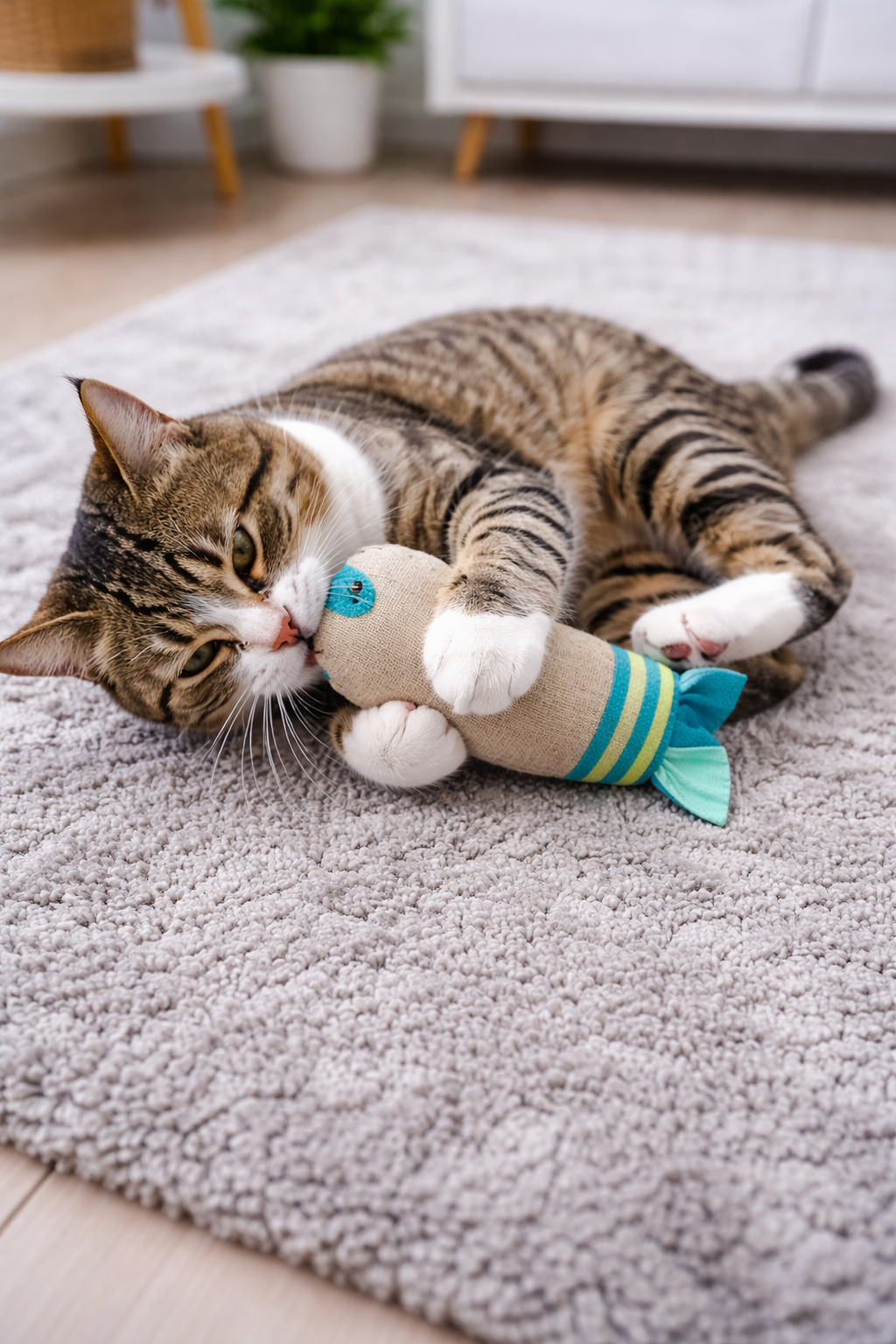
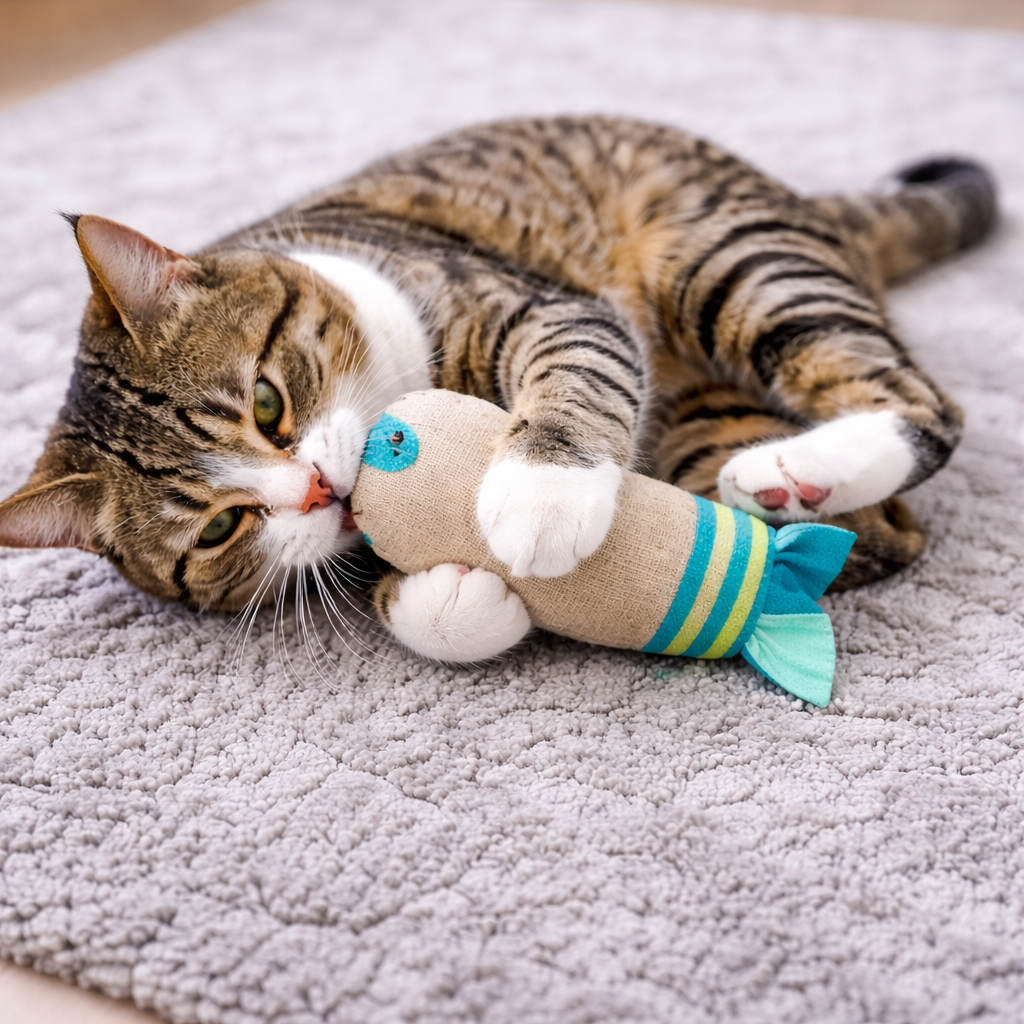
Catnip Kicker Toy
Good for grab, kick, and wrestle play
Potaroma Saury Fish Catnip Crinkle Toy (3-Pack) — Check Price on Amazon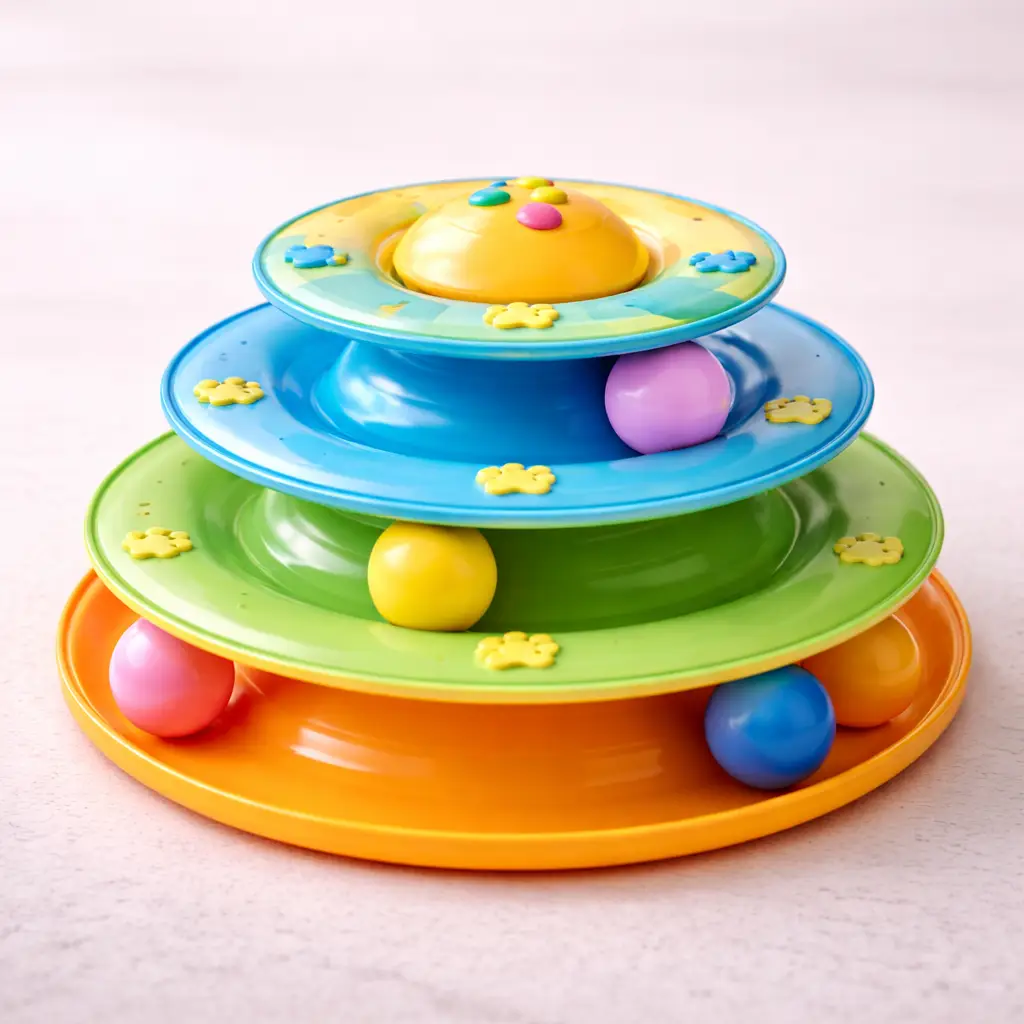
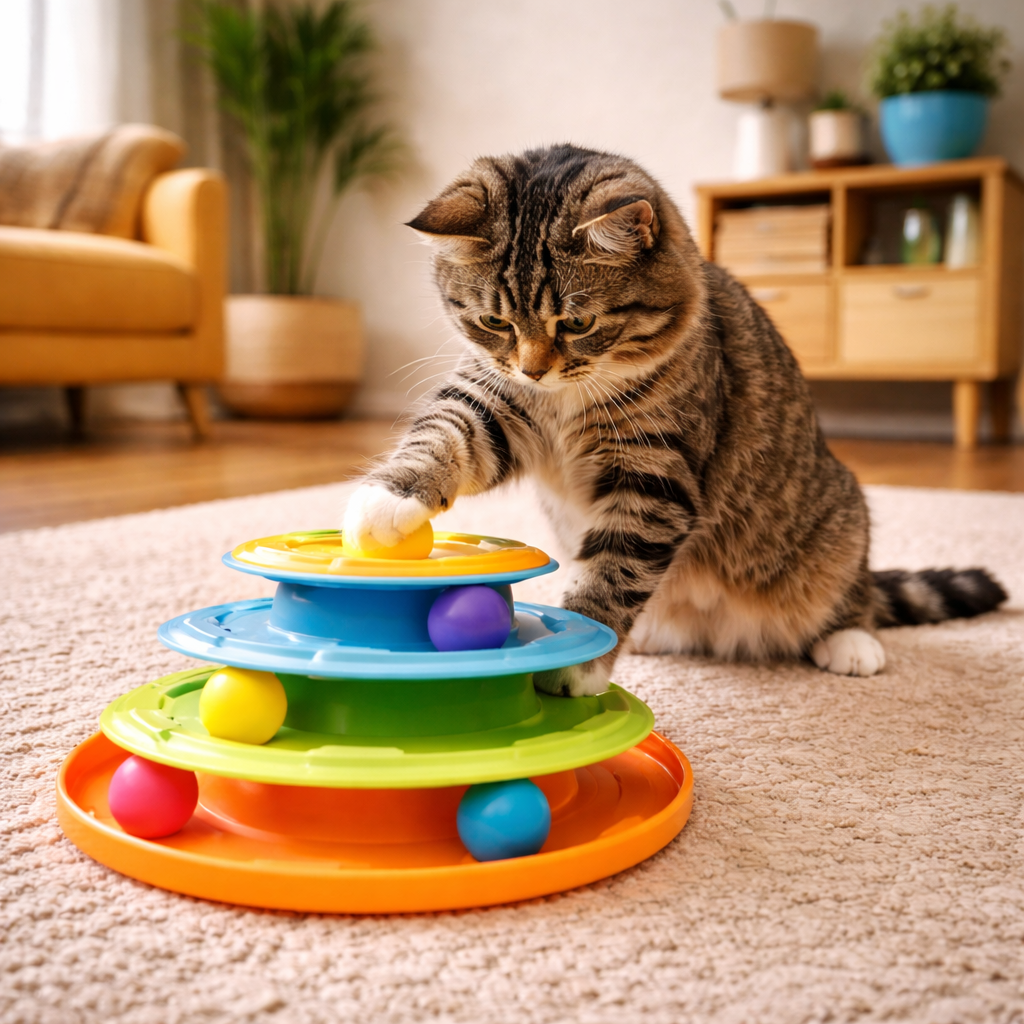
Ball Track Toy
Good for independent batting and chasing
Catstages Tower of Tracks (6 Spinning Balls) — Check Price on AmazonUse this table to match the toy type to the kind of play your cat already enjoys.
| Toy Type | Best For | Main Benefit | Watch Out For |
|---|---|---|---|
| Wand Toys | Active cats and owner-led play | Chasing, jumping, stalking, and bonding | Put away after play if it has string, ribbon, or feathers |
| Puzzle Toys | Food-motivated indoor cats | Mental enrichment and slower treat time | Start with an easy puzzle to avoid frustration |
| Ball & Track Toys | Solo play and batting | Independent chasing and pawing activity | Some cats lose interest unless toys are rotated |
| Catnip Toys | Scent-driven cats | Rolling, kicking, grabbing, and carrying | Not every cat responds to catnip |
| Kicker Toys | Cats that wrestle or bunny-kick | Helps redirect rough play onto a toy | Replace when torn, frayed, or leaking stuffing |
| Interactive Motion Toys | Curious cats that like movement | Motion-based enrichment between play sessions | Supervise new electronic or small-part toys first |
Fast tip: Match the toy to the "job." Hunters need chase-style toys, problem-solvers need puzzle toys, wrestlers need kicker toys, and independent players do best with ball tracks and motion toys.
Choosing the right toy for your cat depends on age, activity level, confidence, and play style. Some cats prefer chasing feather wands while others enjoy puzzle feeders, catnip toys, kicker toys, or solo toys that move and roll on their own.
Cats of different ages, energy levels, confidence levels, and prey drives may play differently. The toys in this guide were organized by play value, safety considerations, indoor enrichment value, and their ability to support natural cat behaviors.
I look for toy types that encourage cats to stalk, pounce, bat, chase, grab, kick, problem-solve, or interact with their owner. I also avoid using fixed star ratings or exact review counts that can become outdated.
By comparing different categories of cat toys, this guide helps owners choose options that support safe and engaging indoor play.
Size
Choose toys that are appropriate for your cat's size and play style. Toys with small detachable parts can become safety hazards.
Play Style
Some cats love chasing feather toys or rolling balls, while others prefer kicker toys, puzzle toys, or catnip toys that encourage grabbing and wrestling.
Stimulation Needs
Indoor cats often benefit from a mix of movement-based toys, solo toys, and puzzle toys that provide mental stimulation and reduce boredom.
Tap a button to jump to that toy type. Each section includes quick picks and what to look for.
Wand toys are one of the best ways to stimulate and engage indoor cats. These toys mimic the motion of prey and can trigger stalking, chasing, batting, and pouncing behaviors. They are useful for exercise, bonding, confidence building, and short daily play sessions.
Puzzle toys are useful for indoor cats that need more mental stimulation. Many puzzle toys encourage a cat to uncover treats, move pieces, roll a toy, or work through a simple challenge. Start with easy puzzles first so your cat can learn the game without getting frustrated.
Ball and track toys help create movement-based play that many cats enjoy independently. When choosing these toys, consider durability, noise level, size, and whether the toy will slide well on your floors. These can be helpful for indoor cats that need extra solo activity during the day.
Catnip toys can provide scent enrichment and short bursts of playful activity. Cats that respond to catnip may rub, roll, grab, kick, or carry the toy. Not all cats react to catnip, so it helps to rotate these toys with other types of play.
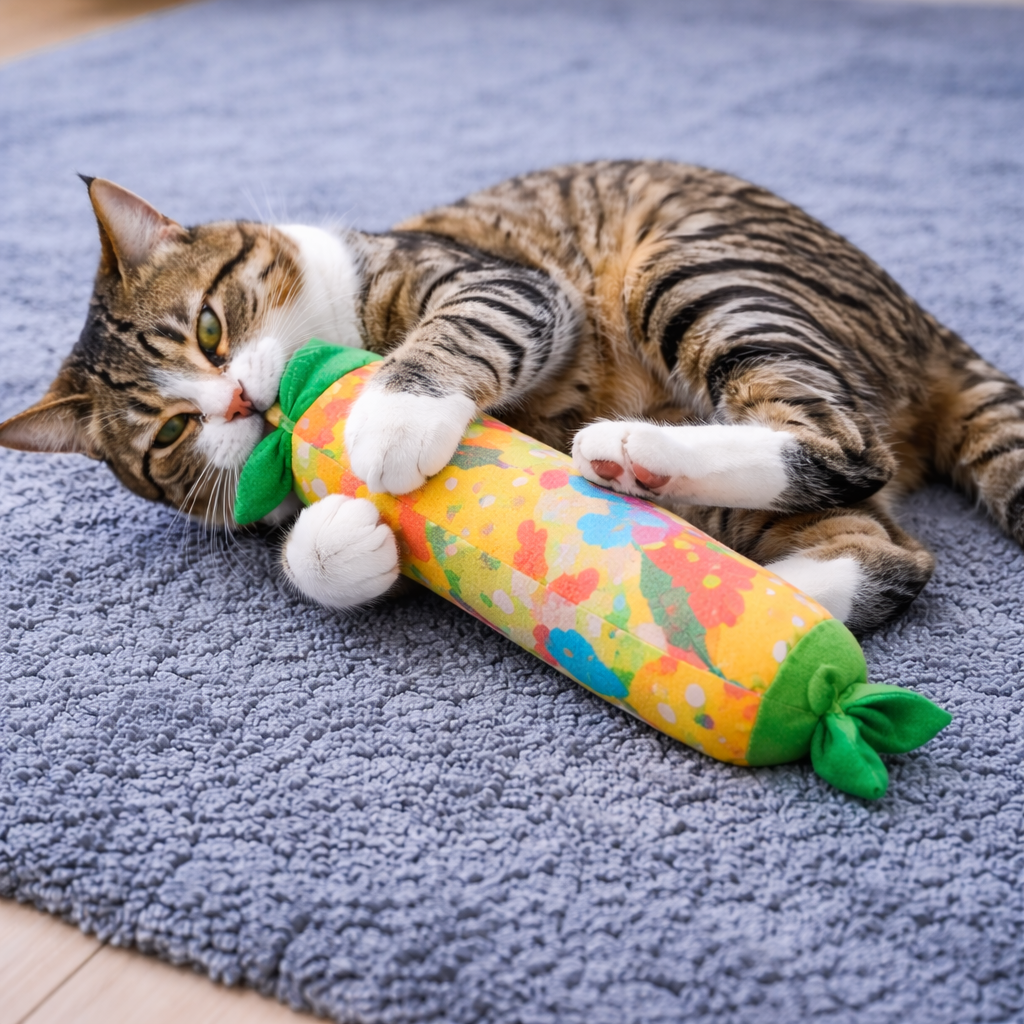
Kicker toys are designed for cats that pounce, grab, wrestle, and kick with their back feet. They are especially useful for cats that play rough, because they give that energy a better target than hands, feet, or furniture.
Interactive toys can help keep cats mentally stimulated between play sessions with their owner. Some move unpredictably, some light up, and some encourage chasing or problem-solving. Use short sessions and supervise new electronic toys until you know how your cat reacts.
Kittens are playful and curious, but their toys should still be simple, lightweight, and easy to supervise. Soft materials, small chase toys, and short wand sessions can help kittens practice coordination and confidence without overwhelming them.
Great for chasing, pouncing, and carrying.
Extra-Large Glitter Chase Balls (20-Pack) — Check Price on AmazonShort play sessions build confidence and coordination.
JIARON Retractable Feather Wand Set — Check Price on AmazonSound + texture helps keep young cats engaged.
Original Mylar Crinkle Balls (12-Pack) — Check Price on AmazonOlder cats often prefer softer toys and enrichment that does not require intense leaping or rough play. Look for light plush toys, easy-to-bat toys, and gentle enrichment that still encourages movement and curiosity.
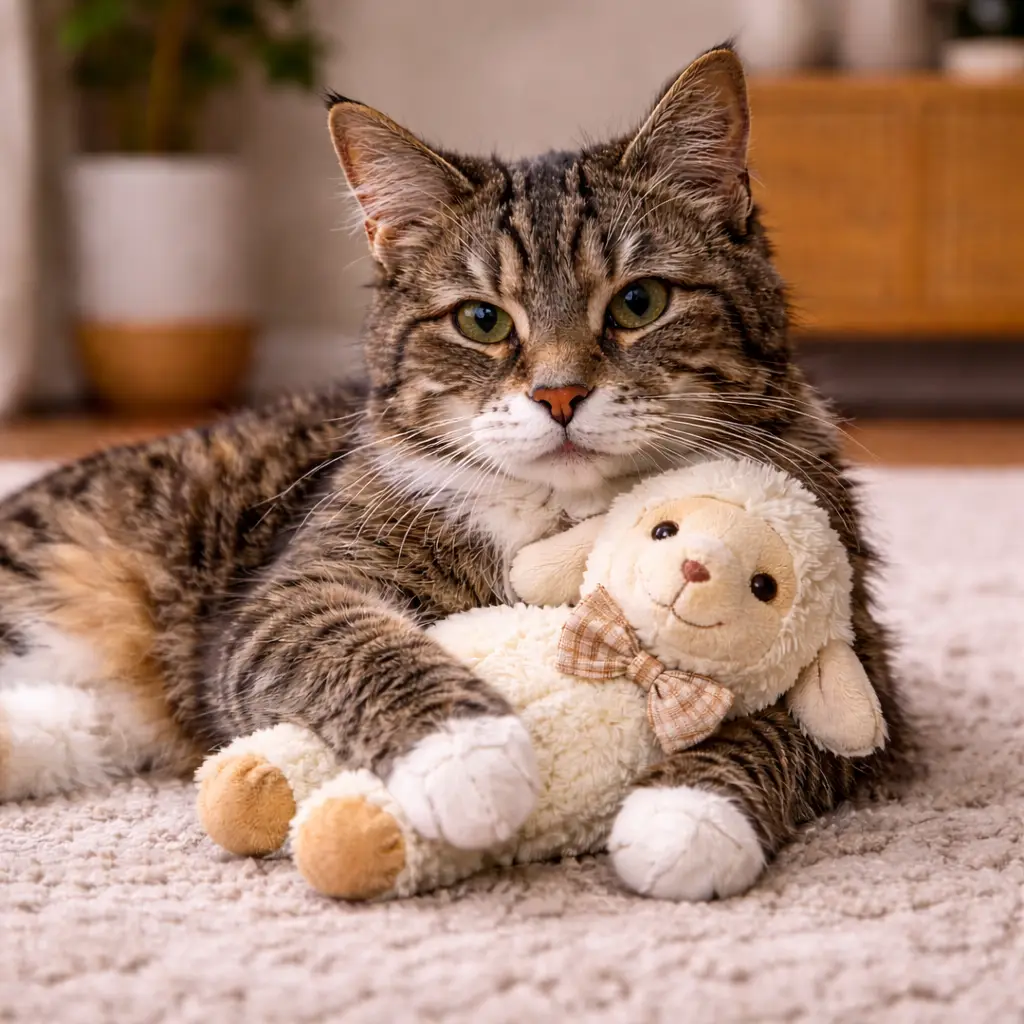
Gentle, light, and still engaging.
Huxley & Kent Plush Crinkle Catnip Toy — Check Price on AmazonLow-effort enrichment with familiar scent appeal.
Refillable Catnip Pillow Toys (3-Pack) — Check Price on AmazonMental stimulation without high physical demand.
PetSafe Slimcat Feeder Ball — Check Price on AmazonTraining toys help you reward behaviors quickly and keep sessions positive. The best options are easy to present, motivating, and not so overstimulating that your cat loses focus. Short interactive sessions with toy rewards can support confidence, movement, and play-based learning.
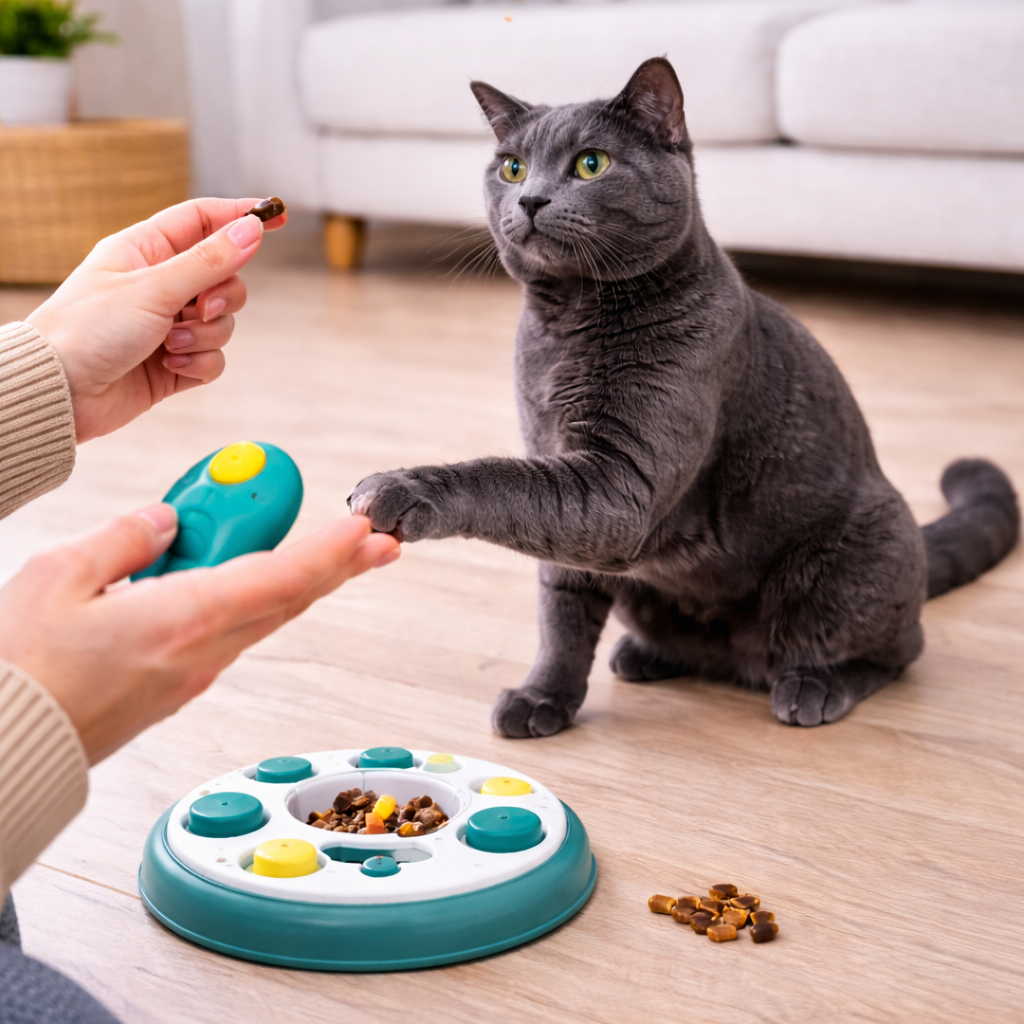
Quick reward, great for short focused sessions.
Go Cat Catcher Teaser Wand with Mouse — Check Price on AmazonFor building curiosity and engagement.
Catstages Nina Ottosson Kitty Cube Puzzle — Check Price on AmazonGood for cats that enjoy movement-based rewards.
Migipaws MigiMouse Rolling & Spin Toy — Check Price on Amazon
Cats may seem independent, but they still need daily mental and physical stimulation. The right toys can help reduce boredom, encourage exercise, and support natural hunting behaviors for indoor cats.
Always choose toys appropriate for your cat's size, age, and play style. Supervise your cat when introducing a new toy, especially if it has string, feathers, bells, elastic, small parts, or electronic movement.
Many indoor cats do best with a mix of wand toys, puzzle toys, kicker toys, catnip toys, and simple solo-play toys like ball tracks.
Wand toys are useful for supervised play, but toys with strings, ribbons, or feathers should be put away after play.
Puzzle toys are helpful for food-motivated indoor cats because they add mental activity and make treat time more engaging.
Laser toys can encourage movement, but play should end with a physical toy the cat can catch. Never shine a laser into your cat's eyes.
Rotate toys every few days or whenever your cat loses interest. Leaving every toy out all the time can make them feel less exciting.
Buy 3, Get the 4th Free — sitewide at Chewy. Or grab a $20 e-gift card on $49+ orders (code GIFT20OFF). Shop Chewy →