
Best Cat Scratching Posts and Pads
Cats scratch to stretch, care for their claws, and mark familiar areas around the home. If an indoor cat does not have the right scratching surface, couches, rugs, and chair arms can quickly become the target. The best cat scratching posts and pads give your cat a better outlet while helping protect your furniture. The right choice depends on how your cat already scratches: upright, flat on the floor, or curled up on a cardboard lounger.
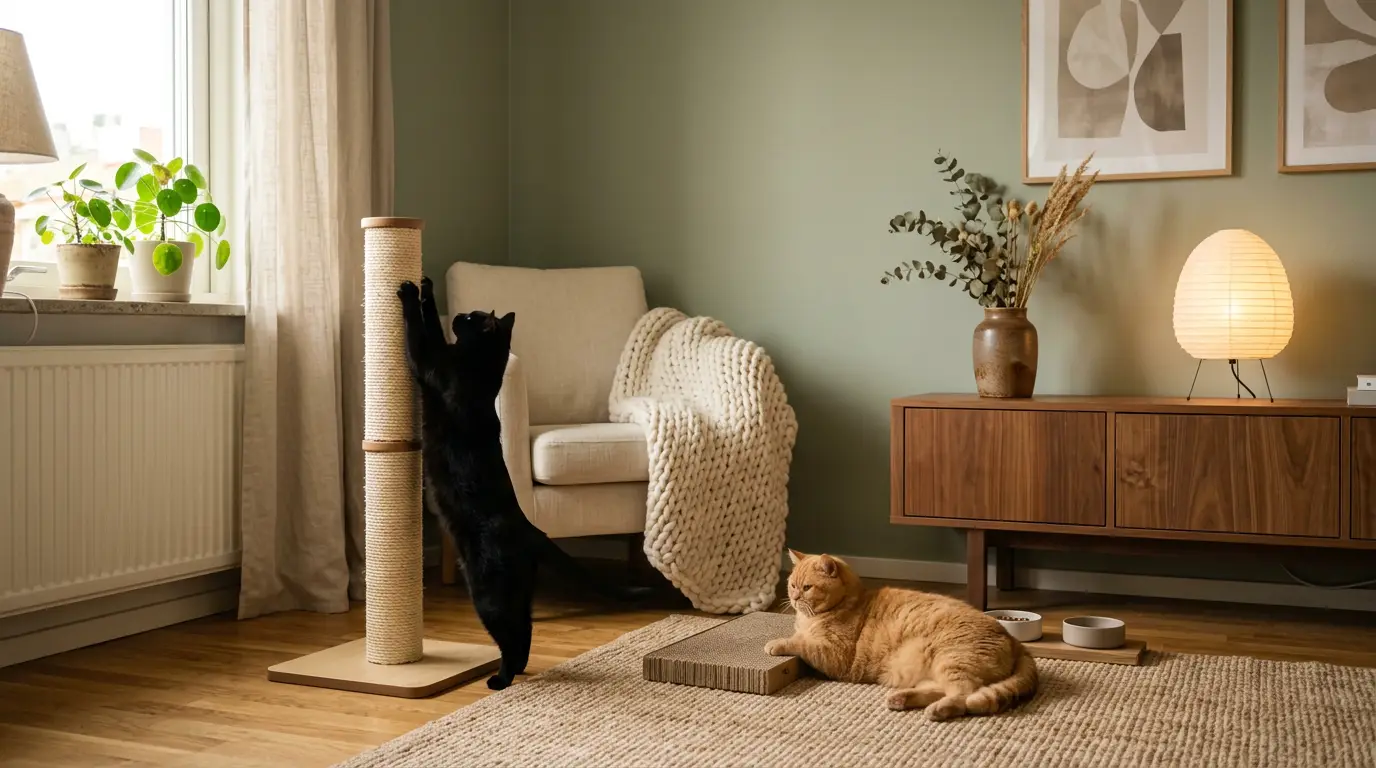
Quick Comparison
| Pick | Format / Fit | Scratching Style | What to Check |
|---|---|---|---|
| Tall Sisal Scratching Post | Vertical scratching; check height and stability | Vertical scratching | Gives cats a sturdy upright surface so they can stretch, scratch, and redirect attention away from couches and chairs. |
| Flat Cardboard Scratching Pad | Horizontal scratching; check usable surface | Horizontal scratching | Works well for cats that already scratch rugs, mats, boxes, or other flat surfaces around the home. |
| Curved Cardboard Scratcher | Cats that like to scratch and lounge in one place | Horizontal scratching and lounging | Combines a cardboard scratching surface with a resting spot, making it useful in living rooms, bedrooms, and window areas. |
Tall Sisal Scratching Post
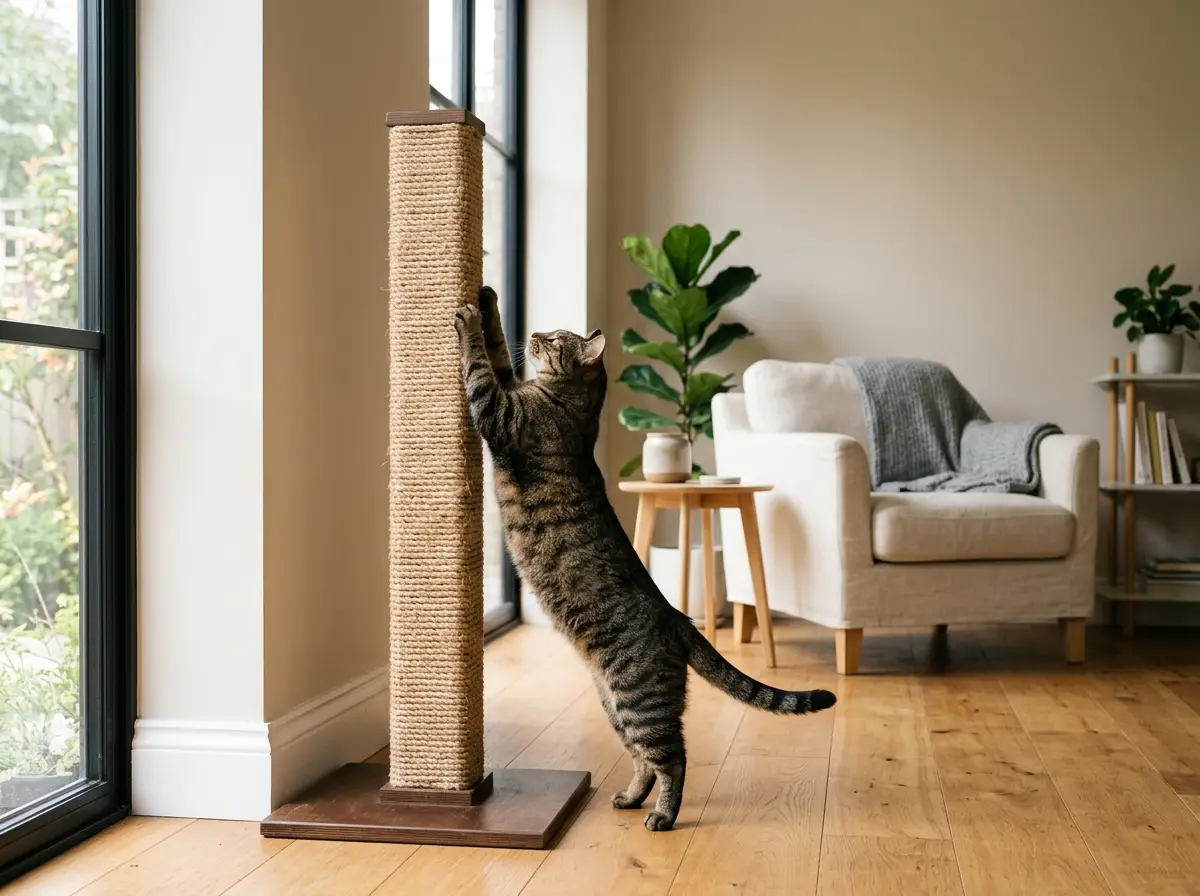
Illustration of a scratching format; this does not depict the linked model.
A tall post is a vertical scratching format to compare with your cat’s preferences. Check usable height, base stability and placement before choosing the selected model.
- Compare the height with your cat’s stretch
- Supports natural vertical scratching
- Check the actual base and stability
Flat Cardboard Scratching Pad
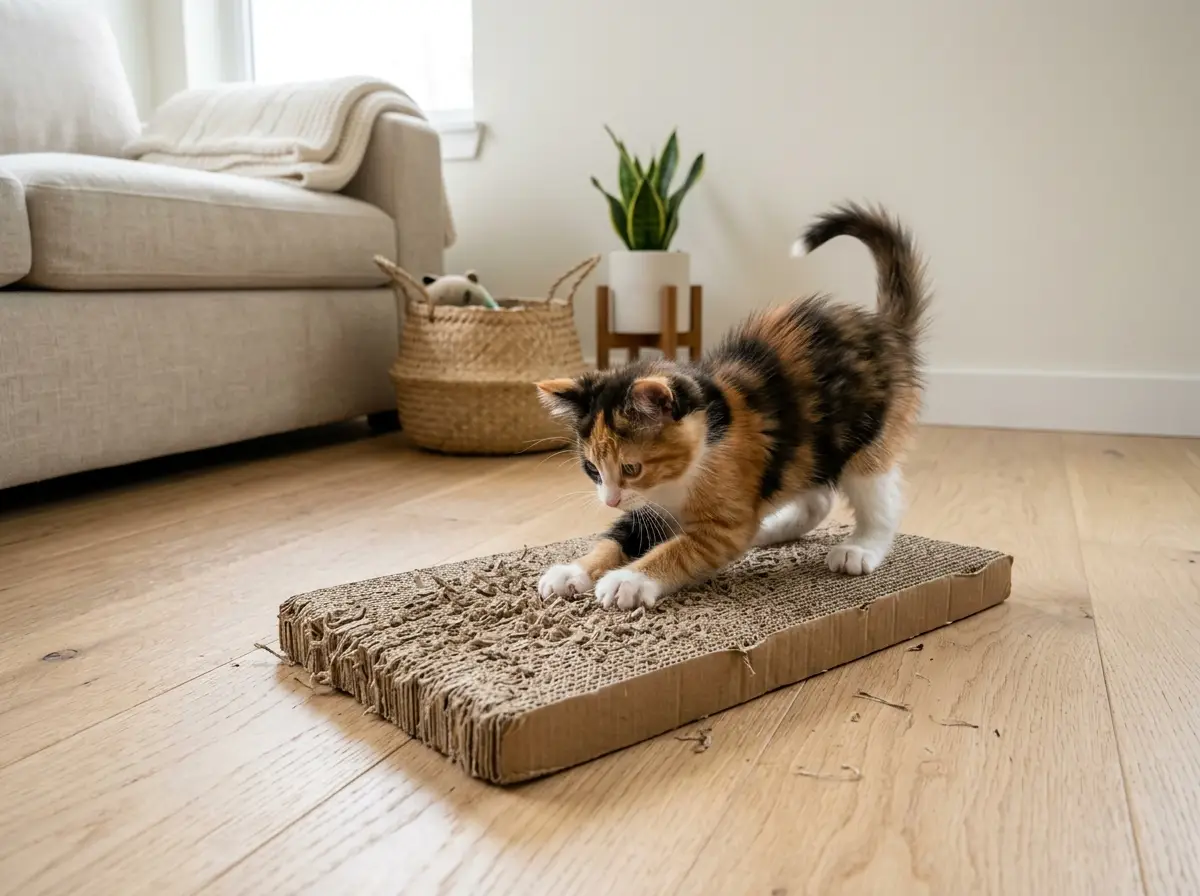
Illustration of a scratching format; this does not depict the linked model.
A flat cardboard pad offers a horizontal scratching format. Compare its usable surface and placement with where your cat already scratches; current price and replacement costs vary.
- Check current price and replacement needs
- Good for horizontal scratchers
- Easy to move around the house
Curved Cardboard Scratcher
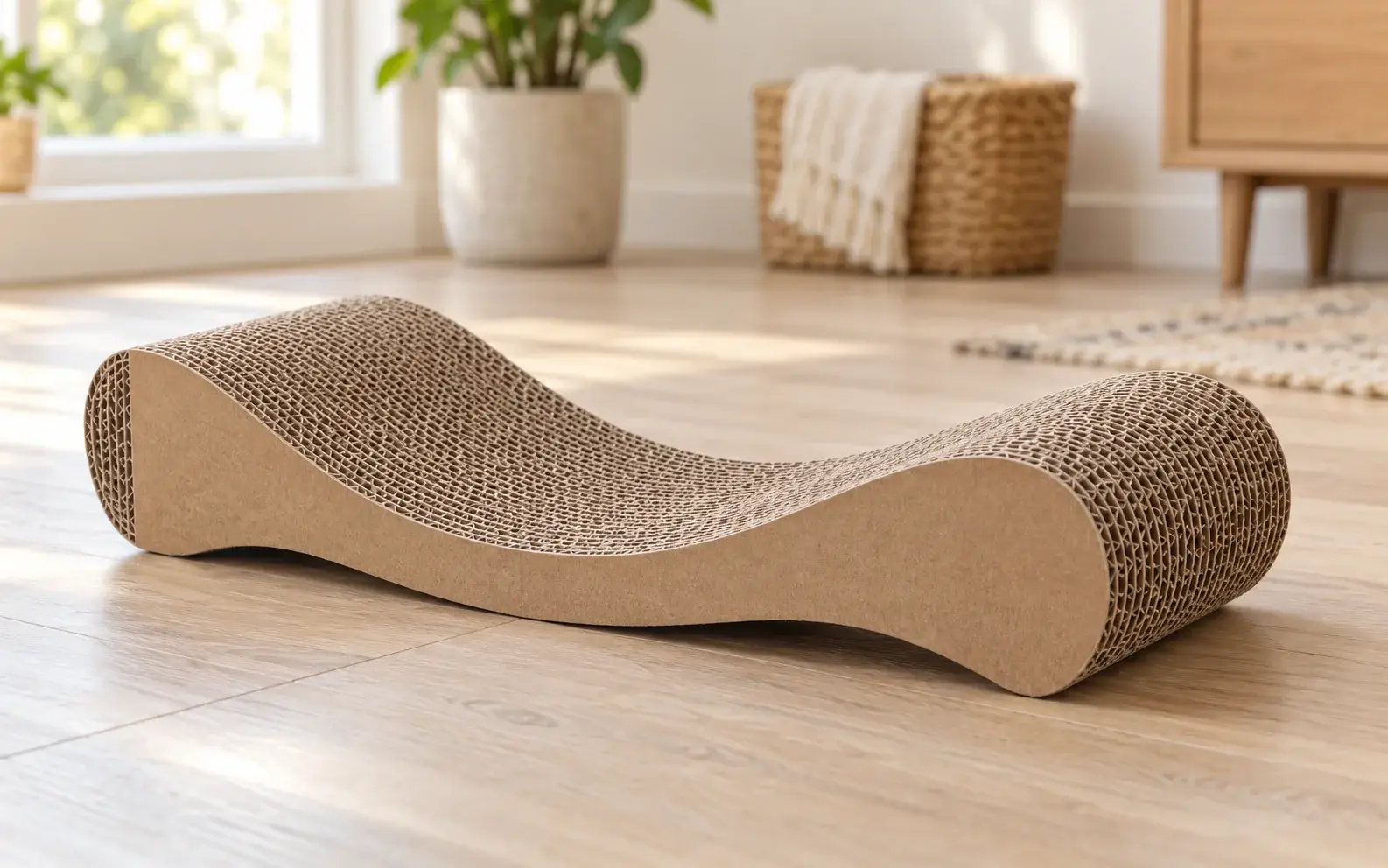
Illustration of a curved cardboard scratcher format; this does not depict the linked model.
A curved cardboard lounger gives cats a place to scratch and relax in the same spot. It is a good fit for cats that like cardboard and spend a lot of time lounging near windows or in living areas.
- Works as both a scratcher and resting spot
- Appealing for cats that like cardboard
- Check usable space and placement
How to Choose a Cat Scratching Post or Pad
For couch scratchers: Start with a tall sisal post placed near the couch, chair, or corner your cat already targets. The closer it is to the problem area at first, the easier it is for your cat to switch over.
For rug or carpet scratchers: A flat cardboard pad usually makes more sense because it matches the way your cat already scratches. Place it over or beside the area your cat keeps using.
For cats that love cardboard boxes: A curved cardboard scratcher or lounger can be a smart pick because it gives your cat one spot for scratching, rubbing, and relaxing.
For larger cats: Look for a taller, heavier scratcher with a wider base. A scratcher that wobbles or tips may make a cat less likely to use it.
FAQ
Are sisal scratching posts better than cardboard pads?
Sisal scratching posts are usually better for cats that like to stretch upward. Cardboard pads are usually better for cats that scratch flat surfaces like rugs, mats, or cardboard boxes. The best choice depends on the way your cat already scratches.
Where should I place a cat scratcher?
Place the scratcher near the area your cat already scratches. If your cat goes after the couch, start by placing the scratcher beside the couch. Once your cat uses it regularly, you can slowly move it to a better spot if needed.
Do indoor cats need more than one scratcher?
Many indoor cats do better with more than one scratching option, especially if they scratch in different rooms. A tall post in the living room and a flat pad near a favorite resting area can cover more than one scratching style.
What should I do if my cat ignores the new scratcher?
Try moving it closer to the place your cat already scratches. You can also test a different style. Some cats prefer upright sisal, while others prefer flat cardboard or curved loungers.
More Cat Guides
Best Cat Trees for Indoor Cats
Combine climbing, lounging, and scratching in one setup.
Read full guideFinal Take
Start with a tall sisal post if you want a vertical scratching option. Pick a flat pad if your cat scratches the floor. Go with a lounger if your cat likes cardboard and wants one spot for scratching and relaxing.
Shop cat scratching posts and pads on Amazon