Menu
Toys are another important part of a dog's life․ There are many reasons a dog should have toys outside of just having a good time․ This is also fulfilling their needs and instincts as a canine․ Dogs can become bored and anxious․ Like people, dogs need both mental and physical stimulation․ Toys also can be a part of this․ By knowing what toys are available, owners can pick the toys that best suit their dog's particular need to chew, their need for instruction, or their need for fun․
If your dog destroys toys quickly, you may want to read our guide to best dog toys for aggressive chewers.
Affiliate Disclosure: As an Amazon Associate, we earn from qualifying purchases. We may earn a small commission at no extra cost to you.
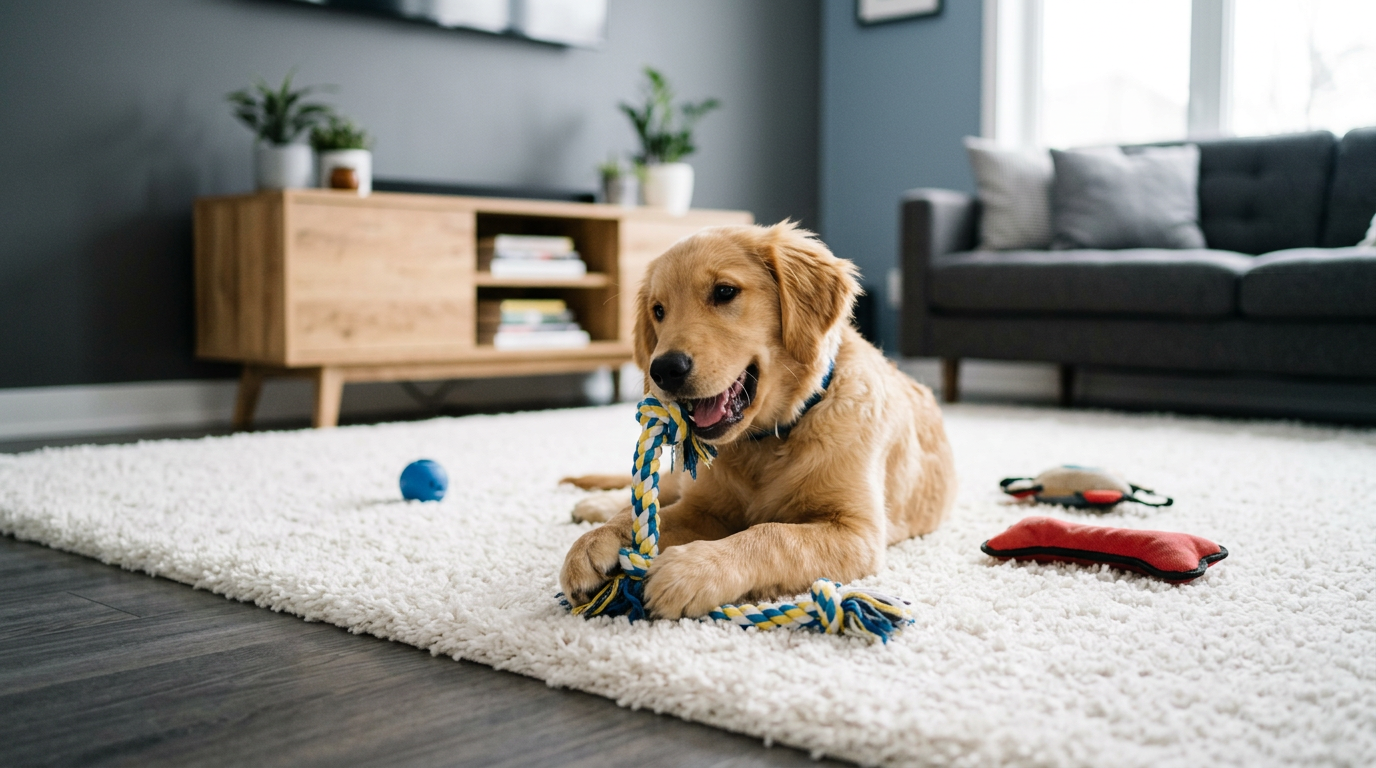
Our top dog toy picks based on durability, safety, and owner reviews.
Fast tip: Match the toy to the “job.” Chewers need durable rubber/nylon, tuggers need safe handles and flexible materials, puzzle dogs need adjustable difficulty, and fetch fanatics need the right size + bounce.
Choosing the right toy for your dog depends on size, chewing strength, and play style. Some dogs prefer chasing balls while others enjoy puzzle toys that challenge their minds.
Not all dog toys are created equal. Dogs play differently depending on their size, energy level, and chewing strength. The toys recommended in this guide were selected based on durability, safety, and real-world play behavior.
We evaluate toys based on several important factors including material quality, interactive value, and how well the toy holds up during regular use. Toys that provide mental stimulation, encourage healthy exercise, and withstand repeated play sessions are prioritized.
By focusing on toys that promote safe and engaging play, we aim to help dog owners choose products that keep their pets entertained while lasting longer than typical low-quality toys.
Size
Choose toys large enough that your dog cannot swallow them. Toys that are too small can become choking hazards.
Chewing Strength
Dogs that chew aggressively should use durable rubber or nylon toys that are designed for heavy chewing.
Play Style
Some dogs love chasing balls or flying discs, while others prefer tug toys or puzzle toys that provide mental stimulation.
Tap a button to jump to that toy type. Each section includes quick picks and what to look for.
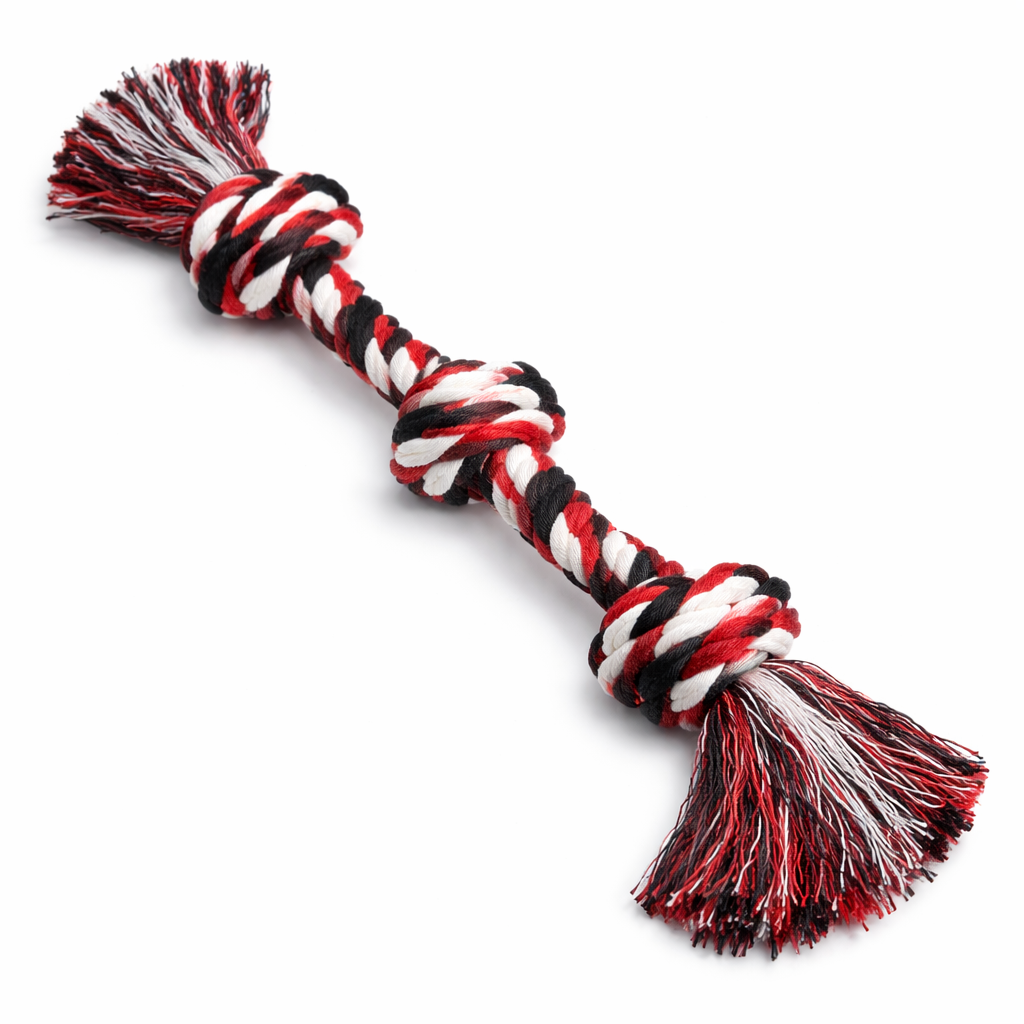
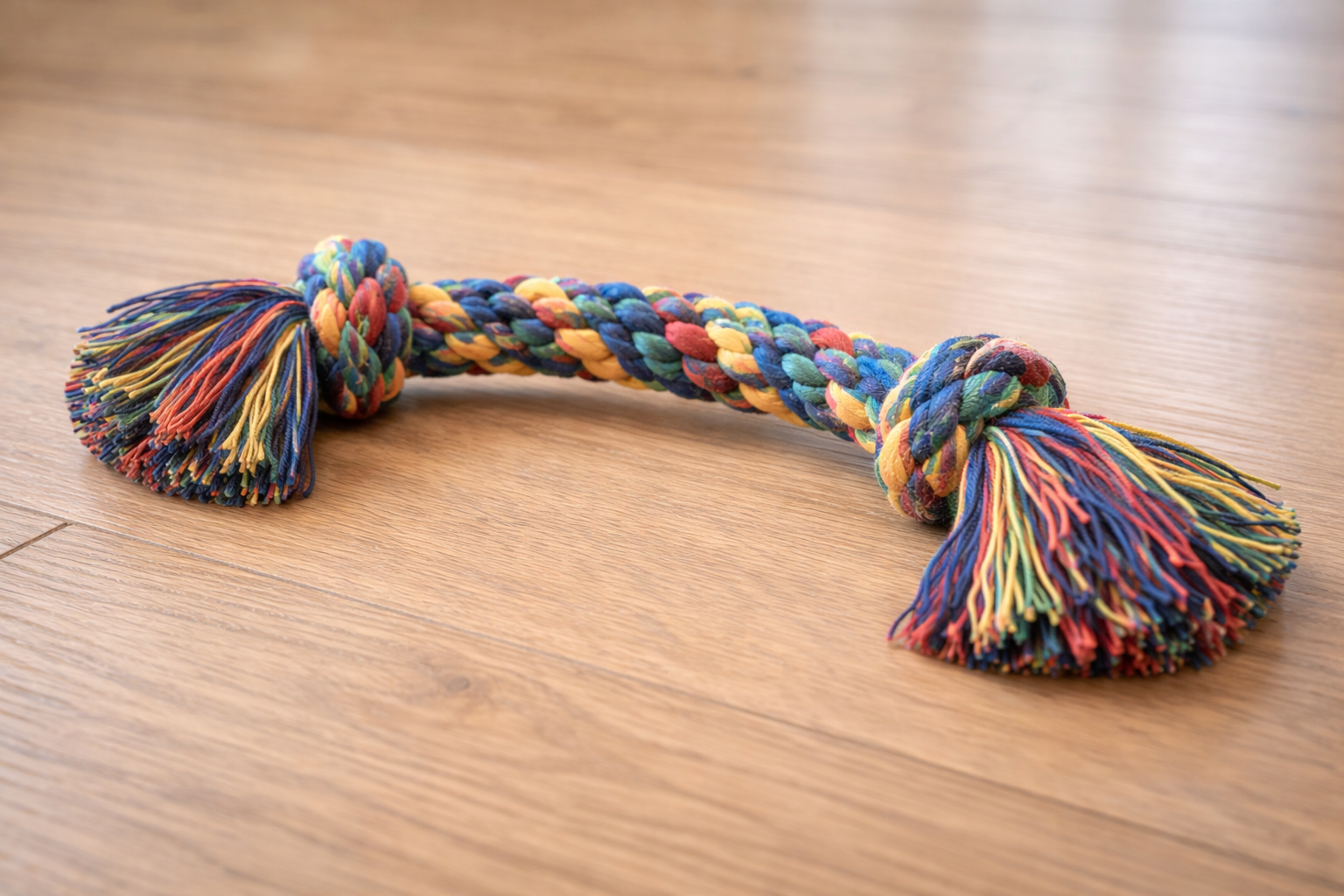
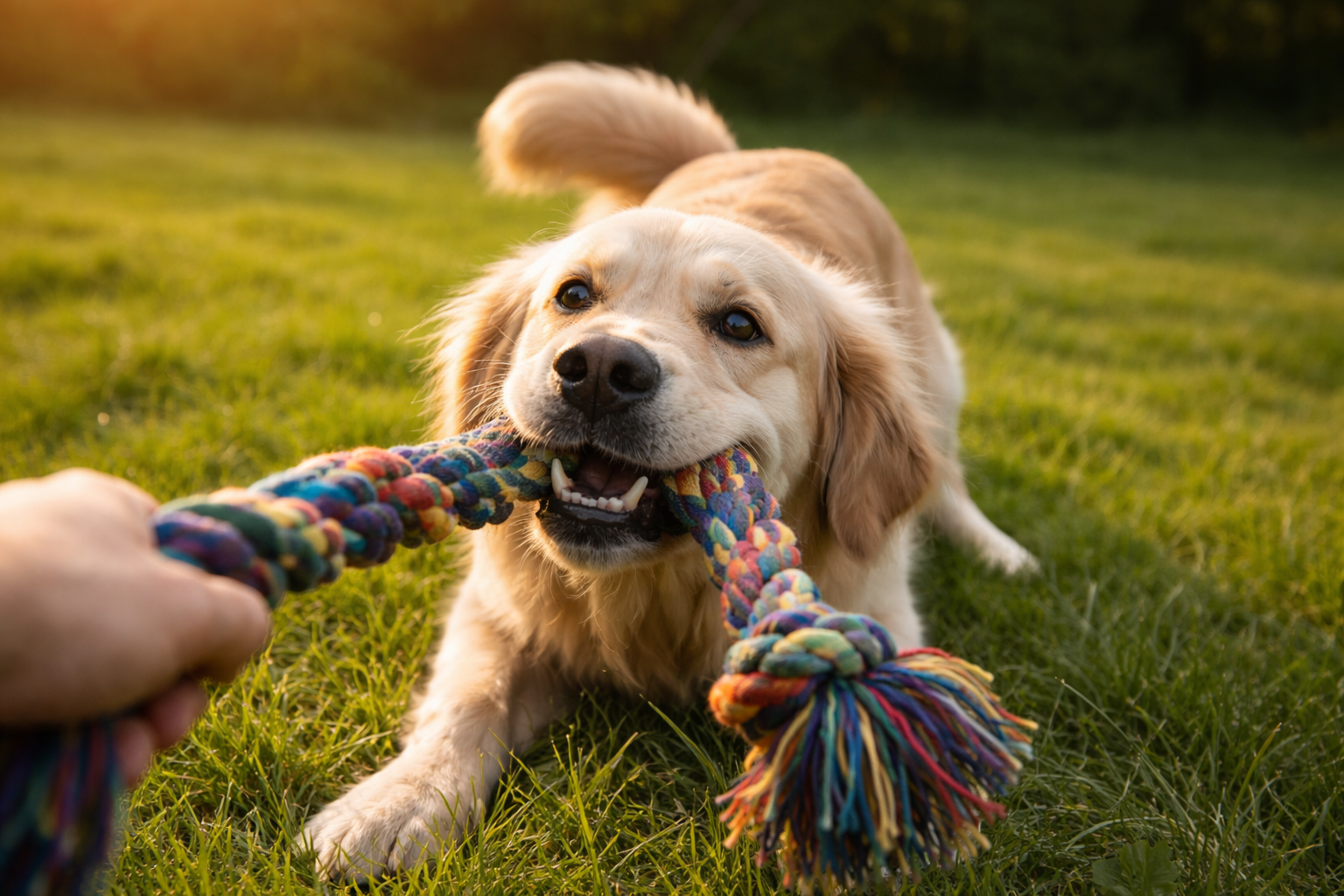
Tug is an efficient training and engagement tool, but only when the right size and type of soft, durable tug is chosen and the tug is long enough that one's hands are kept away from the dog's mouth․ Tug is also a great physical exercise and bonding experience for the dog․ Tugging often creates much barking and interaction between the owner and the dog that serves to build the dog's confidence and its socialization skills․
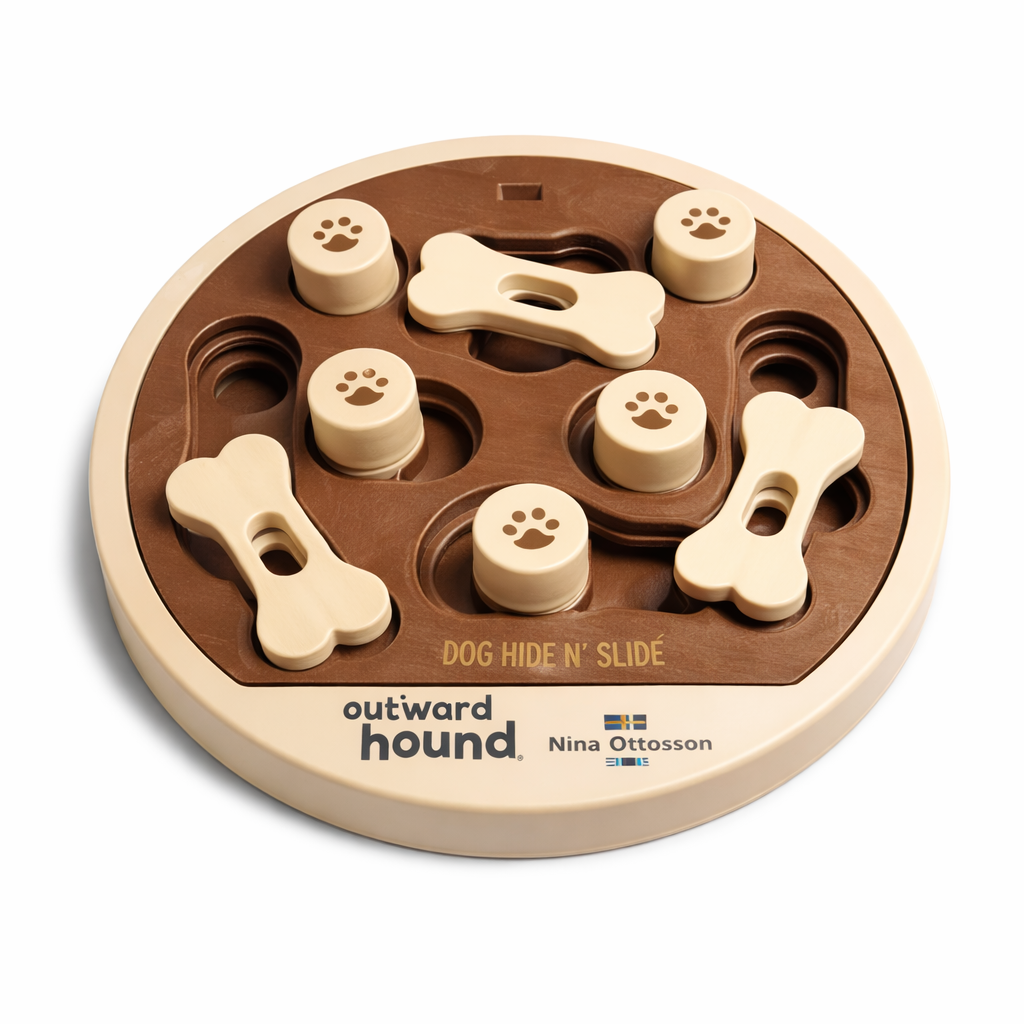
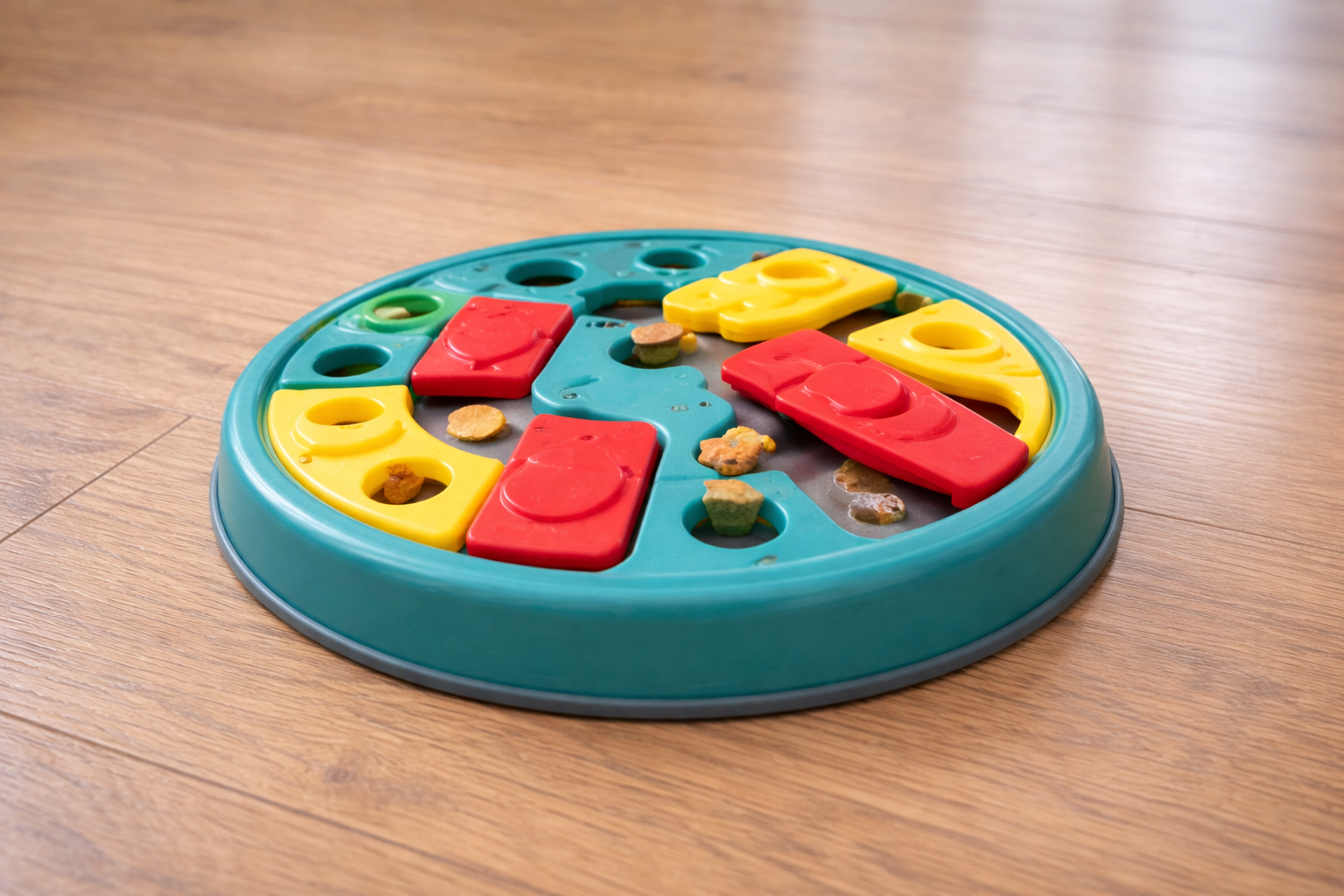
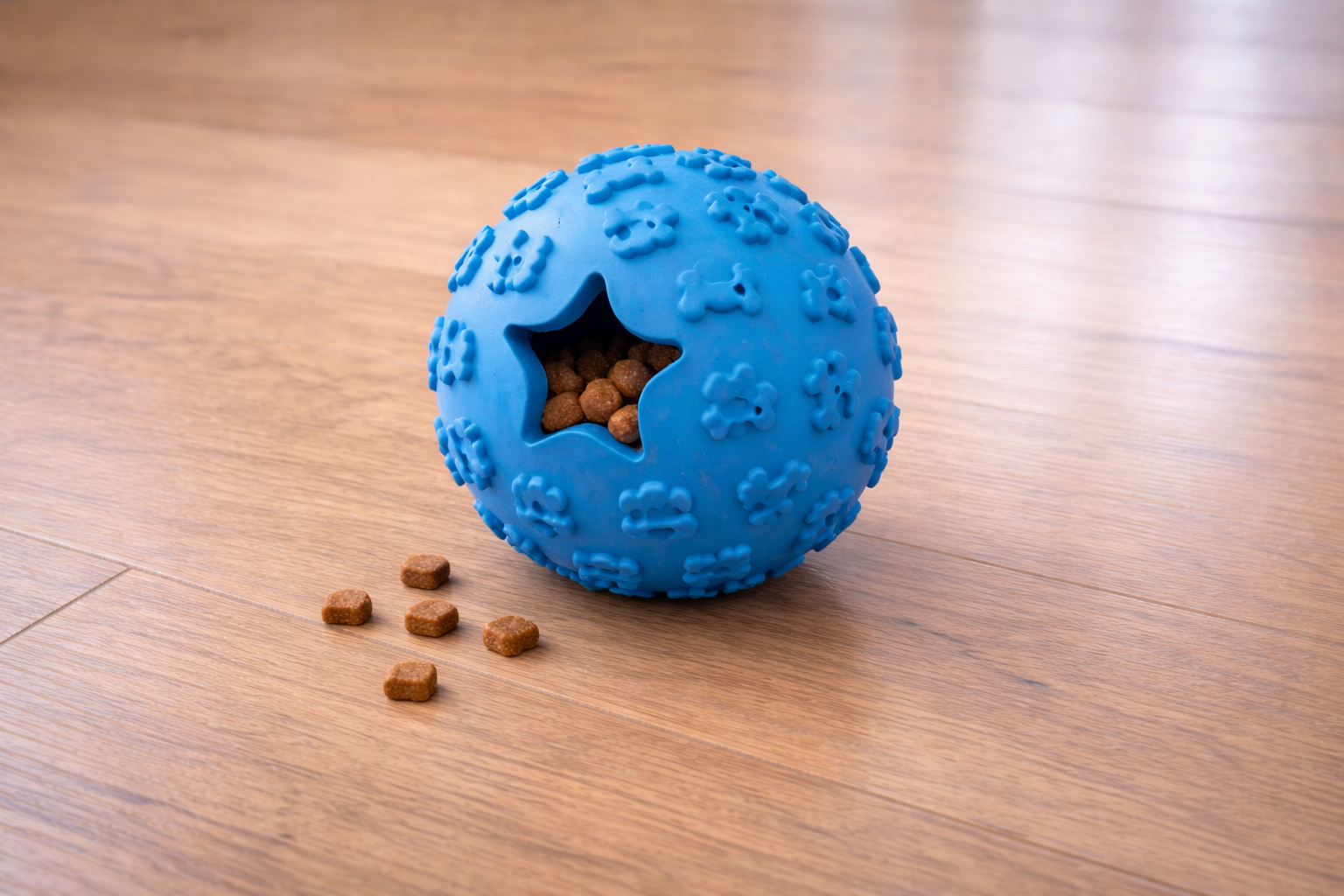
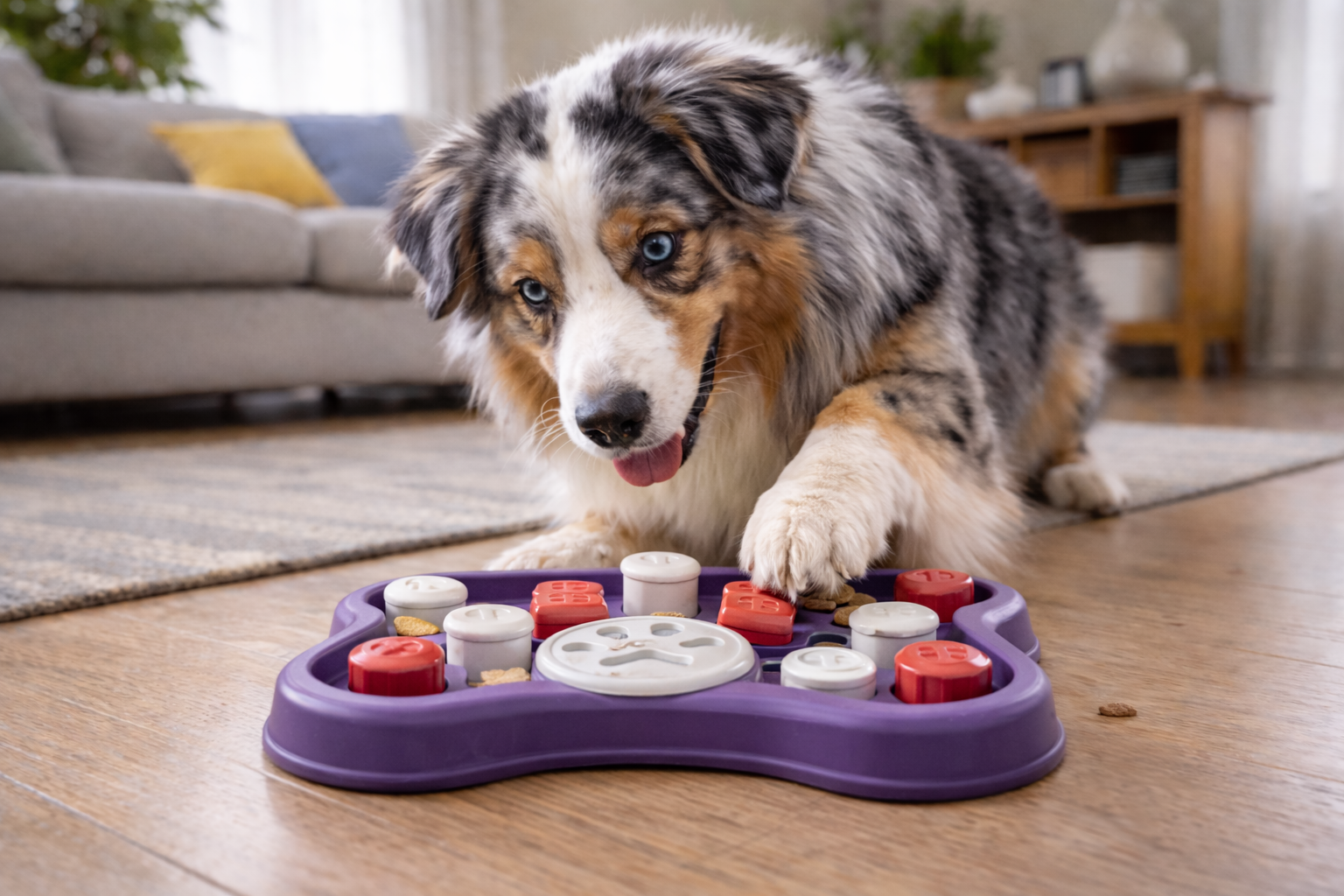
Puzzle toys are one of the best ways to stimulate, engage and entertain dogs․ There are many different types of toys that involve the dog solving a problem, such as getting a treat from inside it․ Generally, dog puzzle toys begin with easier puzzles and become more difficult over time․ This is so that dogs can become familiar with the dog puzzle toy and also to sustain their interest by continually providing them with mental stimulation and challenges․ Toys should not fall apart․ A dog will be interested in toys that are fun to chew and shake․ Puzzle toys that are easy to clean promote health and hygiene and provide fun for the dog․
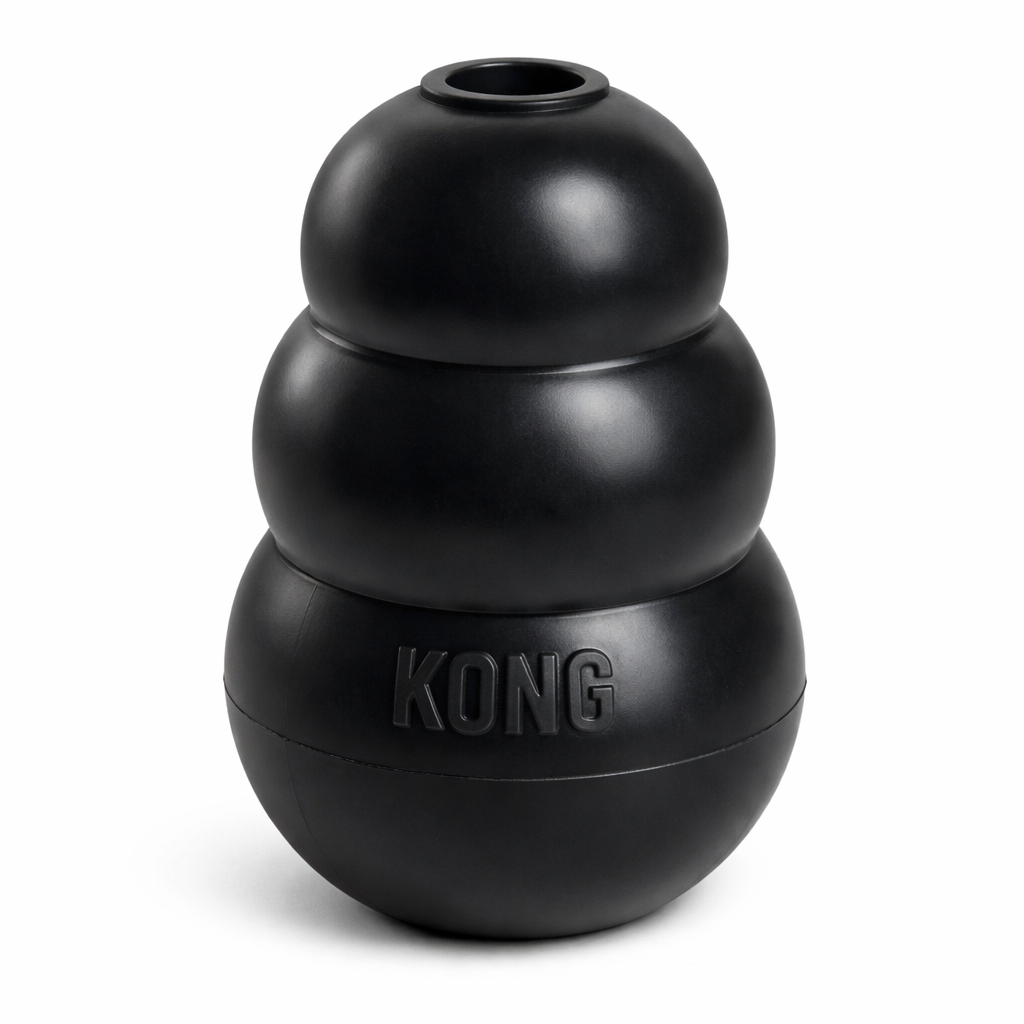
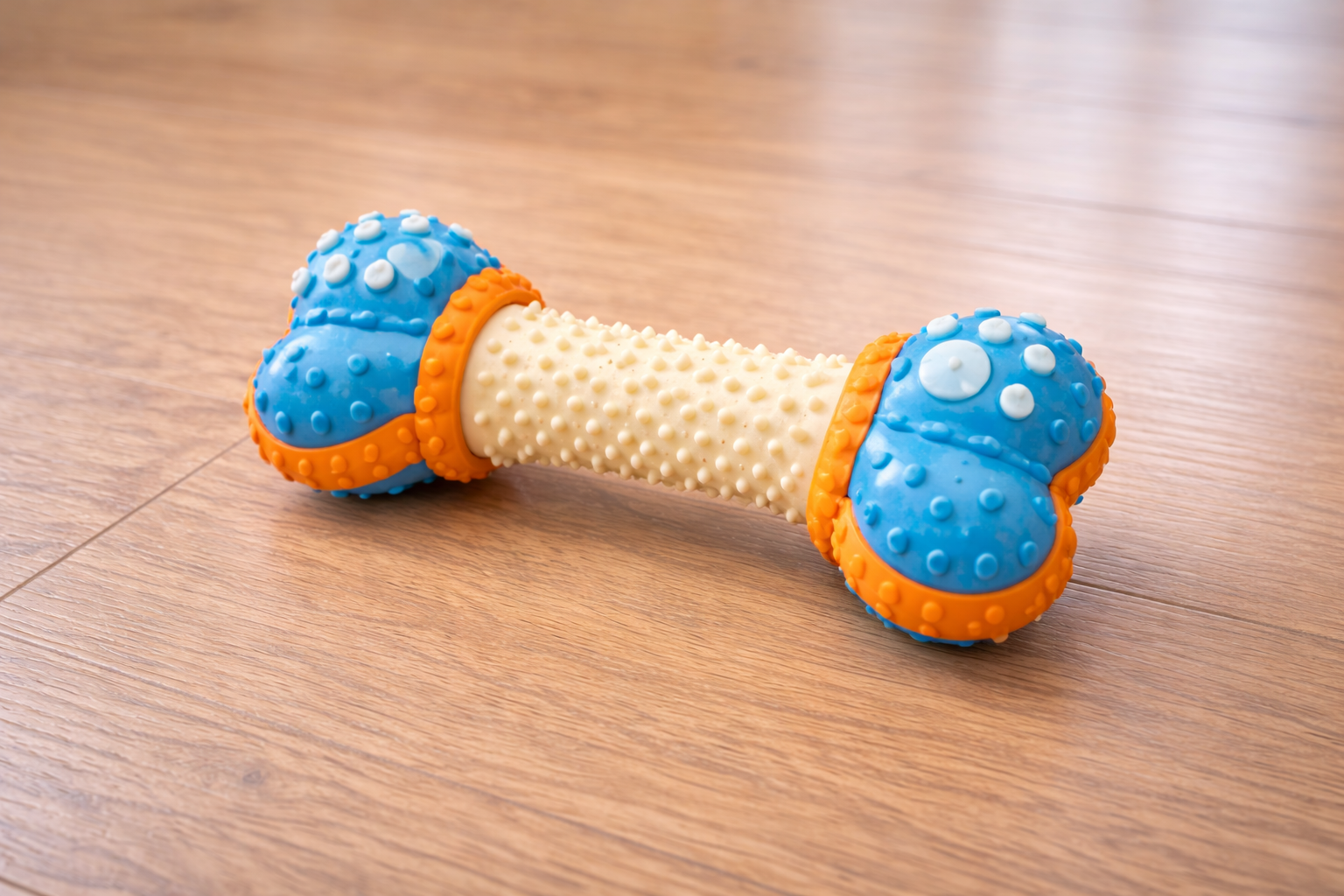
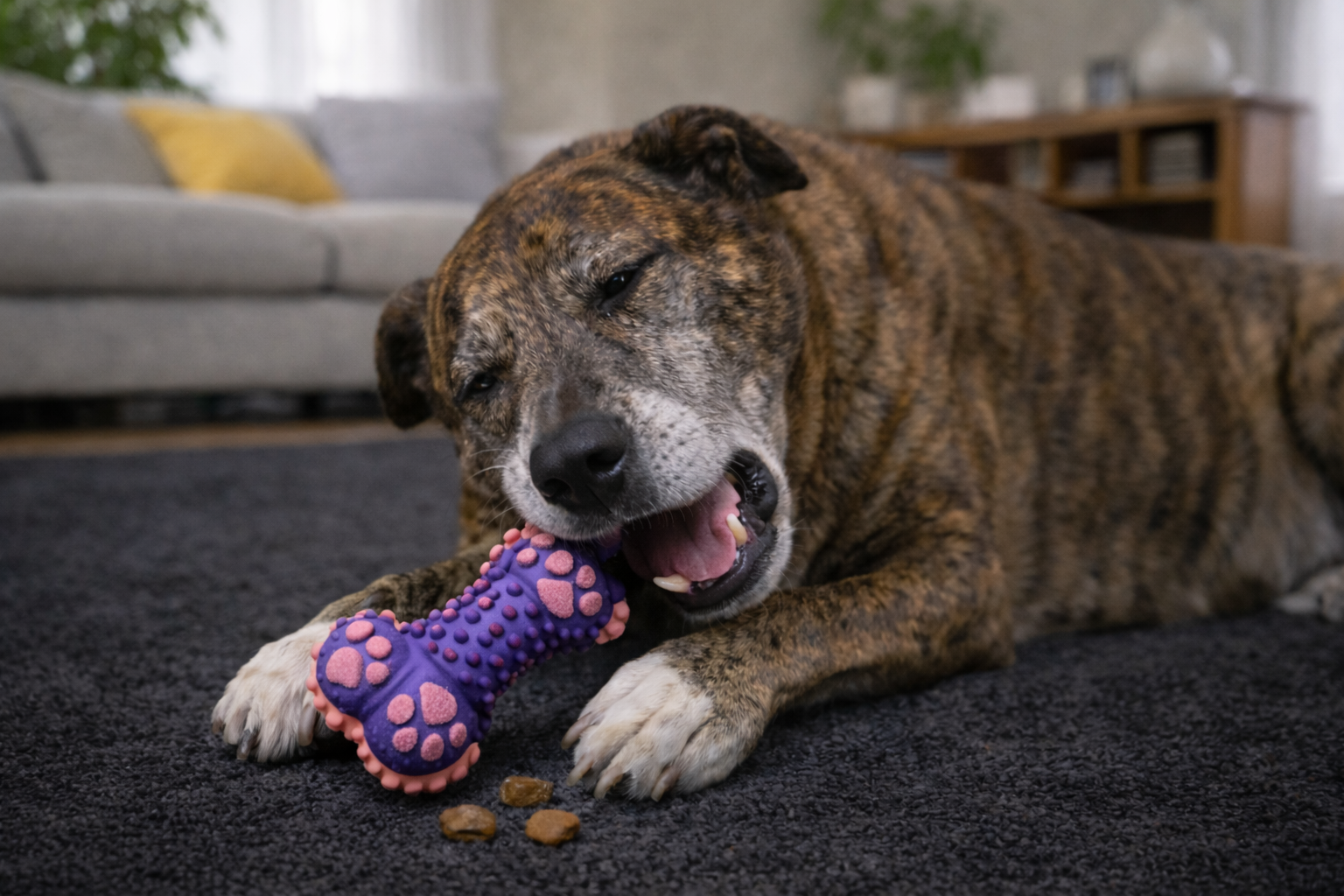
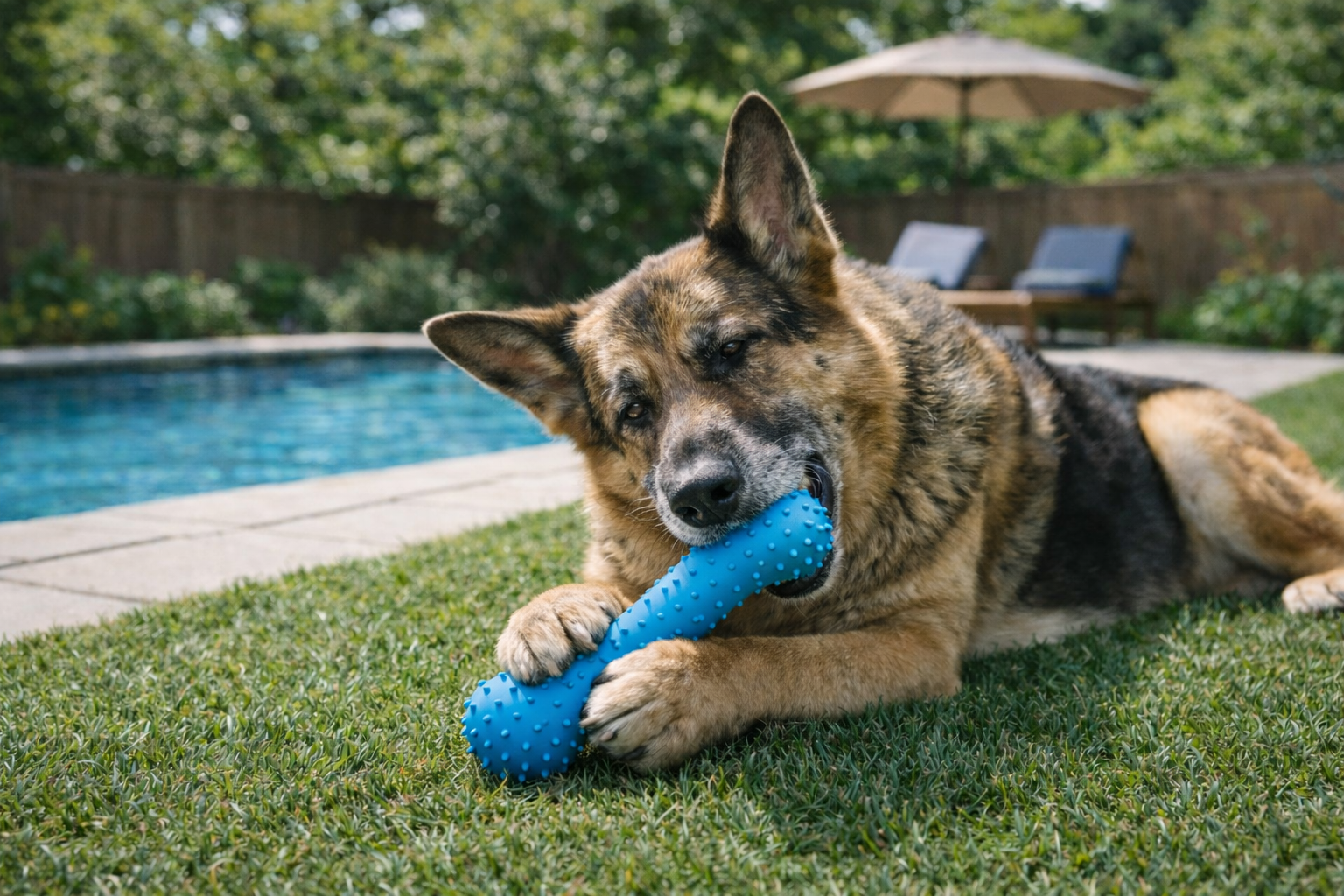
Dog chew toys should be chosen based on the chewing characteristics of the individual dog, with some dogs being gentle nibblers and others very powerful chewers․ A tough dog could destroy a dog chew toy considered durable in five minutes․ Therefore, it is important to consider how a dog chews and plays with a toy to avoid the dog destroying the toys in a short period of time and to ensure that the toy is strong enough for the dog․ If a dog is able to easily shred soft toys, it is best to seek toys specifically designed to withstand the chewing strength of excited dogs and that are more durable․
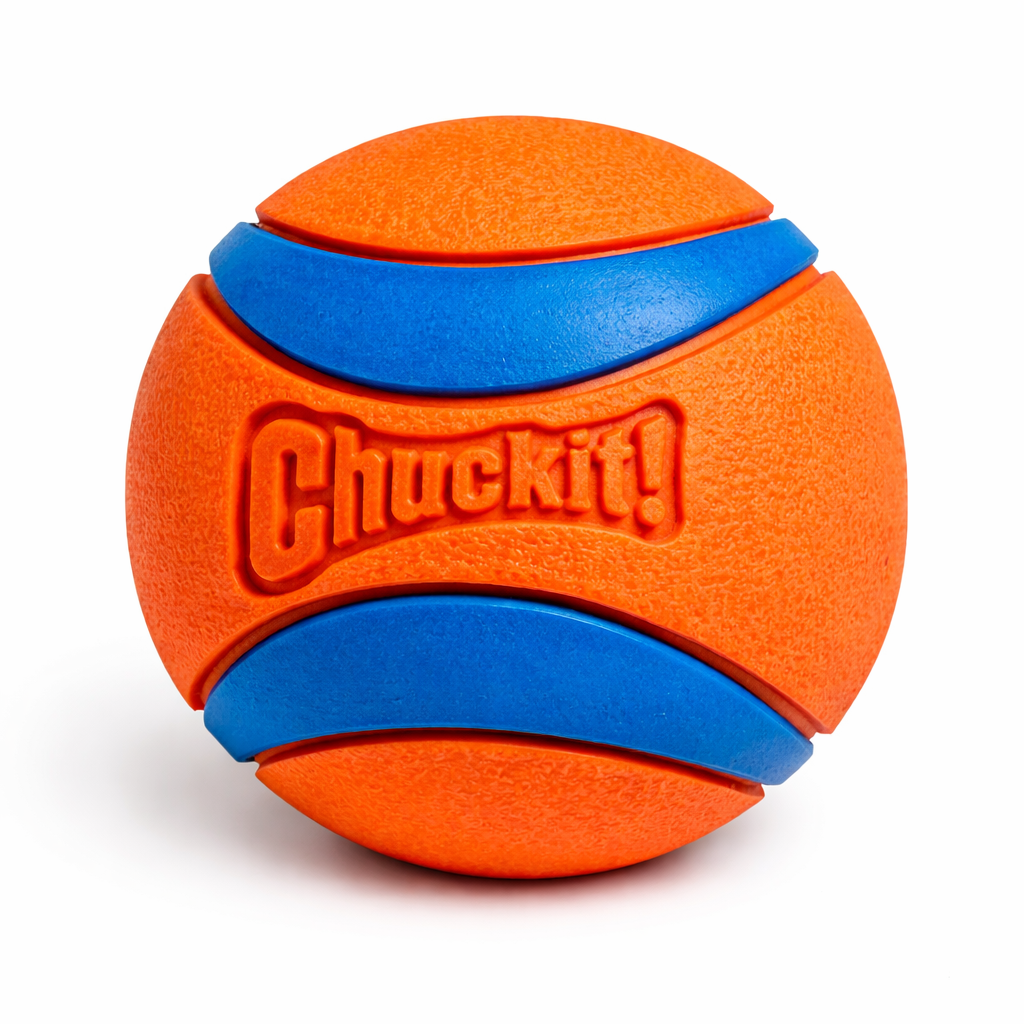
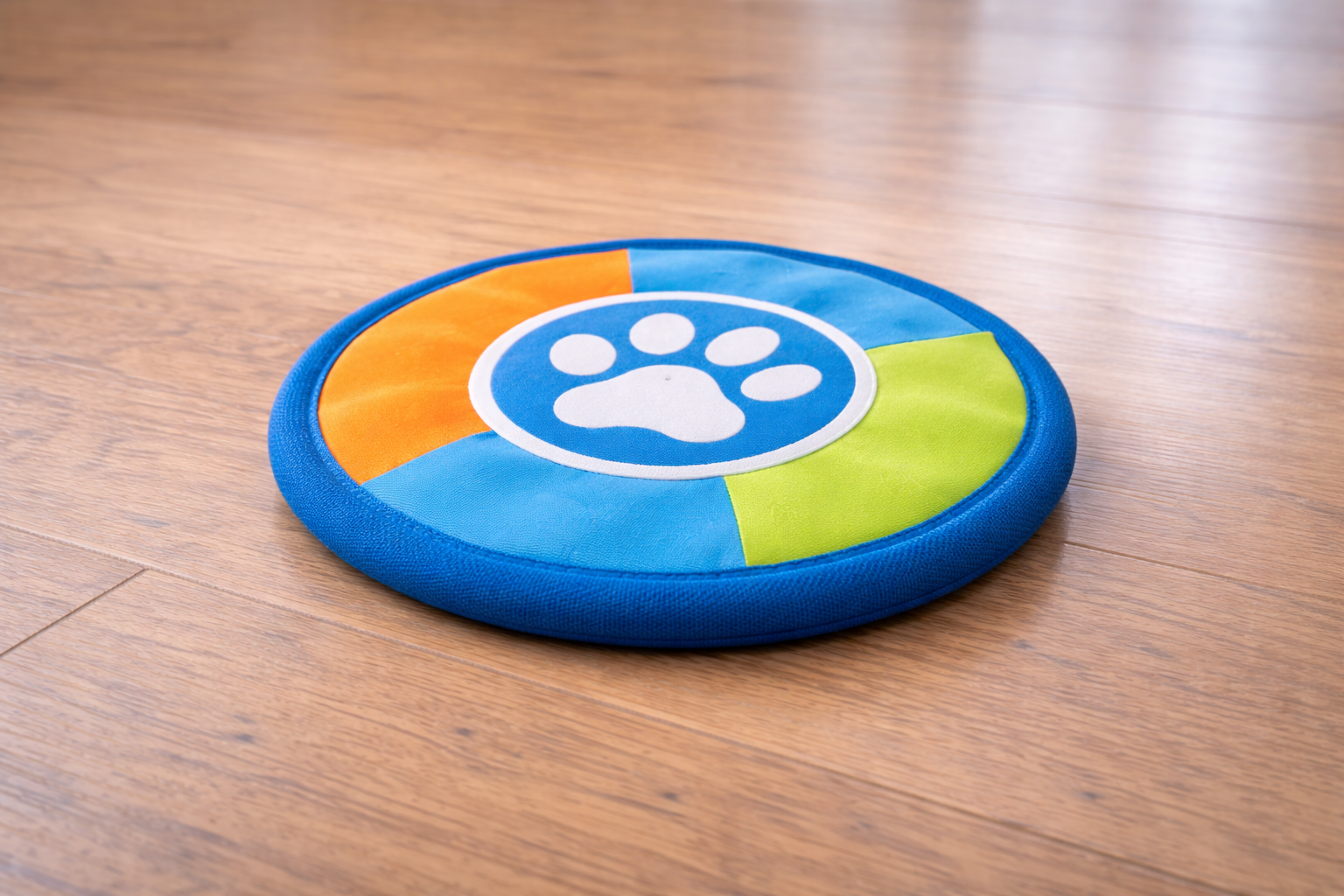
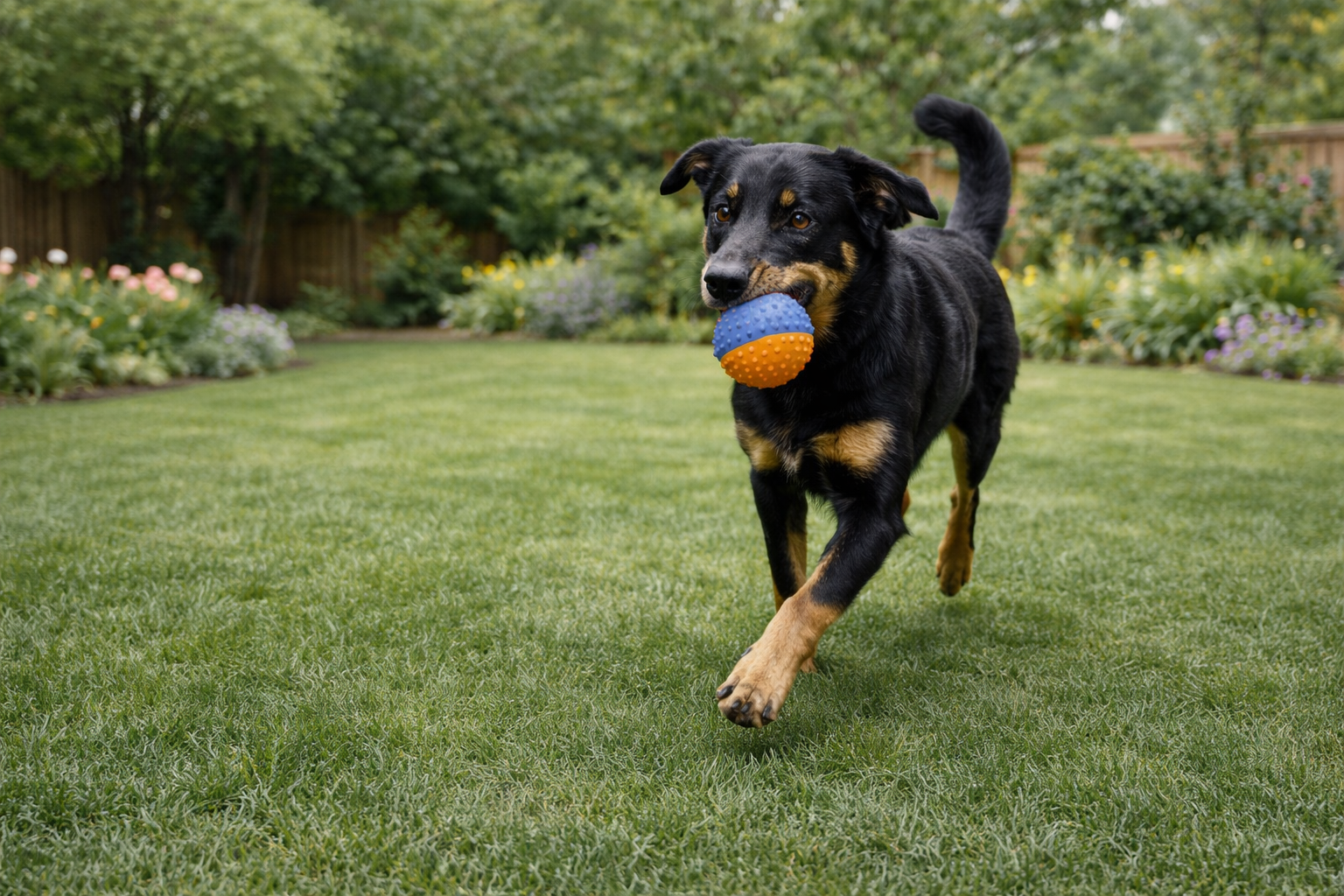
Fetching toys help create the bond between the dog and the owner․ A number of factors must be considered in acquiring a fetching toy to prevent negative interactions between the dog and the toy or between the dog and the owner․ The size of the toy is important: an oversized toy cannot be swallowed whole by the dog and block its throat, and is also large enough so that it can be easily found by the dog when outside․ As many dogs play in forested areas, parks, or fields, where toys can be easily lost amongst grass or leaves, bright colors can make it easier for both dog and owner to find the toy again after it has been thrown․ Furthermore, the toy must be small enough for the human/owner to carry․ Although seemingly trivial, this has an important role in how much fetch the owner is willing to play with their dog․ It can also be difficult for the dog to pick up and carry, and if this is the case, the toy may not provide the necessary exercise or bonding․
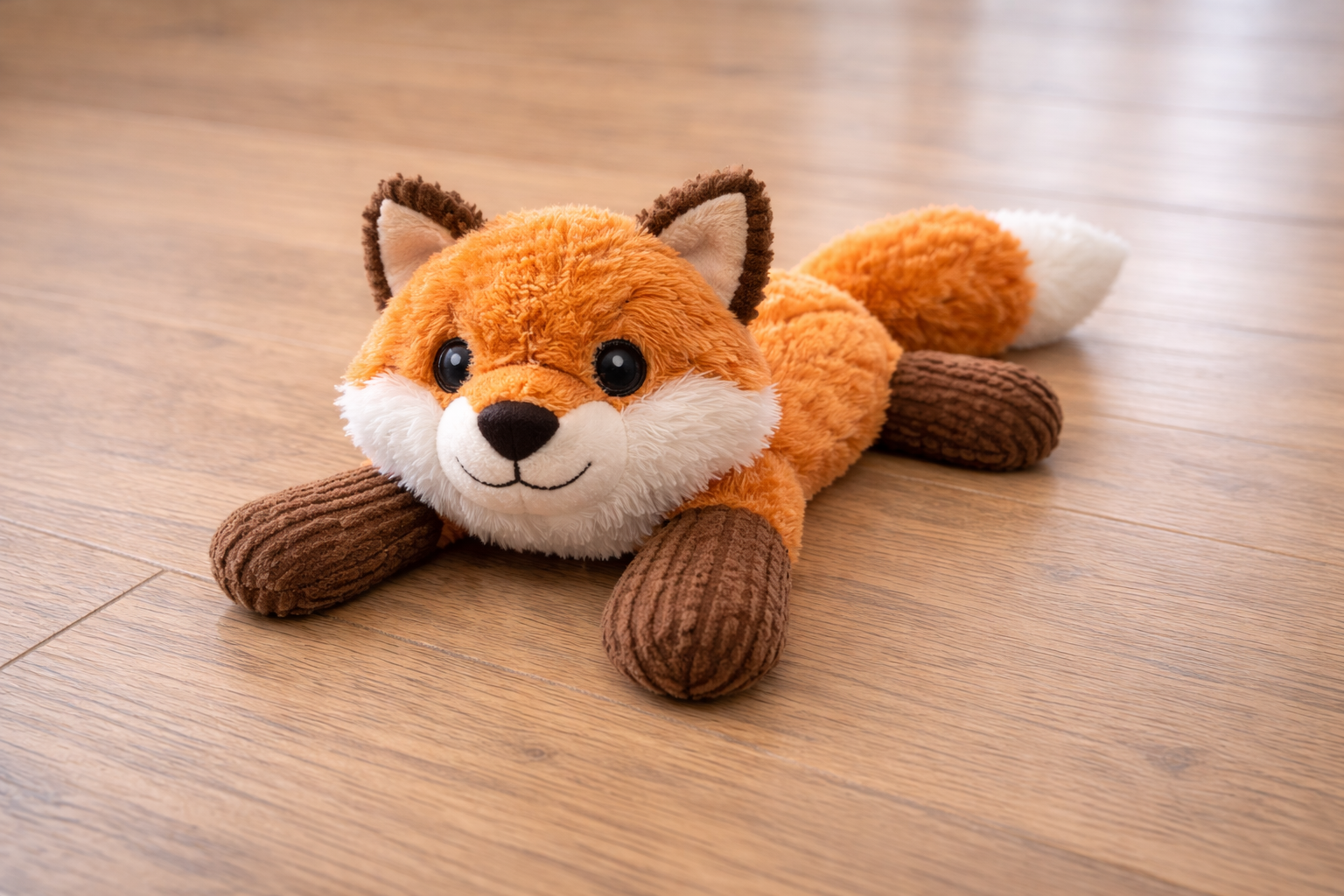
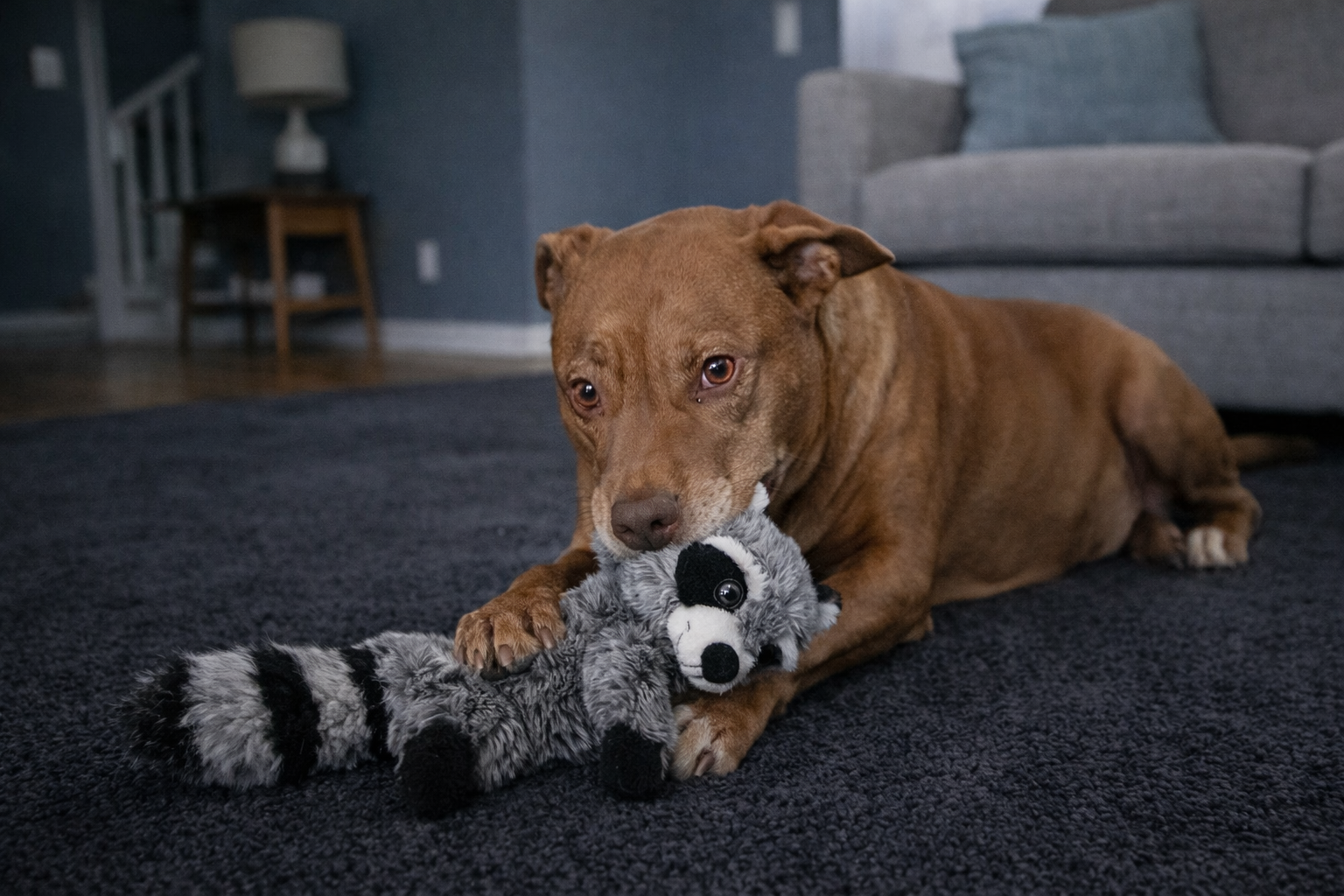
Plush toys are a popular choice among pet parents as they can provide comfort either through the hug of a stuffed toy or via the stimulation of a toy․ Stuffed toys can be made in many different sizes, shapes, and characters․ Stuffed toys are often soft and may present some comfort to a dog, especially puppies and other dogs in distressing situations․ Not all dogs, however, have the same affection for stuffed toys․ There are dogs that are prone to tearing apart and chewing apart toys, so a consideration on which plush toy would be ideal for them would need to be put in place․ The idea would be to try and find a plush toy that is soft to touch but durable․
Interactive toys can keep the dog mentally stimulated while in a crate if the dog is left alone or after the dog has been exercised on a walk and needs to settle down․ There are many types and styles of interactive toys, so a dog owner can find the right interactive dog toy for their dog․ Puzzle toys require your pet to figure out how to get a treat out of the toy, while chew toys allow your pet to keep chewing on a toy for a long time․ The benefit of these toys is that they satisfy your dog's need for mental stimulation and thereby decrease the likelihood that your dog will become bored․
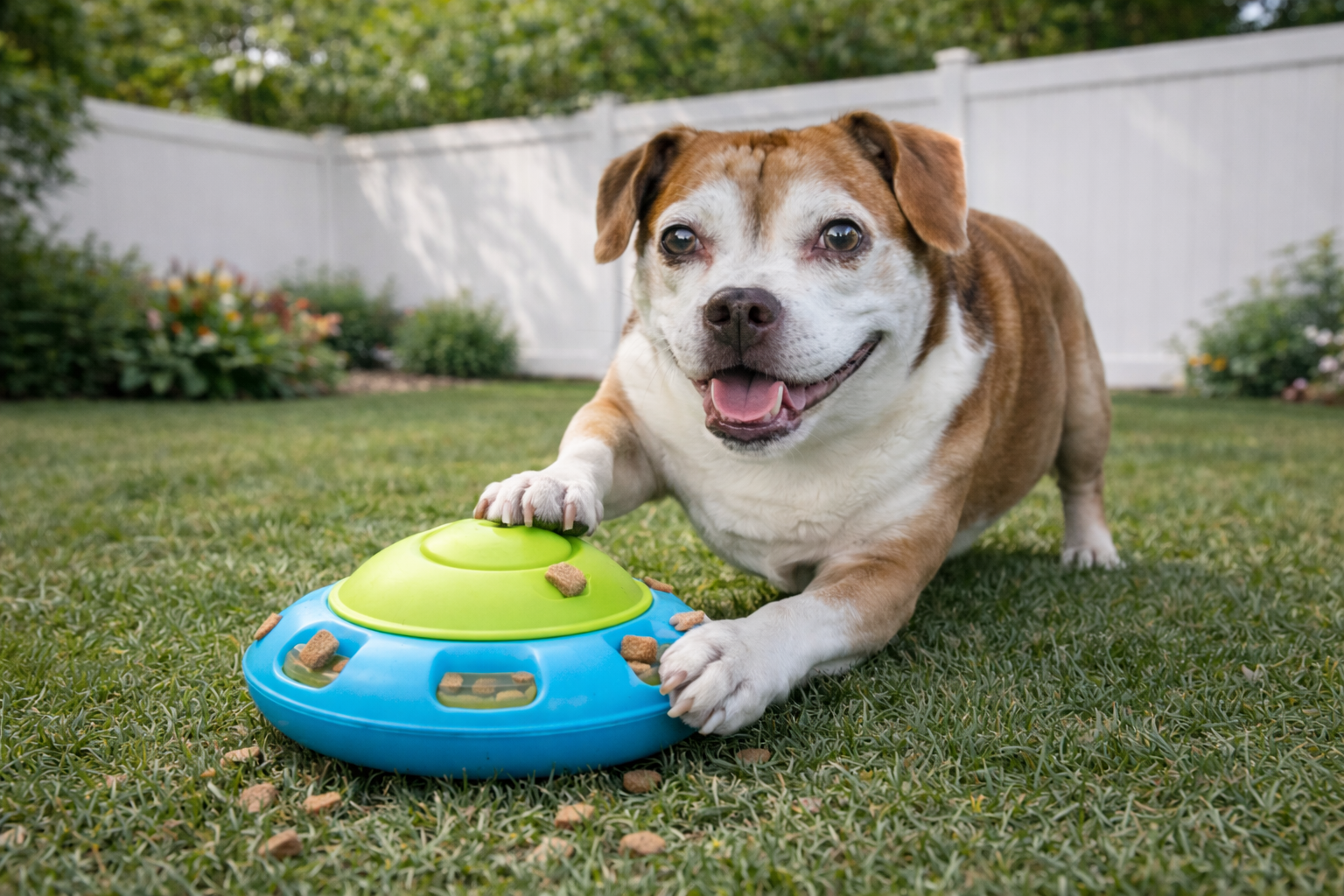
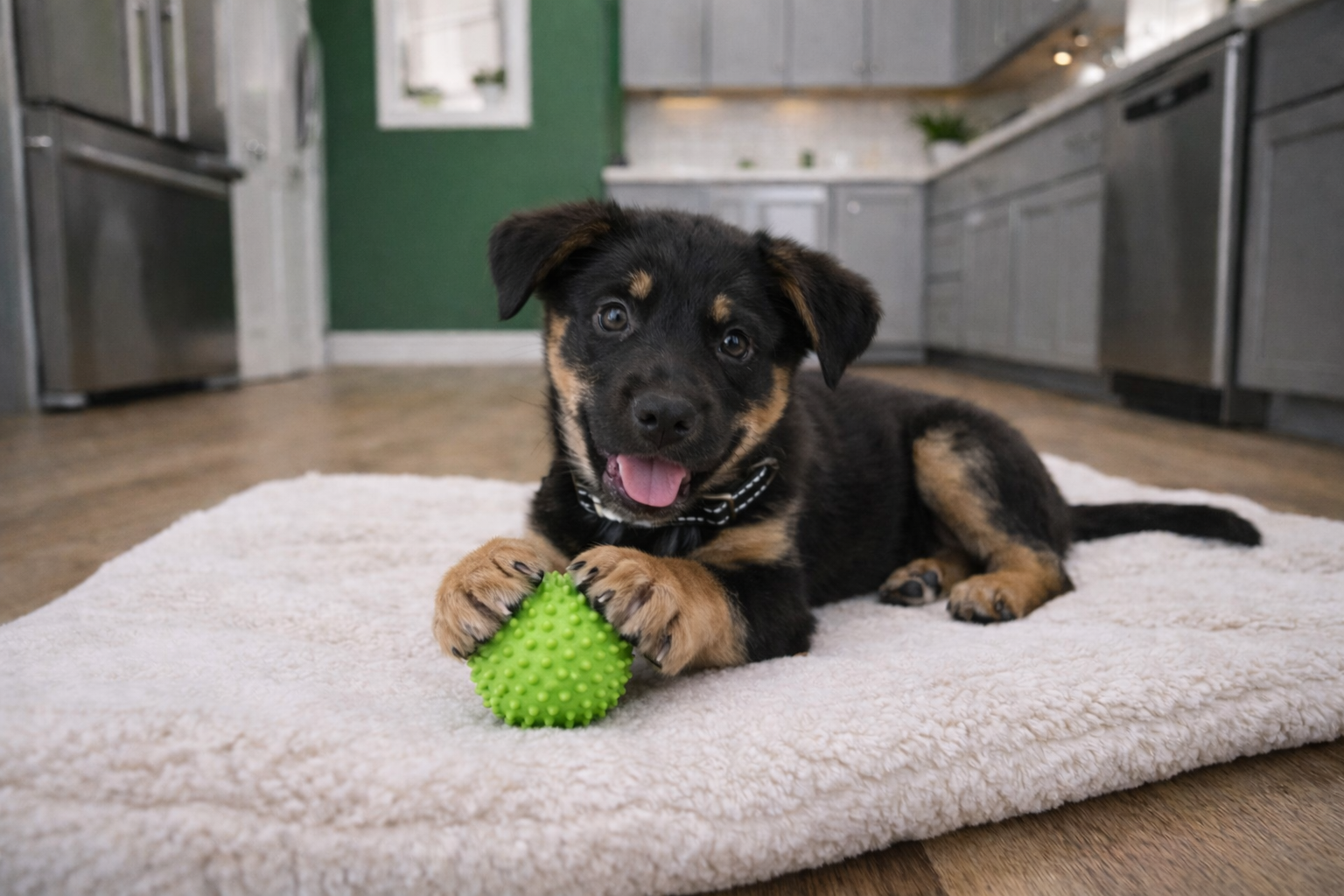
Puppies are playful; they are curious of their environment․ Like all mammals, puppies have a period of teething as they mature, which can be painful․ This is also an important time since the small gums may be quite tender․ They will have a natural urge to chew, and it is important to know how to soothe their gums and which toys to give․ You will want to make sure that you choose the right materials for your toys so that they are not only safe for your puppies but that they are also soft enough for their gums․ You want your toys to be comforting while also engaging and entertaining․
Older dogs often prefer softer chew options and enrichment that doesn’t require intense biting. Look for flexible rubber, lick-style toys, and lighter fetch items.
Training toys help you reward behaviors fast. The best options are easy to grab, consistent, and not so exciting that your dog ignores you.
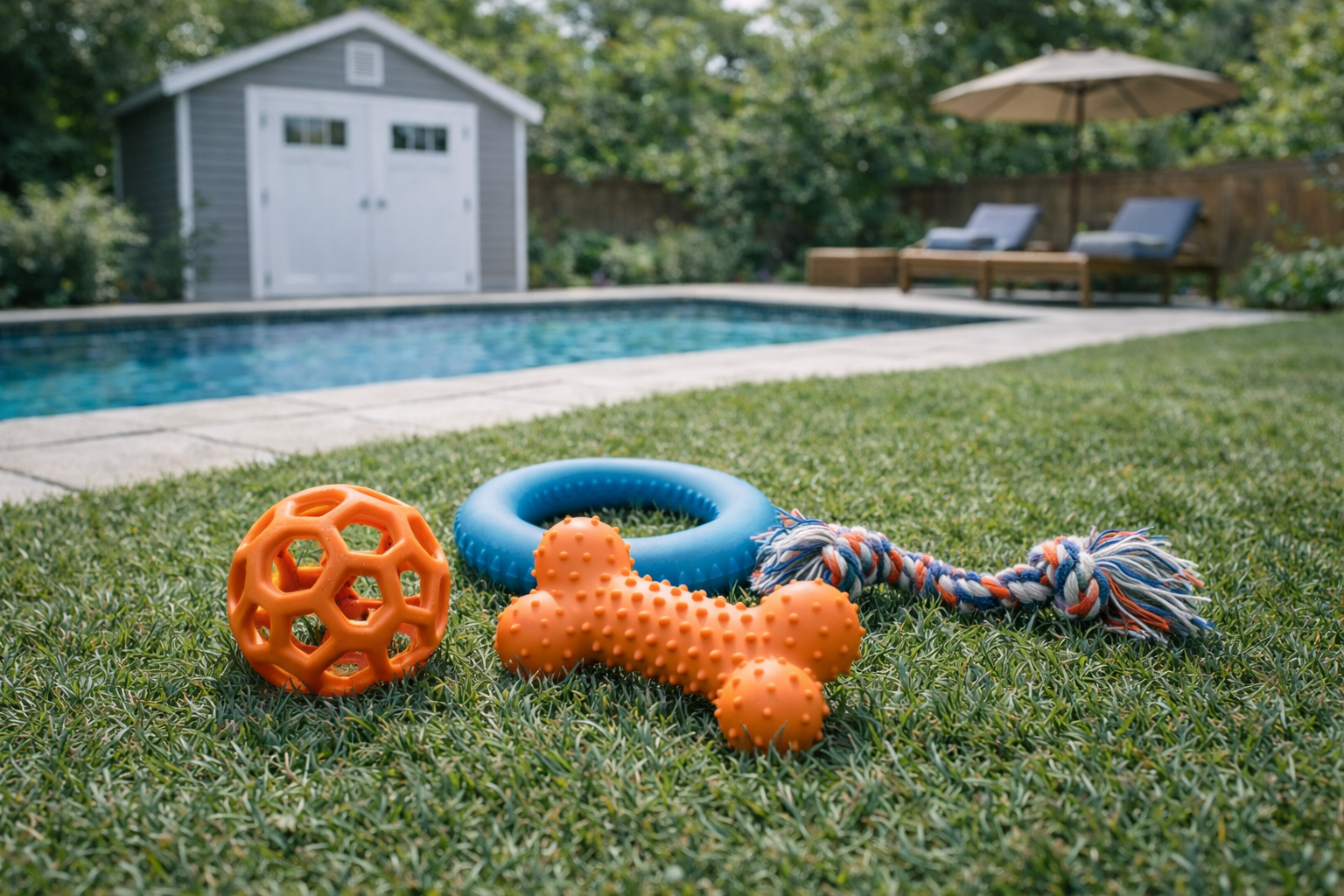
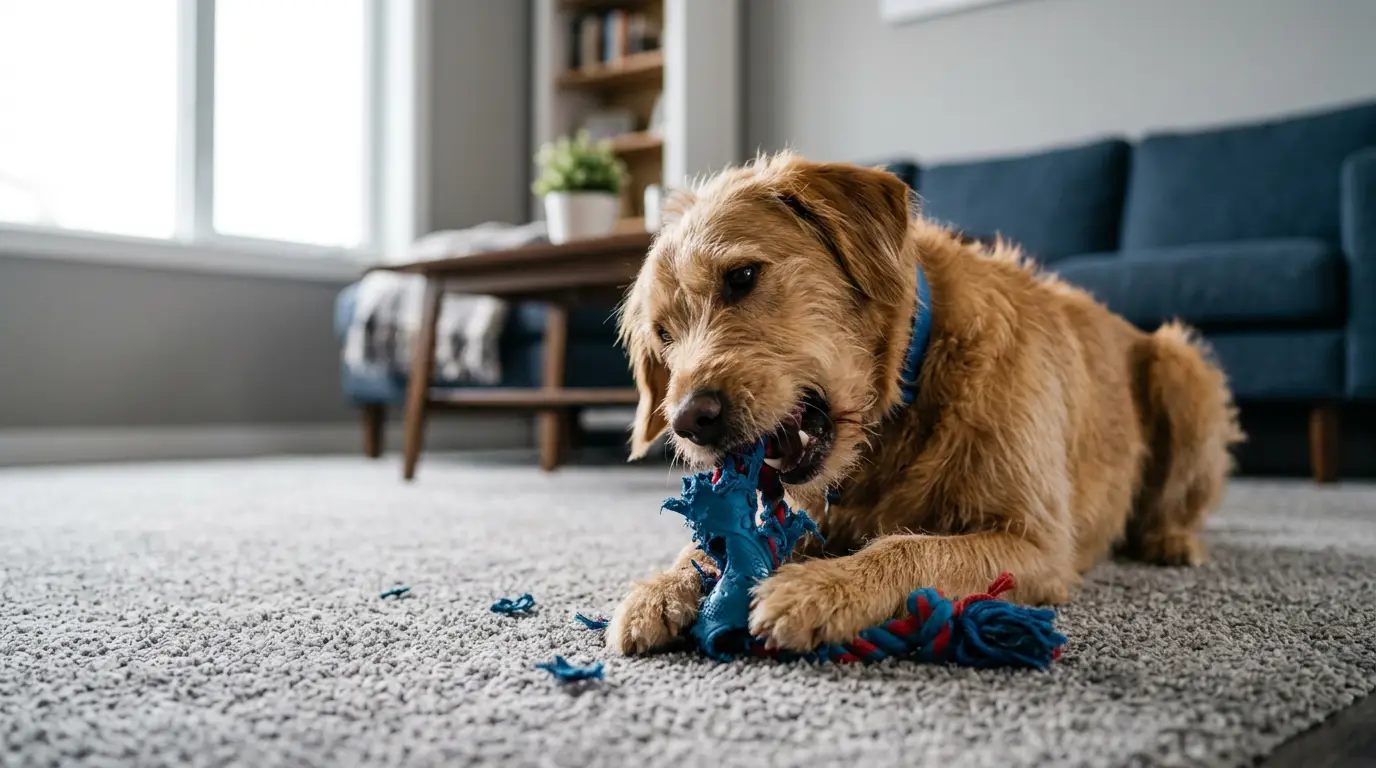
Dogs may destroy toys because of instinct, boredom, or anxiety. Understanding why this behavior happens can help owners choose toys that last longer and keep dogs mentally stimulated.
Always choose toys appropriate for your dog's size and chewing strength. Small toys can become choking hazards for large dogs.
Inspect toys regularly and replace them if they become cracked, torn, or heavily worn. Supervise your dog when introducing a new toy.