
CAT GEAR COMPARISON
Cat Trees and Scratching Towers: Compare Access and Fit
Compare vertical platforms and scratching surfaces with your cat’s access needs, the available space and the selected model’s instructions.
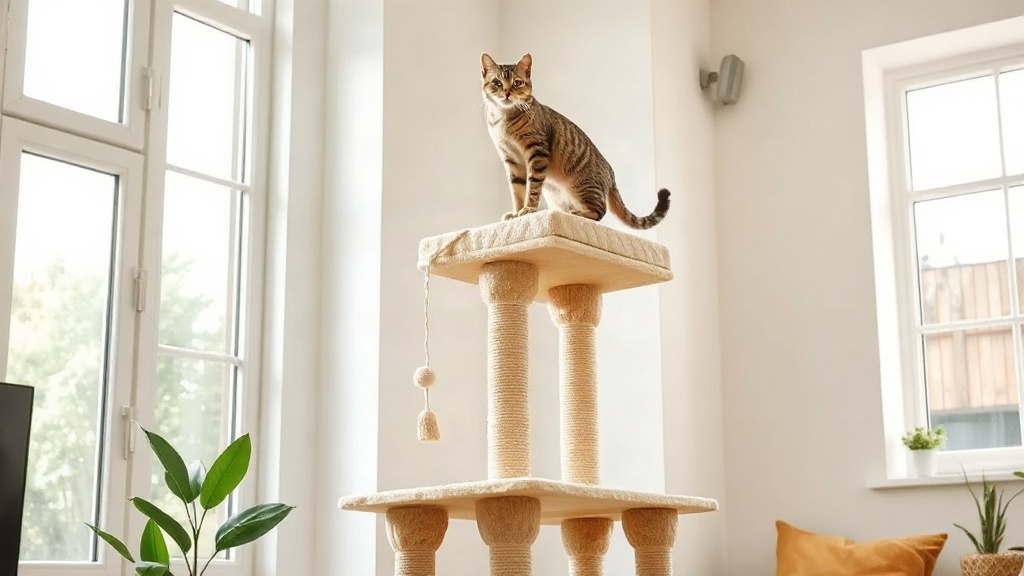
Compare usable platforms, access, stability and the selected model’s installation requirements.
Vertical resting and climbing spaces are part of an indoor cat’s environment. Choose accessible platforms and placements that suit the individual cat, with separated resources in multi-cat homes. A tower does not guarantee changes in counter-climbing, conflict or mobility. Looking for a flat scratching post or pad instead? See our Best Cat Scratching Posts and Pads guide.
Quick Picks
Platforms and Surfaces
Compare: usable platforms and scratching surfaces
Check the linked model’s actual platform dimensions, step spacing and scratching materials. Confirm whether the pictured or advertised condos, hammocks and perches are included in the selected variant.
Load Limits and Access
Compare: stated limits, anchoring and separate access
Check the selected tower’s base, supported weights, platform space and anchoring instructions. Assess stability after assembly and observe shared access; a large-cat or multi-cat label does not establish that the tower fits your cats.
Footprint and Placement
Compare: base dimensions and intended installation
Measure the available floor space and the linked model’s base and overall dimensions. Follow its intended installation method rather than assuming it can lean against a wall or attach to a window.
Comparison Table
| Pick | Comparison Focus | Dimension Check | What to Confirm |
|---|---|---|---|
| Platforms and Surfaces | Platform access and scratching options | Overall height and step spacing | Actual materials, included components and usable perch space |
| Load Limits and Access | Supported weights and shared access | Base and platform dimensions | Stated limits, assembly and anchoring requirements |
| Footprint and Placement | Available floor space and placement | Base size, height and clearances | The selected model’s intended mounting or free-standing setup |
Platforms and Scratching Surfaces
Compare the linked model’s actual platforms and scratching surfaces with how your cat climbs, stretches and rests. Check the selected variant’s materials and included components, and measure access between levels. Height alone does not establish a good fit.
Load Limits and Shared Access
For larger or multiple cats, compare base dimensions, usable platforms, supported weights and installation directions. Follow anchoring requirements and observe how each cat reaches the resources. Provide separated resting and scratching options rather than relying on one shared tower to prevent conflict.
Footprint and Placement
Measure the selected model against the intended location and allow room for access and installation. Confirm whether it is free-standing, wall-mounted or window-mounted; use the maker’s instructions rather than treating those formats as interchangeable.
How to Choose a Cat Tree
- Stability and base width: Check base dimensions, assembly, anchoring and supported weights for the exact model. Recheck stability and hardware during use.
- Sisal vs. carpet posts: Compare the actual materials, your cat’s preferences and access for stretching. Inspect for loose strands or damage; a material name does not establish comparative durability.
- Height for multi-cat vertical territory: Provide accessible, separated resting and scratching resources. Observe access; height and multiple levels alone do not prevent competition.
- Weight capacity: Check the manufacturer’s guidance on supported weight, particularly for large-breed cats or homes where more than one cat may climb the tree at once.
- Placement near windows: A window view may interest your cat. Check the intended location, access and installation clearances; placement does not guarantee that other climbing stops.
Frequently Asked Questions
How tall should a cat tree be?
There is no single useful height for every home or cat. Compare accessible steps, platform size, overall dimensions and installation with your cat’s mobility and the available space.
Do cat trees stop cats from scratching furniture?
Observe which scratching surface and orientation your cat uses, and provide an accessible post or pad that fits that preference. A tree does not guarantee that furniture scratching stops.
How do I get my cat to actually use a new tower?
After secure assembly and installation, let your cat investigate accessible lower platforms without forcing them. A familiar location or reward may help; the time needed varies.
Are taller cat trees safe for older or less agile cats?
Compare platform access and step spacing with the individual cat’s mobility. Ask your veterinarian about pain or difficulty climbing; a shorter tower is not automatically suitable.
More Cat Guides
Final Take
Compare usable platforms, scratching surfaces, dimensions, supported weights and installation before choosing a tower. Provide accessible and separated resources for the cats using your home, and inspect the assembled equipment during use.