
CAT TROUBLESHOOTING
Why Is My Cat Peeing Outside the Litter Box?
New urination outside the litter box deserves a health and litter-box review. Note when it started, how much urine is produced and any other changes so you can discuss them with your veterinarian.
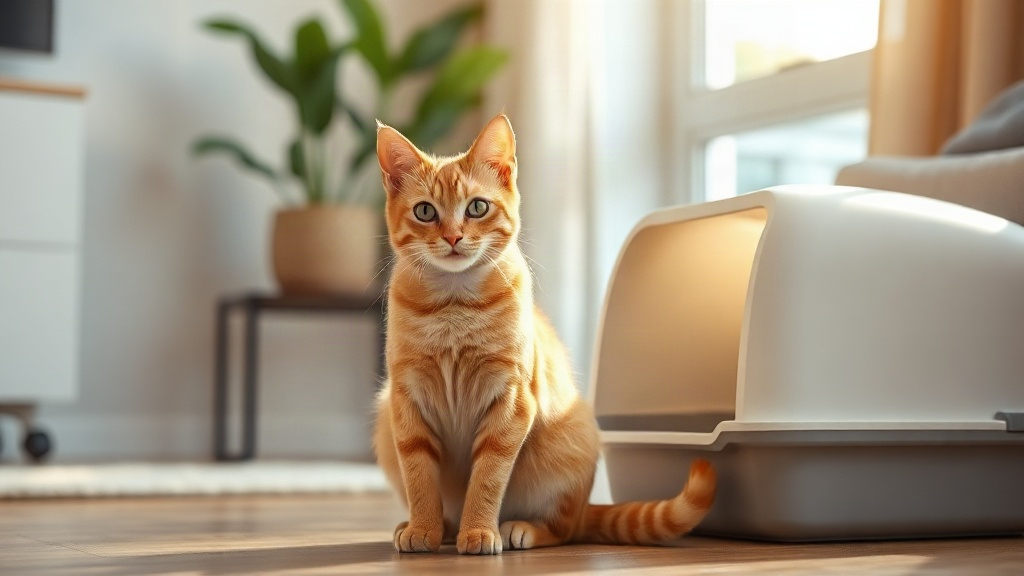
Review box access, location and cleanliness alongside veterinary assessment; a new box alone does not identify the cause.
House-soiling can involve health, stress or the litter-box setup. Treat it as something to investigate rather than a reason to blame your cat; the cause and response to changes vary.
Common Causes
Litter Box Aversion
Consider box dimensions, entry height, litter and access. A low entrance may be easier for a cat with mobility difficulties, but compare the linked box’s actual size and features before buying. Check Price on Amazon
Record paw-shaking, avoidance or unusual posture, but do not use those observations to diagnose litter discomfort or exclude a medical cause.
Stress and Anxiety
Record recent household changes, shared resources and where accidents occur. These observations may help your veterinarian assess possible environmental contributors; a chosen spot does not reveal your cat’s intent.
Keep routines predictable and provide accessible resources while the cause is assessed. Improvement has no guaranteed timetable.
Territorial Marking
Marking is different from a regular accident — it usually shows up as small amounts of urine sprayed on vertical surfaces like walls, furniture, or doorways, rather than a puddle on the floor. This behavior is more common in unneutered males but can happen in spayed and neutered cats too, especially in multi-cat homes or when your cat can see outdoor cats through a window. Reducing visual triggers, such as blocking window views to the yard, and ensuring every cat in the home has their own resources can help cut down on marking.
Medical Issues
Medical problems can contribute to house-soiling even when a cat does not otherwise look ill. Your veterinarian may use a urinalysis and further tests; a normal urine result alone does not exclude every cause.
Box Location and Cleanliness
Review quiet, accessible box locations away from food and water. Scoop daily and adjust complete changes and washing to the litter instructions, use and condition of the box; strong cleaners or lingering odors may be unwelcome.
Multi-Cat Competition
Look for blocked access and provide boxes in separate accessible locations with escape routes. A covered box in a corner is not automatically a secure option; review this linked model’s access and dimensions before choosing it. Check Price on Amazon
Litter-Box and Care Checks
- Scoop at least daily. Follow litter and box care instructions, and clean sooner when conditions require it.
- Follow the “n+1” rule: provide one more litter box than the number of cats in your home, spread across different rooms.
- Move boxes to quiet, low-traffic locations away from noisy appliances, food and water bowls, and busy hallways.
- Try a different litter type or texture — many cats prefer soft, unscented, fine-grained clumping litter over scented or pelleted options.
- Reduce visible stressors, like blocking window access to outdoor cats, and keep feeding and play routines consistent.
- Clean any soiled areas thoroughly with an enzymatic cleaner so lingering odor doesn’t draw your cat back to the same spot.
- Discuss new or repeated accidents with your veterinarian. Straining with little or no urine requires immediate care.
Frequently Asked Questions
Is my cat peeing outside the litter box out of spite? Avoid interpreting house-soiling as revenge. Review health, stress and the litter-box setup with your veterinarian.
How many litter boxes do I need for one cat? Cornell recommends one box per cat plus one, in separate accessible locations. For one cat, that means two boxes; placement also matters.
Should I punish my cat for peeing outside the box?No. Punishment can increase stress and anxiety, which often makes house-soiling worse rather than better. Focus on identifying the cause and adjusting the environment instead.
Can changing litter brands cause accidents?Yes — a sudden litter switch can be enough to make a cat avoid the box, especially if the new texture or scent feels unfamiliar. If you need to change litter, try mixing the new litter in gradually with the old.
More Cat Guides
Final Take
Start with veterinary assessment and a review of box access, cleanliness and shared resources. Track changes and follow up if accidents continue. Straining with little or no urine needs immediate care, not a trial period for a new setup.