
Cat Food Guide: Kitten, Adult, Senior, Sensitive Stomach & Weight Control Options
A growing kitten, a healthy indoor adult, and an older cat with changing needs should not always be compared the same way. Cat food choices can feel overwhelming, so this guide breaks the category into simple sections based on life stage, feeding style, and common household needs.
Start by choosing the category that fits your cat best. Then compare formula type, feeding routine, ingredients, calories, texture, and long-term cost before clicking through to shop.
How to Use This Cat Food Guide
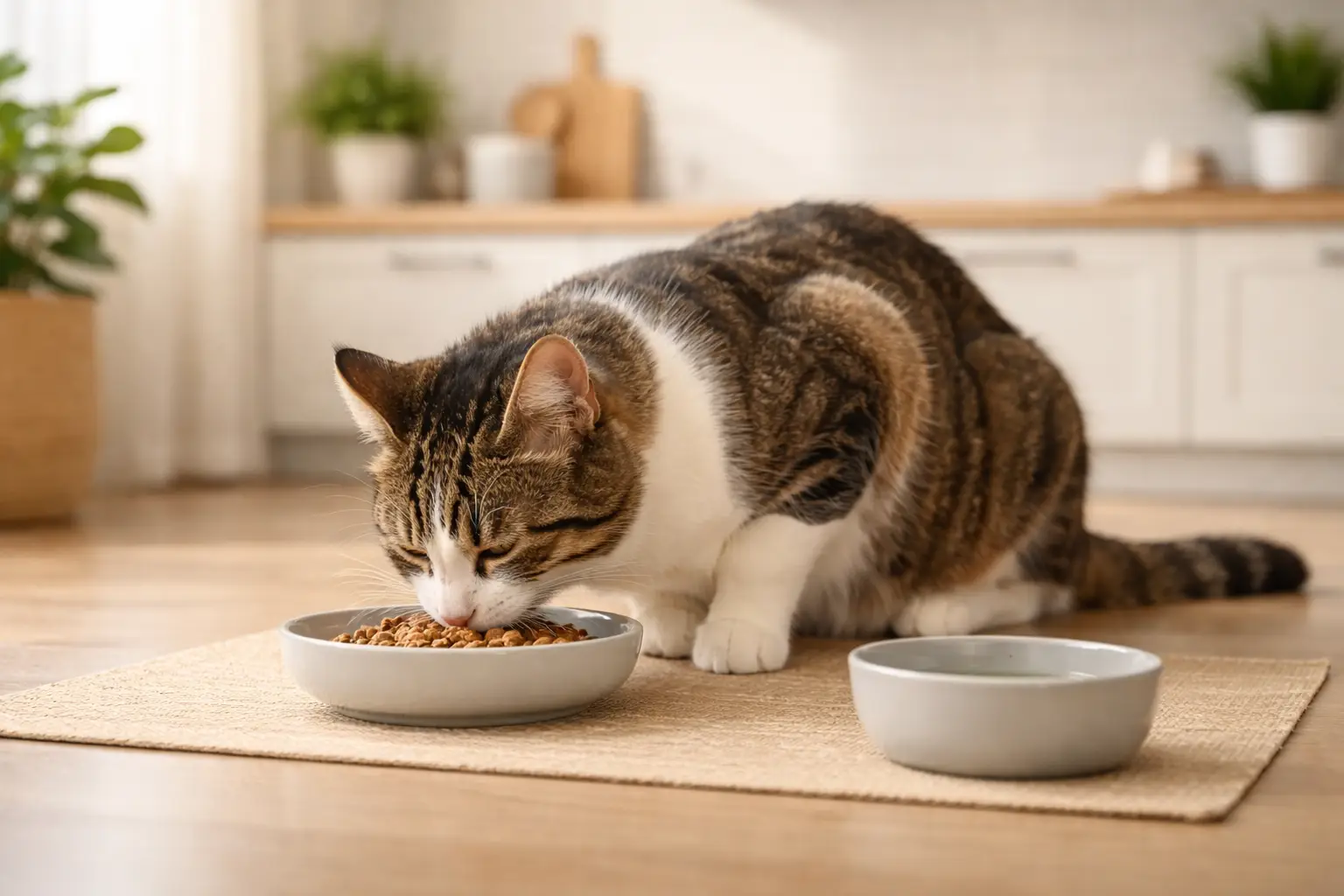
The fastest way to narrow down cat food is to stop treating it as one huge category. Start with your cat's life stage or biggest need first. That may mean kitten food for growth, adult food for daily maintenance, senior food for aging cats, or a formula focused on digestion, coat support, or weight control.
After that, compare a few options in that section by protein source, wet versus dry format, calories per serving, texture, availability, and whether the formula fits your budget long term. A food only helps if it works for your cat and is realistic to keep buying.
What to Check Before Buying Cat Food
- Check the adequacy statement for growth, adult maintenance, or all life stages. For an older cat, compare the specific formula with your veterinarian rather than relying on 'senior' alone.
- Look for a complete and balanced statement on the label for the appropriate life stage.
- Compare calories and feeding directions, not just bag size or can count.
- Remember that wet food and dry food can look different on the label because moisture changes the numbers.
- Transition foods gradually unless your veterinarian gives different instructions.
- For repeated vomiting, diarrhea, weight loss, poor appetite, urinary issues, or suspected food intolerance, contact a veterinarian.
Browse Cat Food Categories
Kitten Food
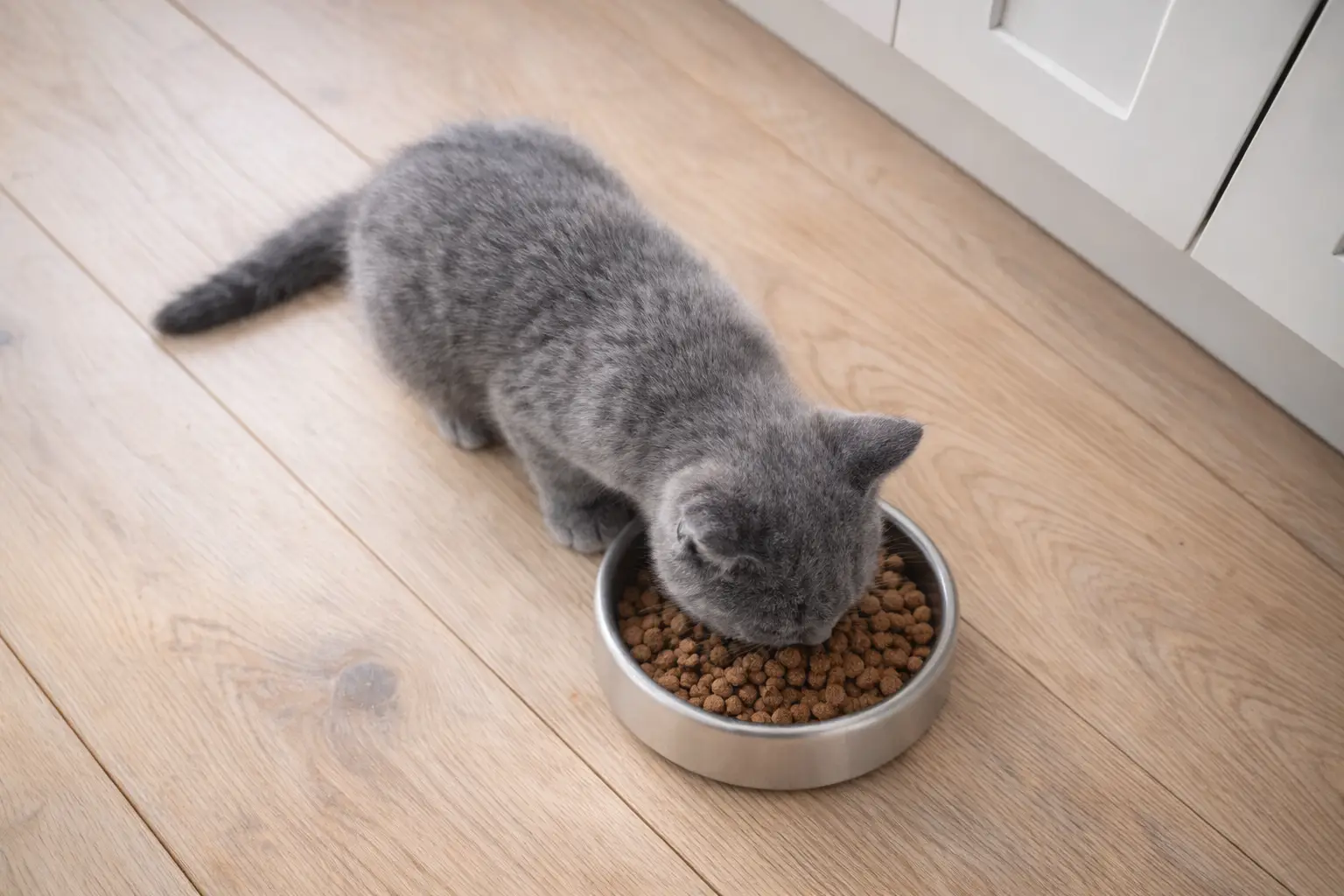
Kitten formulas are made for growth, development, and higher energy needs. This category is the starting point for young cats that need food designed for their early life stage instead of regular adult maintenance.
Blue Buffalo Wilderness Chicken Kitten (5 lb) — Check Price on Amazon
Adult Cat Food
Adult formulas focus on everyday maintenance, healthy body condition, and steady daily feeding. This is the main category for grown cats that do not need a kitten, senior, or special-needs formula.
Blue Buffalo Wilderness Chicken Adult (12 lb) — Check Price on Amazon
Senior Cat Food
Senior cat foods are aimed at older cats that may benefit from adjusted calories, easier chewing, softer texture, or more targeted everyday support as appetite and activity levels change.
IAMS Proactive Health Healthy Senior (7 lb) — Check Price on Amazon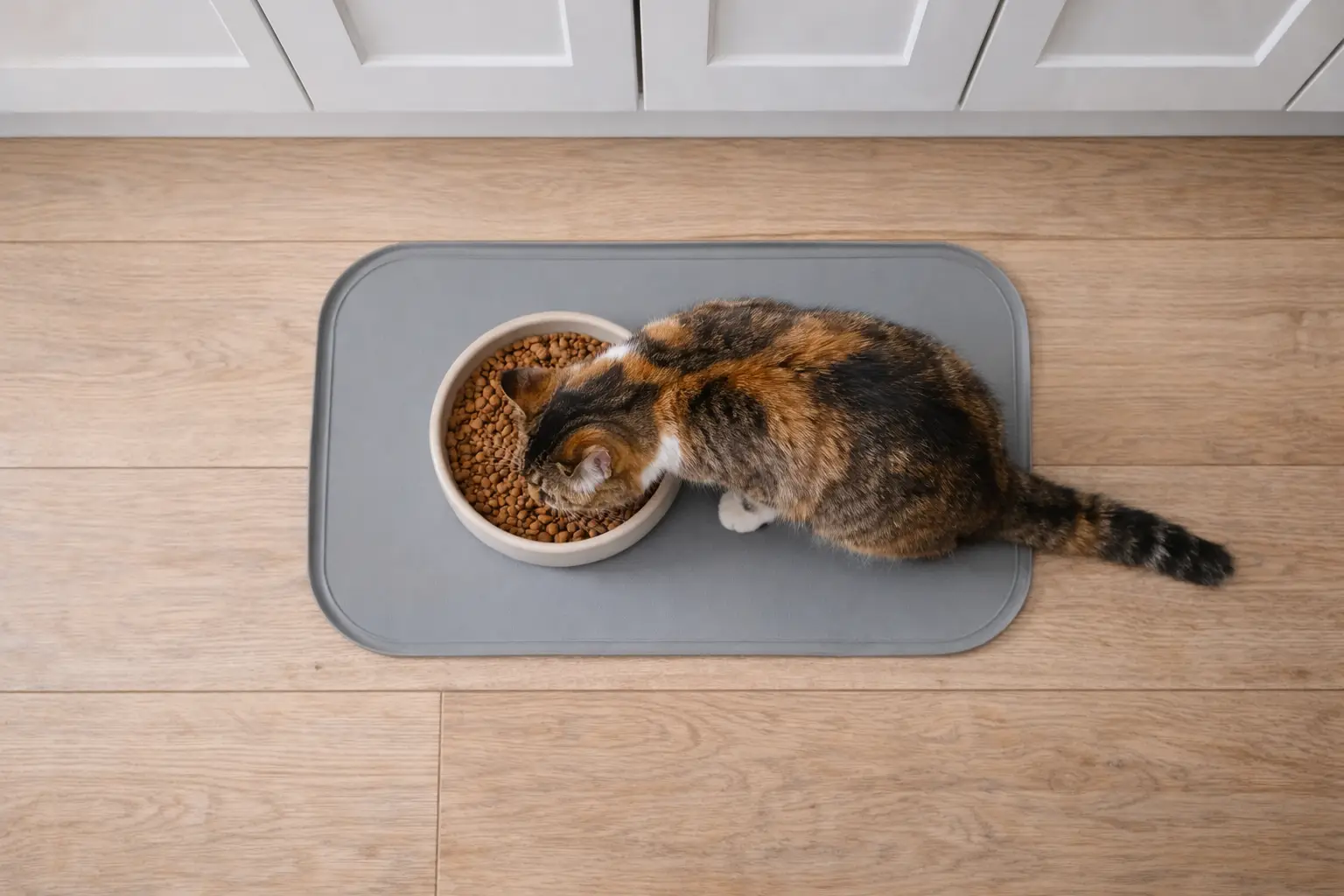
Sensitive Stomach Cat Food
Sensitive stomach formulas are made for cats that may need a gentler daily option. This category is worth comparing when regular food seems connected with loose stool, stomach upset, or inconsistent eating.
Hill's Science Diet Adult 7+ Perfect Digestion — Check Price on Amazon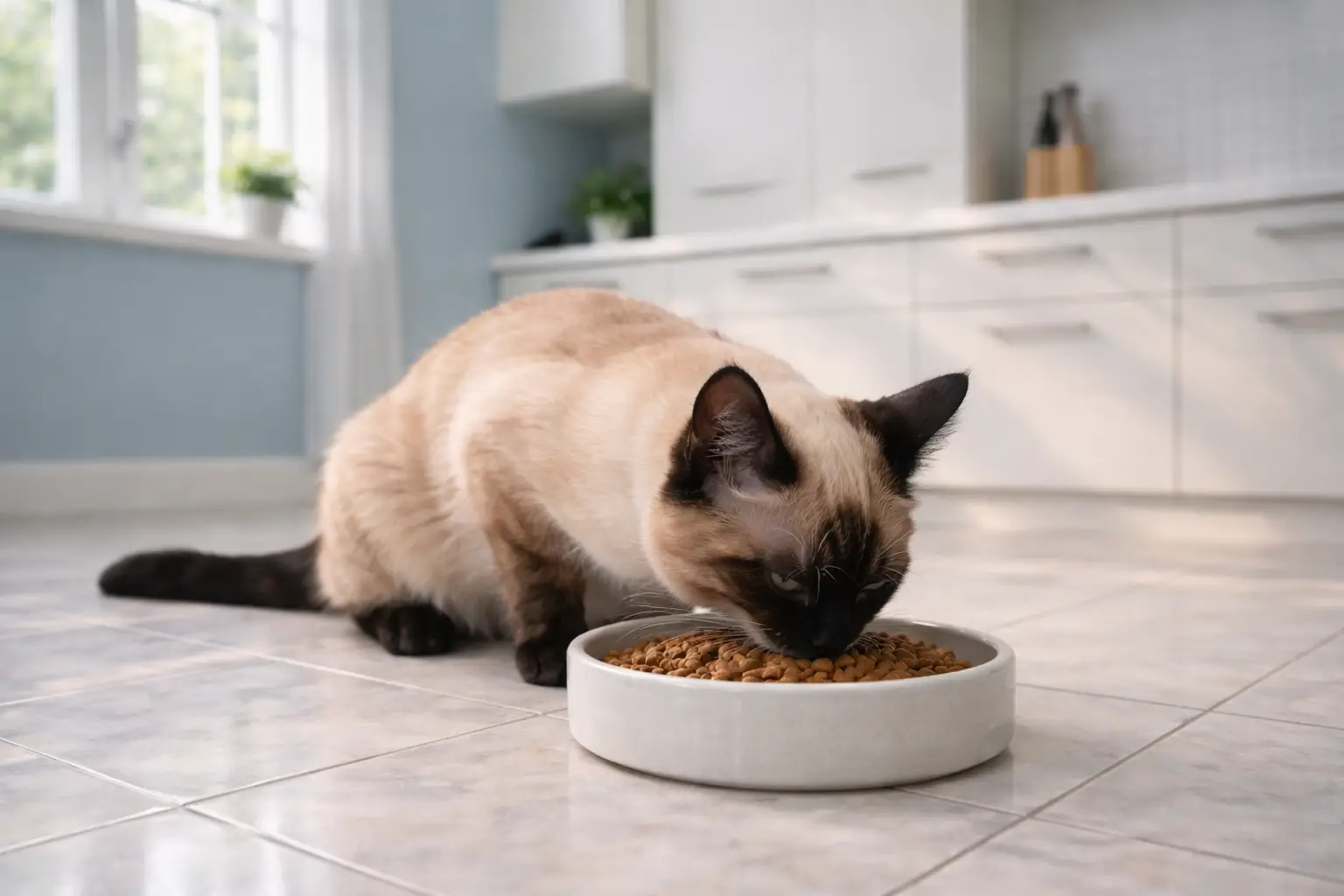
Skin & Coat Cat Food
Skin and coat formulas are often chosen for cats with dry skin, shedding, or dull-looking coats. The goal is nutritional support that may help maintain healthier-looking skin and fur.
Blue Buffalo True Solutions Skin & Coat Care Salmon (11 lb) — Check Price on Amazon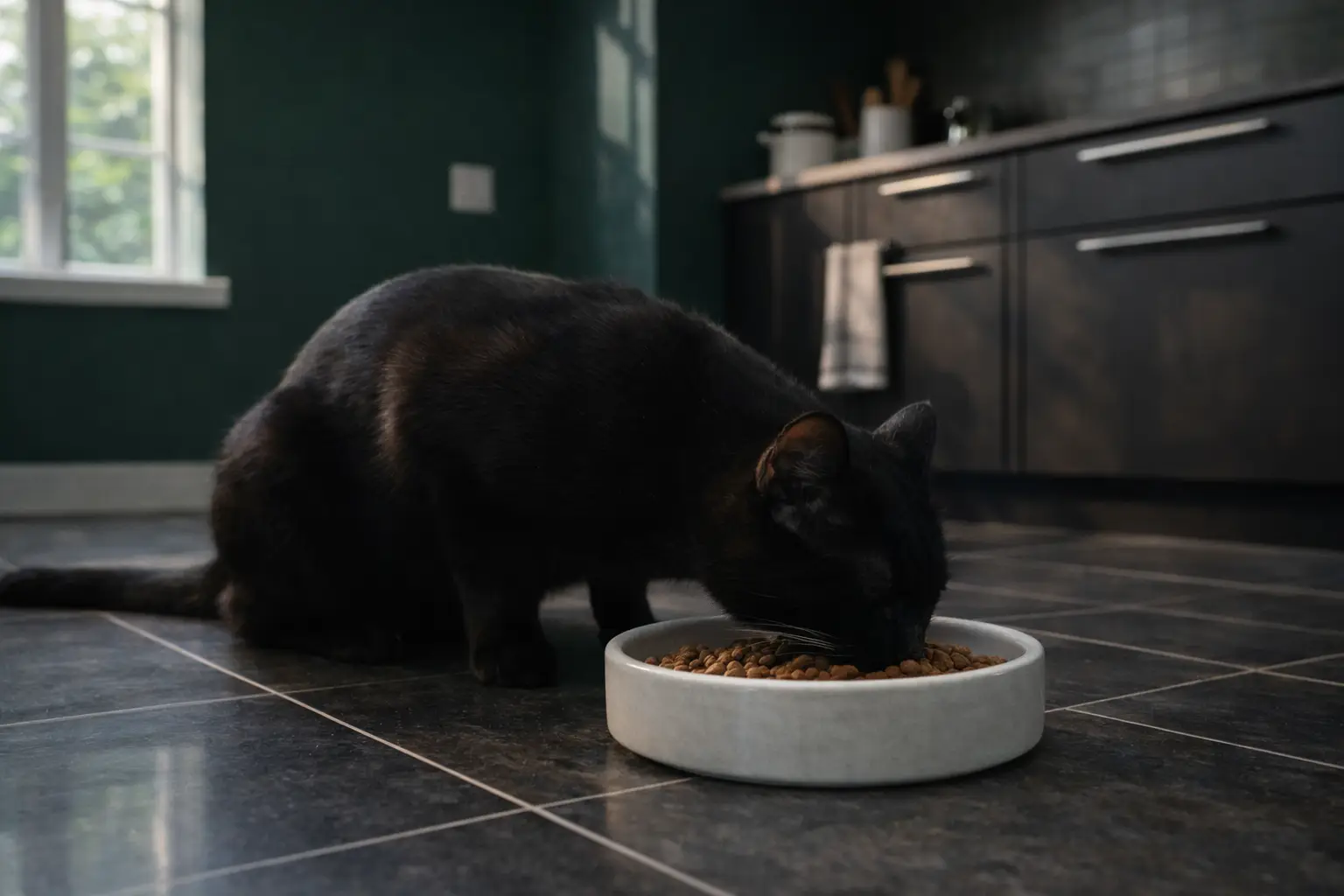
Weight Control Cat Food
Weight control foods are designed for cats that need calorie management without completely sacrificing satisfaction at feeding time. This category is common for indoor cats and less active cats.
Blue Buffalo Tastefuls Chicken Weight Control (7 lb) — Check Price on AmazonKitten Food
Kittens need food that supports growth, energy, muscle development, and a healthy start. A kitten formula should be matched to the growth life stage instead of chosen only because the package looks similar to adult cat food.
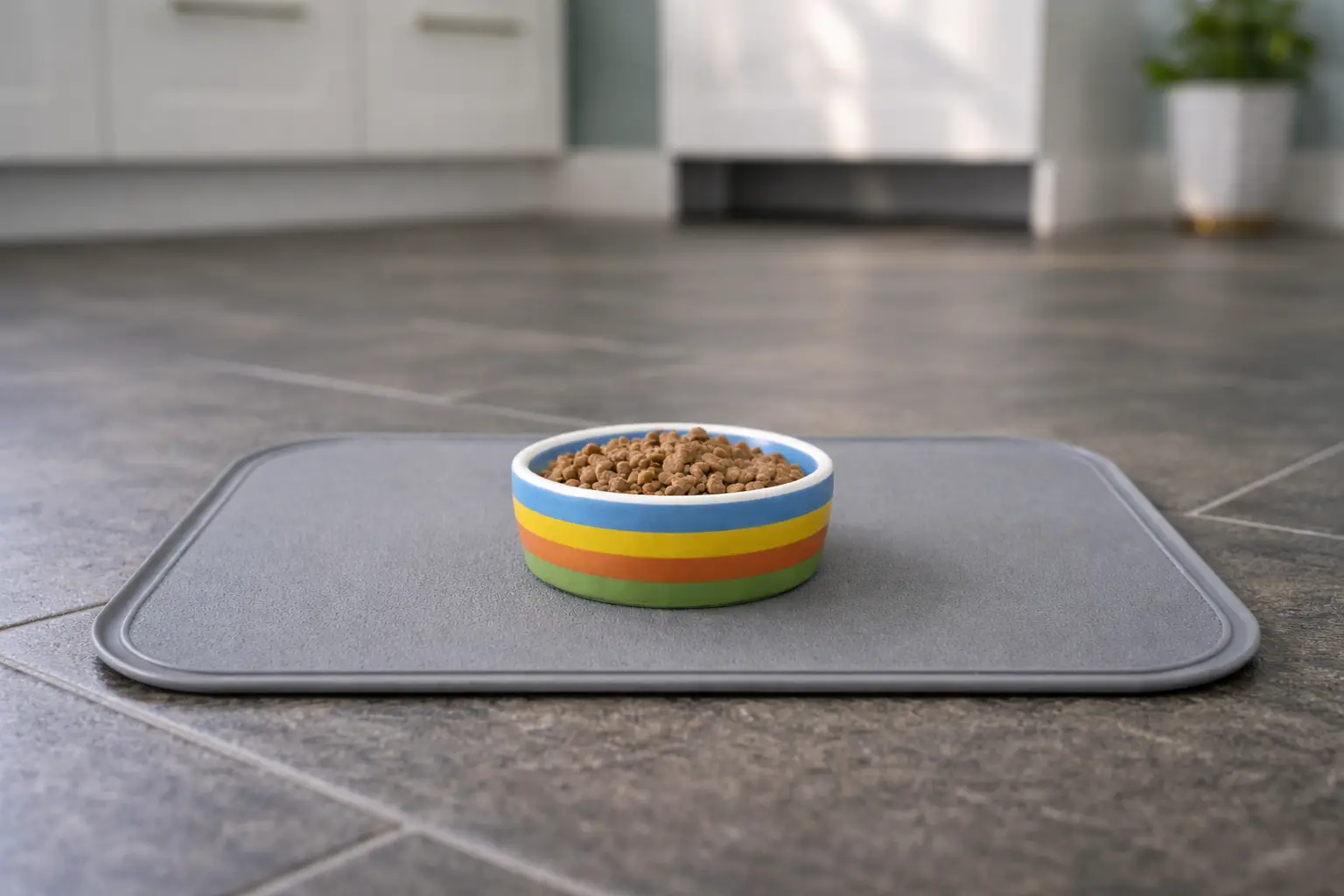
Dry kitten food can be convenient for daily feeding, while wet kitten food can help with softer texture and extra moisture. Many owners compare both before deciding what fits their kitten's routine best.
Best Dry Kitten Food
A strong dry kitten formula should support healthy growth with balanced protein, fat, and everyday nutrition for developing cats. This is a practical pick for owners who want simple daily feeding with a formula made specifically for kittens.
Purina ONE High Protein Natural Kitten — Check Price on AmazonAdult Cat Food
Adult cat food is for grown cats that need daily maintenance rather than growth support. The right formula should fit your cat's activity level, feeding routine, body condition, and preference for dry food, wet food, or a mix of both.
For many indoor cats, the biggest comparison points are calories, portion size, ingredient profile, texture, and whether the food is easy to keep buying consistently.
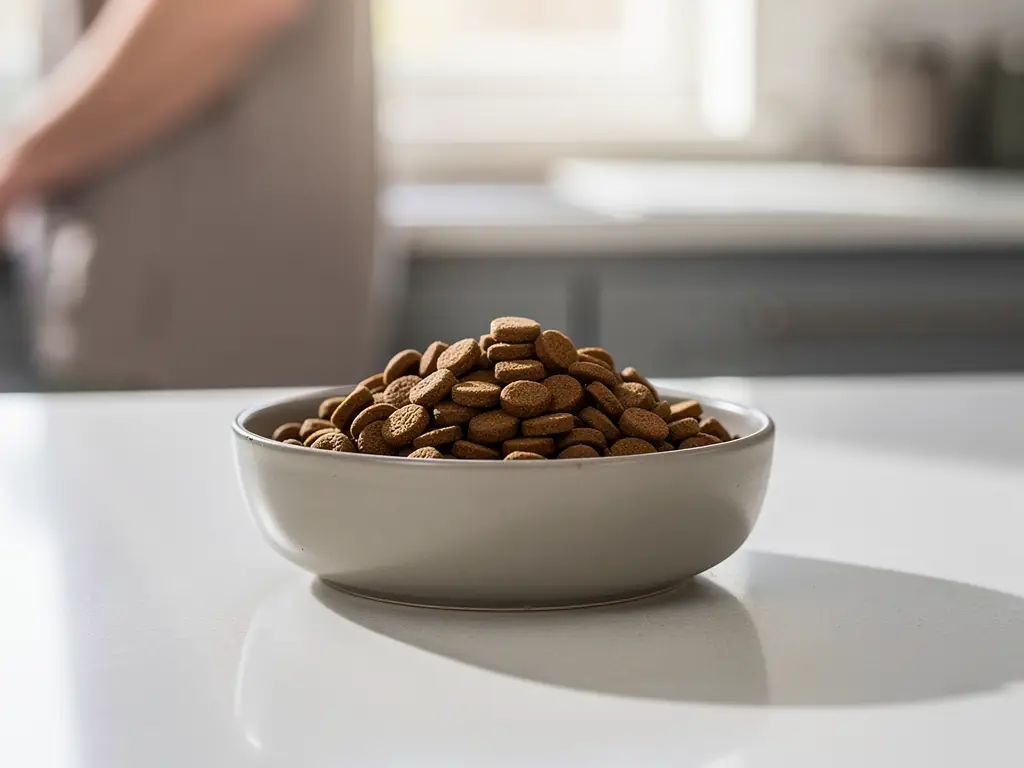
Best Indoor Adult Cat Food
Indoor formulas are often designed for lower activity levels and everyday home life. They can be a good fit for owners looking for controlled calories, practical daily feeding, and a formula aimed at typical indoor cat needs.
IAMS Proactive Health Indoor (Chicken & Turkey) — Check Price on Amazon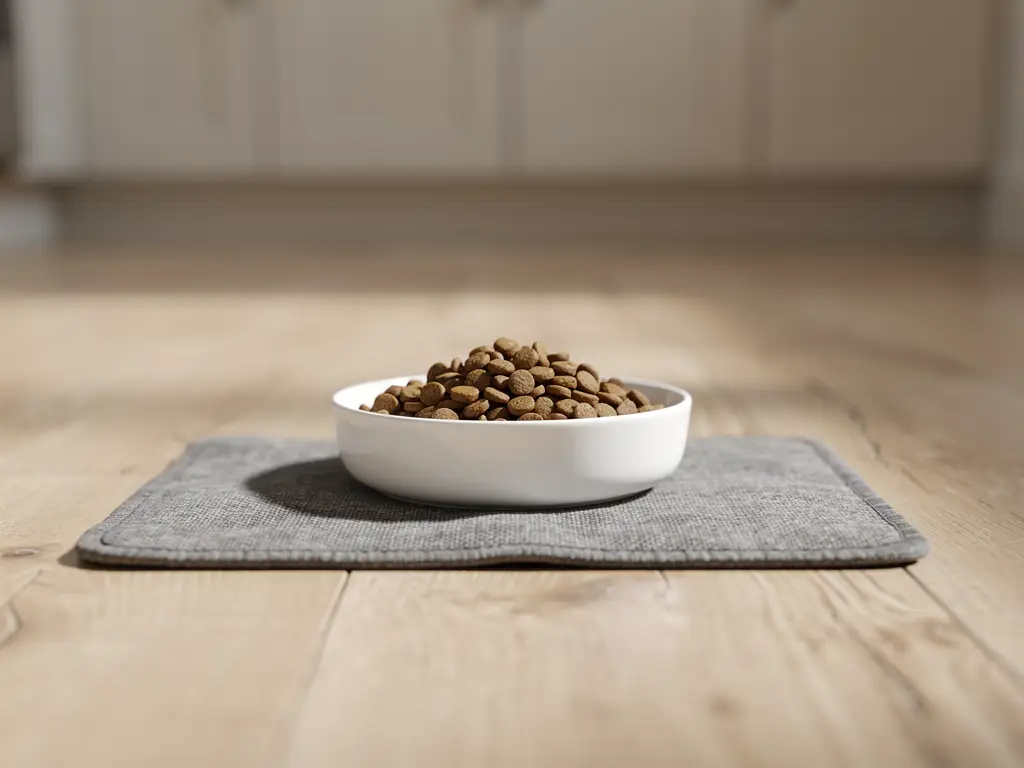
Best Budget Adult Cat Food
A good budget adult cat food should still offer dependable daily nutrition without pushing the price too high. This category makes sense for owners who want a reliable long-term formula that is easier to keep buying consistently.
Purina Cat Chow Naturals Original (13 lb) — Check Price on Amazon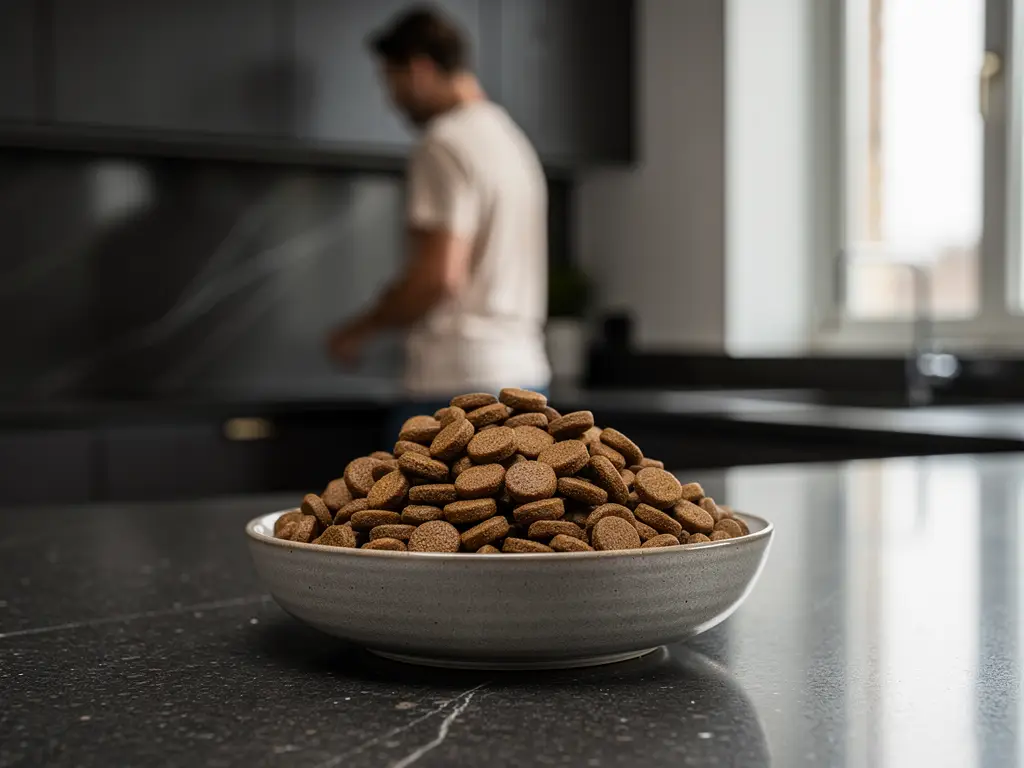
Best Premium Adult Cat Food
Premium adult formulas are usually chosen by owners who want a more specialized ingredient profile or a higher-end option for daily feeding. This is the category for shoppers comparing premium adult foods without switching to a special-needs formula.
ORIJEN Grain-Free WHOLEPREY Original — Check Price on Amazon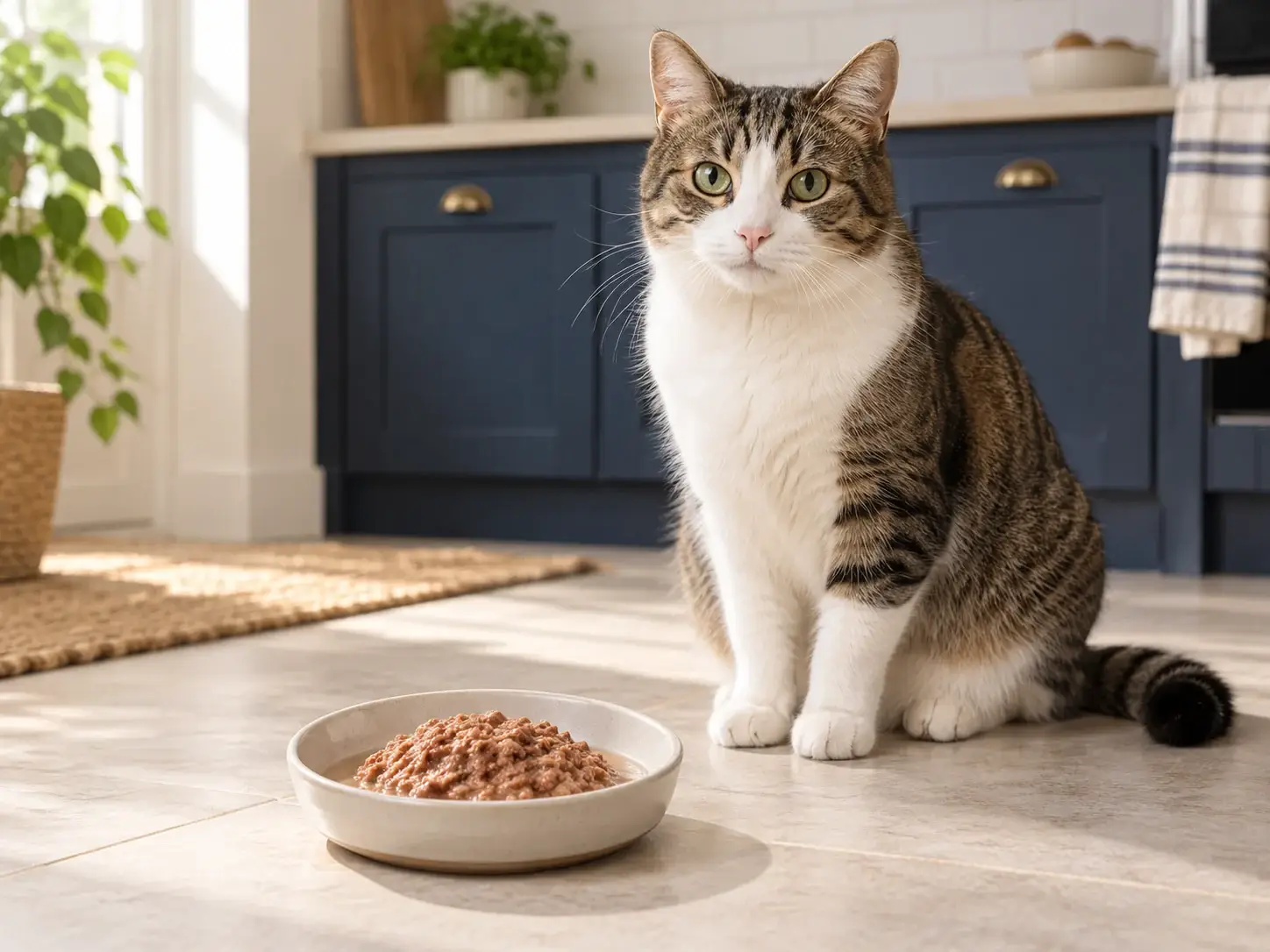
Adult Wet Food Comparison
Purina describes the Grilled Seafood 24-pack as adult cat nutrition. Check the exact formula’s nutritional-adequacy statement and feeding instructions before choosing it. For kittens, choose a diet labeled for growth or all life stages.
Generic wet-food illustration; this does not depict the linked Fancy Feast formula.
Purina Fancy Feast Grilled Seafood (24-Pack) — Check Price on AmazonSenior Cat Food
Senior cats often need food choices that consider changing activity levels, appetite, chewing comfort, digestion, and body condition. Some older cats still do well with kibble, while others prefer softer, moisture-rich meals.
The best senior category to compare depends on your cat's current eating habits, dental comfort, weight trend, and whether your veterinarian has recommended a specific feeding approach.
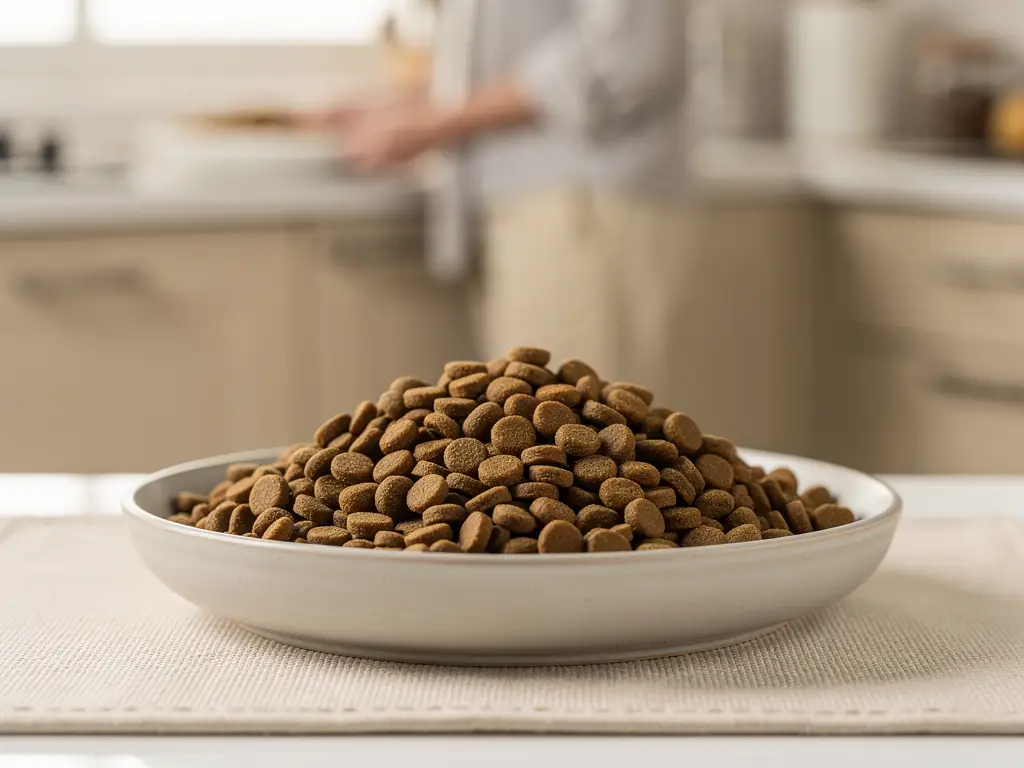
Best Senior Dry Cat Food
A senior dry formula can work well for older cats that still prefer kibble but may benefit from nutrition aimed at aging bodies. This type of food is usually chosen for easier everyday feeding, practical portioning, and long-term senior maintenance.
IAMS Proactive Health Healthy Senior (16 lb) — Check Price on Amazon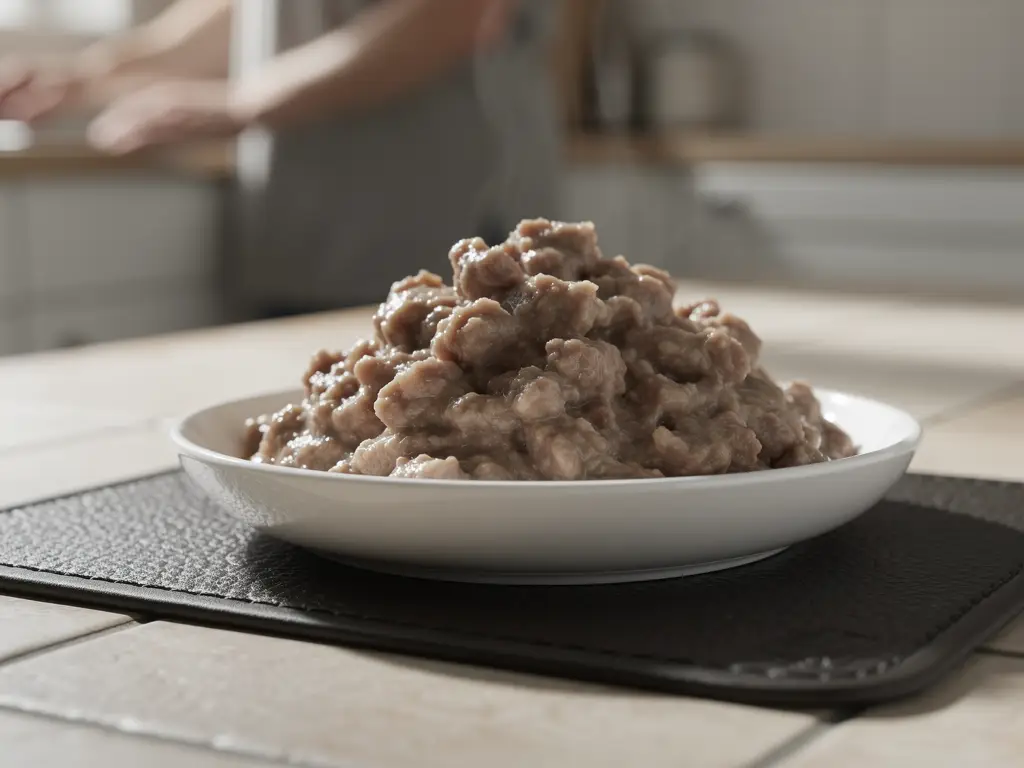
Best Wet Senior Cat Food
Wet senior food is a better fit for older cats that prefer softer textures or need something easier to eat. It can also be useful for cats that do better with moisture-rich meals as appetite and chewing comfort change over time.
Purina Fancy Feast Senior 7+ Variety Pack — Check Price on AmazonSensitive Stomach Cat Food
Sensitive stomach cat food can be worth comparing when a cat seems to struggle with regular food. Common owner concerns include loose stool, occasional stomach upset, picky eating, or trouble staying consistent on one formula.
This section should not replace veterinary care. If your cat has repeated vomiting, diarrhea, weight loss, poor appetite, blood in stool, or sudden behavior changes, talk with a veterinarian before relying on a food switch alone.
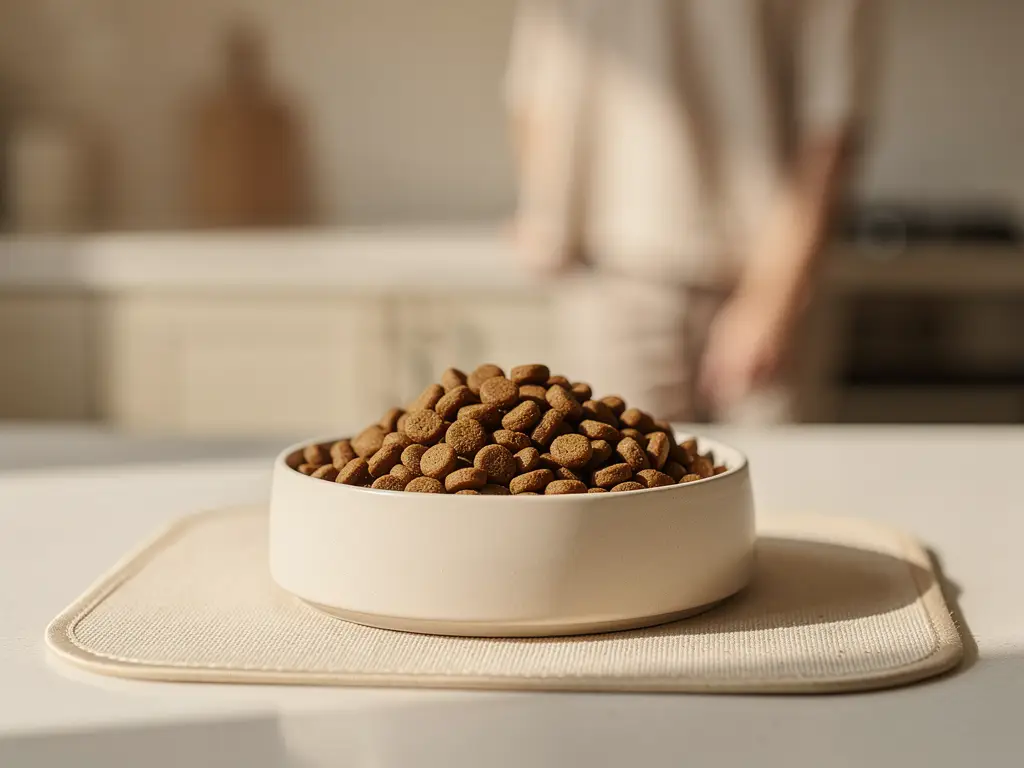
Best Dry Food for Sensitive Stomachs
A dry food for sensitive stomachs is usually built around easier digestion and more consistent daily feeding. This kind of formula can make sense for cats that do not seem to do well on standard adult food and need something gentler.
Blue Buffalo Tastefuls Sensitive Stomach (Chicken) — Check Price on Amazon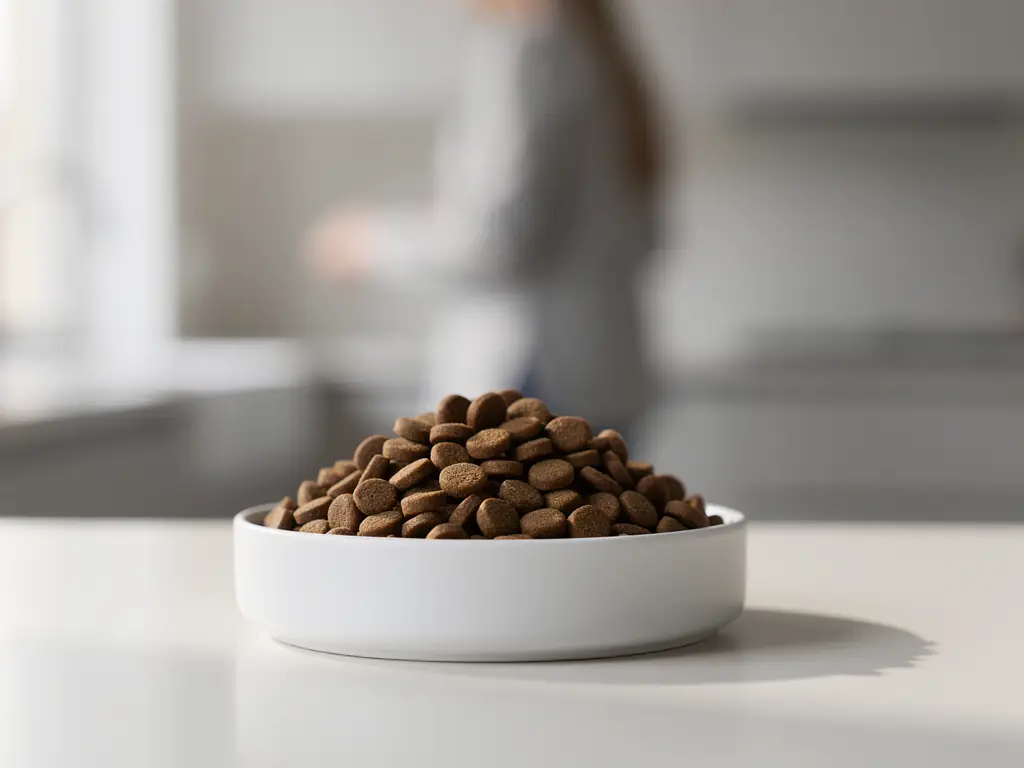
Best Limited Ingredient Cat Food
Limited ingredient formulas are often chosen by owners who want a simpler ingredient list with fewer variables. This can be a useful direction when trying to narrow down what your cat tolerates best without overcomplicating the category.
Blue Buffalo Basics Skin & Stomach Care (Duck) — Check Price on AmazonSkin & Coat Cat Food
Skin and coat cat food is usually compared by owners who notice dry skin, heavy shedding, dull fur, or a coat that does not look as healthy as usual. Nutrition can play a role in coat condition, but grooming, allergies, parasites, and medical issues can also affect the way a cat's skin and fur look.
Use this category for everyday coat-support comparisons, but do not ignore ongoing itching, hair loss, sores, scabs, or skin irritation. Those signs should be checked by a veterinarian.
Best Dry Cat Food for Skin & Coat
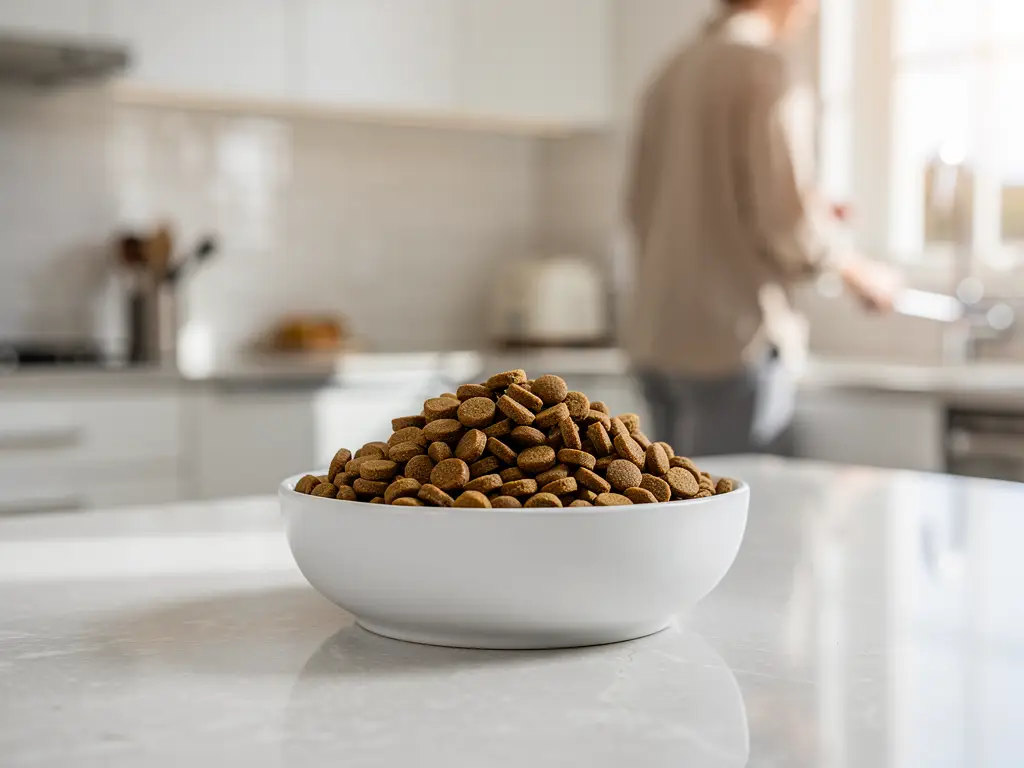
Skin and coat formulas are generally chosen for everyday nutritional support tied to healthier-looking fur and skin condition. This category is a practical fit for owners comparing dry foods with coat maintenance in mind.
Purina ONE +Plus Sensitive Skin & Stomach — Check Price on Amazon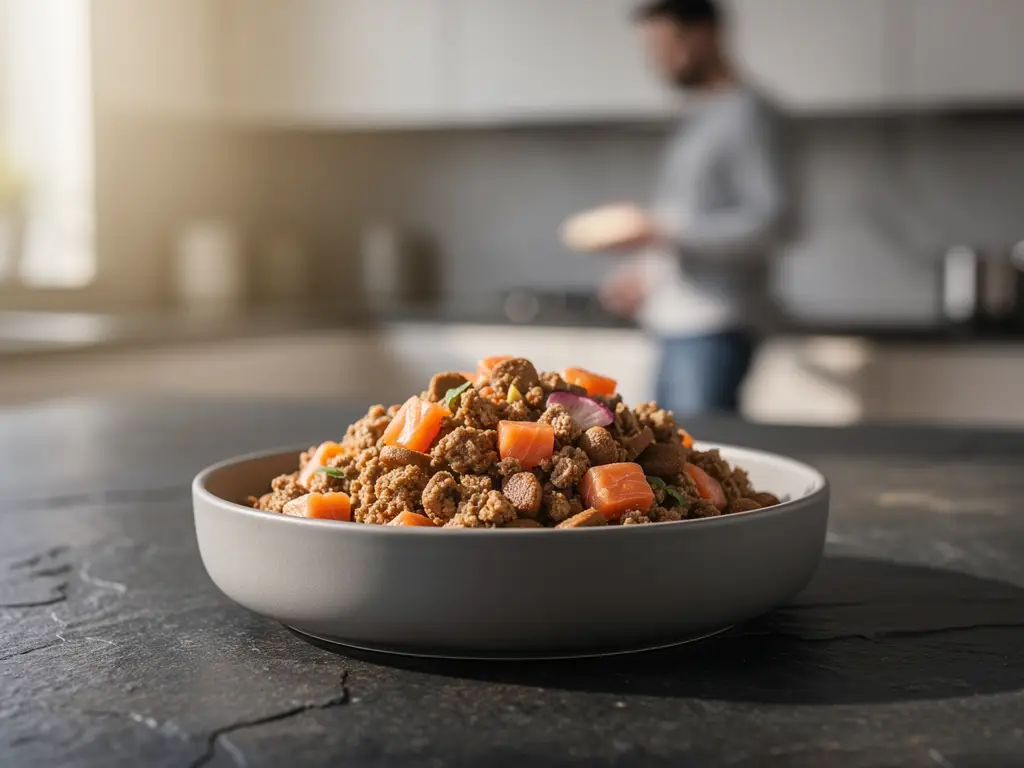
Best Omega-Rich Cat Food
Omega-rich formulas are often compared by owners looking for stronger nutritional support for coat quality and skin comfort. This is a useful category when the goal is to move beyond basic daily feeding and focus more on coat-related benefits.
Blue Buffalo True Solutions Skin & Coat Care Salmon (3.5 lb) — Check Price on AmazonWeight Control Cat Food
Weight control food can be useful for cats that need help maintaining a healthier body condition, especially indoor cats or less active cats. The key is to compare calories, feeding directions, portion sizes, and whether the formula helps your cat feel satisfied between meals.
Weight gain should be taken seriously, but a cat's weight plan should be safe and gradual. If your cat is noticeably overweight, losing weight too quickly, or gaining weight suddenly, it is best to involve a veterinarian.
Best Indoor Weight Control Cat Food
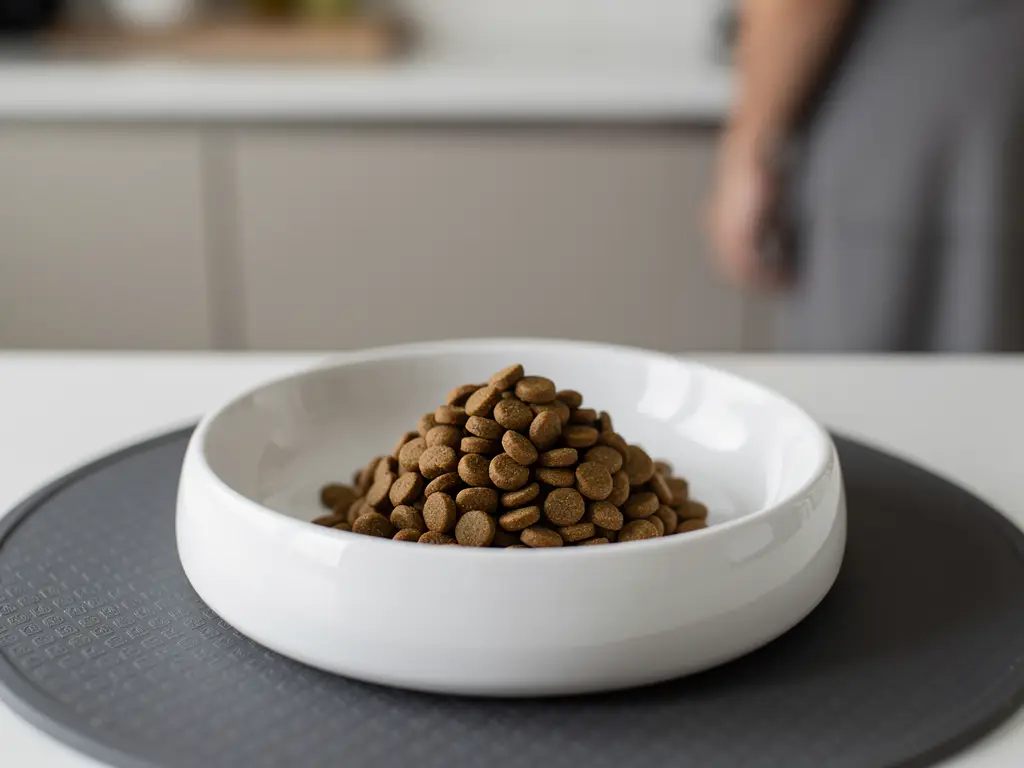
Indoor weight-control formulas are usually aimed at cats that need lighter calorie intake without giving up an easy daily feeding routine. This can be a smart category for less active indoor cats that tend to gain weight quickly.
Purina ONE Indoor Advantage Weight Control (16 lb) — Check Price on AmazonBest Healthy Weight Cat Food
Healthy-weight formulas are made for owners trying to manage portions and support better body condition over time. This category works well for shoppers who want something lighter than standard adult food without moving into a more specialized formula.
Hill's Science Diet Adult Perfect Weight — Check Price on AmazonHelpful Cat Food Tips
What Matters Most When Comparing Cat Food
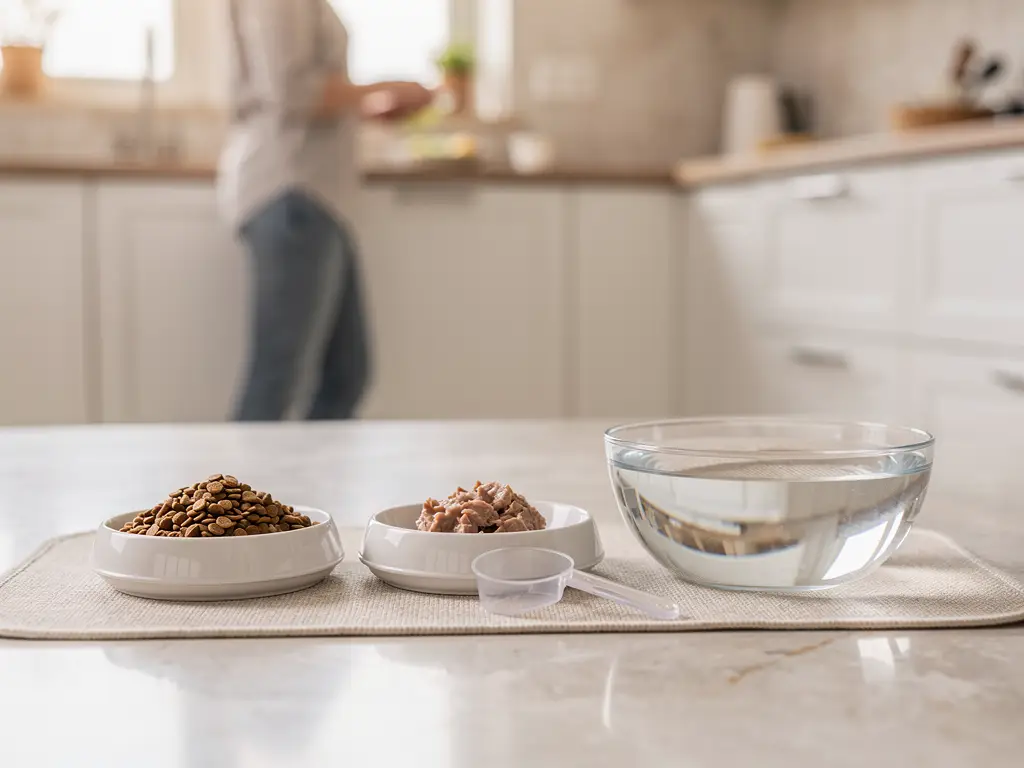
- Choose the correct life stage before comparing price or flavor.
- Check whether the food is meant for kittens, adult maintenance, seniors, or all life stages.
- Compare calories per serving so portions make sense for your cat's body condition.
- Do not switch foods too fast unless your veterinarian gives different instructions.
- A more expensive formula is not automatically the right formula for your cat.
- Pick something that fits your cat and your budget long term, not just for one bag or one case.
More Cat Guides
Looking beyond food? These related cat guides can help with indoor enrichment, scratching, travel, and everyday setup choices.
Browse All Cat Guides
Start here if you want to compare cat toys, food, trees, scratching posts, carriers, and window perches from one place.
Cat Gear by Life StageBest Cat Trees for Indoor Cats
Compare cat trees for climbing, lounging, scratching, and giving indoor cats a better place to relax.
Read Cat Tree GuideBest Cat Scratching Posts
Compare scratching posts and pads that give cats a better outlet and help protect furniture around the home.
Read Scratching GuideBest Cat Carriers for Vet Trips
Find practical carrier options for short travel, easier loading, and less stressful vet visits.
Read Cat Carrier GuideBest Cat Window Perches
Compare window perches that give indoor cats a sunny place to nap, lounge, and watch outside.
Read Window Perch GuideGuide for Cat Toys
Compare toy options that help indoor cats stay active, curious, and more mentally engaged during the day.
Read Cat Toy GuideReady to Compare Cat Food Options?
Start with the category that actually matches your cat, then compare formula type, calories, texture, and feeding routine. Choosing by need first makes the shopping process cleaner and helps you avoid random picks that do not fit your cat.
Purina Pro Plan High Protein with Probiotics (Chicken) — Check Price on AmazonNote: Always transition food gradually over several days unless your veterinarian gives different instructions. If a cat has repeated vomiting, diarrhea, weight loss, poor appetite, urinary issues, sudden weight changes, or other ongoing symptoms, a veterinarian should be involved.