
Dog Toy Guide: Compare Play Style, Chewing Strength and Safety
Dog toys are more than entertainment. The right toy can help with chewing, boredom, training, exercise, and mental stimulation. This guide breaks down the main types of dog toys so you can match the toy to your dog's size, chewing strength, and play style.
If your dog destroys toys quickly, you may want to read my guide to best dog toys for aggressive chewers.

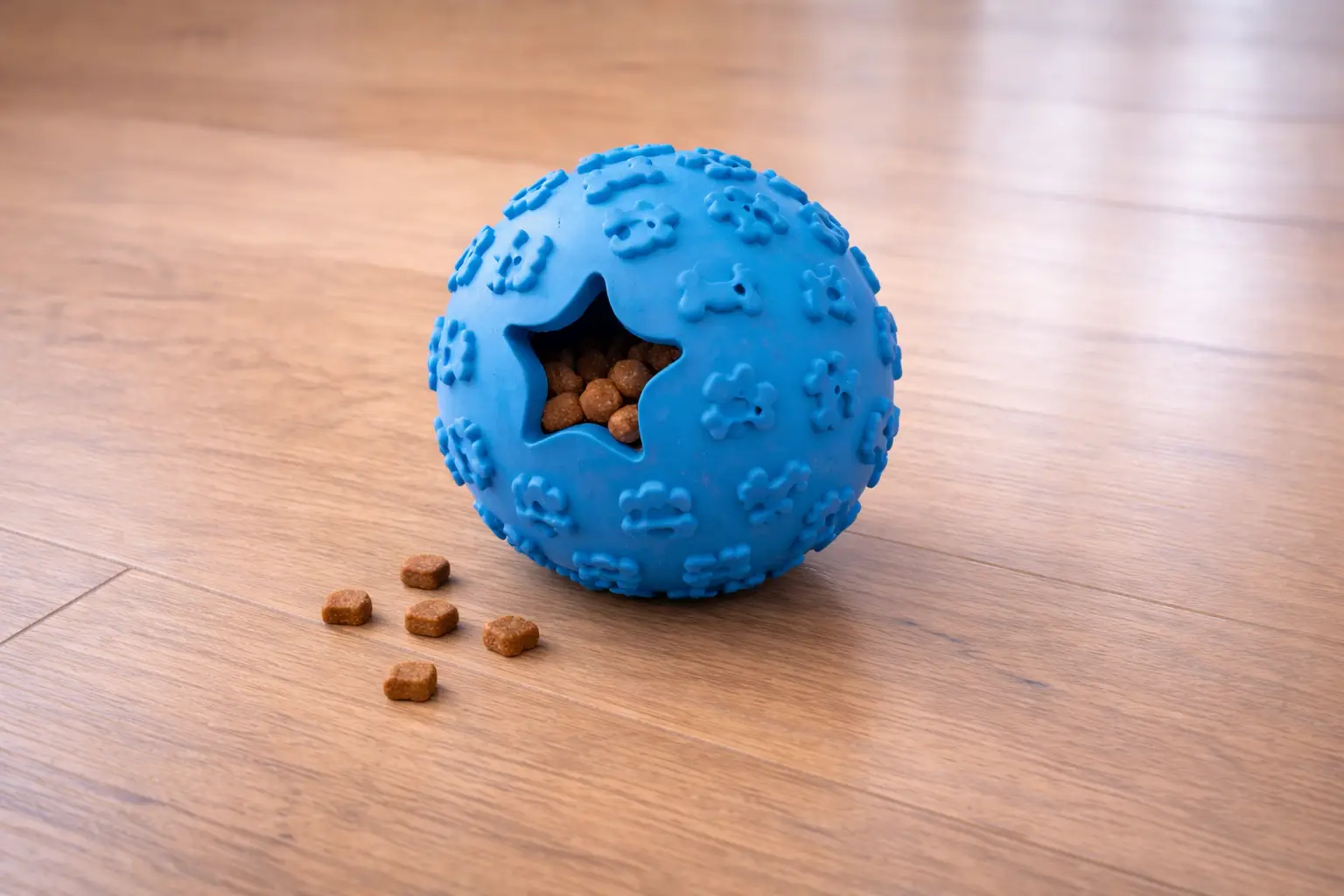
Start with the play type, then compare the selected model’s size, material and instructions. The toy images illustrate categories; they are not product photos of the linked models.
Quick Options by Play Type
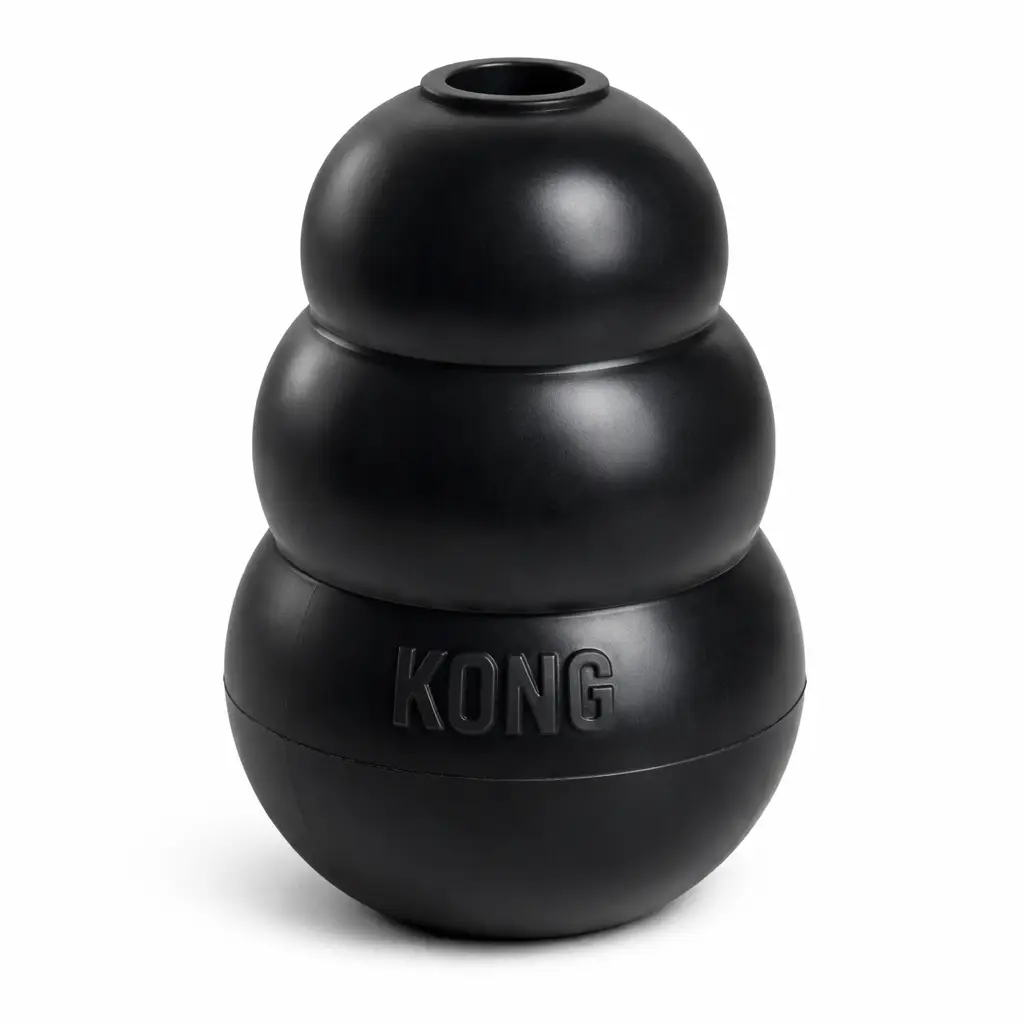
Toy-type illustration, not a photo of the linked model.
KONG Extreme
Large natural-rubber model; check chewing limits
KONG Extreme Rubber Chew Toy (Large) — Check Price on Amazon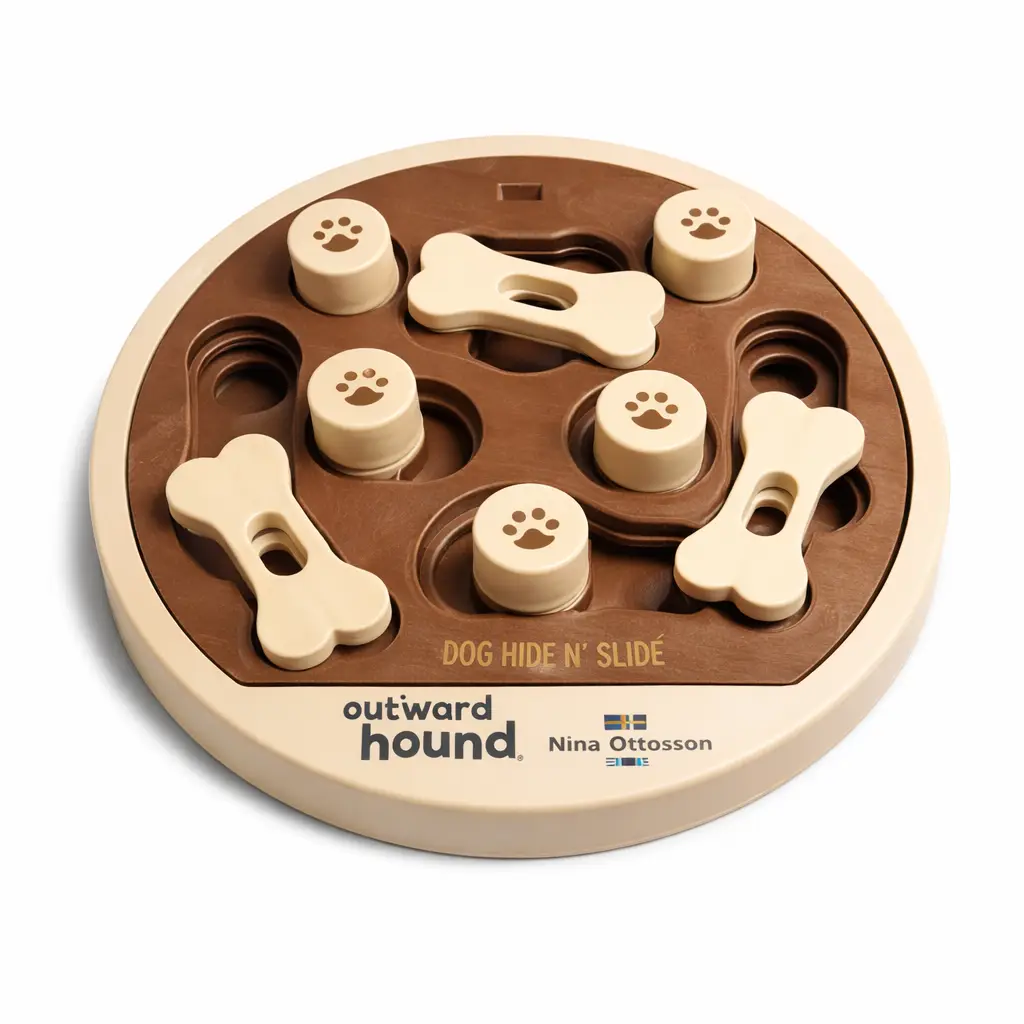
Toy-type illustration, not a photo of the linked model.
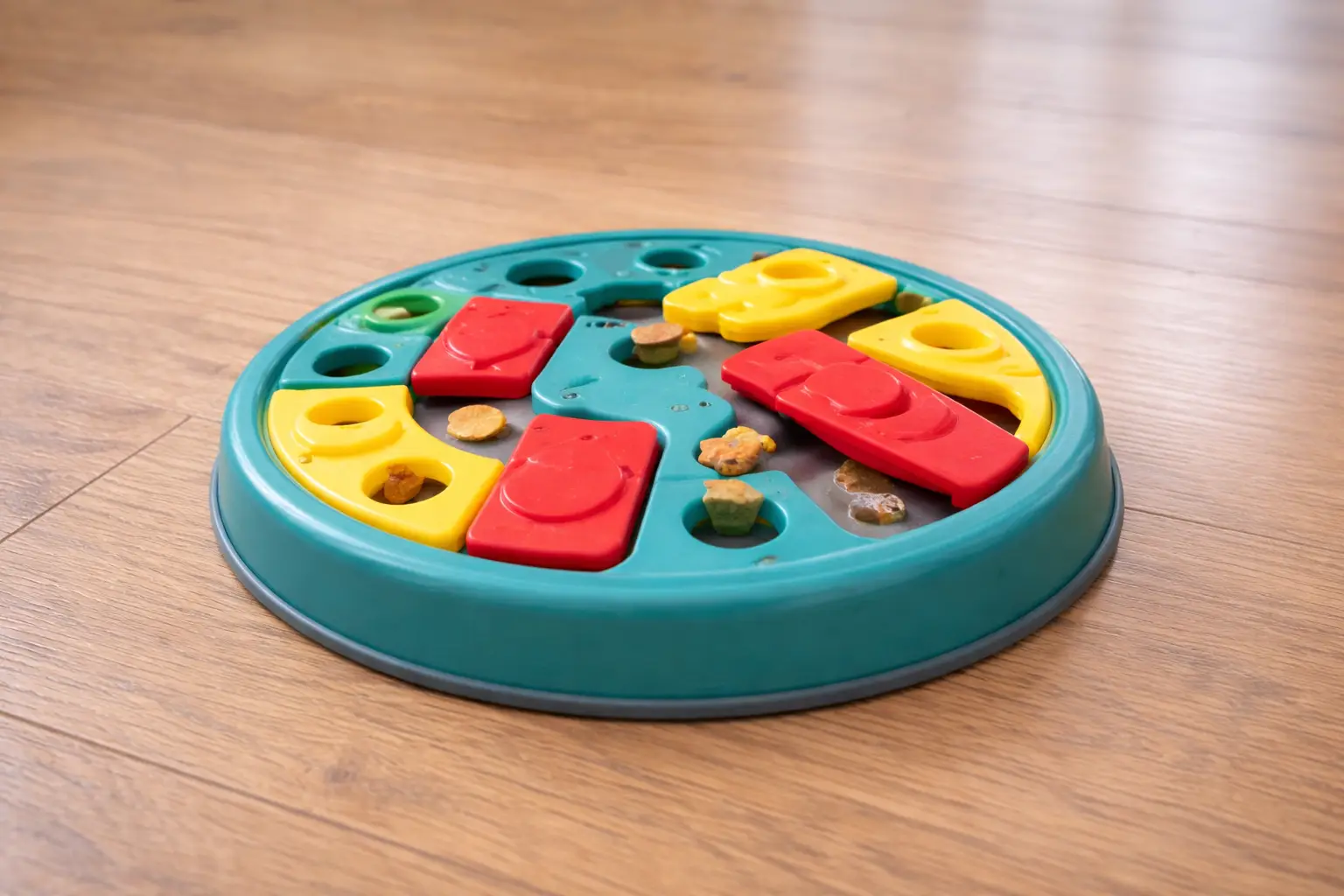
Hide-N-Slide Puzzle
Compare difficulty, food access and supervision
Outward Hound Nina Ottosson Hide N' Slide Puzzle Toy — Check Price on Amazon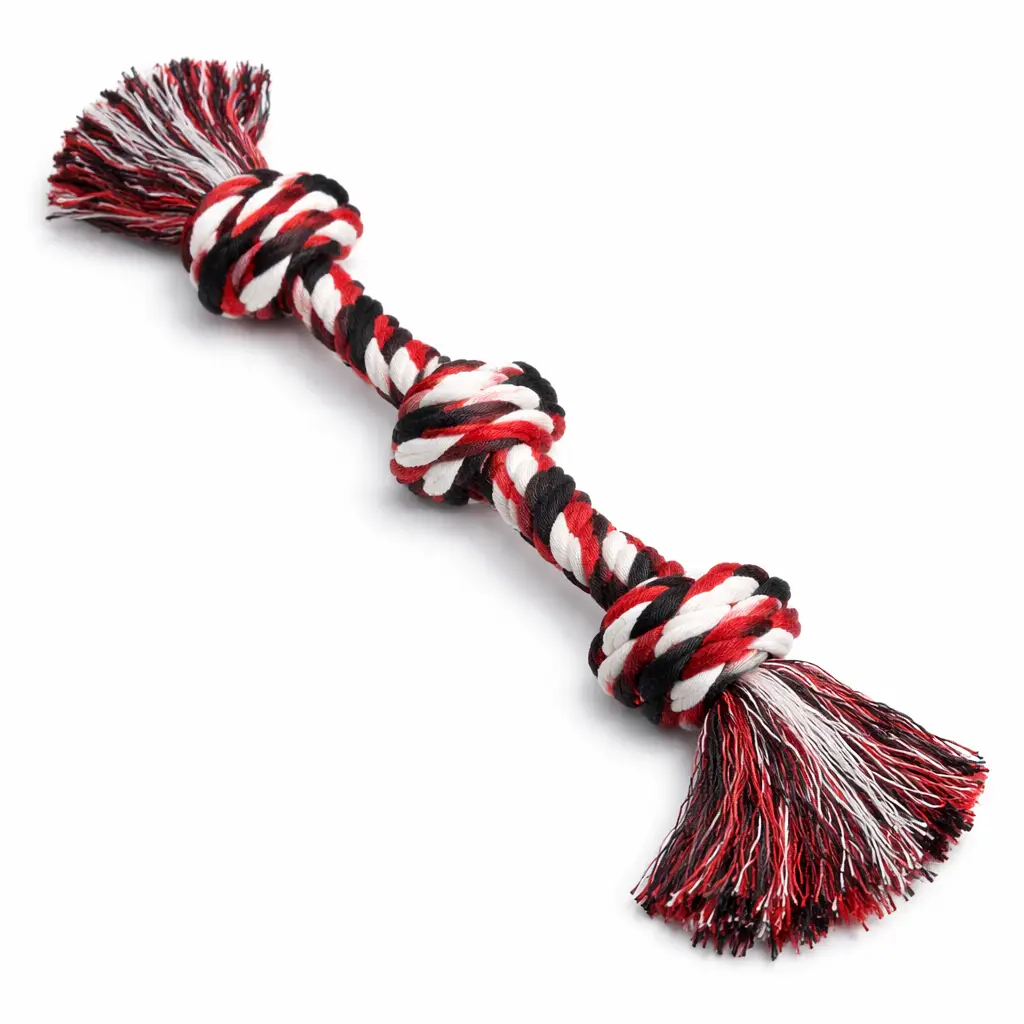
Toy-type illustration, not a photo of the linked model.
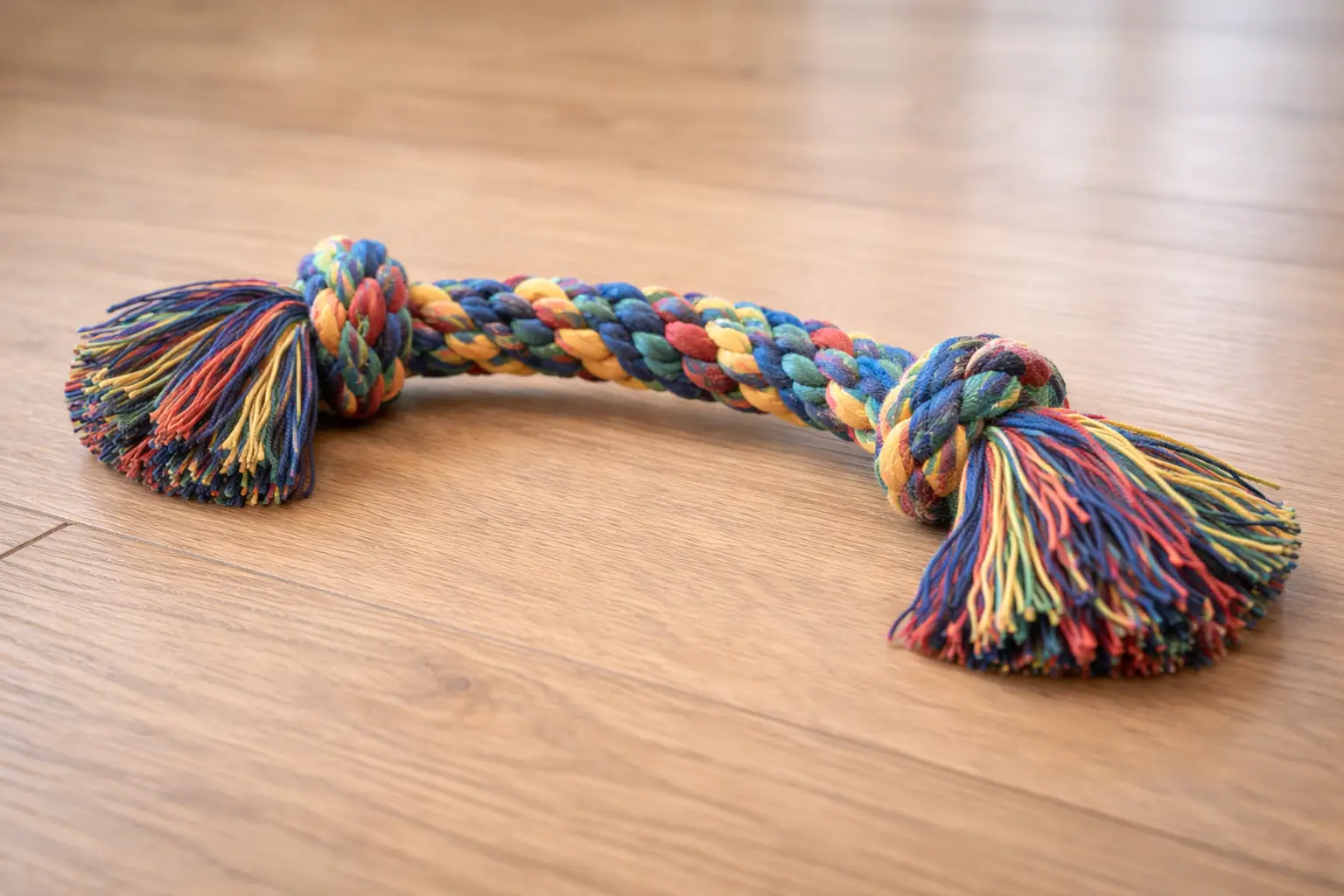
Mammoth Rope Tug
Compare rope size and remove loose strands
Mammoth Flossy Chews Rope Tug Toy — Check Price on Amazon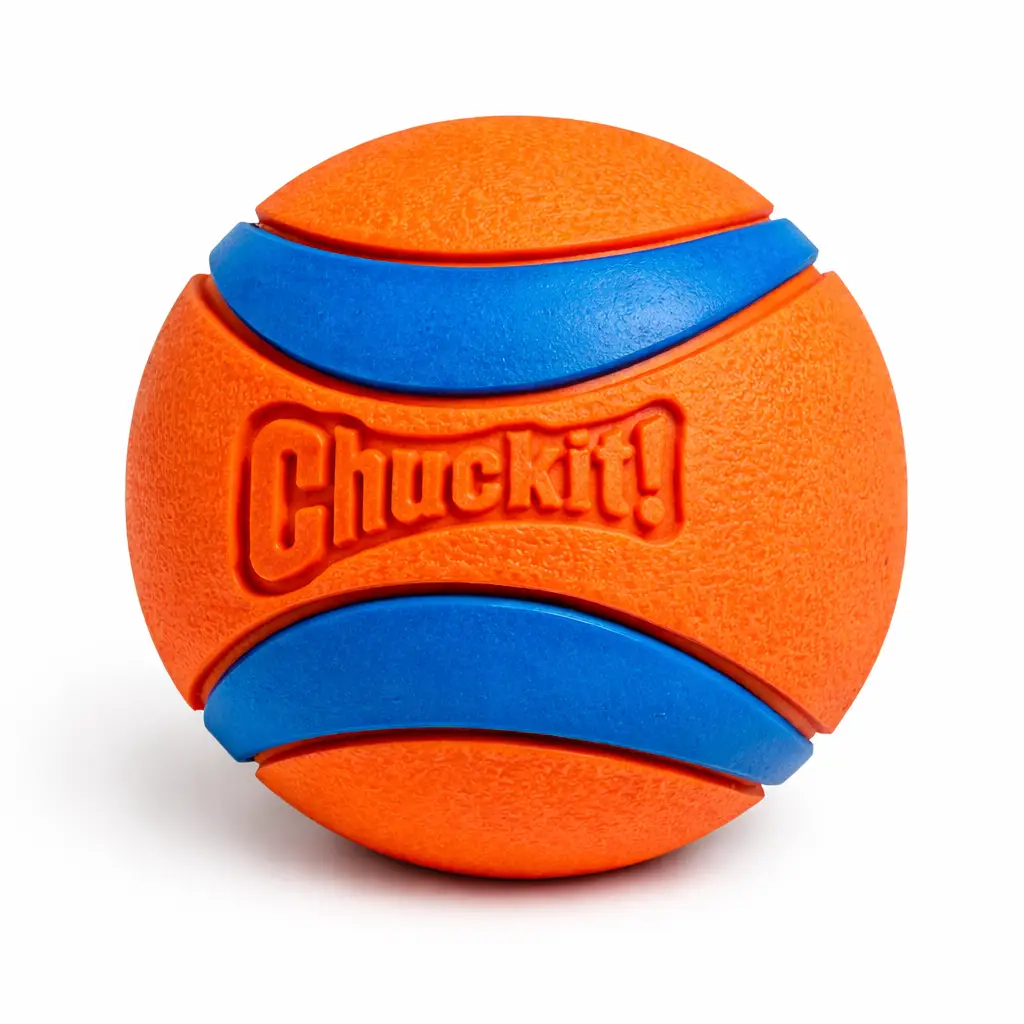
Toy-type illustration, not a photo of the linked model.
Chuckit Ultra Ball
Linked XL model: 3.5-inch ball for fetch
Chuckit! Ultra Ball (XL, Durable Rubber) — Check Price on AmazonFast tip: Match the toy to the activity. Chewers need a size and material suited to their teeth and chewing behavior; hard nylon is not automatically appropriate. Tuggers need room for your hands, puzzle dogs need accessible food and a manageable challenge, and fetch players need a ball that cannot fit entirely in their mouth.
How to Choose the Right Dog Toy
Start with your dog’s size, teeth, chewing behavior and play preference. Compare a toy’s instructions with the activity you intend, and supervise its introduction. A strong-chewer label does not establish that a hard material suits your dog.
How to Compare Dog Toys
Not all dog toys are made for the same type of dog. A toy that works well for a gentle puppy may not be the right choice for a strong adult chewer, and a toy made for tug may not give a puzzle-loving dog enough mental stimulation.
I organize dog toys by material type, play purpose, safety considerations, owner usability, and how each toy fits common play styles such as chewing, tugging, chasing, foraging, or calm enrichment.
The goal is to help dog owners compare toy categories more clearly, choose safer sizes, and avoid buying toys that do not match their dog's chewing strength or energy level.
Size
Choose toys large enough that your dog cannot swallow them. Toys that are too small can become choking hazards.
Chewing Strength
For strong chewers, compare size, material flexibility, and the manufacturer's limits. Hard chews can damage teeth; ask your vet what suits your dog's teeth.
Play Style
Some dogs love chasing balls or flying discs, while others prefer tug toys or puzzle toys that provide mental stimulation.
Browse by Toy Type
Tap a button to jump to that toy type. Each section includes quick picks and what to look for.
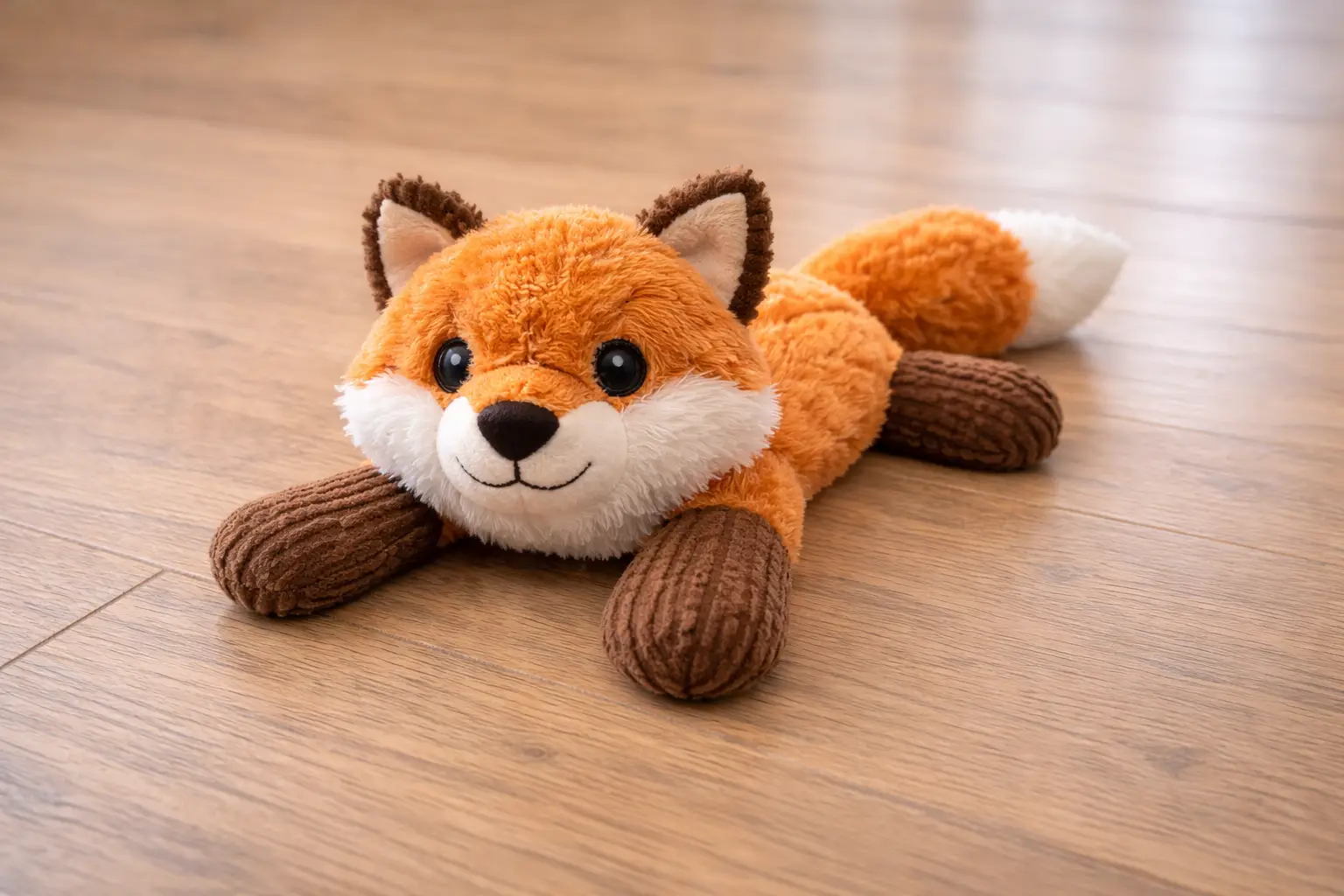
Tug Toys
Tug toys are useful for bonding, training, and controlled play when they are the right size for the dog. Choose a tug toy long enough to keep hands away from the dog's mouth, and use supervised sessions so the toy stays fun without becoming unsafe.
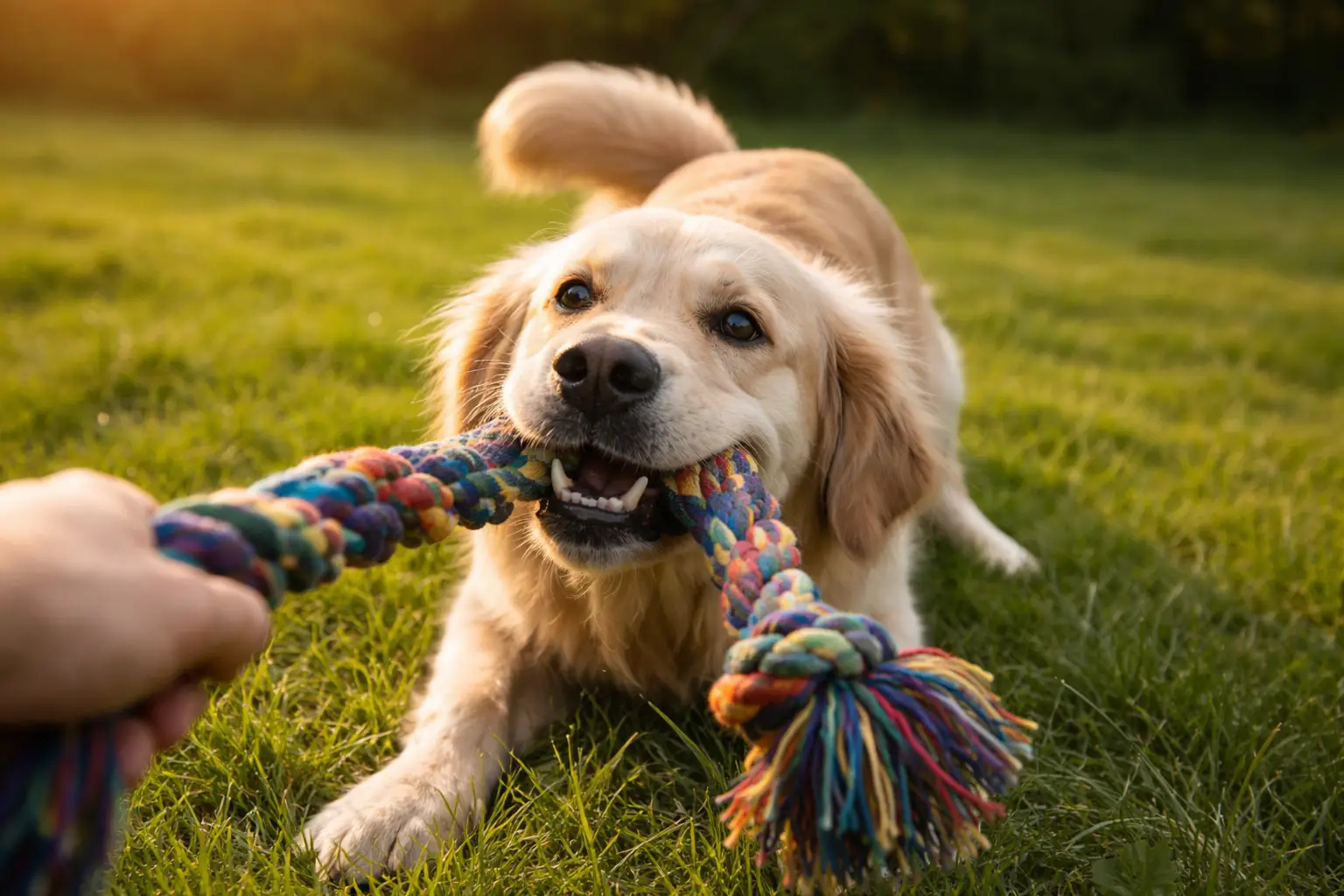
Braided Rope Tug
- Linked listing: Medium, 20-inch cotton-poly rope tug
- Maker’s listed range: dogs 30–50 lb; check the selected size
- Supervise tug and remove a frayed or damaged rope
Rubber Chew Ring
- KONG describes its Ring as a rubber chew toy
- Check the selected model’s intended activity rather than assuming it is a tug toy
- Follow sizing and cleaning directions; supervise use
Bungee Handle Tug
- Check the selected bungee toy’s setup and anchoring instructions
- Keep hands clear and supervise play
- Stop if the toy or attachment is damaged
Puzzle Toys
Puzzle toys give dogs a mental workout by making them solve a simple problem to reach food or treats. Start with an easier puzzle first, then increase difficulty as your dog learns how the toy works. Look for puzzle toys that are sturdy, easy to clean, and sized appropriately for your dog.
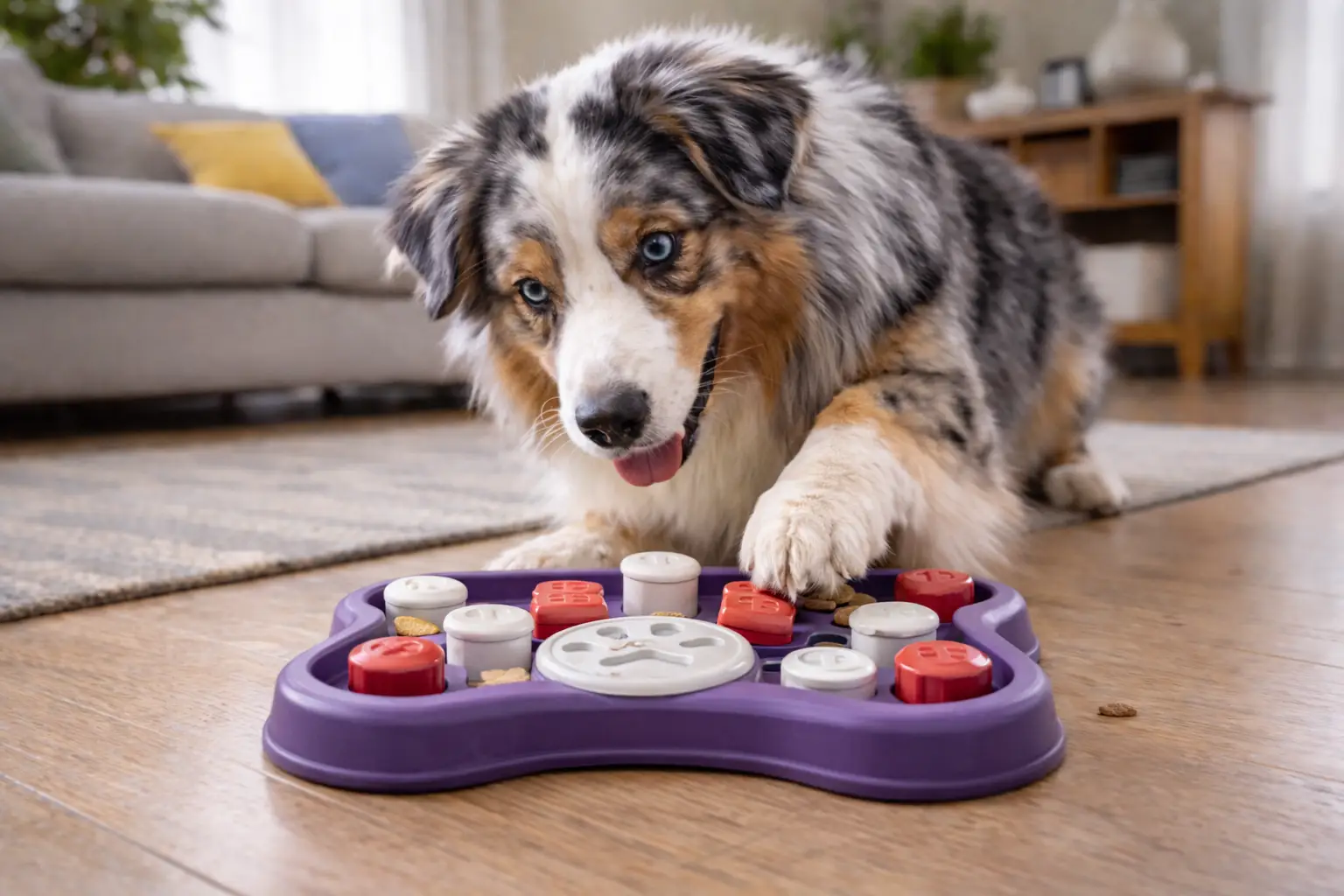
Sliding Panel Puzzle
- Check the selected Hide N’ Slide model’s difficulty
- Follow its food-size and cleaning directions
- Introduce it under supervision and watch food access
Sound-Making Play Ball
- Rolls for movement and focus
- This model makes sounds when moved; confirm its instructions
- Use under supervision as directed
Snuffle Mat
- A food-search option to compare by size and construction
- Follow the selected mat’s filling and cleaning directions
- Remove it if your dog pulls off or swallows material
Chew Toys
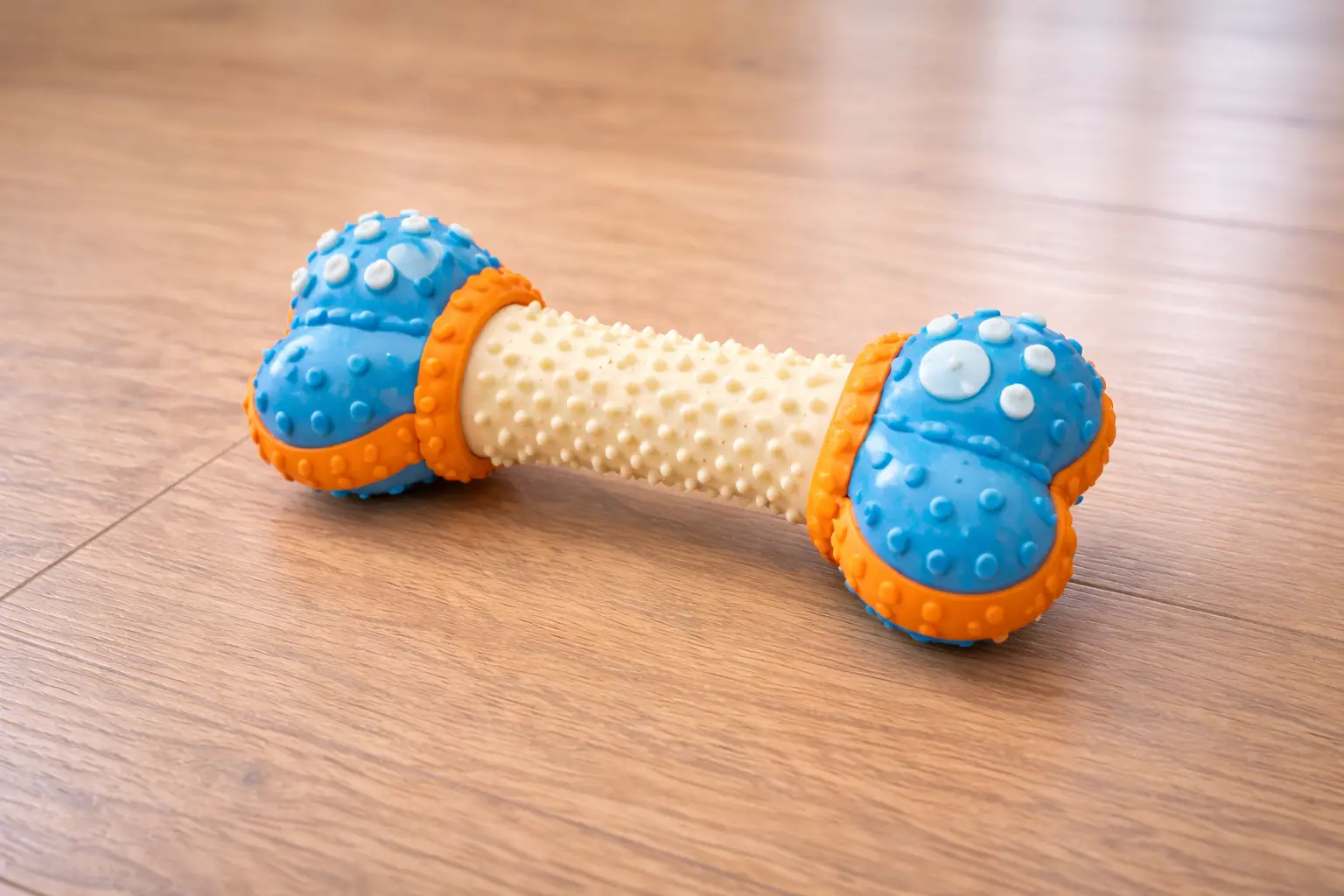
Compare a chew toy’s size, flexibility and hardness with your dog’s teeth and chewing behavior. Hard nylon can cause tooth injuries, and even rubber can be torn apart. Supervise use and remove a toy if pieces break off; ask your veterinarian about suitable materials.
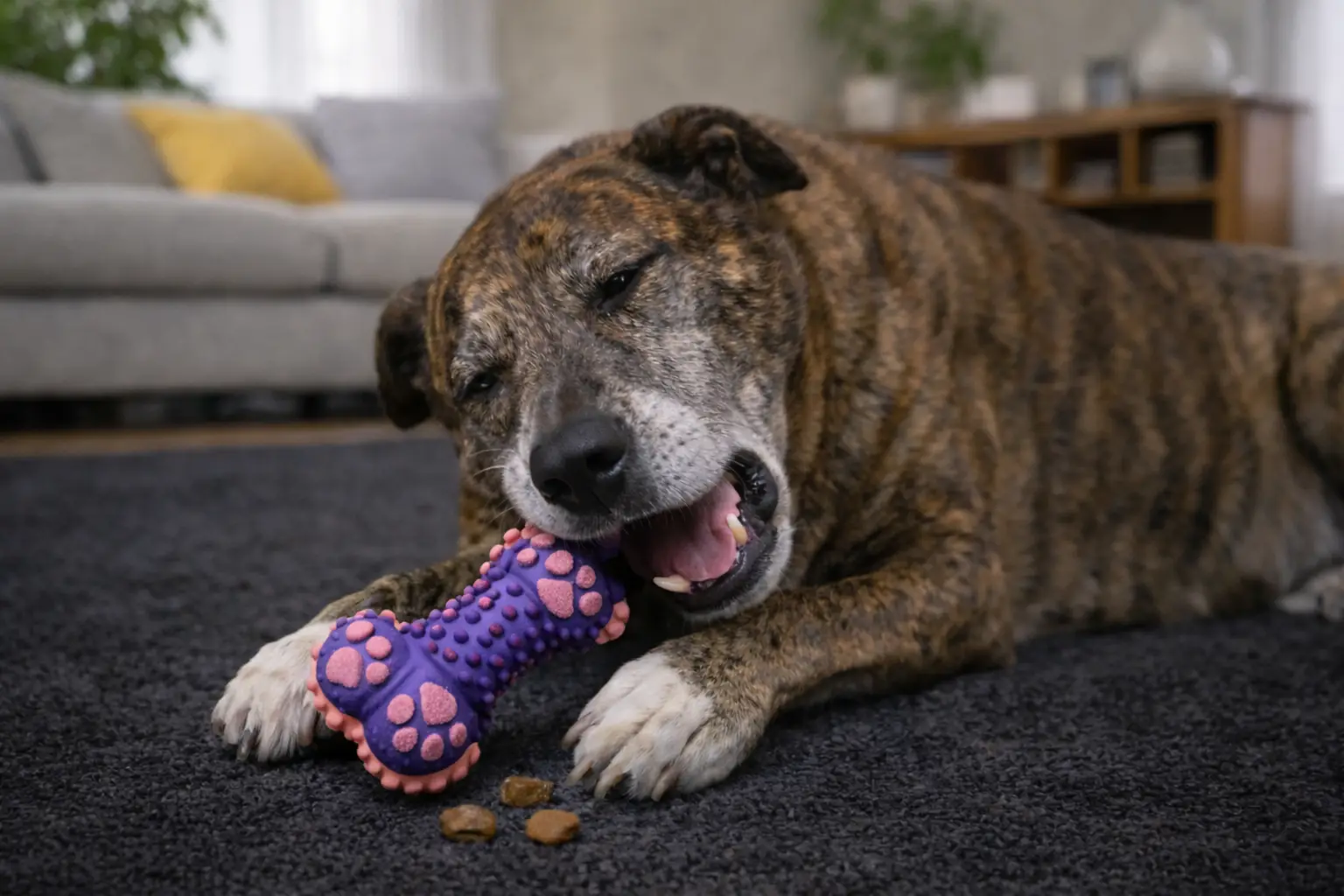
Rubber Bone Chew
- Check the selected SCHITEC bone’s size and material
- Confirm its intended use and cleaning directions
- Remove it if damaged; do not assume it is treat-fillable
Nylon Wishbone
- Linked listing: bacon-flavored Medium Wishbone
- Benebone warns that hard nylon can damage teeth and is not appropriate for very strong or aggressive chewers
- Follow the maker’s sizing, supervision and replacement directions
Textured Chew Ring
- Linked listing: X-Large Power Chew, dogs 50+ lb
- Compare hardness with your dog’s teeth and chewing behavior
- Follow its use limits; this adult Power Chew is not the puppy teether below
Fetch Toys
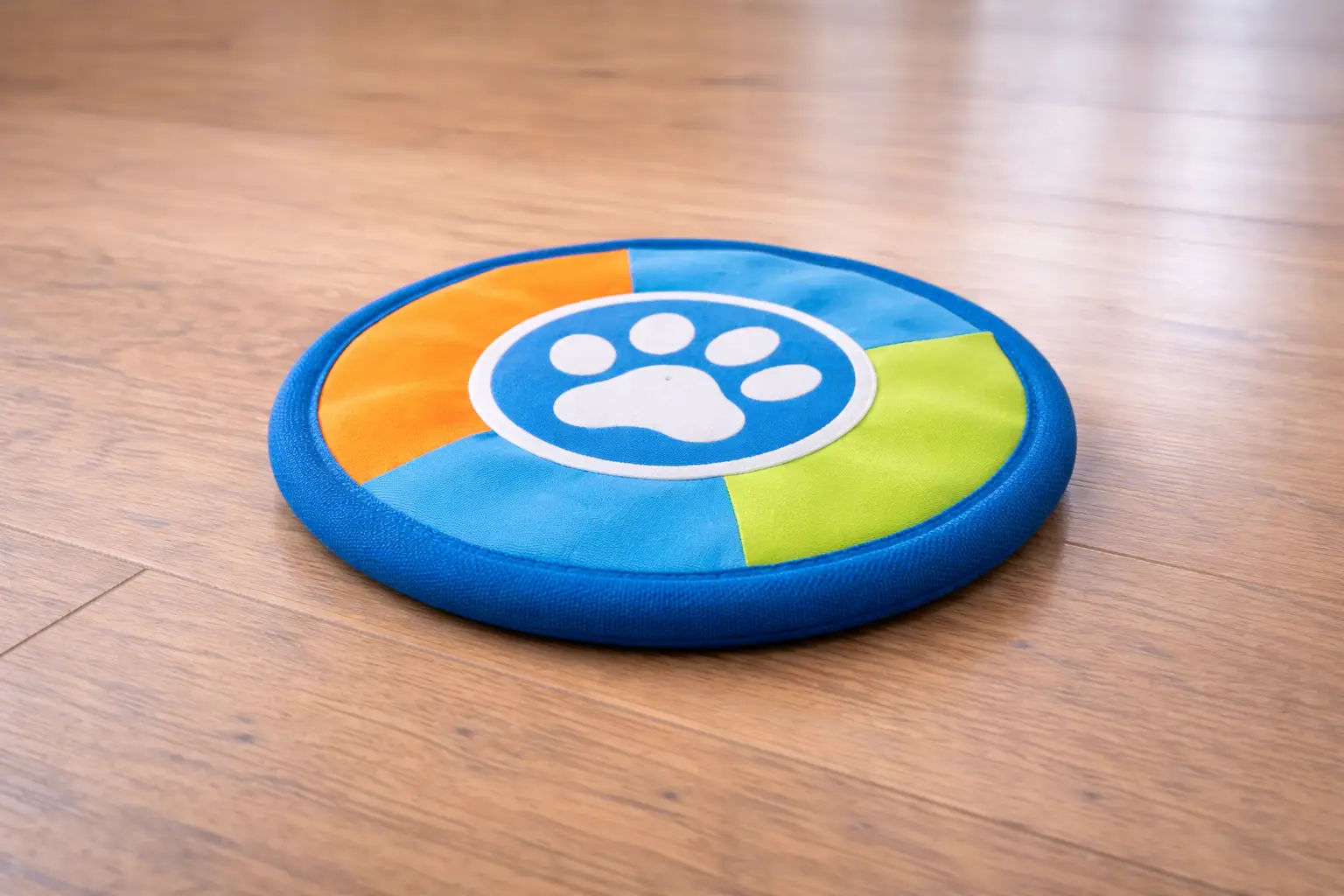
Fetch toys are best when they are easy for your dog to see, easy for your dog to carry, and large enough to reduce swallowing risk. Bright colors can help in grass, parks, or outdoor play areas, while softer materials may be easier on your dog's mouth.
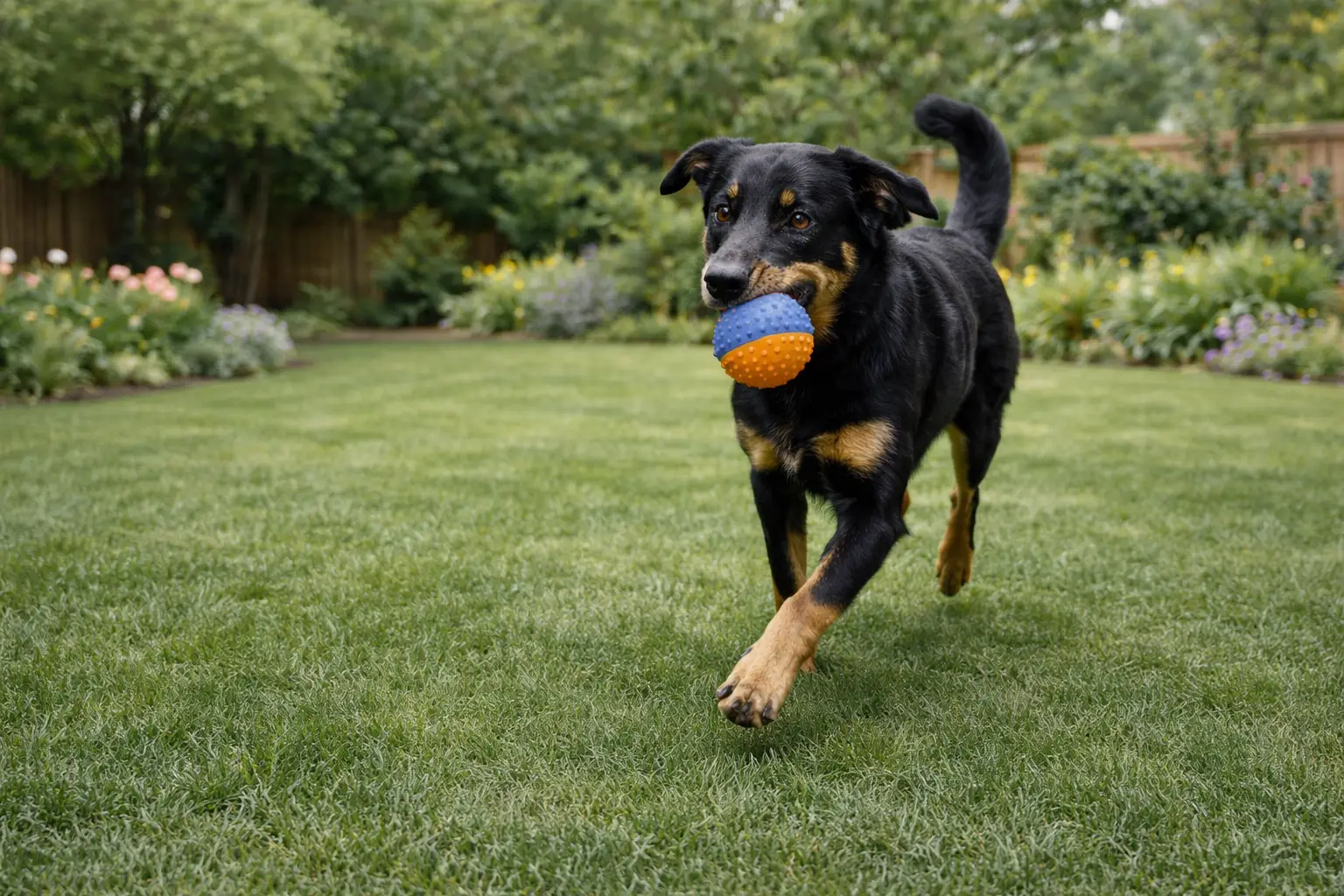
Rubber Fetch Ball
- Linked Medium Ultra Ball: 2.5-inch, two-pack
- Maker lists it for fetch, not aggressive chewing
- Choose a carrying size that cannot fit entirely in your dog’s mouth
Floating Water Toy
- Check the selected water toy’s size and intended use
- Supervise near water and provide an easy exit
- A floating toy does not make currents or deep water suitable for your dog
Soft Flyer Disc
- Linked Large Paraflight: 9.75-inch flyer
- Maker describes soft rubber edges and a nylon interior
- Intended for fetch, not aggressive chewing; supervise play
Plush Toys
Plush toys are best for gentle dogs that like carrying, cuddling, or light indoor play. They are not the best choice for every chewer, so watch how your dog handles plush toys and replace them if seams, stuffing, or squeakers become exposed.
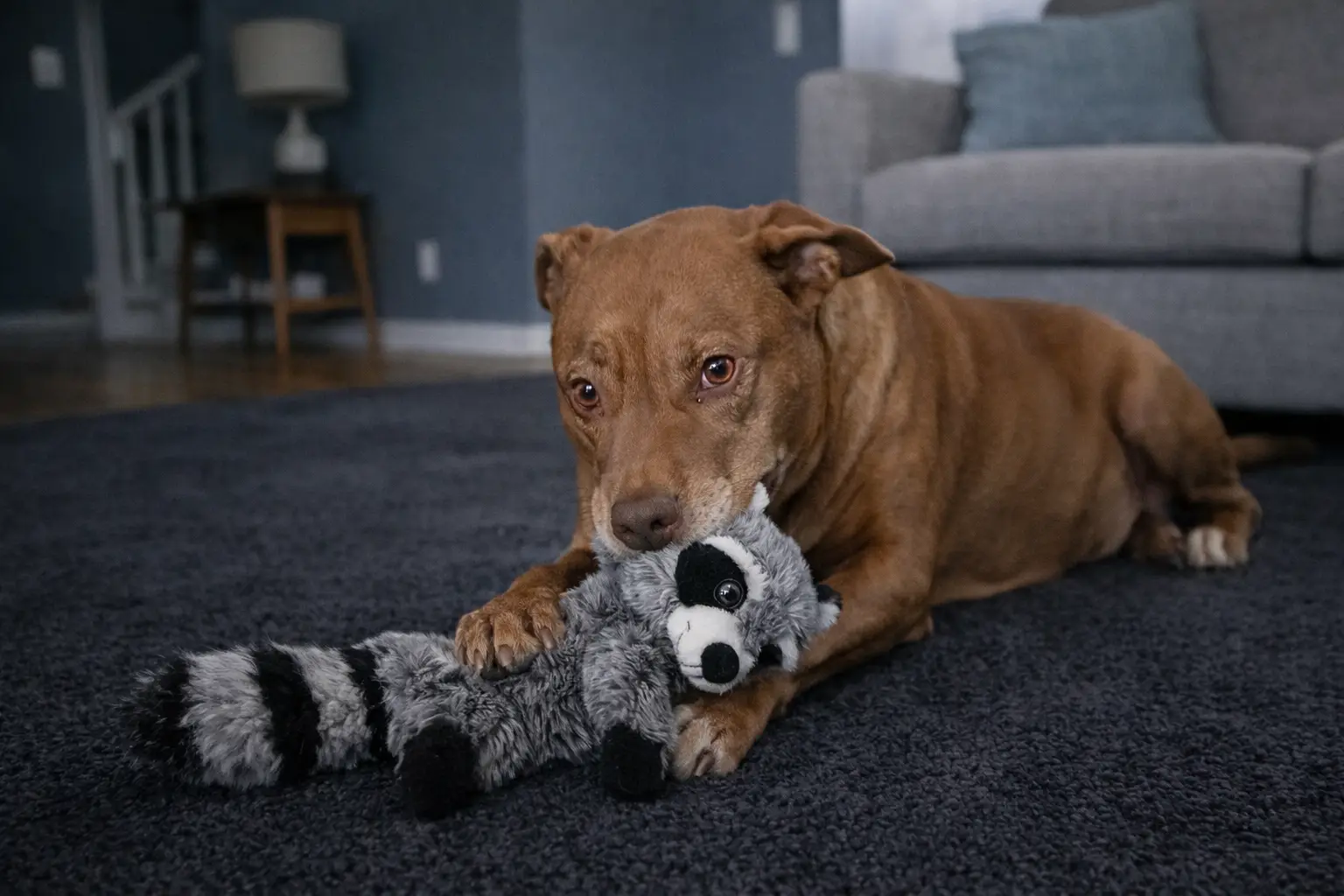
No-Stuffing Crinkle Toy
- Compare the linked five-pack’s actual dimensions
- Check its materials, components and cleaning directions
- Remove a torn toy; do not assume reinforced construction
No-Stuffing Plush
- Compare the linked six-pack’s dimensions and components
- No stuffing does not remove the risk of swallowed fabric or parts
- Supervise and remove damaged toys
Comfort Plush Buddy
- Snuggle Puppy is a heartbeat companion, not a chew toy
- Follow the component and heat-pack directions for the selected version
- Monitor introduction and remove it if your dog chews it
Treat & Interactive Toys
For food-fillable toys, follow the selected model’s food-size, filling and cleaning directions, and account for treats in the daily diet. Introduce toys under supervision and watch your dog’s access to food. Interactive balls may have different operating instructions and are not necessarily food dispensers.
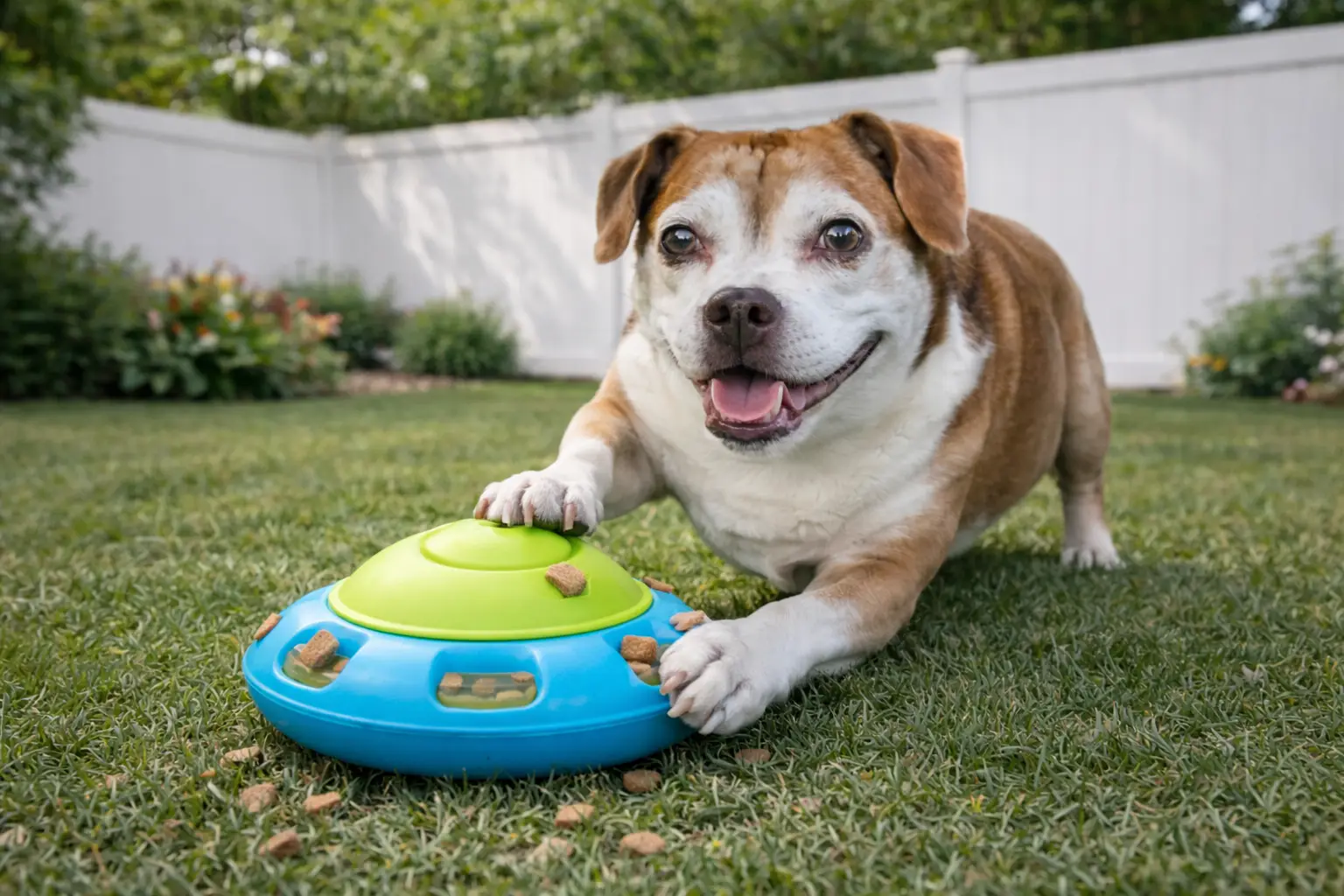
Stuffable Rubber Toy
- Check Chew King’s directions for the selected fillable toy
- Confirm permitted foods, freezing and cleaning before use
- Supervise introduction; remove the toy if chewed or damaged
Slow-Feed Lick Mat
- Compare the selected LUKITO mat’s dimensions and food capacity
- Follow filling and cleaning directions
- Use under supervision and stop if your dog chews the mat
Interactive Ball
- Compare the selected PetDroid ball’s dimensions and operation
- Follow its supervision and maintenance requirements
- Confirm features rather than assuming food dispensing or adjustable difficulty
Puppy Toys
Choose an age-appropriate toy with a size, material and use limit suited to your puppy. Supervise play and chewing, inspect for damage and check the selected model’s instructions; a puppy label alone does not establish a suitable fit.
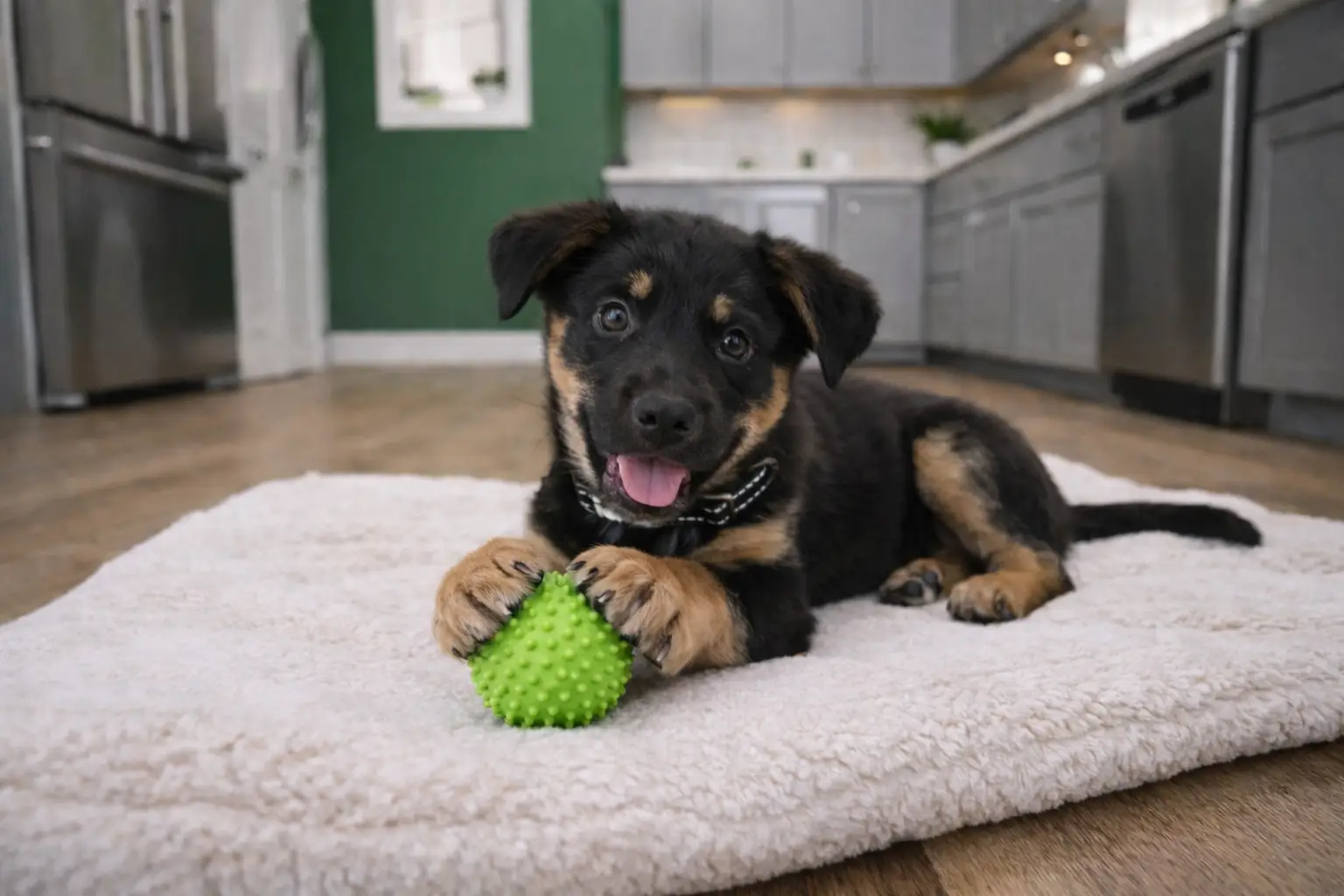
Soft Rubber Teether
Linked Small puppy teether: maker lists puppies up to 25 lb. Check the selected size and use directions.
Nylabone Puppy Teething Chew Toy (Vanilla) — Check Price on AmazonHeartbeat Plush Companion
The linked Cream Snuggle Puppy is a heartbeat companion, not a crinkle chew toy. Monitor introduction and remove it if chewed.
Snuggle Puppy Heartbeat Toy (Cream) — Check Price on AmazonMini Treat Toy
Check the selected HIPPIH toy’s size, filling and supervision directions; observe your puppy’s food access.
HIPPIH Treat-Dispensing Puzzle Toy (2-Pack) — Check Price on AmazonSenior & Gentle Chew Toys
Choose activities around your older dog’s dental condition, mobility and preferences. Compare carrying size, food access and supervision needs; ask your veterinarian about pain or changes in how your dog uses toys.
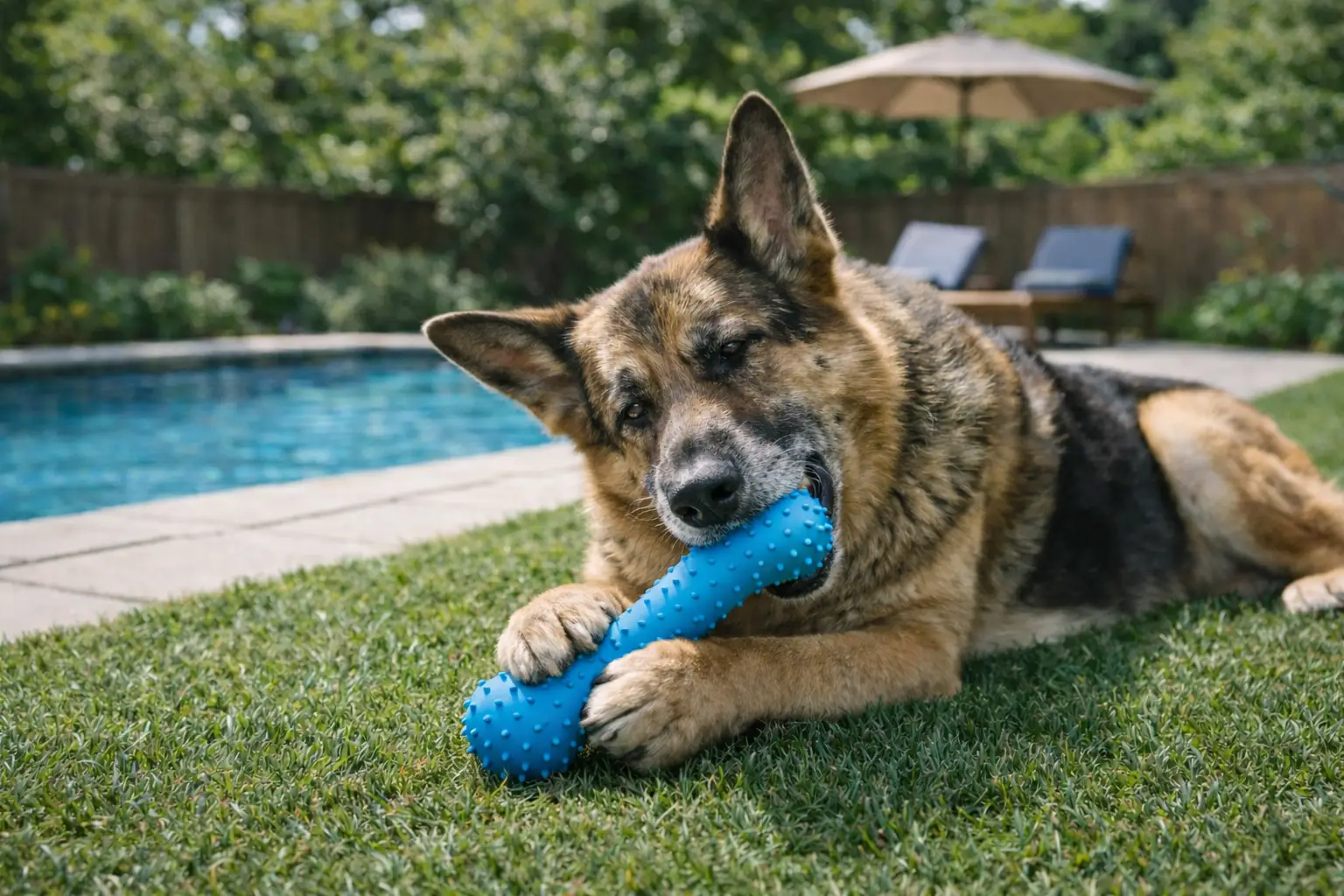
Soft Rubber Chew
Check the selected ZIKATON toy’s size and flexibility against your dog’s teeth and chewing behavior.
ZIKATON Durable Rubber Chew Toy — Check Price on AmazonLick Mat
Compare mat size, food access and cleaning; supervise use and remove it if chewed.
LUKITO Lick Mat for Dogs (2-Pack) — Check Price on AmazonLightweight Fetch Toy
Linked Indoor Roller: 4.75-inch fetch toy. Maker says it is not for chewing; supervise indoor play.
Chuckit! Indoor Fetch Roller Toy — Check Price on AmazonTraining Toys
Training toys help you reward behaviors quickly. The best options are easy to grab, consistent, and exciting enough to motivate your dog without making it impossible for the dog to refocus on you.
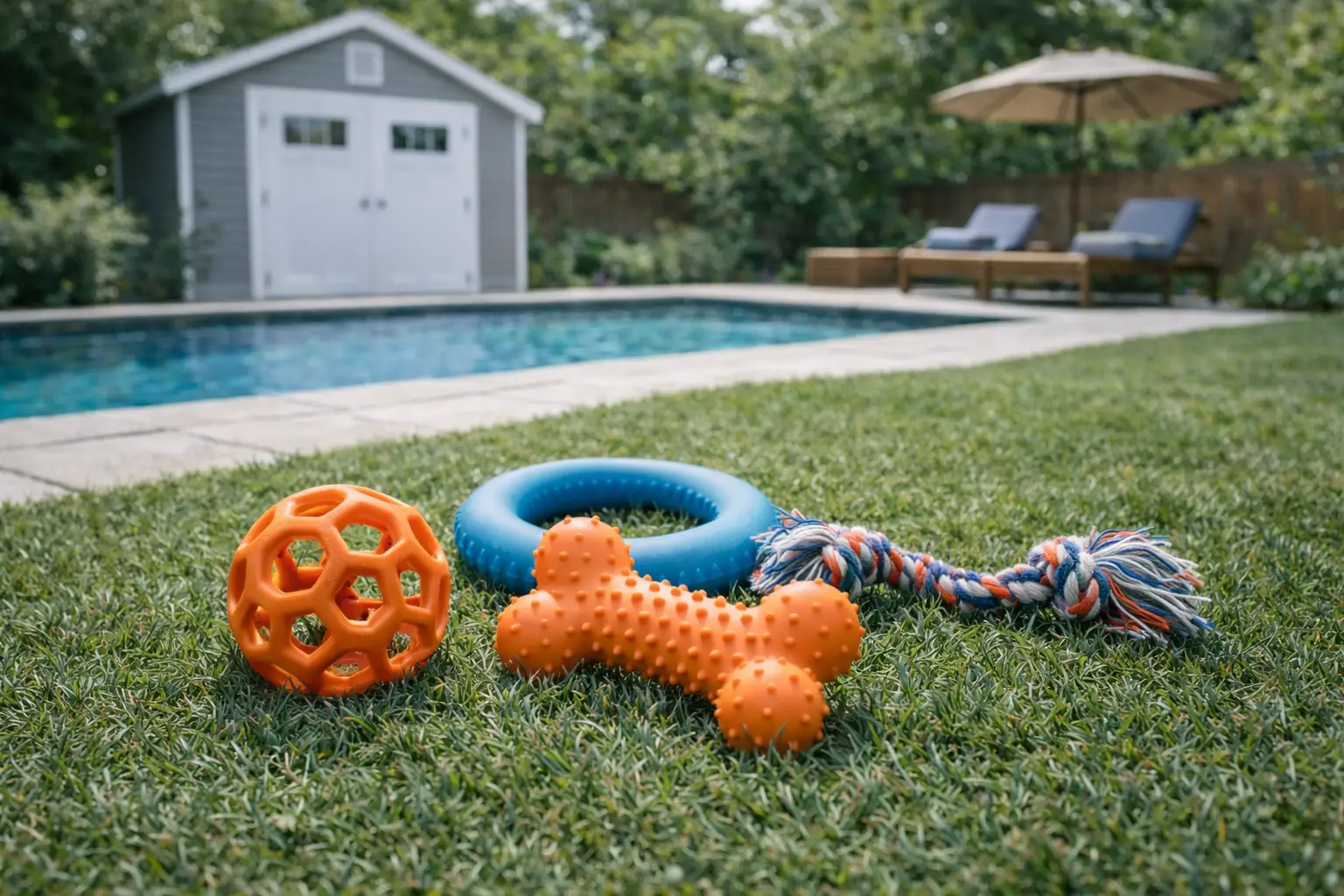
Pocket Tug
Quick reward, great for "drop it" practice.
Tug-E-Nuff Pocket PowerBall Bungee Tug — Check Price on AmazonRetrieval Dummy
For structured fetch and focus drills.
BINGPET Float Bumper Retrieval Toy — Check Price on AmazonFetch Stick
Compare the selected fetch stick’s size and intended use; do not infer dental suitability from its appearance.
Chuckit! Ultra Fetch Stick — Check Price on AmazonHelpful Dog Articles
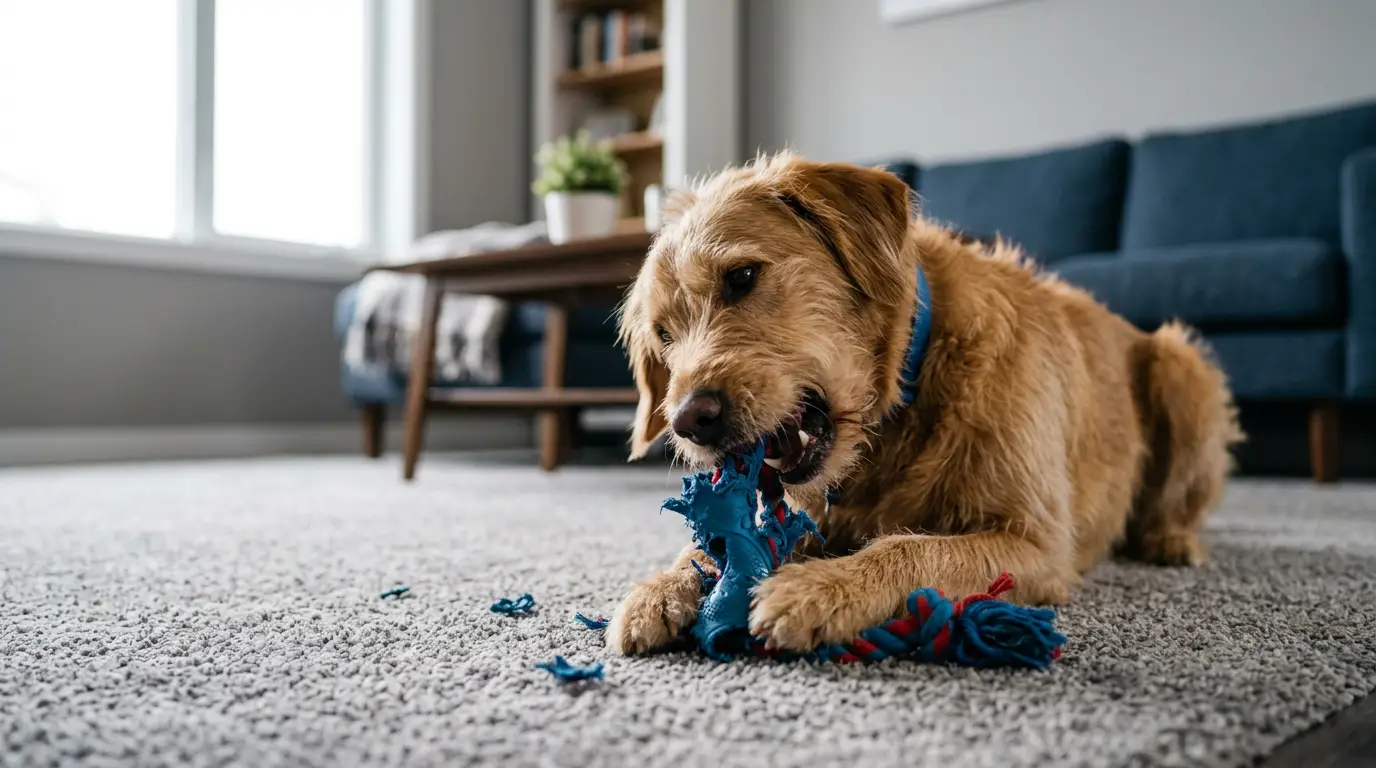
Why Dogs Destroy Their Toys
Read about chewing and shredding behavior, then compare toy use, supervision and wear. A damaged toy does not by itself establish boredom or anxiety.
Before You Buy a Dog Toy
Always match the toy to your dog's size, age, chewing strength, and play style. A toy that is safe for one dog may be too small, too hard, or too easy to destroy for another dog.
Use the safety checklist below before giving a new toy, and inspect toys often once your dog starts using them.
Dog Toy Safety Tips
- Size matters: Use the maker’s size guide and choose a toy that cannot fit entirely in your dog’s mouth. Avoid detachable parts that could be swallowed.
- Supervise new toys: Introduce toys under supervision and follow their ongoing supervision requirements. Remove a toy if your dog breaks off pieces or chews it inappropriately.
- Retire damaged toys: If pieces can be pulled off, seams are open, or the toy is heavily cracked, replace it.
- Use rope with care: Do not let dogs swallow rope strands or loose fibers.
- Match hardness to teeth: Avoid toys that feel rock-hard if your dog bites down forcefully.