Dog Toys for Strong Chewers: Compare Types, Fit and Care
Compare the linked chew options by material, size, wear and supervision needs. A toy’s shape or durability claim does not establish that it suits your dog; pay particular attention to tooth damage and swallowed pieces.
Affiliate Disclosure: As an Amazon Associate I earn from qualifying purchases. Some links on this page may be affiliate links, which means I may earn a small commission if you buy through those links — at no additional cost to you.
Quick Safety Rule
Treat every toy as damageable. Remove it if pieces loosen, stuffing becomes exposed, or its size or wear makes swallowing a concern. Suspected ingestion or an injured mouth needs veterinary advice.
Four Linked Options to Check

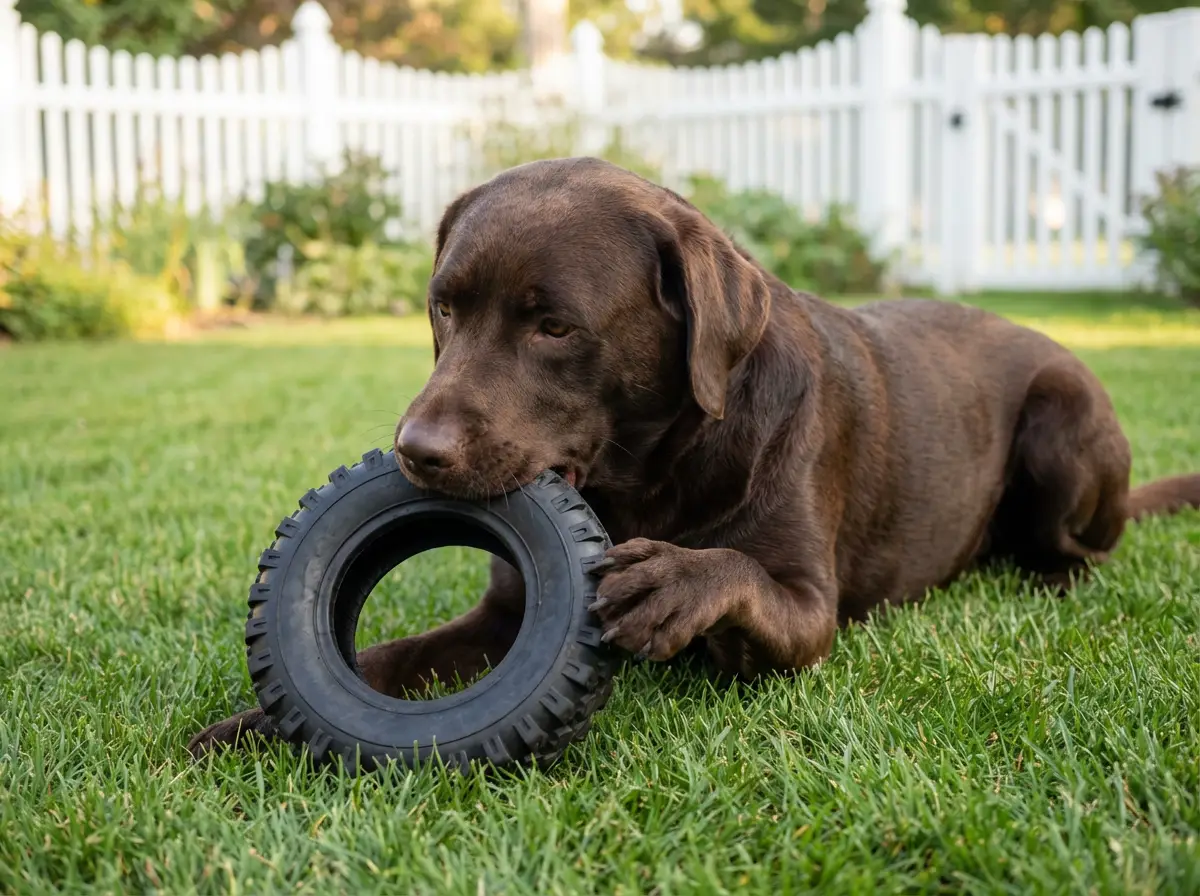
Illustration of a chew style; compare the actual linked product’s shape, material and size.
KONG Extreme Tires
KONG describes this as a rubber tire toy with an inner wall that can hold treats. Check the selected size and instructions; the generic image above does not identify the linked model.
Supervise use and remove the toy when damaged. Fill it only as directed with food appropriate for your dog.
Features to Check
- Rubber tire shape
- Fillable inner wall
Limits to Consider
- Selected size and intended use
- Damage and loose pieces
Before buying: Follow the selected KONG size and use directions.
Check price on Amazon
Illustration of a chew style; compare the actual linked product’s shape, material and size.
Linked Chew Option: Check Material and Size
Before buying, confirm the manufacturer, material, dimensions and age guidance on this listing. A hard-chew description is not a dental-safety guarantee.
Discuss hard-chew suitability with your veterinarian. Supervision does not remove the risk of a fractured tooth.
Features to Check
- Actual material and hardness
- Size and age guidance
Limits to Consider
- Dental suitability
- Wear and loose pieces
Before buying: Review the current listing and your dog’s dental needs.
Check price on Amazon
Illustration of a chew style; compare the actual linked product’s shape, material and size.
Linked Antler Option: Dental Caution
Hard antlers can fracture teeth. Discuss suitable alternatives with your veterinarian rather than choosing an antler for a promised lifespan or low odor.
Check the actual item, size and instructions on the listing. Its generic illustration is not proof of the linked product’s identity or suitability.
Features to Check
- Current item and size
- Manufacturer instructions
Limits to Consider
- Tooth-fracture risk
- Swallowed or detached pieces
Before buying: Use this as a dental-risk comparison; ask your veterinarian about alternatives.
Check price on Amazon
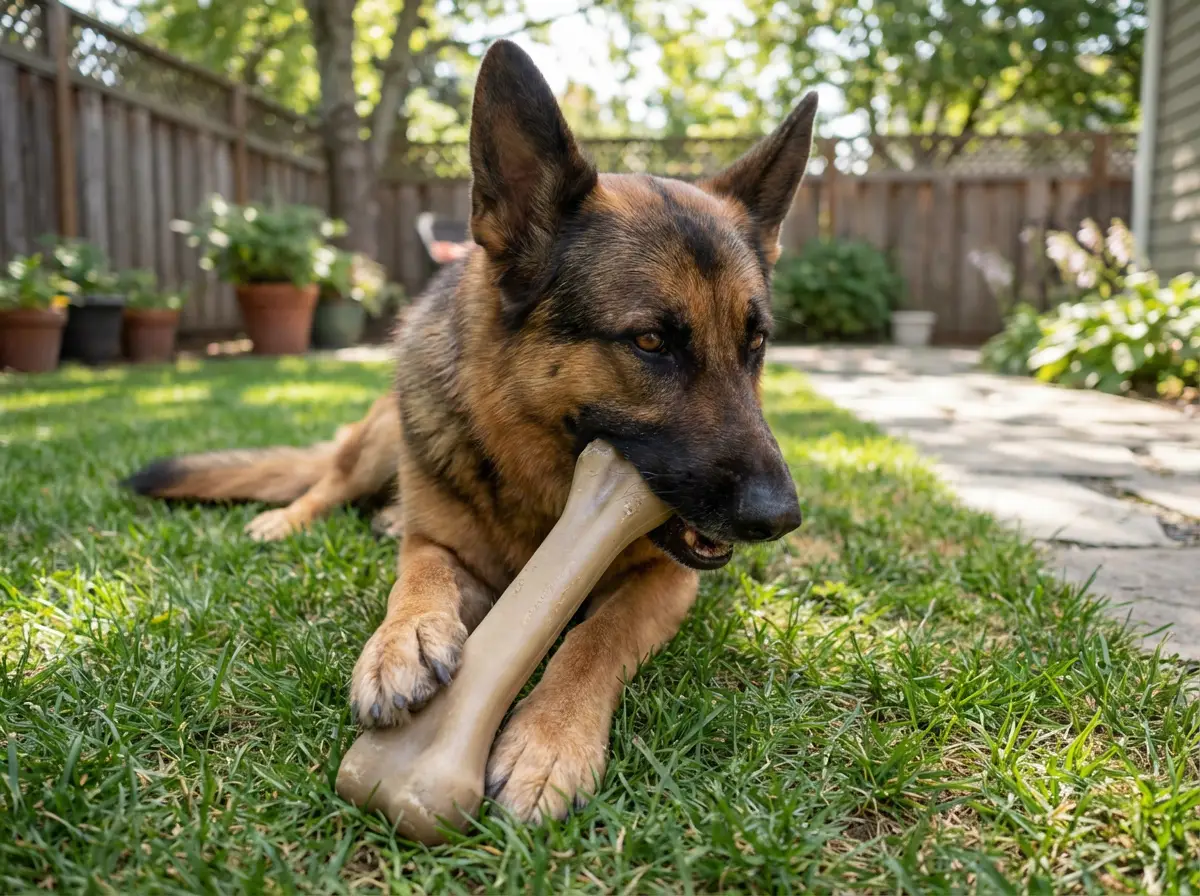
Illustration of a chew style; compare the actual linked product’s shape, material and size.
Benebone Wishbone, Bacon
The linked retailer identifies this as the bacon Benebone Wishbone. The manufacturer describes a nylon chew with a wishbone shape; the generic bone illustration is not an exact model photograph.
Benebone says its nylon chews are not suitable for dogs above its weight guidance or for very strong or very aggressive chewers. Follow the current size, inspection and replacement guidance. It is a hard chew, not an edible treat; discuss dental suitability with your veterinarian.
Features to Check
- Wishbone shape
- Current size and flavor
Limits to Consider
- Maker’s weight and chewing-strength exclusions
- Wear, breakage and ingestion
Before buying: Check the manufacturer’s current size and use instructions.
Check price on AmazonFinal Thoughts
If your dog destroys toys quickly, do not feel like you are doing something wrong. Some dogs simply have stronger jaws, more drive, and more patience than others. The goal is not to find a magic toy that lasts forever. The goal is to choose a safer, tougher option that matches the way your dog actually chews.
Use the current product instructions and your dog’s needs to compare these options. Hard nylon and antlers raise dental concerns. Supervise use, inspect for damage, and ask your veterinarian about suitability or any suspected injury or ingestion.