Menu
Toys are another important part of a cat's life․ There are many reasons a cat should have toys outside of just having a good time․ This is also fulfilling their needs and instincts as a feline․ Cats can become bored and under-stimulated, especially indoors․ Like people, cats need both mental and physical stimulation․ Toys can be a big part of this․ By knowing what toys are available, owners can pick the toys that best suit their cat's need to chase, pounce, hunt, solve, or simply have fun․
If your cat seems bored indoors, you may want to read our guide to why cat toys are essential for indoor enrichment.
Affiliate Disclosure: As an Amazon Associate, we earn from qualifying purchases. We may earn a small commission at no extra cost to you.
Our top cat toy picks based on engagement, safety, and owner reviews.
Fast tip: Match the toy to the “job.” Hunters need chase-style toys, problem-solvers need puzzle toys, wrestlers need kicker toys, and independent players do best with ball tracks and motion toys.
Choosing the right toy for your cat depends on age, activity level, confidence, and play style. Some cats prefer chasing feather wands while others enjoy puzzle feeders, catnip toys, kicker toys, or solo toys that move and roll on their own.
Cats of different ages‚ and with differing energy levels‚ confidence levels‚ and prey drive will play differently with different toys‚ and the toys were chosen based on their play value and safety as well as their ability to elicit natural behavior in the cats and kittens․
We look at the materials and stimulation and interactive value of the toy‚ and how it stands up to rigorous play․ We prefer toys that allow the cat to stalk and pounce‚ bat and chase‚ and problem-solve․
By reviewing and recommending options for cat toys that promote safe and engaging play indoors‚ we hope to help owners find products that keep their cats entertained and promote enrichment and exercise․
Size
Choose toys that are appropriate for your cat’s size and play style. Toys with small detachable parts can become safety hazards.
Play Style
Some cats love chasing feather toys or rolling balls, while others prefer kicker toys, puzzle toys, or catnip toys that encourage grabbing and wrestling.
Stimulation Needs
Indoor cats often benefit from a mix of movement-based toys, solo toys, and puzzle toys that provide mental stimulation and reduce boredom.
Tap a button to jump to that toy type. Each section includes quick picks and what to look for.
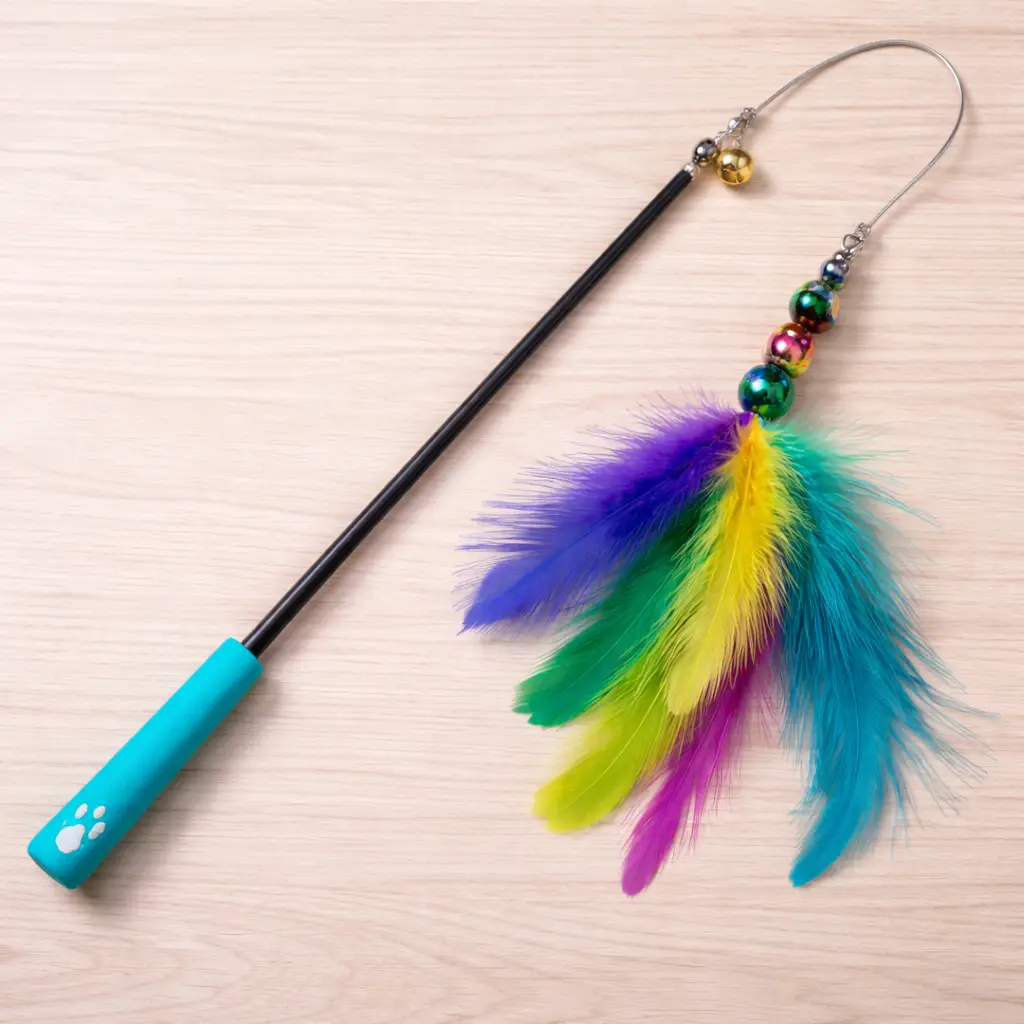
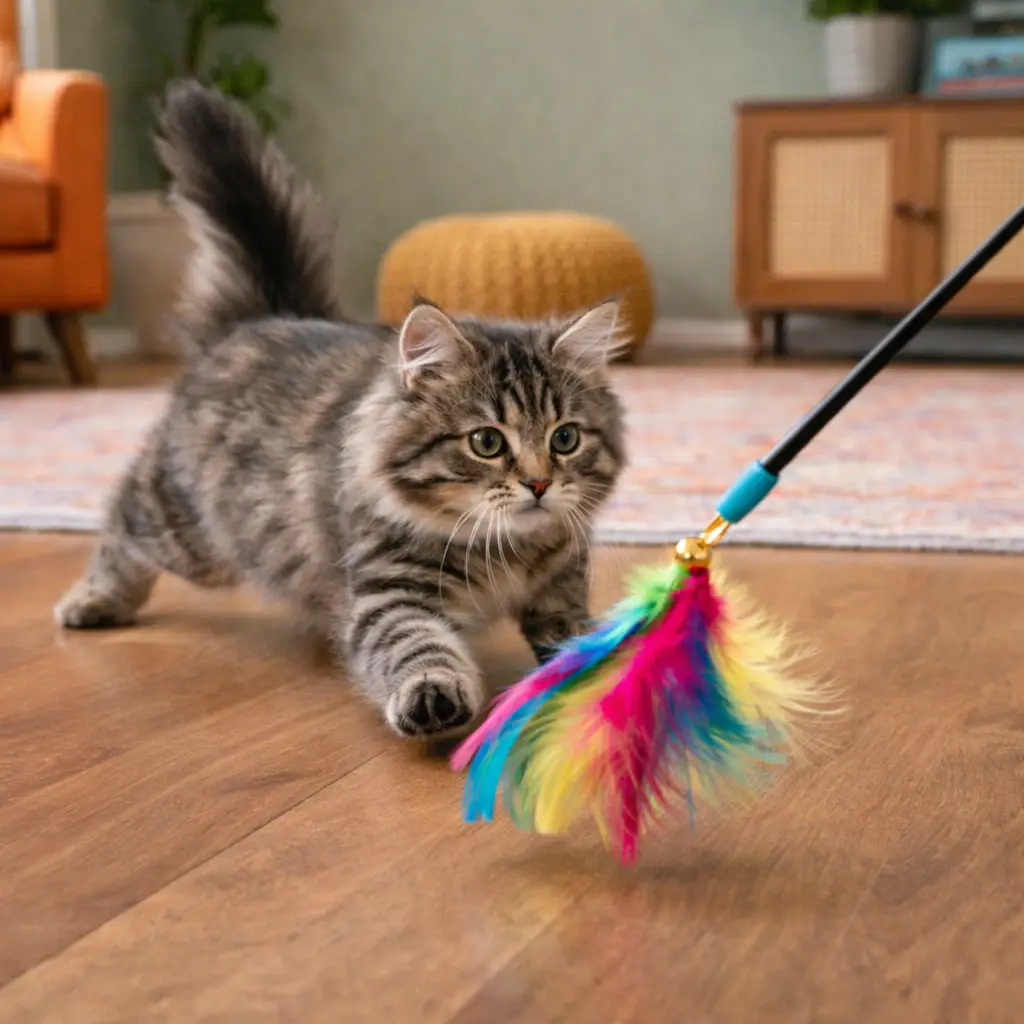
Wand toys are one of the best ways to stimulate, engage and entertain cats․ These toys mimic the motion of prey and trigger natural stalking, chasing, batting, and pouncing behaviors․ Generally, cats respond well to wand toys because they allow the owner to vary the speed, direction, and intensity of the game․ They are excellent for exercise, bonding, confidence building, and keeping indoor cats more active.
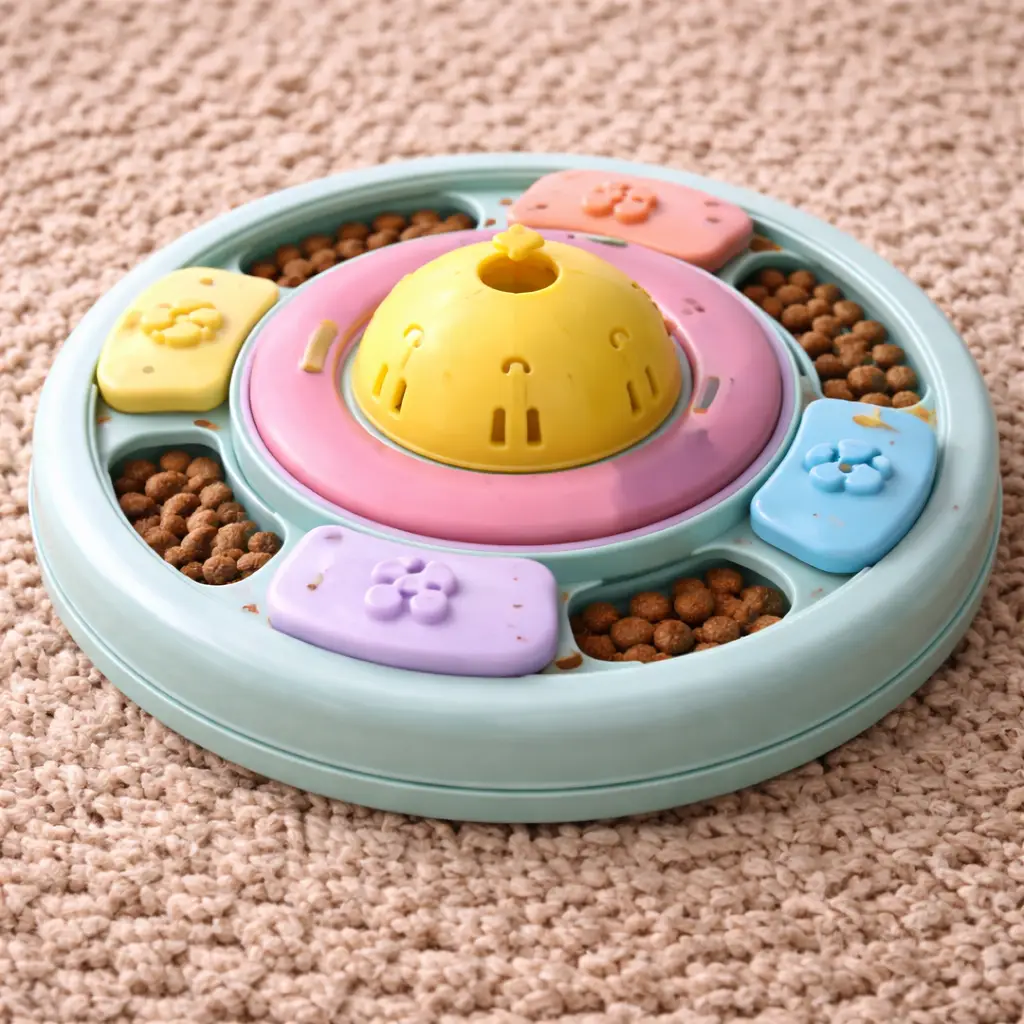
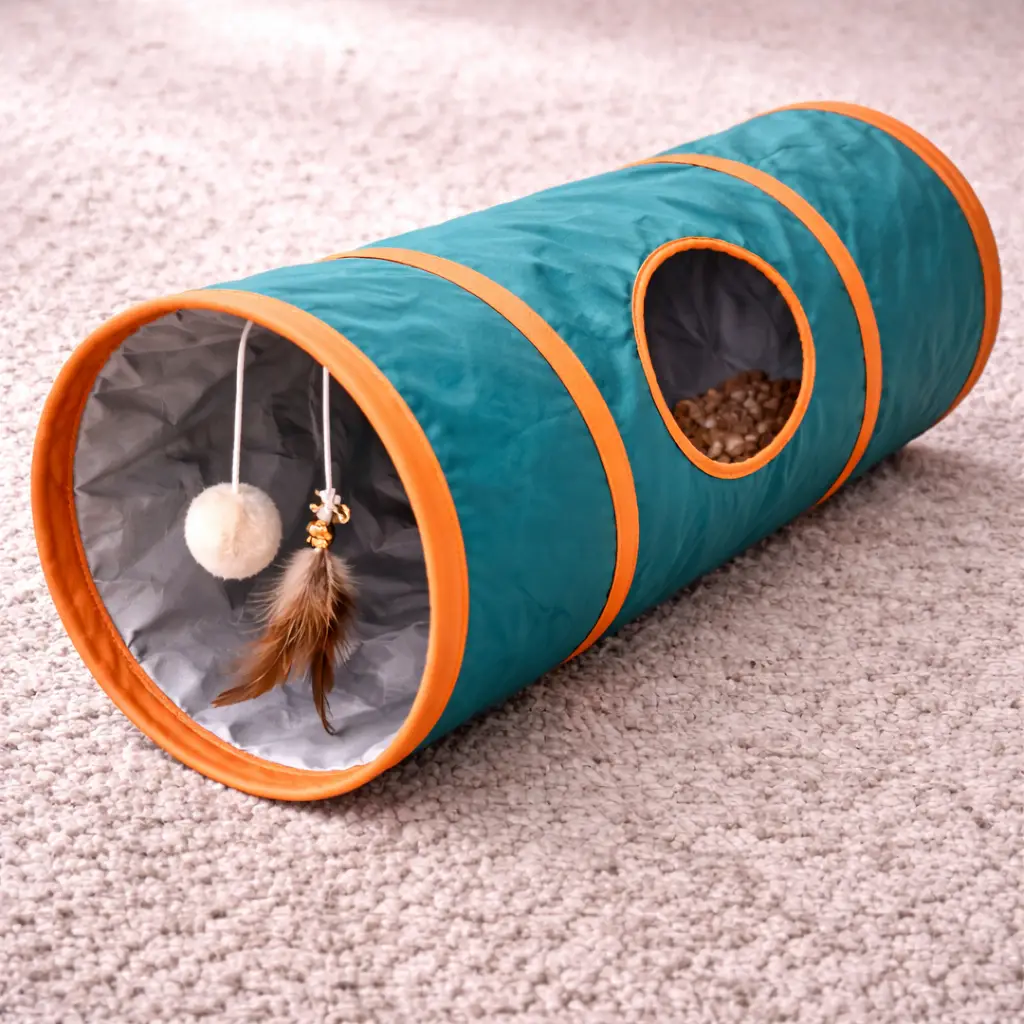
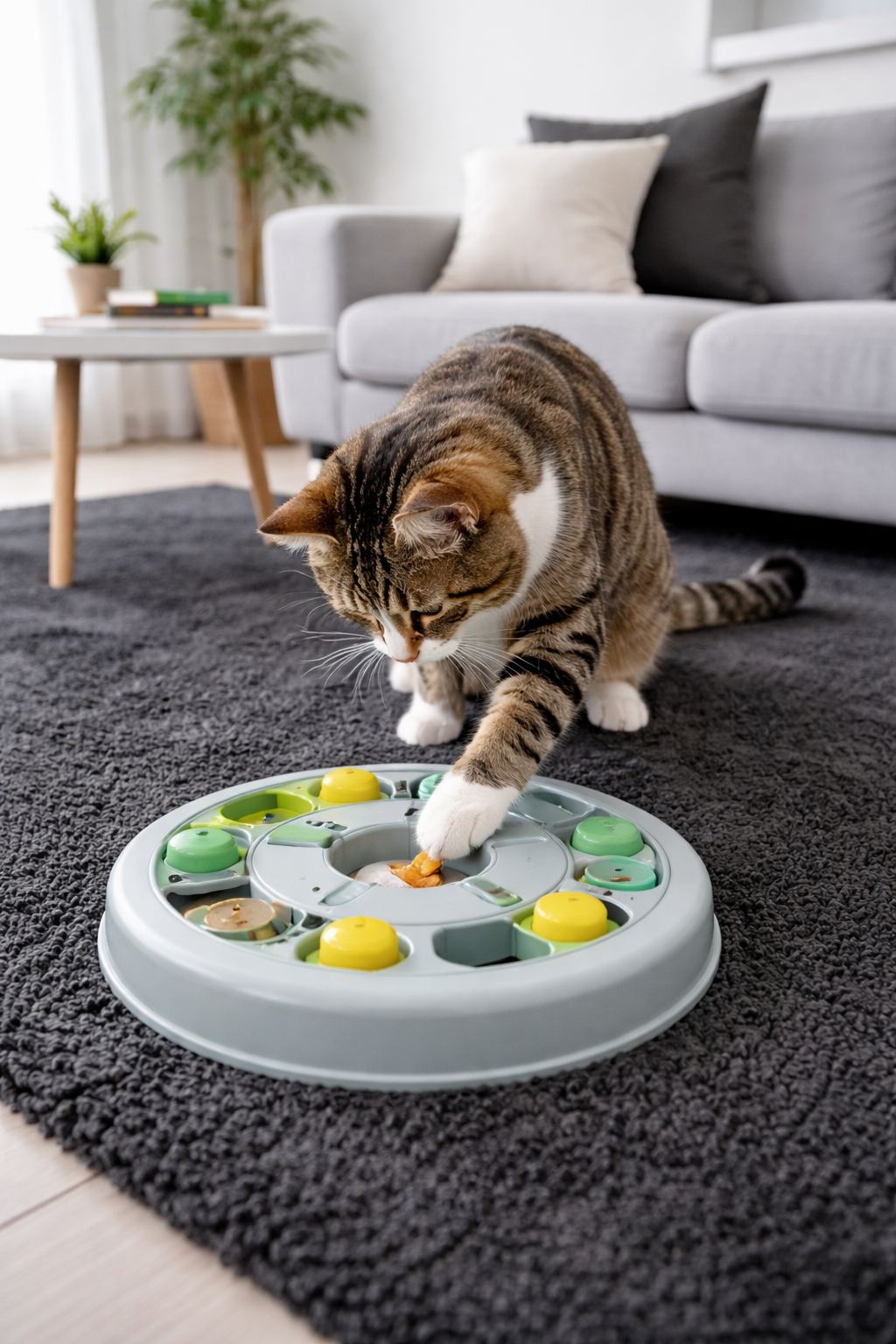
Puzzle toys are one of the best ways to stimulate, engage and entertain cats indoors․ There are many different types of toys that involve the cat solving a problem, such as working to get a treat from inside or uncovering food with their paws․ Generally, cat puzzle toys begin with easier tasks and can become more challenging over time․ This helps maintain a cat's interest while providing mental stimulation and problem-solving opportunities․ Puzzle toys that are easy to clean also promote health and hygiene while making mealtime or treat time more engaging.
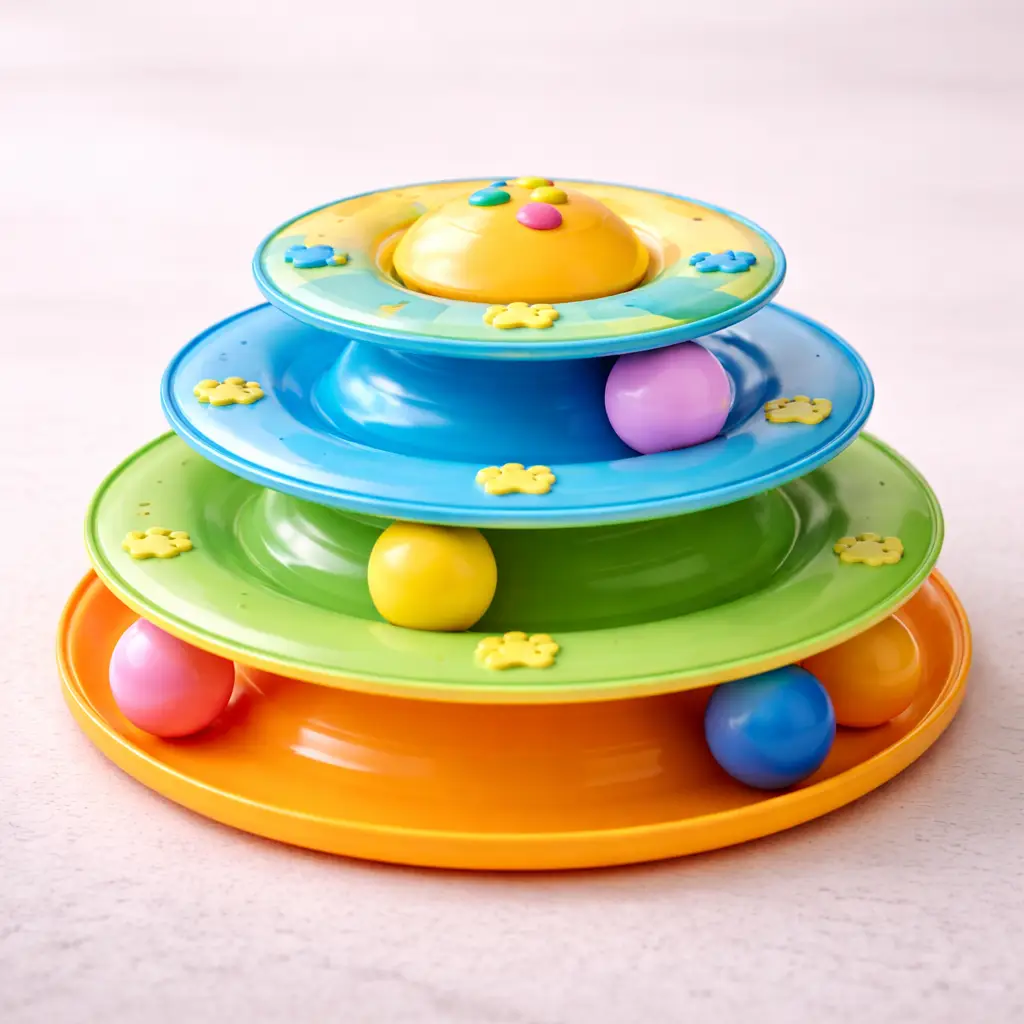
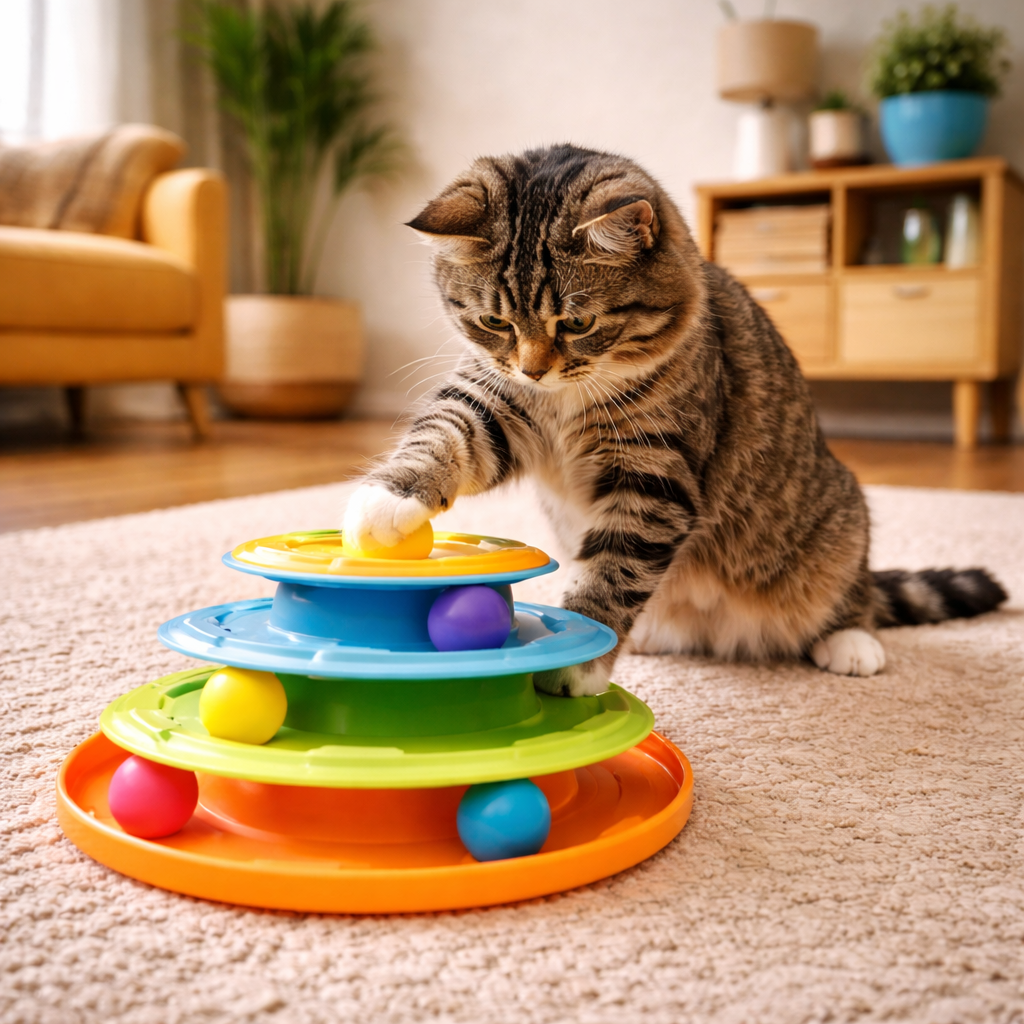
Ball and track toys help create movement-based play that many cats enjoy independently․ A number of factors should be considered when choosing these toys, including durability, noise level, and whether the toy will slide well on your floors․ The size of the toy is important: it should be large enough that it cannot be swallowed and sturdy enough to withstand repeated batting, pawing, and chasing. These toys can be excellent for indoor cats that need extra solo activity during the day.
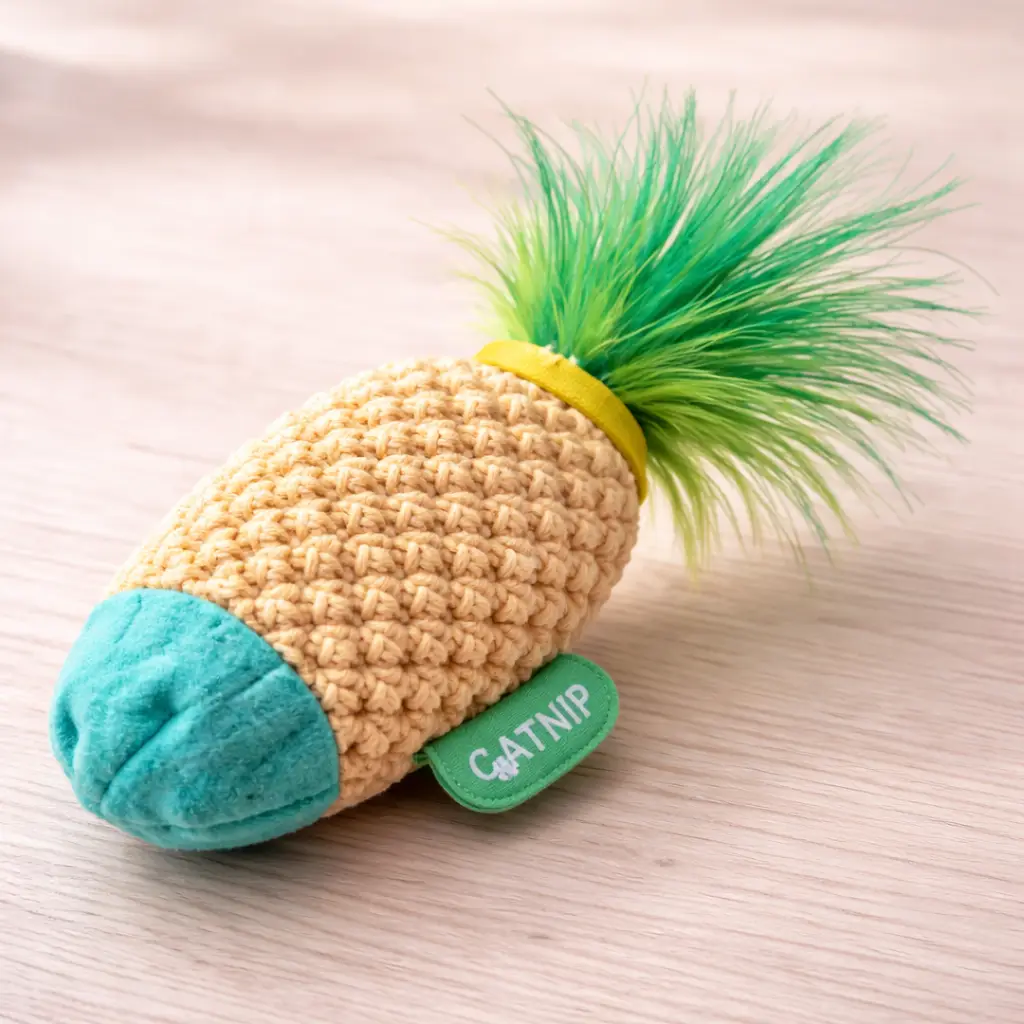
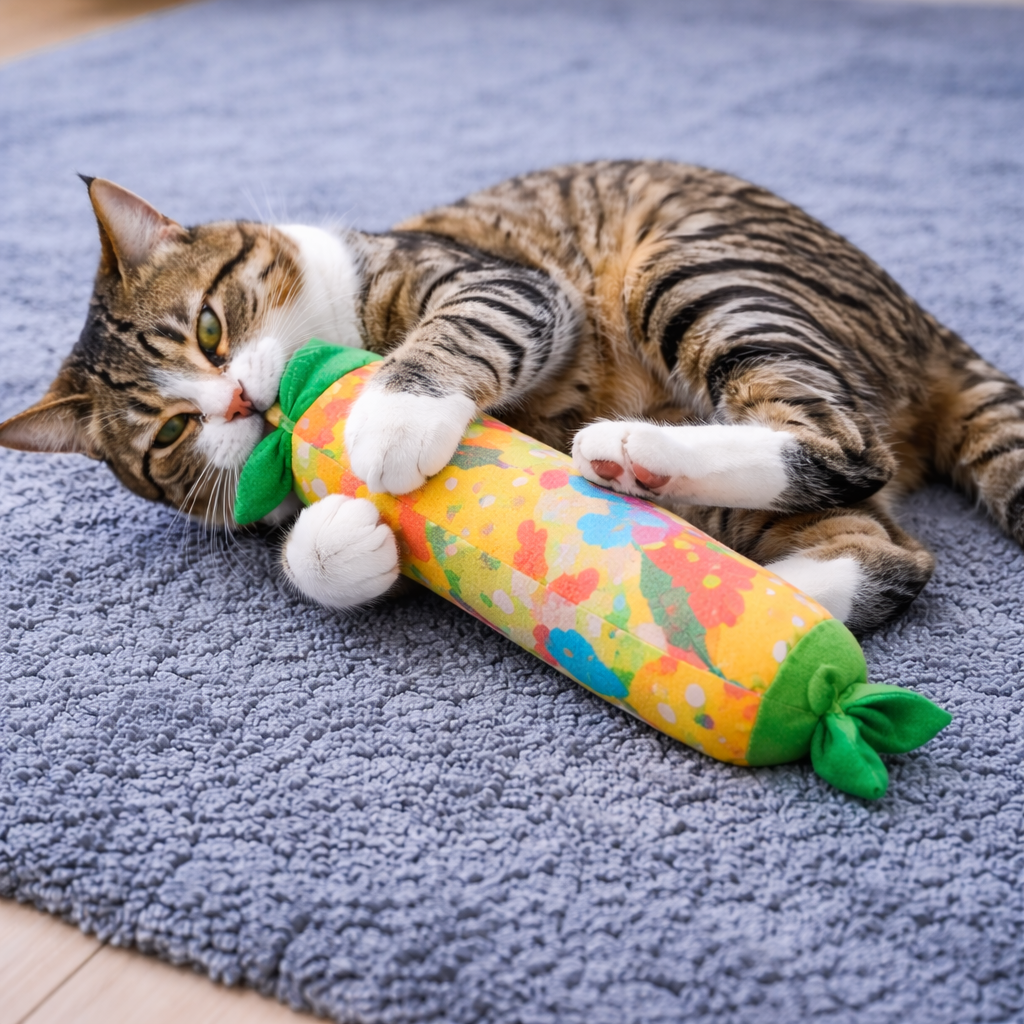
Catnip toy products are popular among cat owners․ These products provide scent enrichment and play stimulation to the cat․ Cats typically rub their face or body on the toy‚ roll over‚ or grab and kick it․ Not all cats are sensitive to catnip‚ but for those that are‚ it can be a way to stimulate activity and prevent boredom․ Catnip toys can be given in rotation to avoid a cat becoming bored by the same toy․
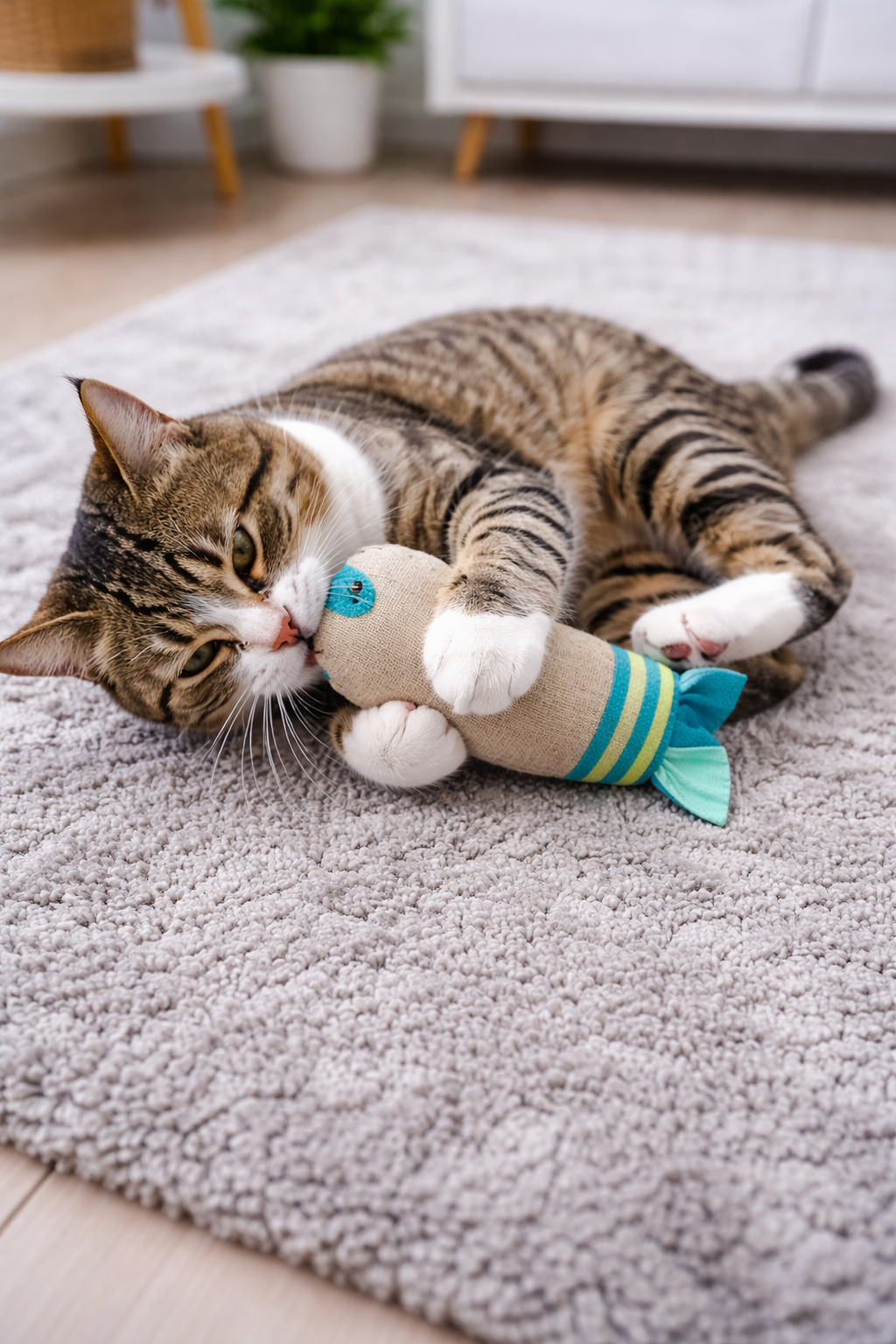
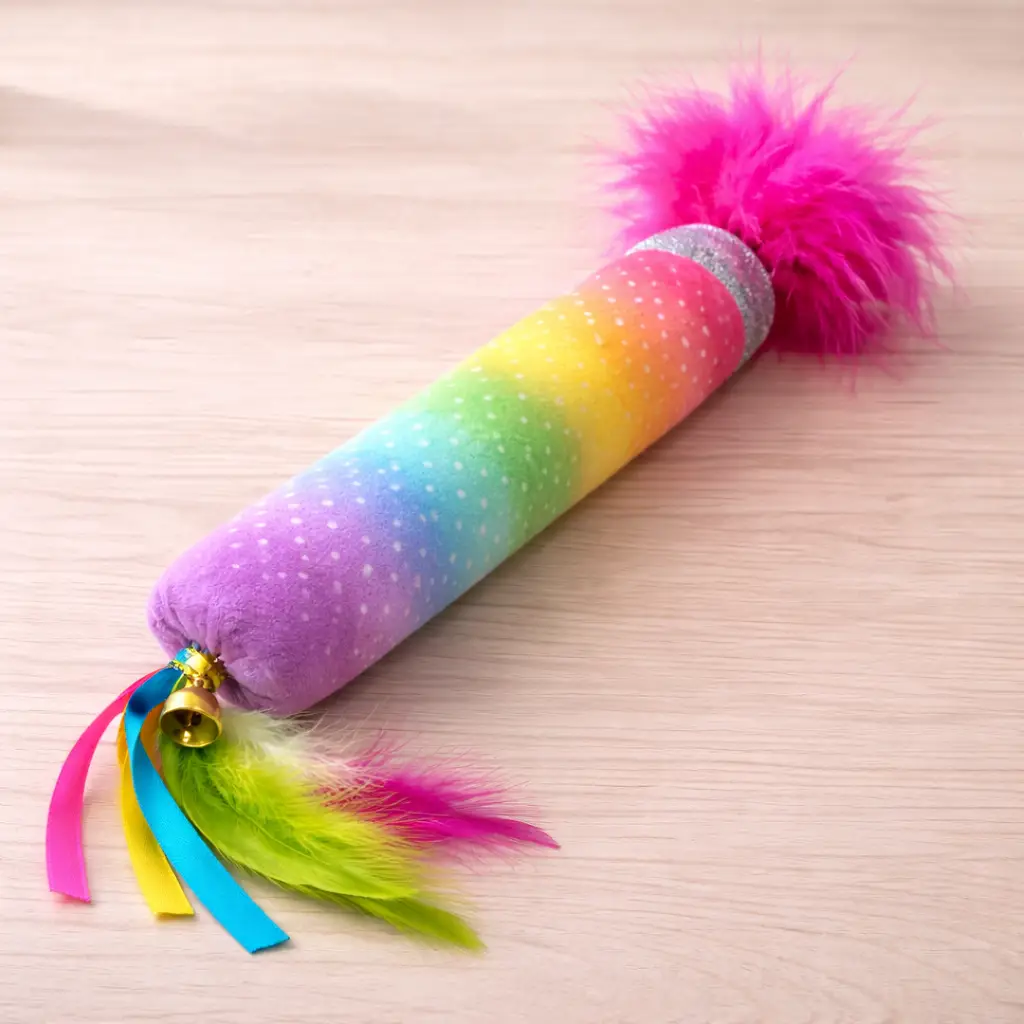
Kicker toys are toys designed for cats that pounce and grab prey with the front feet‚ then kick the prey with the back feet․ Wrestling and other prey-like behavior can help fulfill this behavior․ They are especially useful for cats who prefer rough play in isolation‚ and a well-made kicker toy is long enough for the cat to hold between its front paws‚ and durable enough to kick‚ chew and grab repeatedly․
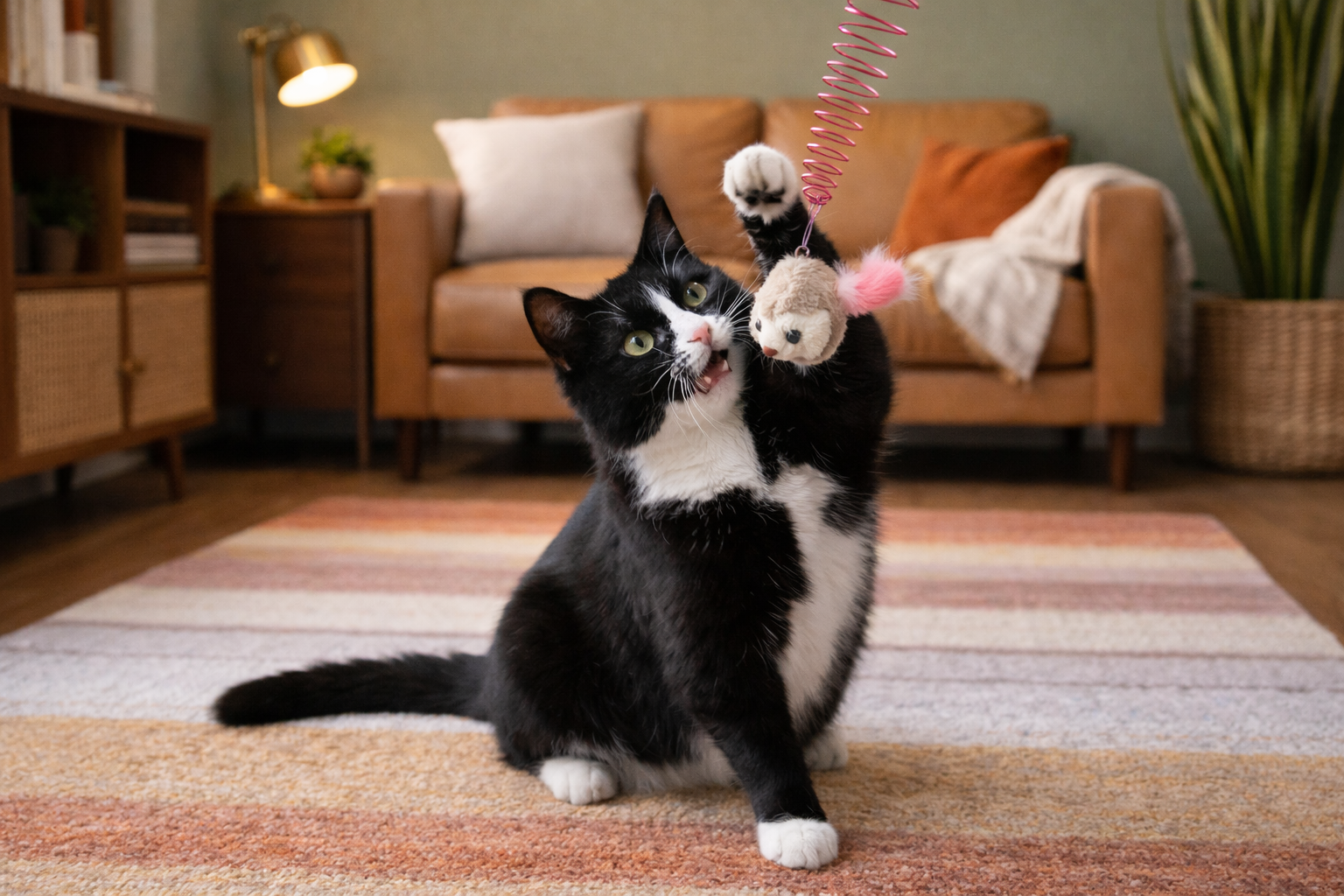
Interactive toys can keep the cat mentally stimulated while at home alone or between play sessions with the owner․ There are many types and styles of interactive toys, so a cat owner can find the right option for their cat․ Some toys move unpredictably, some light up, and some encourage the cat to solve or chase. The benefit of these toys is that they help satisfy a cat's need for movement and mental stimulation and thereby decrease the likelihood that boredom-related behaviors will develop.
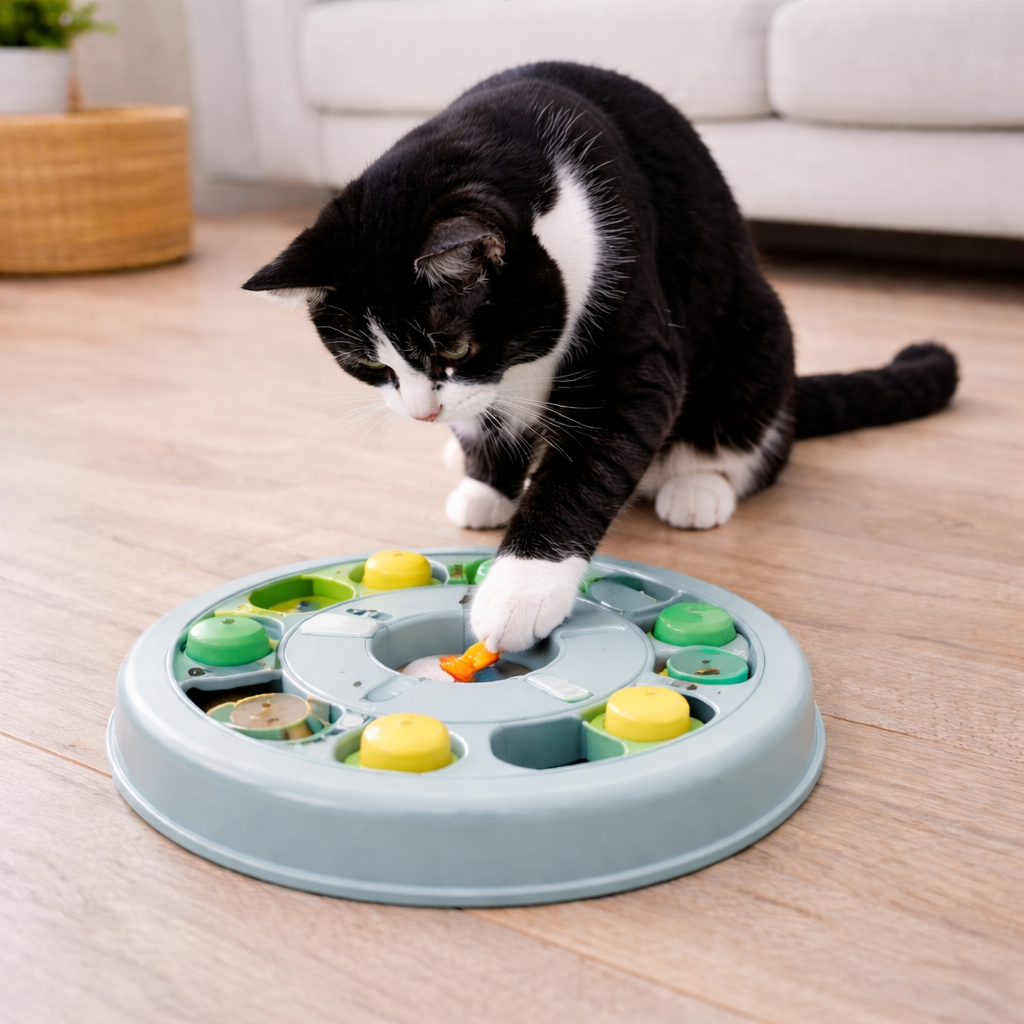
Kittens are playful and explore their surroundings with natural curiosity․ Their development involves periods of rapid growth in movement‚ confidence‚ coordination‚ and learning․ Soft materials‚ lightweight toys‚ and simple chase toys allow kittens to practice predatory behaviors without inflicting harm‚ but still be enticing enough to hold their attention for short periods of time․
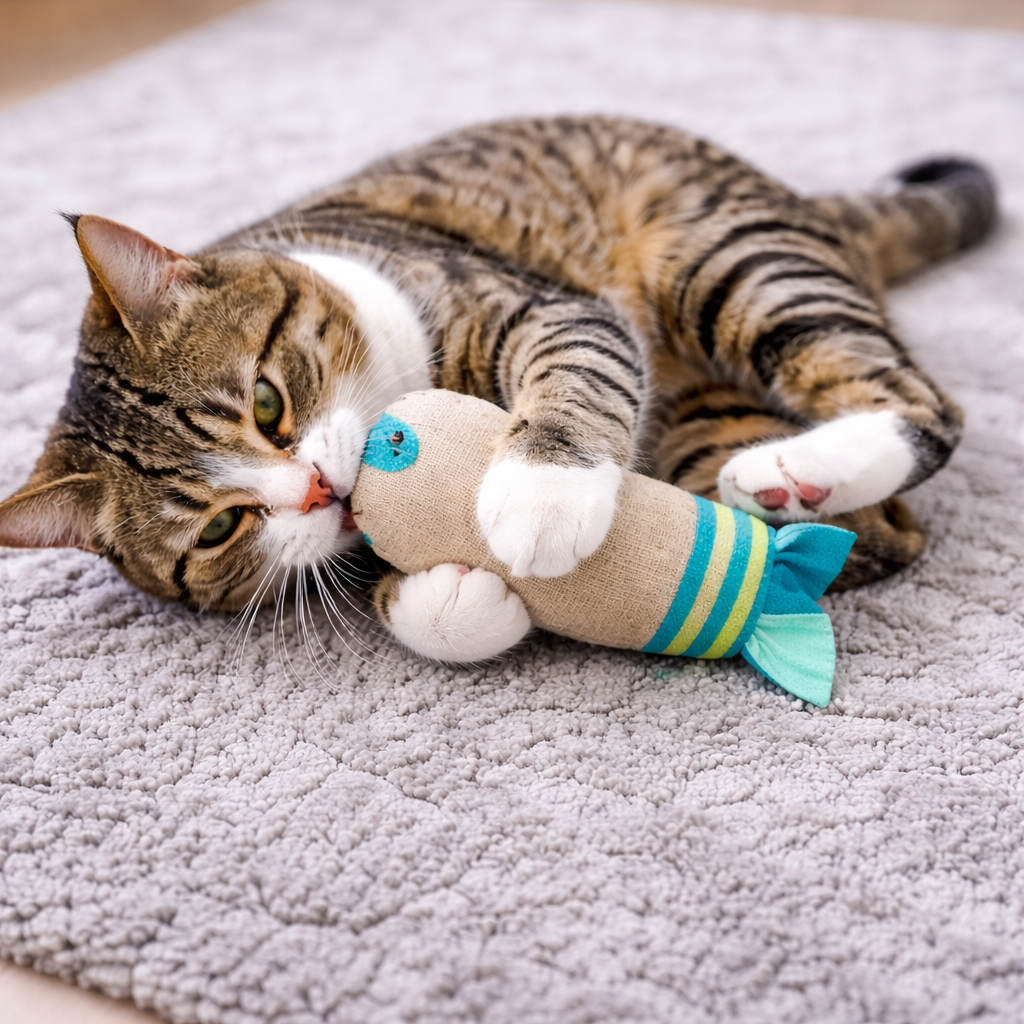
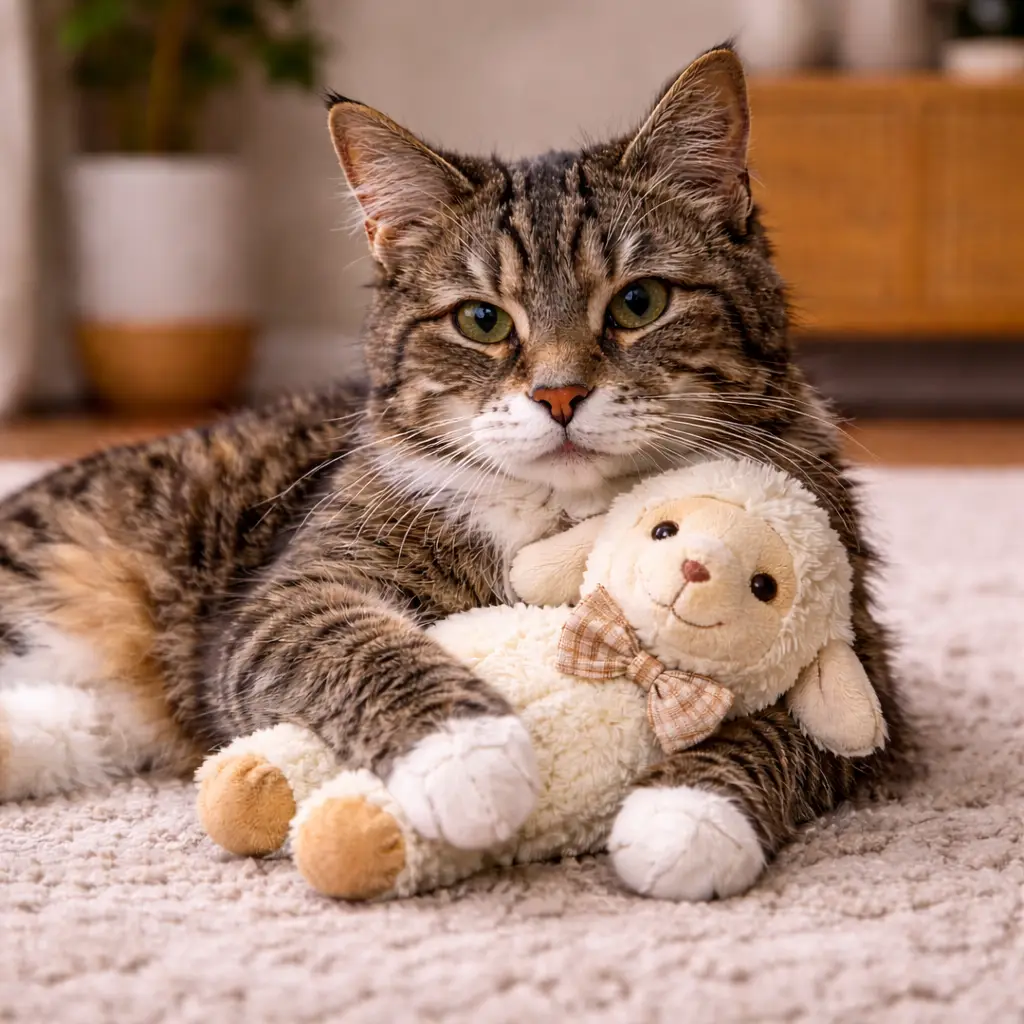
Older cats often prefer softer toys and enrichment that doesn’t require intense leaping or rough play. Look for light plush toys, easy-to-bat toys, and gentle enrichment that still encourages movement and curiosity.
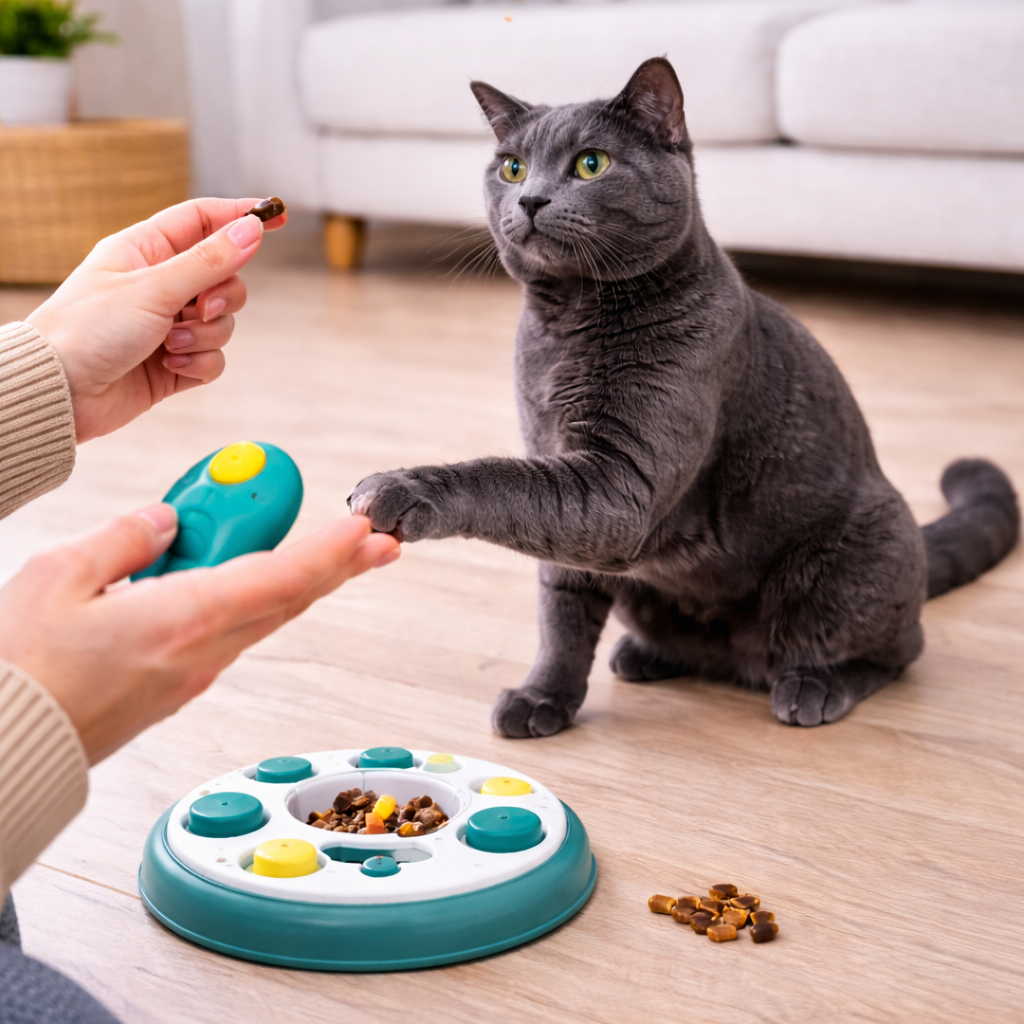
Training toys help you reward behaviors fast and keep sessions positive. The best options are easy to present, motivating, and not so overstimulating that your cat loses focus. Short interactive sessions with toy rewards can help with confidence building, movement, and play-based learning.
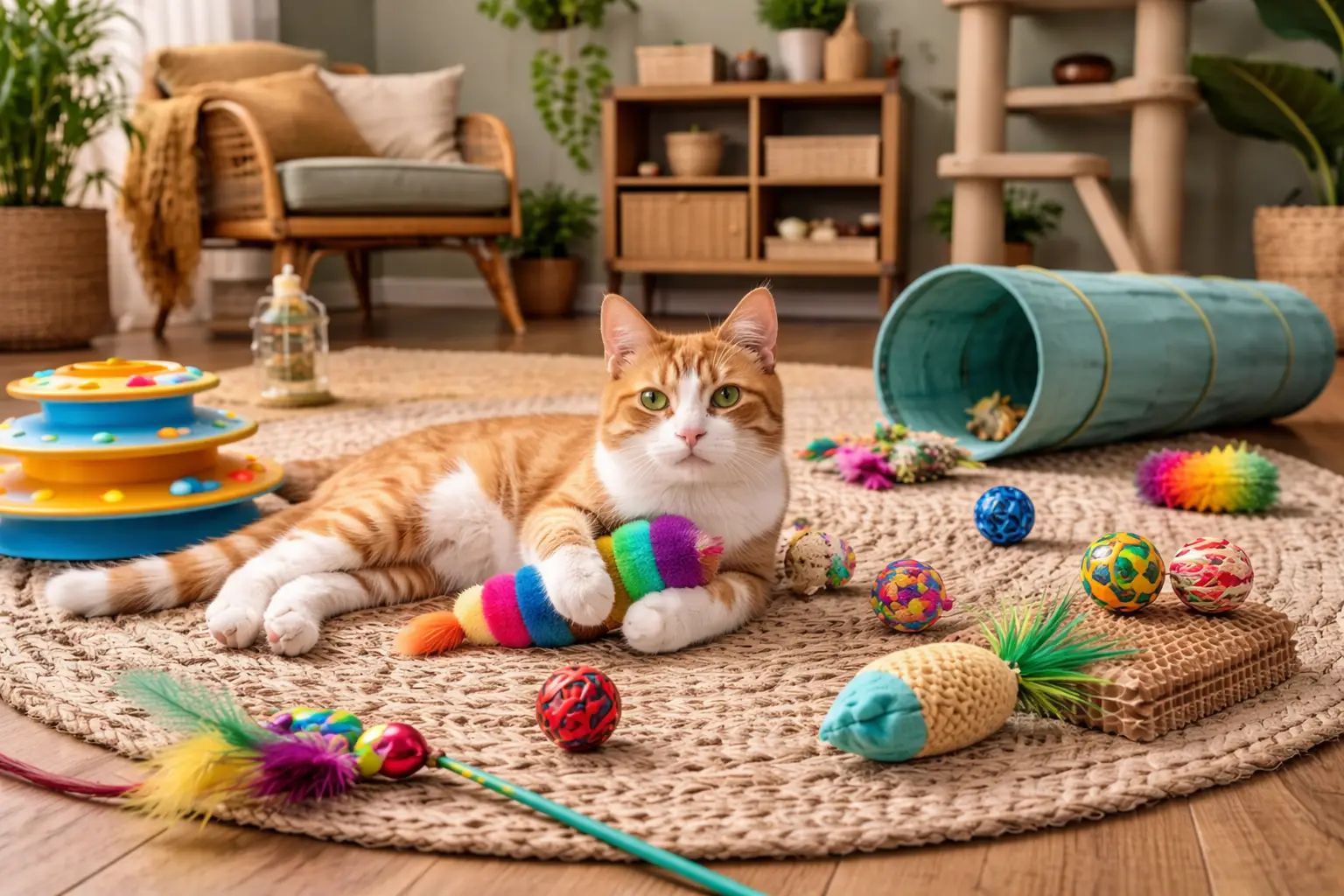
Cats may seem independent, but they still need daily mental and physical stimulation. The right toys can help reduce boredom, encourage exercise, and support natural hunting behaviors for indoor cats.
Always choose toys appropriate for your cat’s size and play style. Small detachable parts and loose strings can become choking or swallowing hazards.
Inspect toys regularly and replace them if they become torn, frayed, or heavily worn. Supervise your cat when introducing a new toy, especially string, feather, or motion toys.