
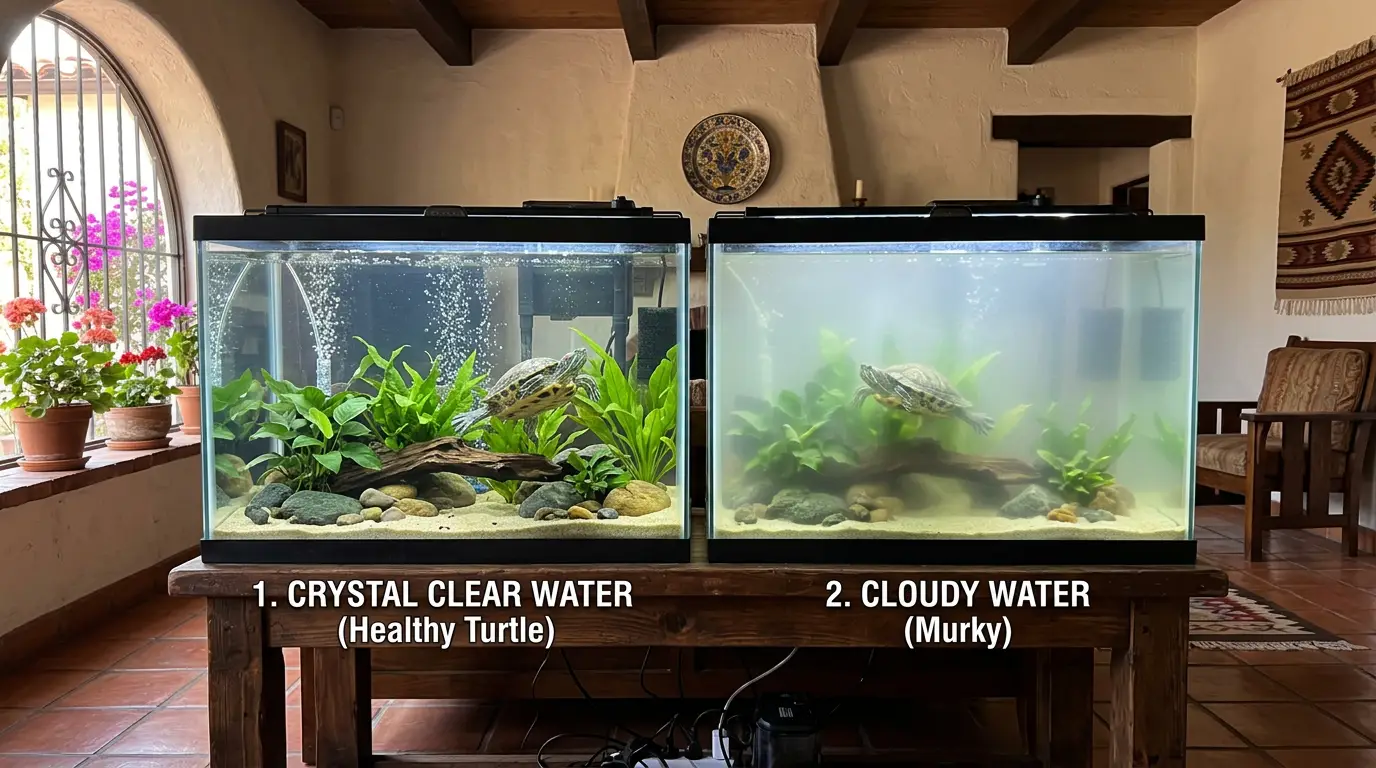
Turtles are known for producing a heavy amount of waste compared to most aquarium animals. Even with a filter running, odors can develop when waste, leftover food, and debris begin to accumulate faster than they are removed. A filter helps manage water quality, but it does not eliminate the need for proper cleaning and tank maintenance.
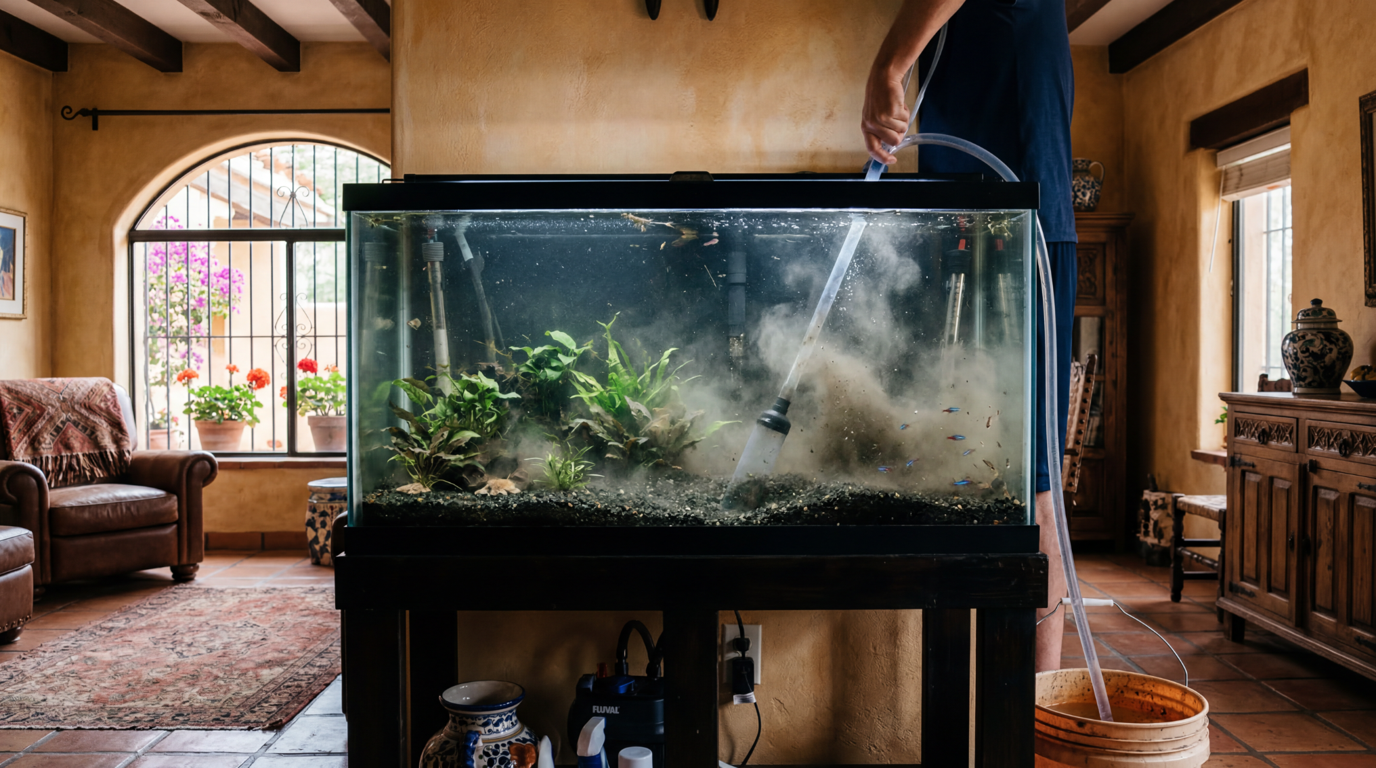
Waste Buildup Is the Main Cause
The most common reason for a smelly turtle tank is waste accumulation. Turtles produce feces, urine, and leftover food debris that break down in the water. As this organic material decomposes, bacteria multiply and release odor-causing compounds. Without regular cleaning or water changes, this buildup quickly becomes noticeable.
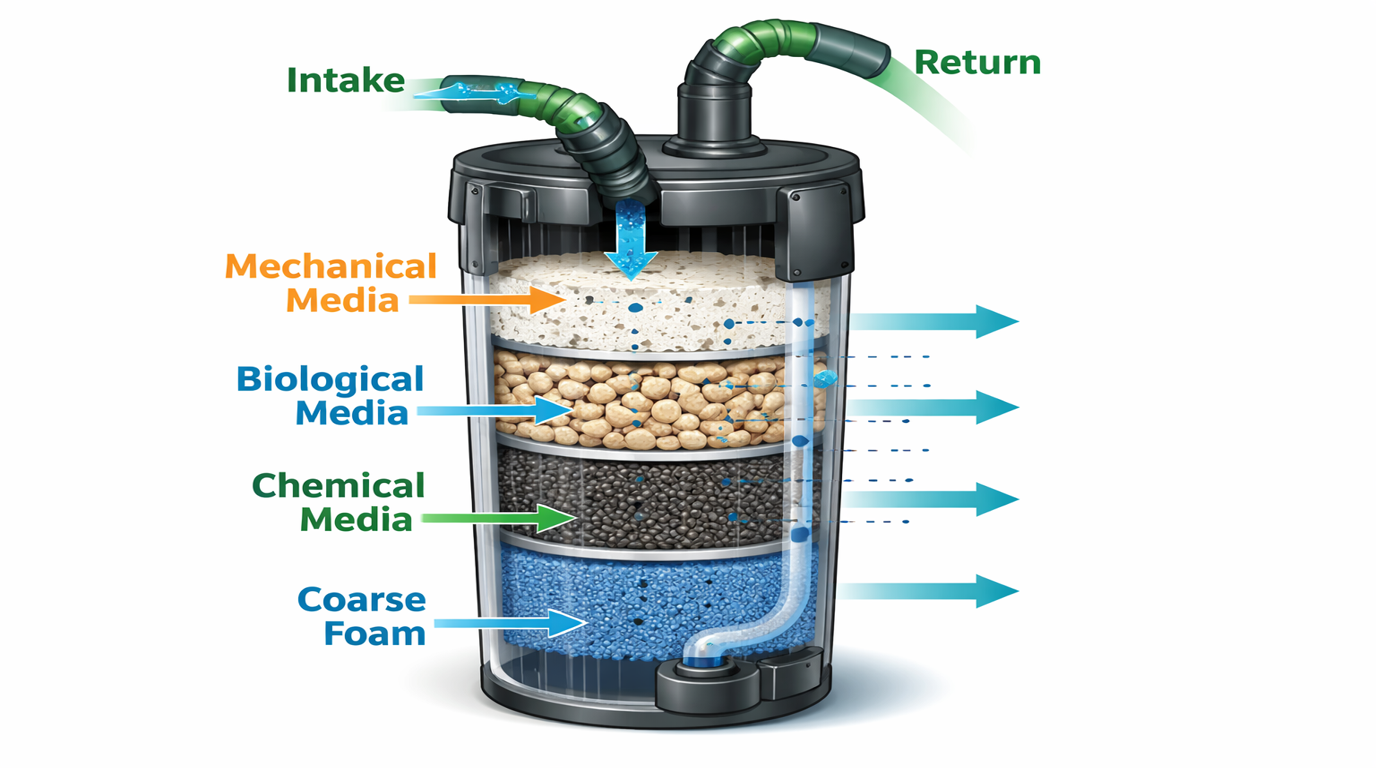
Filters Help, But They Have Limits
Filters work by circulating water and removing debris, but they are not designed to handle unlimited waste. If the filter is too small, clogged, or not maintained properly, its performance drops significantly. Dirty filter media can even worsen water quality if left unchanged for too long.
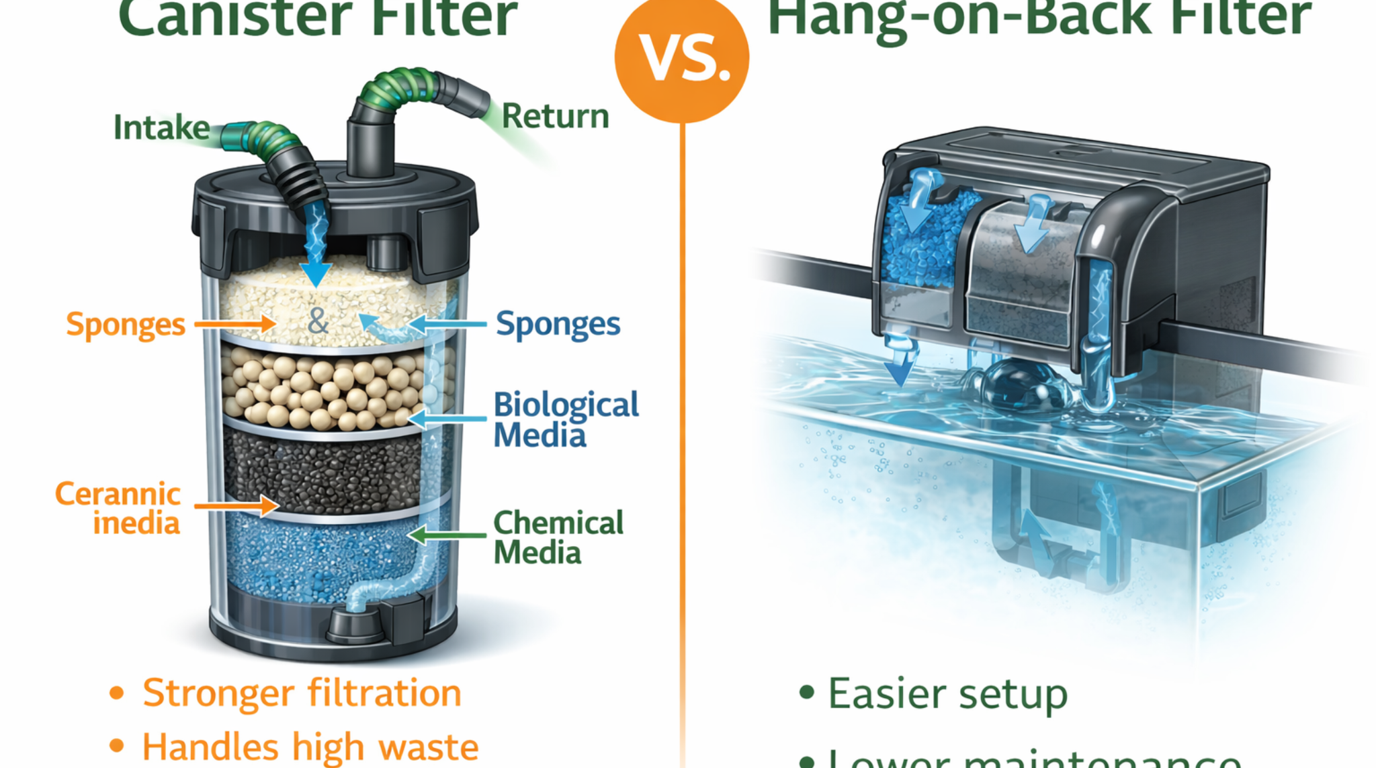
Filter Type Matters
Not all filters are equal when it comes to turtle tanks. Canister filters are typically better suited because they provide stronger filtration and hold more media. Hang-on-back filters are easier to use but often struggle with the high waste output of turtles unless used in smaller setups.
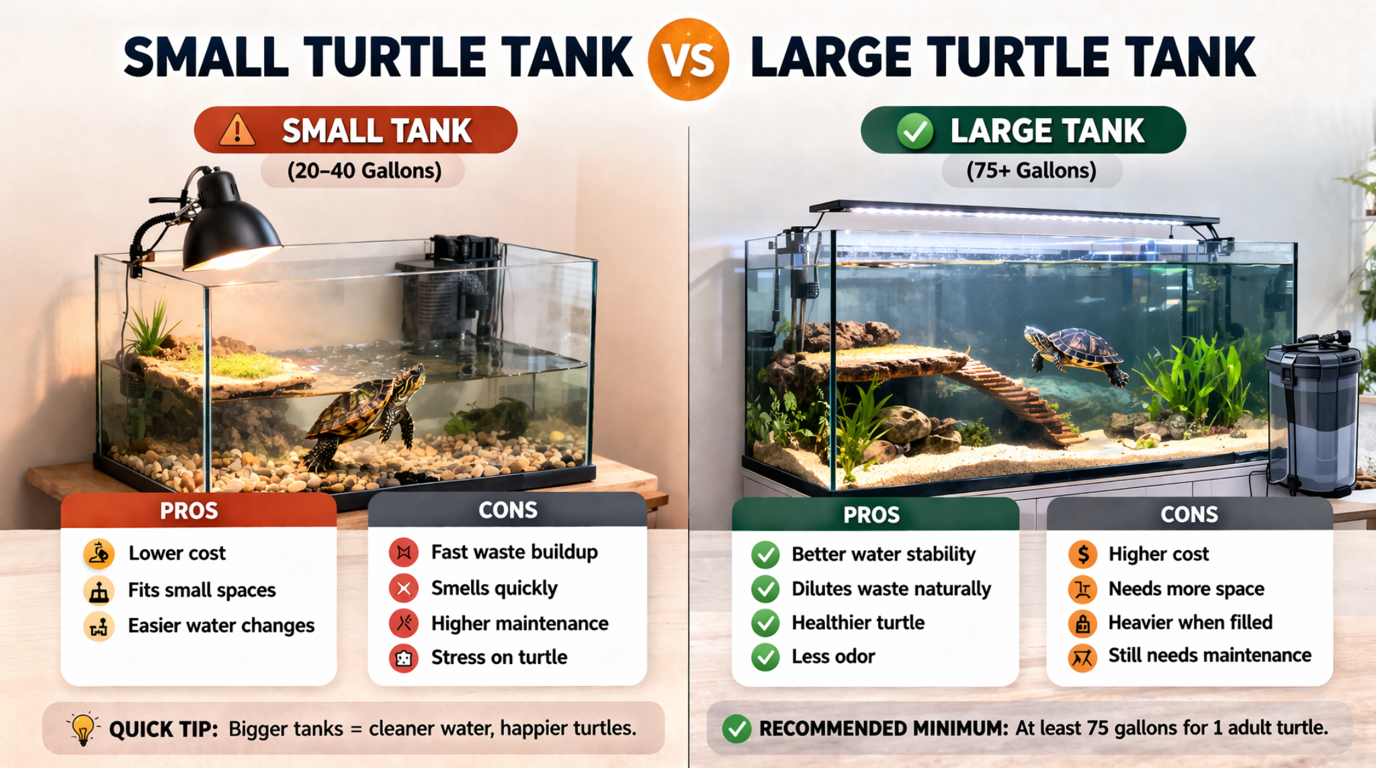
Tank Size Impacts Smell
Smaller tanks allow waste to concentrate quickly, which leads to faster odor buildup. Larger tanks dilute waste more effectively and provide better overall water stability. Increasing tank size is one of the simplest ways to reduce odor problems.
Maintenance Is the Real Solution
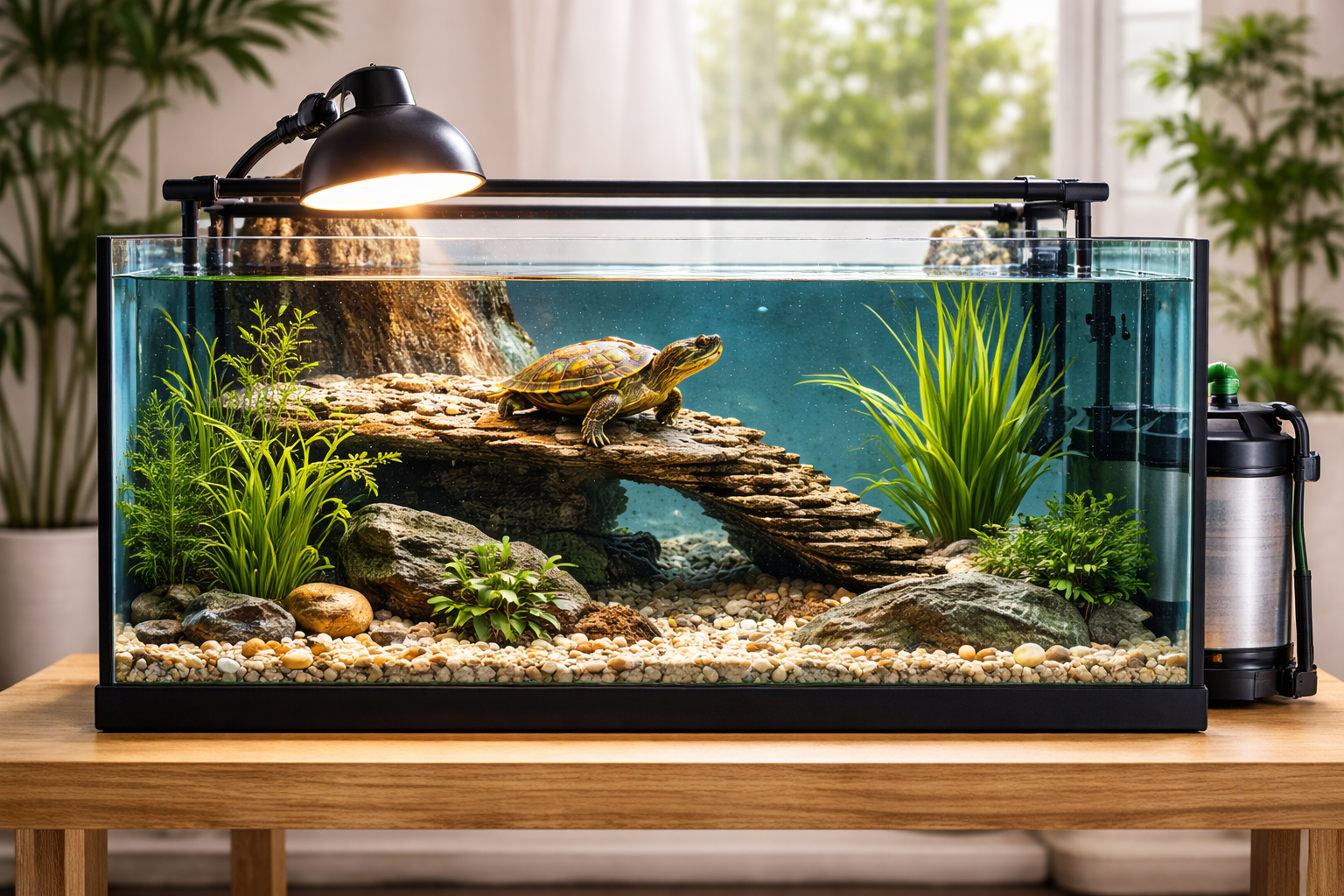
The most effective way to eliminate turtle tank odor is through consistent maintenance. Regular water changes, removing uneaten food, cleaning debris, and maintaining your filter system all work together. When combined with proper tank size and filtration, these steps keep your turtle habitat clean, healthy, and odor-free.