
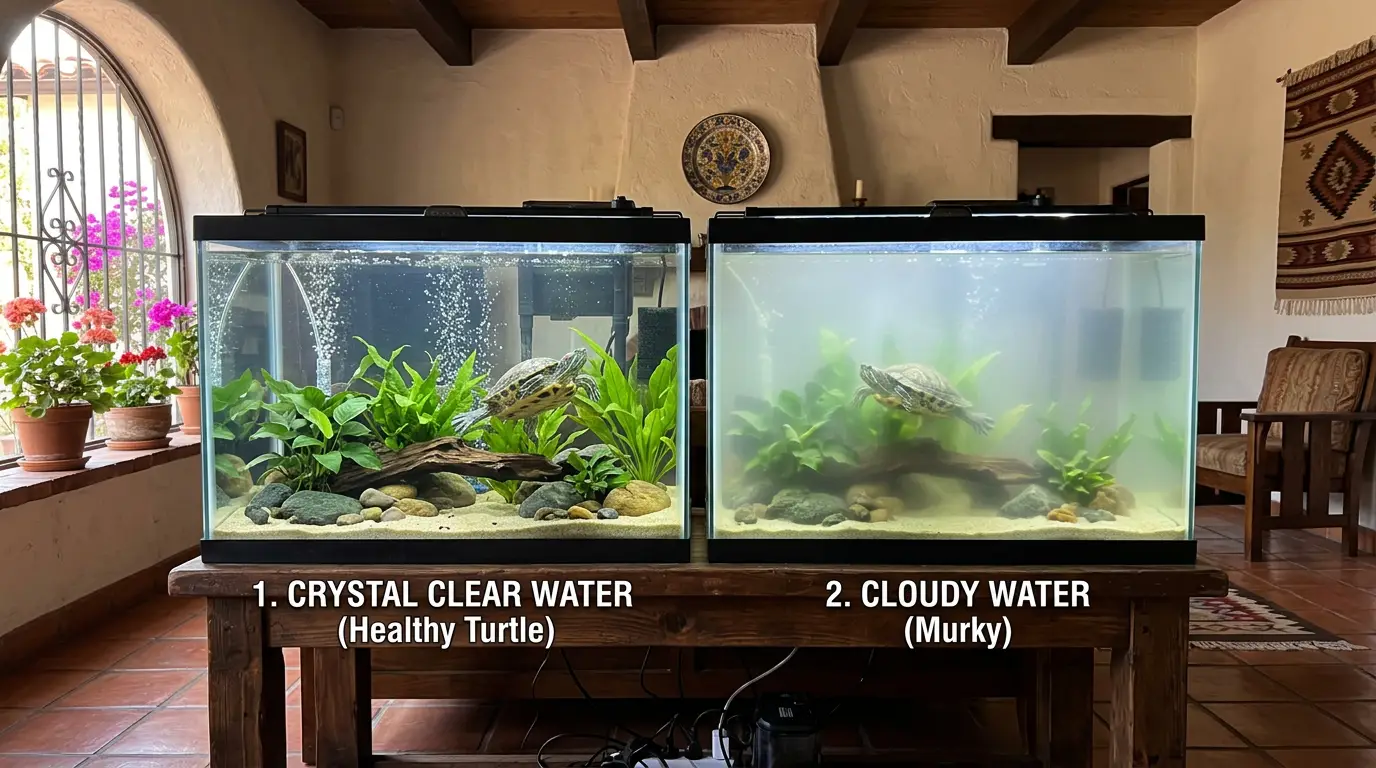
A smelly turtle tank can be frustrating, especially when the filter is running and the water still does not seem fresh. In most cases, the filter is not the only problem. Turtle tanks deal with a heavier waste load than many basic aquarium setups, so odor can build up when food, feces, shed skin, and debris collect faster than the system can remove them.
The good news is that turtle tank odor is usually fixable. You may not need to start over or replace everything. Most odor problems come down to a few simple things: too much waste sitting in the water, not enough filtration power, dirty filter media, a small tank, or a cleaning routine that is not keeping up with your turtle.
Waste Buildup Is the Main Cause
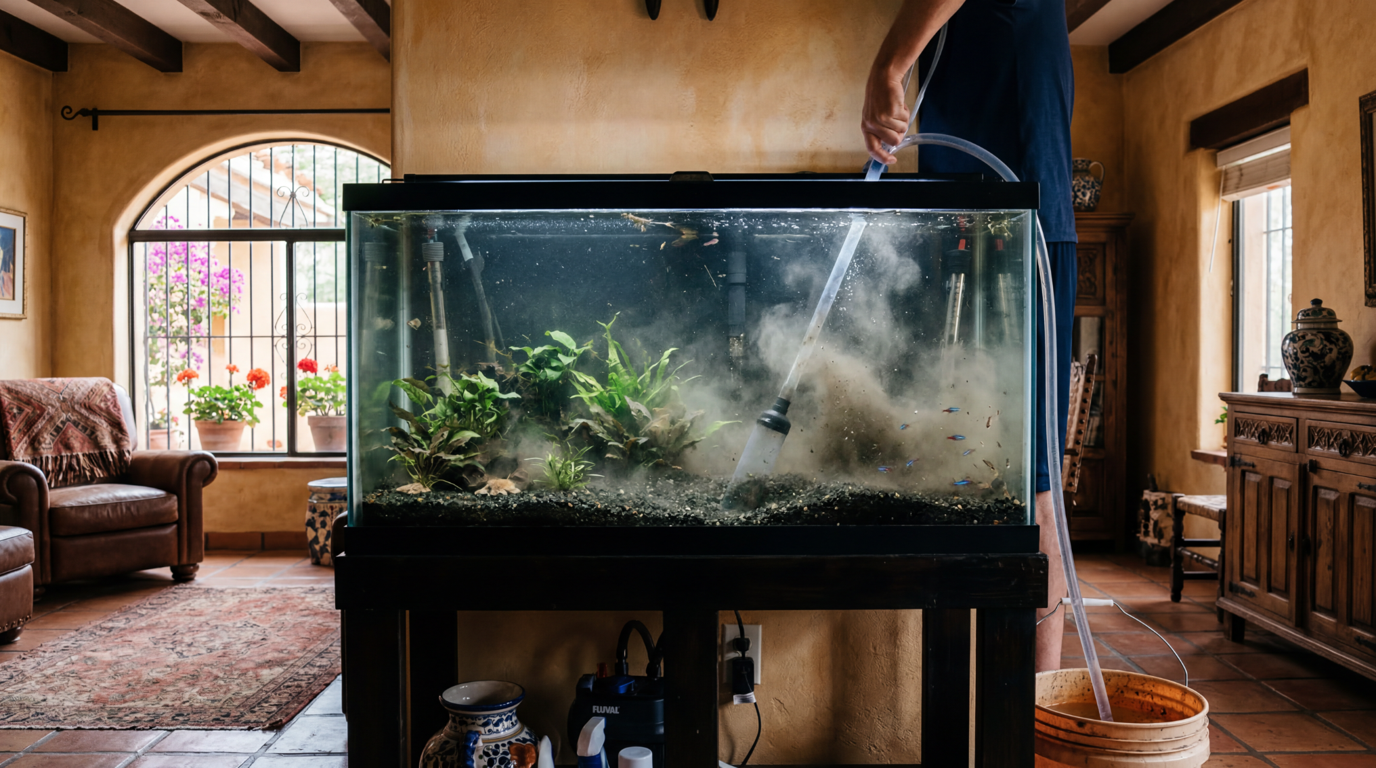
The most common reason a turtle tank smells is waste buildup. Turtles eat in the water, leave behind food particles, and produce a lot of waste for their size. When that material sits in the tank, it breaks down and can cause cloudy water, dirty surfaces, clogged filter pads, and a strong odor.
A tank can look mostly clean from the front but still have waste hiding behind decorations, under basking ramps, around filter intakes, or in corners where the water does not move well. That hidden debris is often what makes the smell come back quickly after cleaning.
Quick odor checklist
- Remove leftover food after feeding.
- Siphon visible waste from the bottom of the tank.
- Check behind decorations, rocks, ramps, and plants.
- Clean clogged mechanical filter pads before flow drops too much.
- Do partial water changes before the tank starts to smell.
Filters Help, But They Have Limits
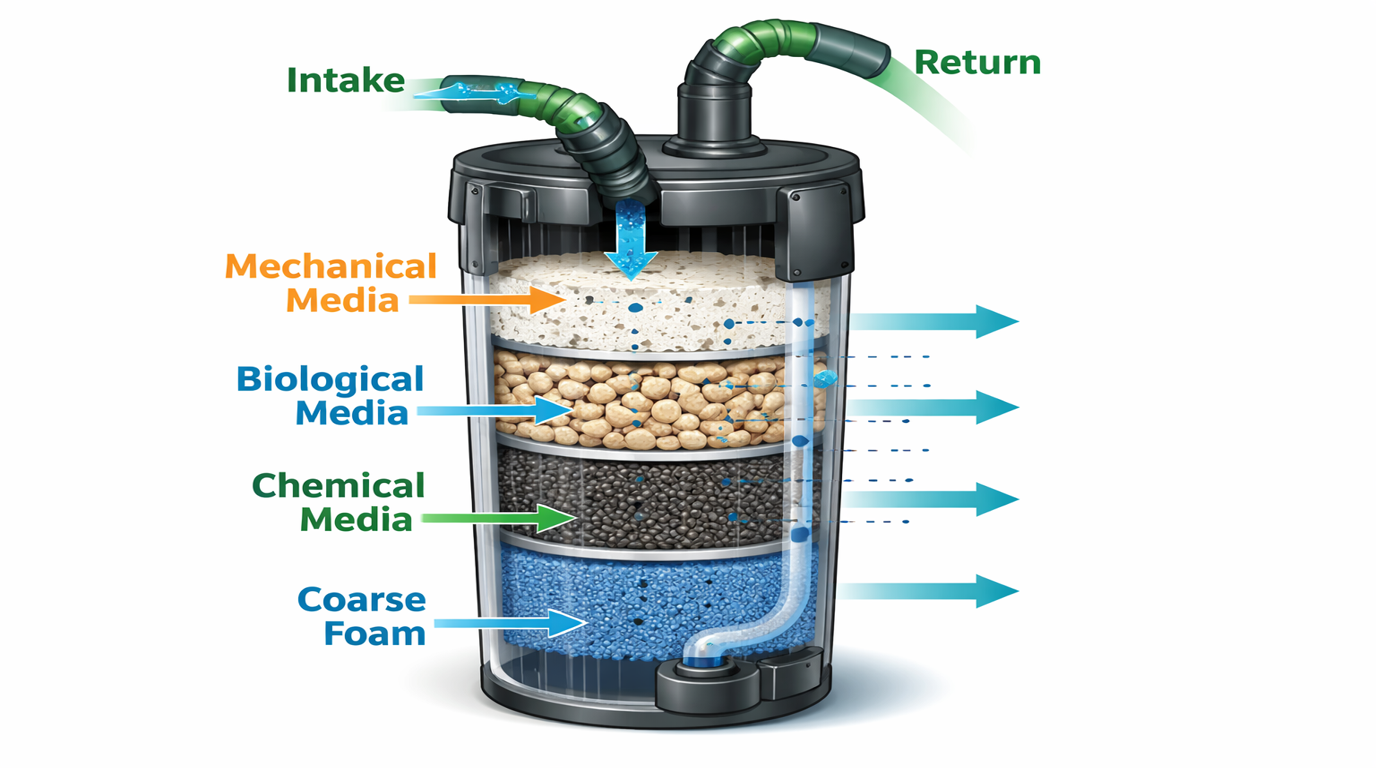
A filter is one of the most important parts of an aquatic turtle setup, but it cannot handle unlimited waste. The filter moves water, traps debris, and gives beneficial bacteria a place to live. Once the filter media becomes packed with waste, the flow drops and the tank can start smelling even though the filter is still turned on.
This is why filter maintenance matters. If the filter pad or sponge is clogged, water may not be passing through the media properly. The tank may still have movement on the surface, but the filter is not doing its job as well as it should.
When cleaning the filter, avoid replacing every piece of media at the same time unless there is a specific reason to do it. Rinse or replace dirty mechanical pads as needed, but try to preserve biological media so the tank does not lose too much beneficial bacteria at once.
Filter Type Matters
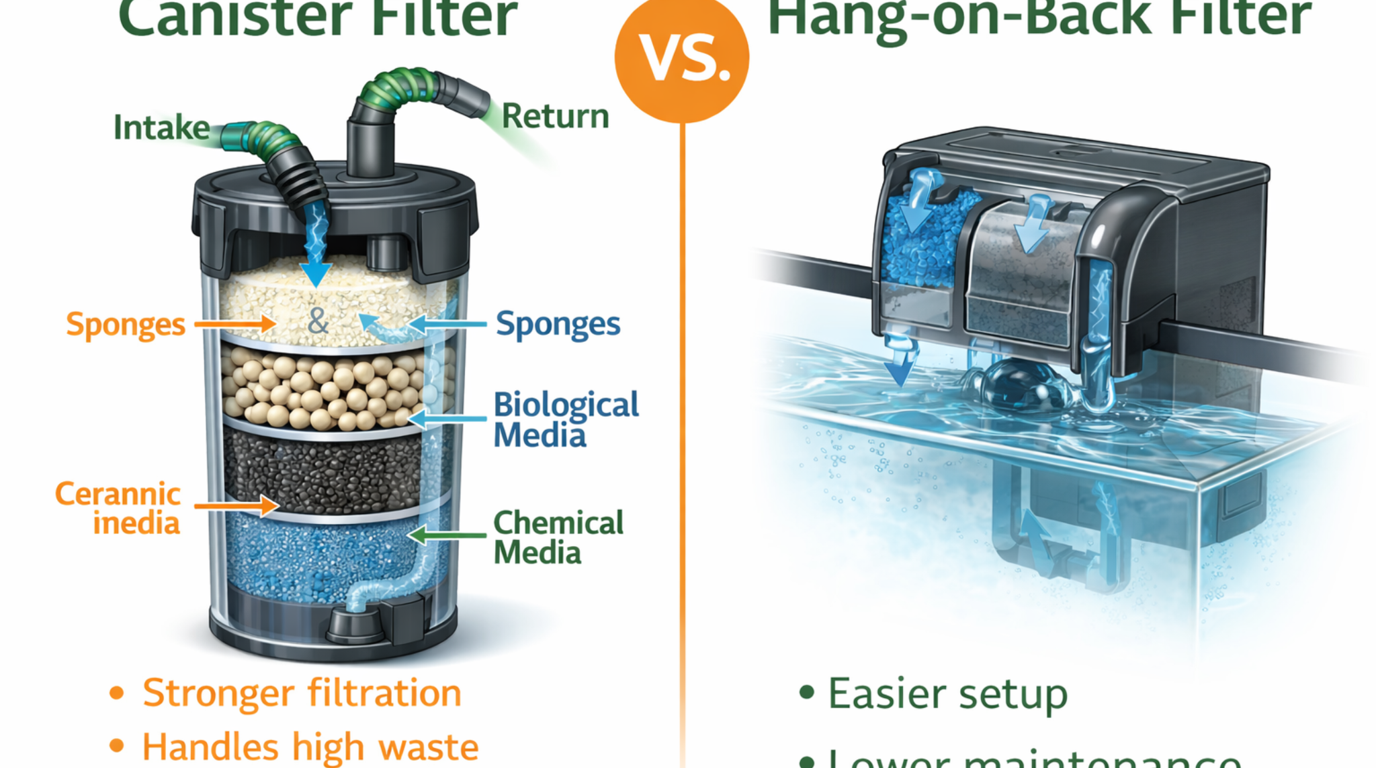
Not all filters are equally suited for turtle tanks. Hang-on-back filters are easy to use and can work in some smaller setups, but they often struggle when a turtle produces heavy waste or when the water level is lower than it would be in a fish aquarium.
Canister filters are usually a better fit for many turtle tanks because they hold more media and can provide stronger mechanical and biological filtration. They are not a cure by themselves, but they give the setup a better chance of keeping up with the waste your turtle creates.
If your tank smells soon after cleaning, or the water keeps turning cloudy, your filter may be too small for the habitat. A stronger filter, better media layout, and regular cleaning routine can make a noticeable difference.
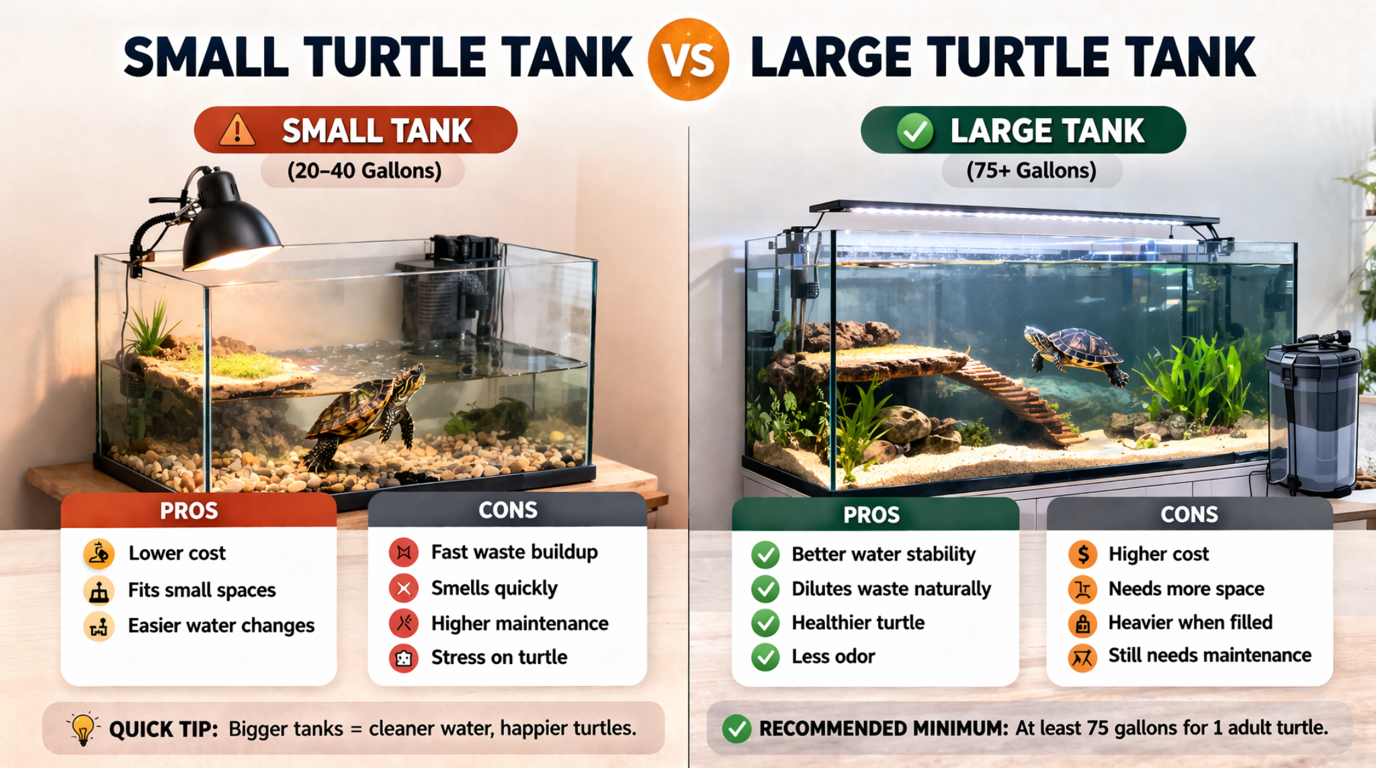
Tank Size Impacts Smell
Smaller tanks smell faster because waste becomes concentrated more quickly. A larger tank gives the water more volume, which helps dilute waste and makes the habitat easier to keep stable between cleanings.
A bigger tank does not mean you can skip maintenance, but it usually gives you more room for error. If the habitat is cramped, even a decent filter may struggle because there is not enough water volume to handle the waste load.
If you are cleaning constantly and the smell still comes back, look at the full setup: tank size, filter strength, water movement, feeding habits, and how much debris is collecting in low-flow areas.
Maintenance Is the Real Solution
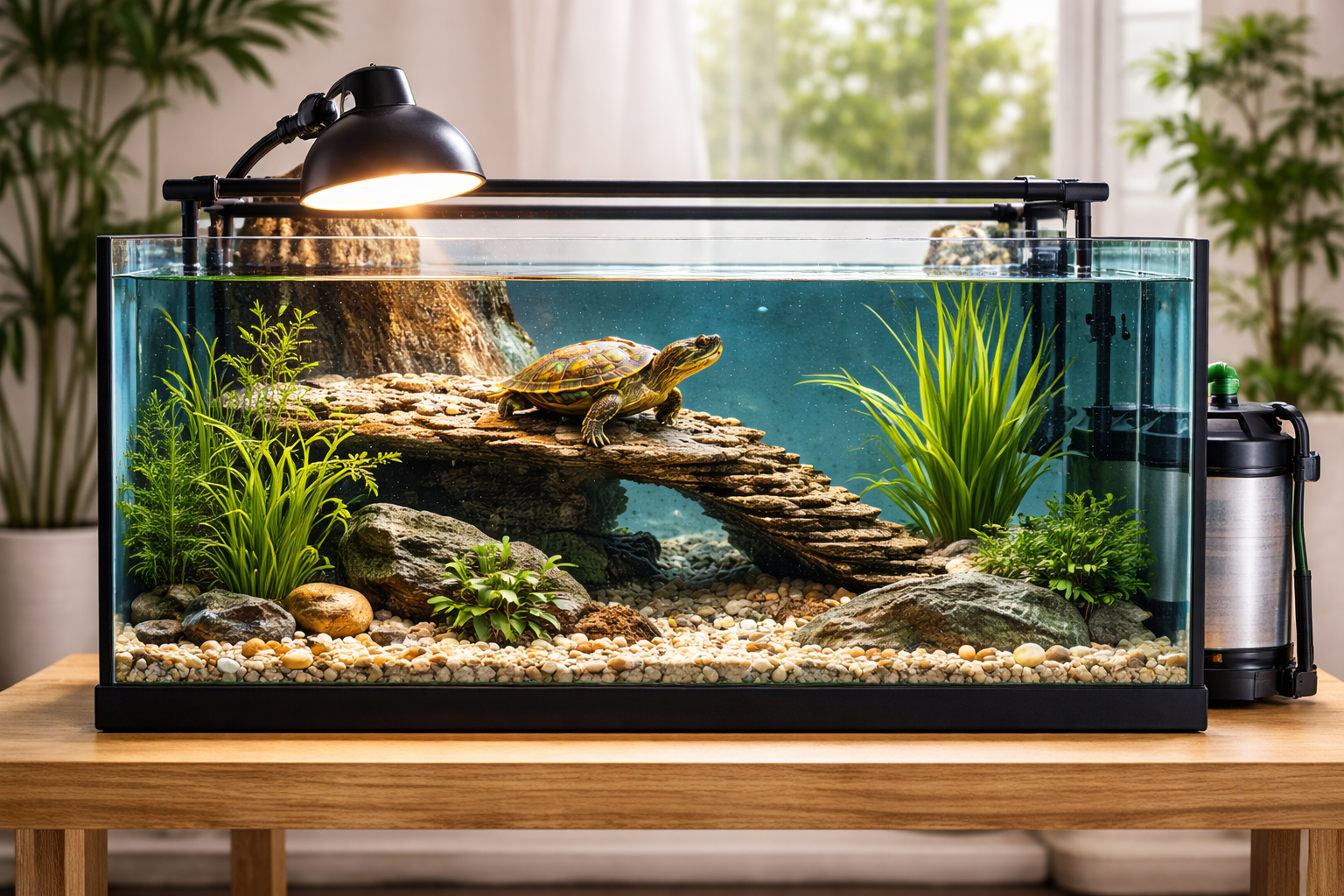
The best way to stop turtle tank odor is to stay ahead of the mess. Remove leftover food, siphon debris, keep the filter from clogging, and perform partial water changes on a consistent schedule. Waiting until the tank smells usually means waste has already built up too much.
A clean turtle tank is not about making the setup perfect every day. It is about building a simple routine that keeps waste from piling up. When the tank is the right size, the filter is strong enough, and the water is maintained regularly, the smell becomes much easier to control.
FAQ: Why Turtle Tanks Smell
Why does my turtle tank smell bad even with a filter?
The filter may be too small, clogged, dirty, or unable to keep up with the waste in the tank. Leftover food, turtle waste, and dirty filter media are some of the most common causes.
Is it normal for turtle tanks to smell?
A turtle tank should not have a strong odor when it is cleaned regularly and filtered properly. A mild earthy smell can happen, but a strong dirty smell usually means waste, leftover food, or dirty filter media is building up.
Can leftover food make a turtle tank smell?
Yes. Uneaten food breaks down in the water and can quickly lead to odor, cloudy water, and dirty filter media. Removing leftovers after feeding helps keep the tank cleaner.
Will a canister filter stop turtle tank odor?
A canister filter can help a lot because it usually holds more media and handles heavier waste better than many basic filters. It still needs regular maintenance and should be paired with water changes.
Does a small turtle tank smell faster?
Yes. Smaller tanks have less water volume, so waste builds up faster. A larger tank can make odor easier to control, especially when combined with a strong filter and steady cleaning routine.
How do I keep the smell from coming back?
Remove uneaten food, siphon waste, clean clogged filter pads, avoid overfeeding, and do partial water changes before the tank starts to smell. Consistency is what keeps the odor under control.