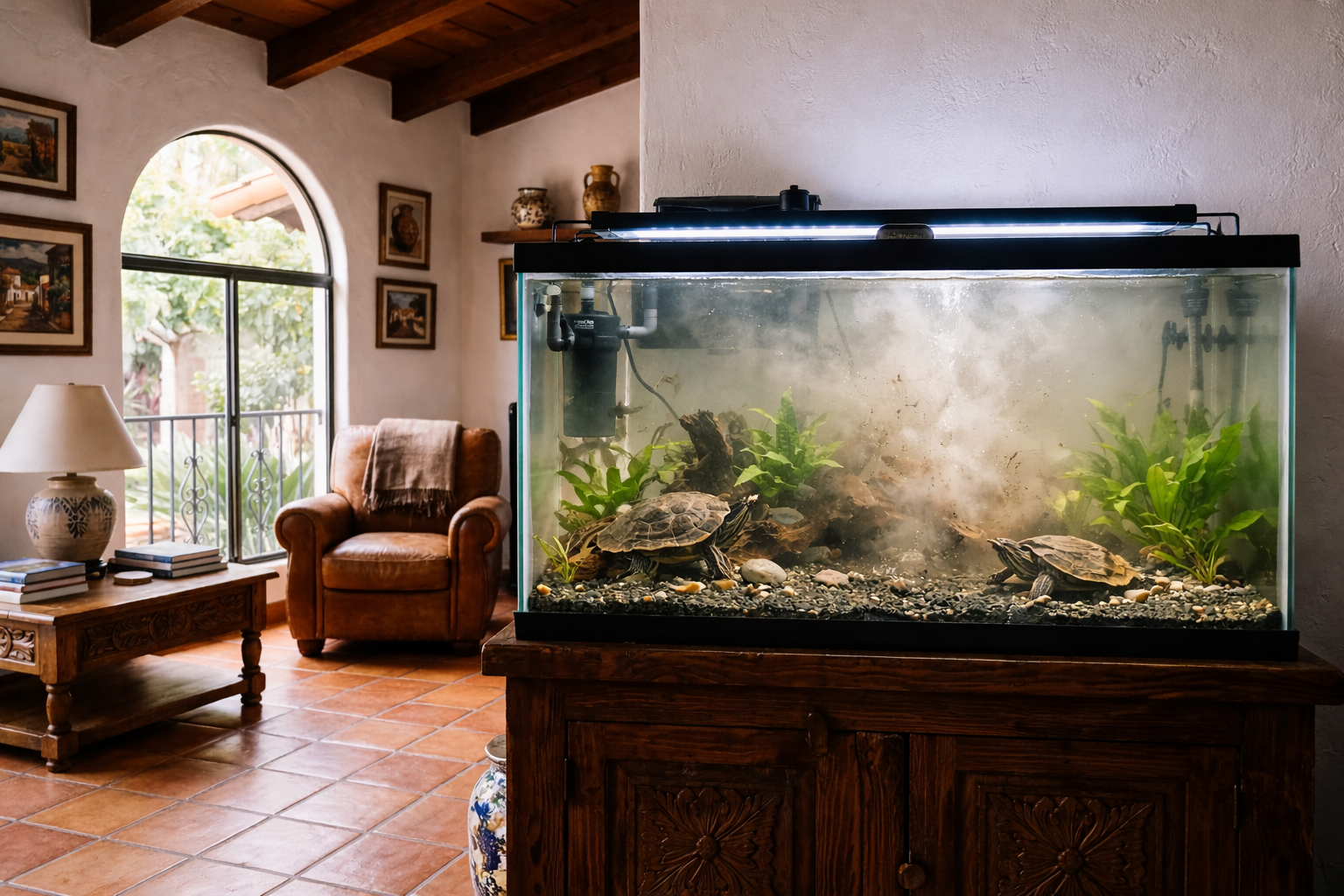
Explore Aquatic Turtle Filtration Guide
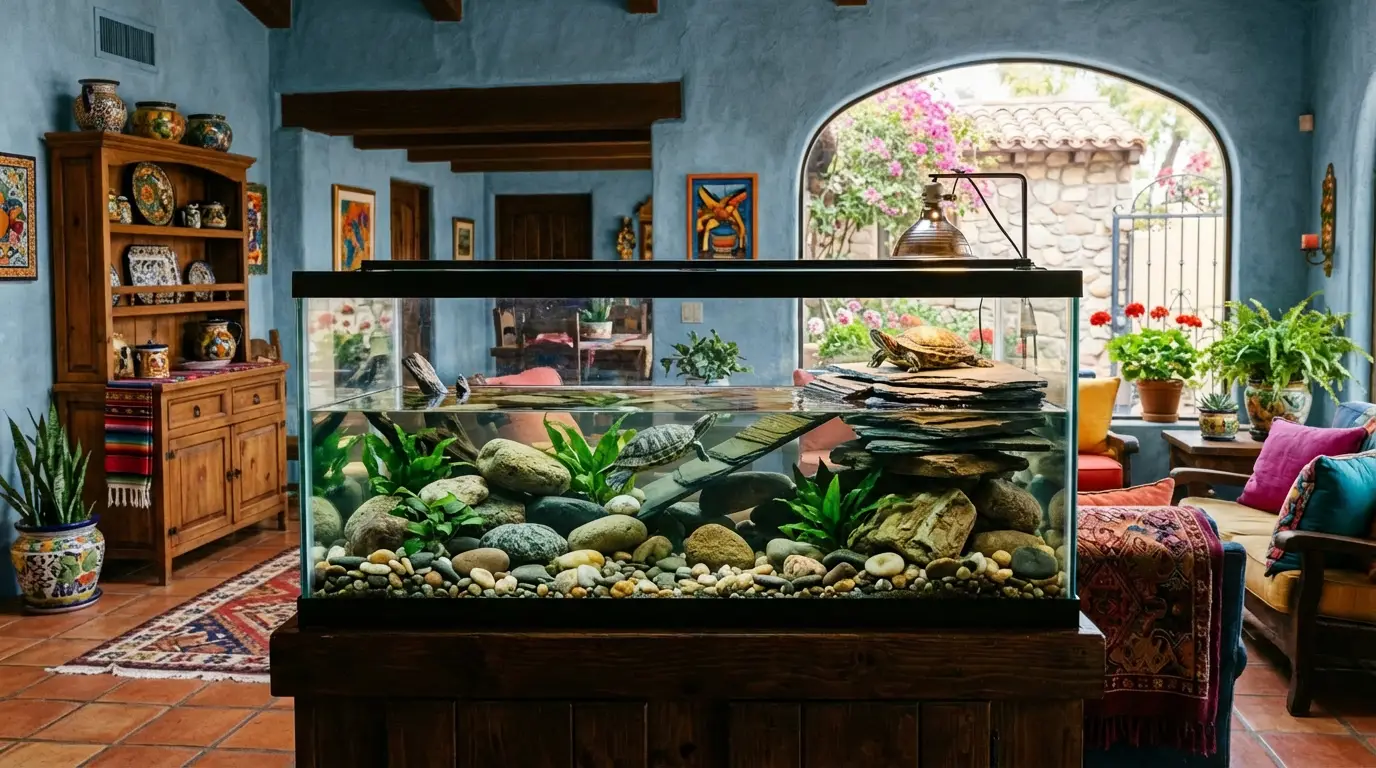
Filtration is one of the most key factors in the construction of an aquatic turtle habitat․ Because turtles produce more waste than most aquarium fish‚ a strong‚ reliable filtration system is necessary to efficiently filter out debris and to encourage the growth of helpful bacteria in the tank between water changes․ By knowing the types of filtration systems available‚ turtle keepers can select the right one for their tanks‚ their turtles‚ the waste they produce‚ and their long-term plans․
If your tank still smells even with equipment running, you may want to read our guide to
why your turtle tank smells even with a filter.
Affiliate Disclosure: As an Amazon Associate, we earn from qualifying purchases. We may earn a small commission at no extra cost to you.
Our top turtle filter picks based on waste handling, durability, and owner reviews.
Quick Picks: Best Turtle Tank Filters
Fast tip: Match the filter to the “job.”
Messy adult turtles usually need oversized canisters, bigger tanks need strong turnover,
owners wanting clearer water benefit from polishing support, and starter setups still need more filtration than most fish tanks.
How to Choose the Right Turtle Tank Filter
The most important aspect of an aquatic turtle habitat is the filter․ Almost all species of turtle produce more waste than fish and therefore well filtered and aerated water is necessary to maintain a healthy environment for turtles․ A good filter will help keep the water at a safe and healthy level for your turtles‚ so knowing what to look for in a filter and how to choose one is useful knowledge to have as a turtle owner․
How We Choose the Best Turtle Tank Filters
Not all aquarium filters are suitable for turtles․ Aquatic turtles produce much more solid waste than most fish‚ and usually require stronger mechanical filtration and a larger filter media volume․ Filters we have recommended in this guide have been chosen for their waste handling capability‚ reliability‚ ease of cleaning‚ and their suitability for turtle bioloads․
Other considerations include flow rate‚ volume of filter media‚ ability to collect mechanical debris‚ ability to provide biological surface area‚ ease of access for maintenance‚ and ability of the filter to perform well under the added demands of a turtle tank․ We tend to favor filters that ease maintenance needs and help keep the water clearer․
We will be focusing on filtration systems that allow for better water quality and less frequent maintenance so that turtle keepers can more easily choose realistic setups for long-lived aquatic turtles․
Tank Size
Choose a filter rated for more water volume than your turtle tank actually holds. Turtle tanks usually need oversized filtration compared to fish tanks.
Waste Load
Larger turtles and heavier feeding routines create more debris. The filter should be able to handle solid waste and still provide room for biological media.
Maintenance Needs
Some filters are much easier to open, rinse, and restart than others. Consider how often you are willing to clean media and service the filter.
Browse by Filter Type
Tap a button to jump to that filter type. Each section includes quick picks and what to look for.
Canister Filters
Best overall choice for most aquatic turtle tanks.
Jump to CanisterInternal Filters
Compact support options for smaller or temporary setups.
Jump to InternalPolishing & Add-On
Extra clarity support for fine debris and suspended waste.
Jump to PolishingBiological Support
Media capacity helps stabilize messy tanks.
Jump to BioCanister Filters
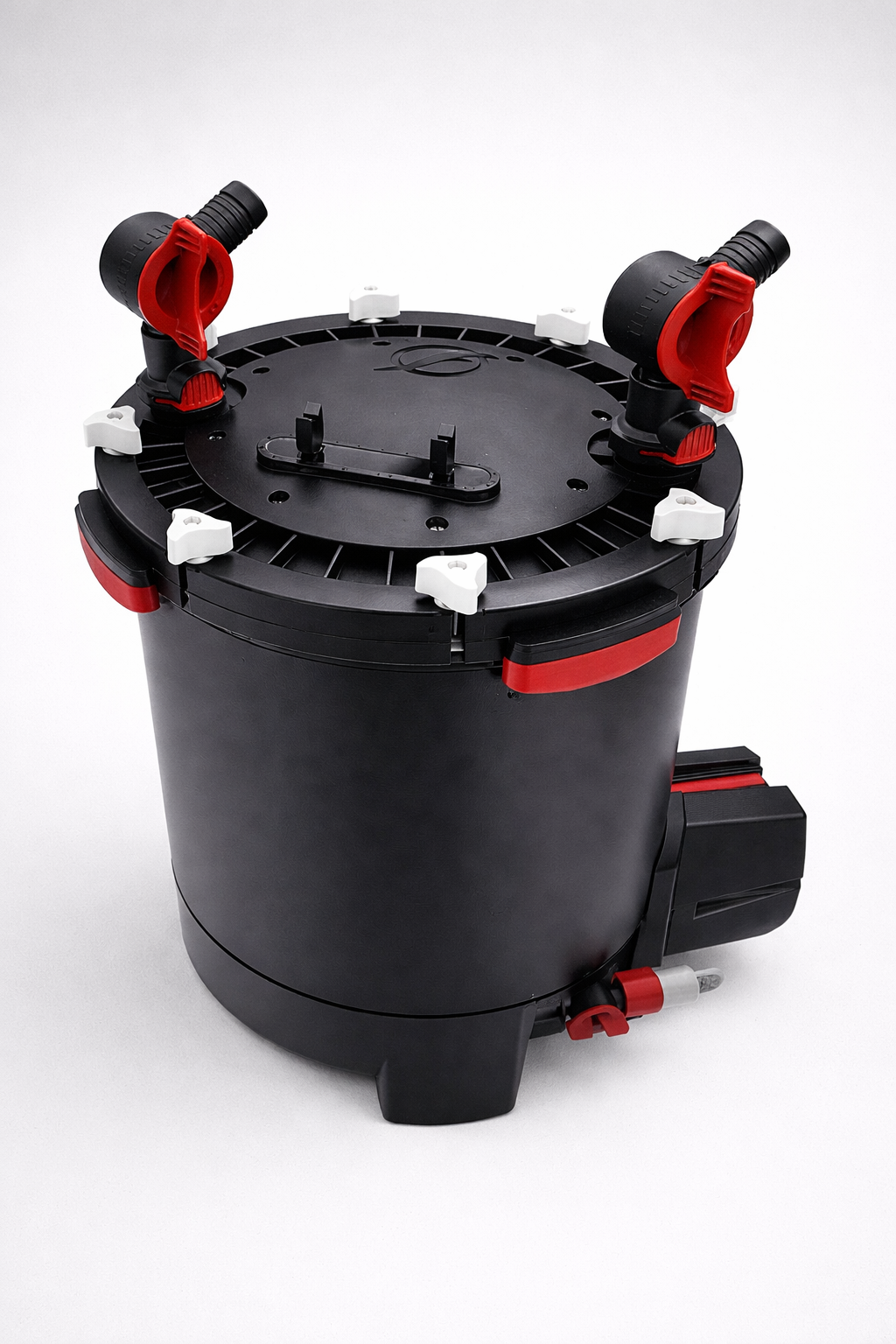
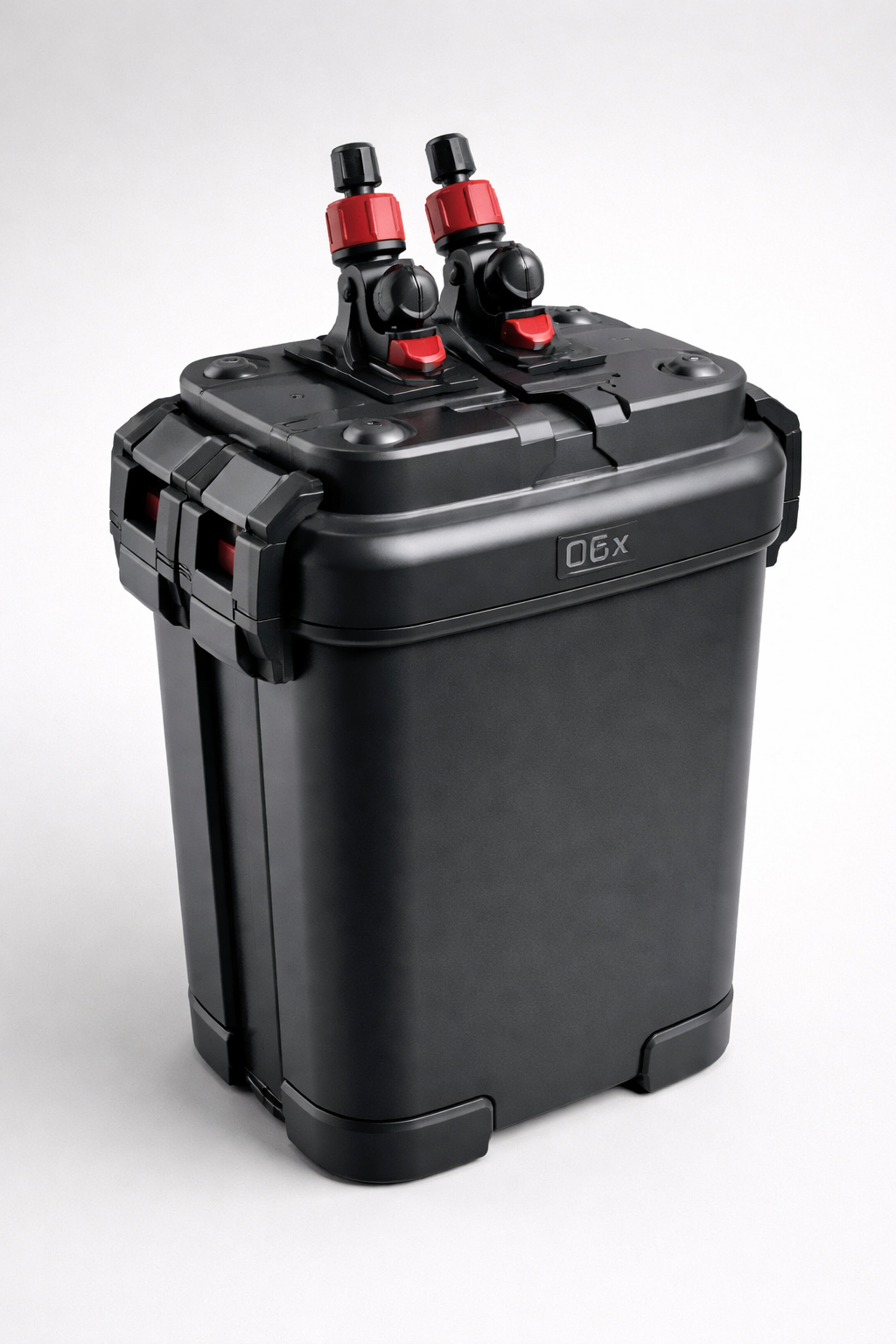
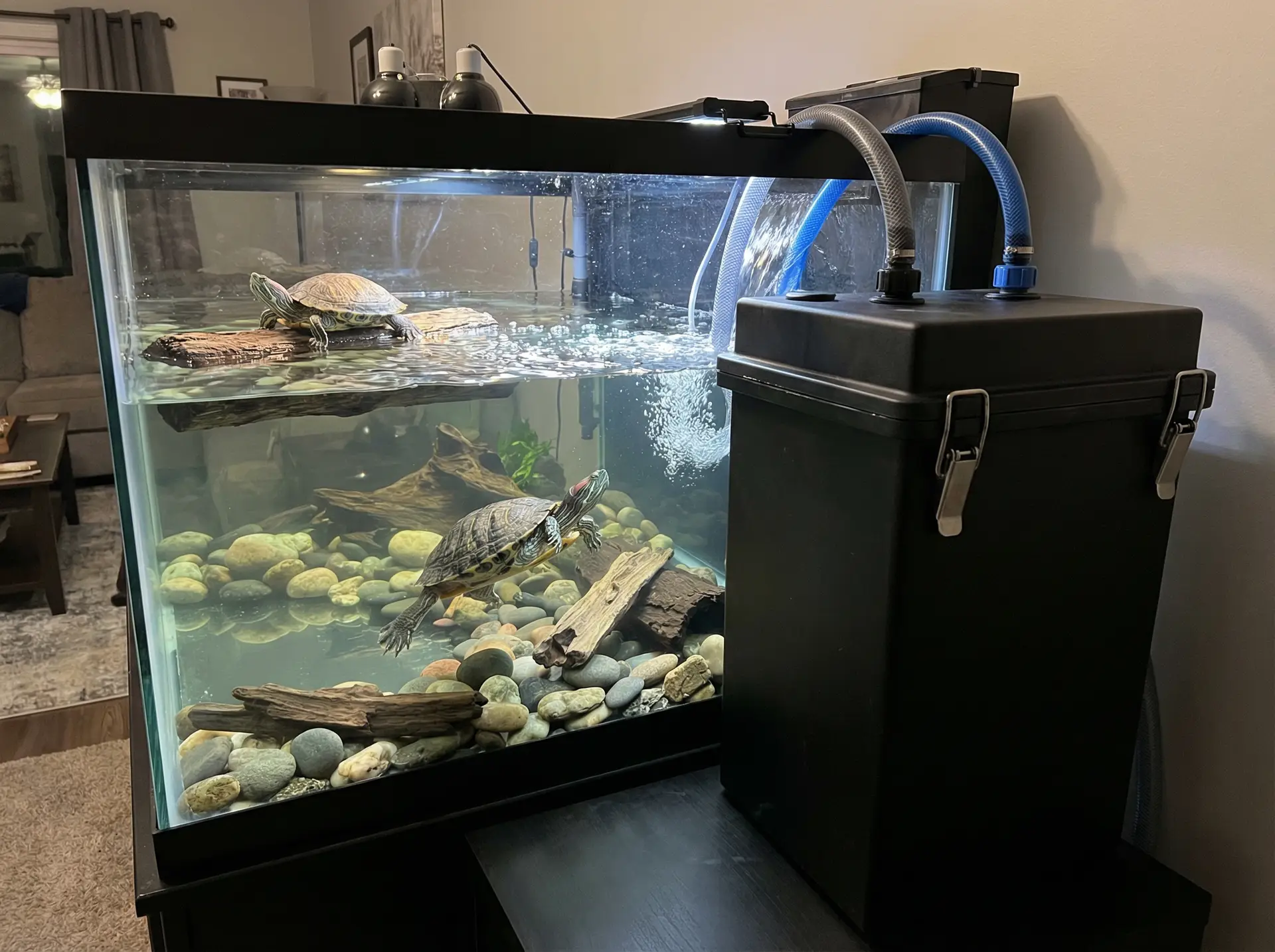
Canister filters are considered the best type of filter for aquatic turtle tanks because they offer more mechanical filtration‚ more space for biological media‚ and a larger total waste load․ This is helpful because turtles are very dirty animals‚ and canister filters with their many media baskets and greater power make it easier to keep water clear․ A canister filter is often the best long-term choice for larger turtle habitats․
Heavy-Duty Canister
- Best all-around for turtle waste
- More media capacity
- Great long-term main filter
Check price on AmazonHigh Flow Canister
- Better for larger tanks
- Improves turnover and circulation
- Useful for adult turtles
Check price on AmazonQuiet Canister Filter
- Better for indoor living spaces
- Good balance of power + noise control
- Practical for display tanks
Check price on AmazonLarge Tank Filters
As the size of a tank setup for aquatic turtles increases‚ the quantity of waste produced also increases and adequate filtration becomes more important․ In such instances‚ the strength of the flow‚ amount of media‚ and ease of maintenance become even more important․ Large tanks may be best served by a filter with a large amount of media․
Large Capacity Canister
- Made for bigger enclosures
- More media and better turnover
- Best for adult turtles
Check price on AmazonDual Filter Setup
- Adds redundancy and more cleanup power
- Useful in very messy tanks
- Better circulation across long tanks
Check price on AmazonHigh Turnover System
- Moves more water per hour
- Helps reduce debris buildup
- Good for large basking setups
Check price on AmazonInternal Filters
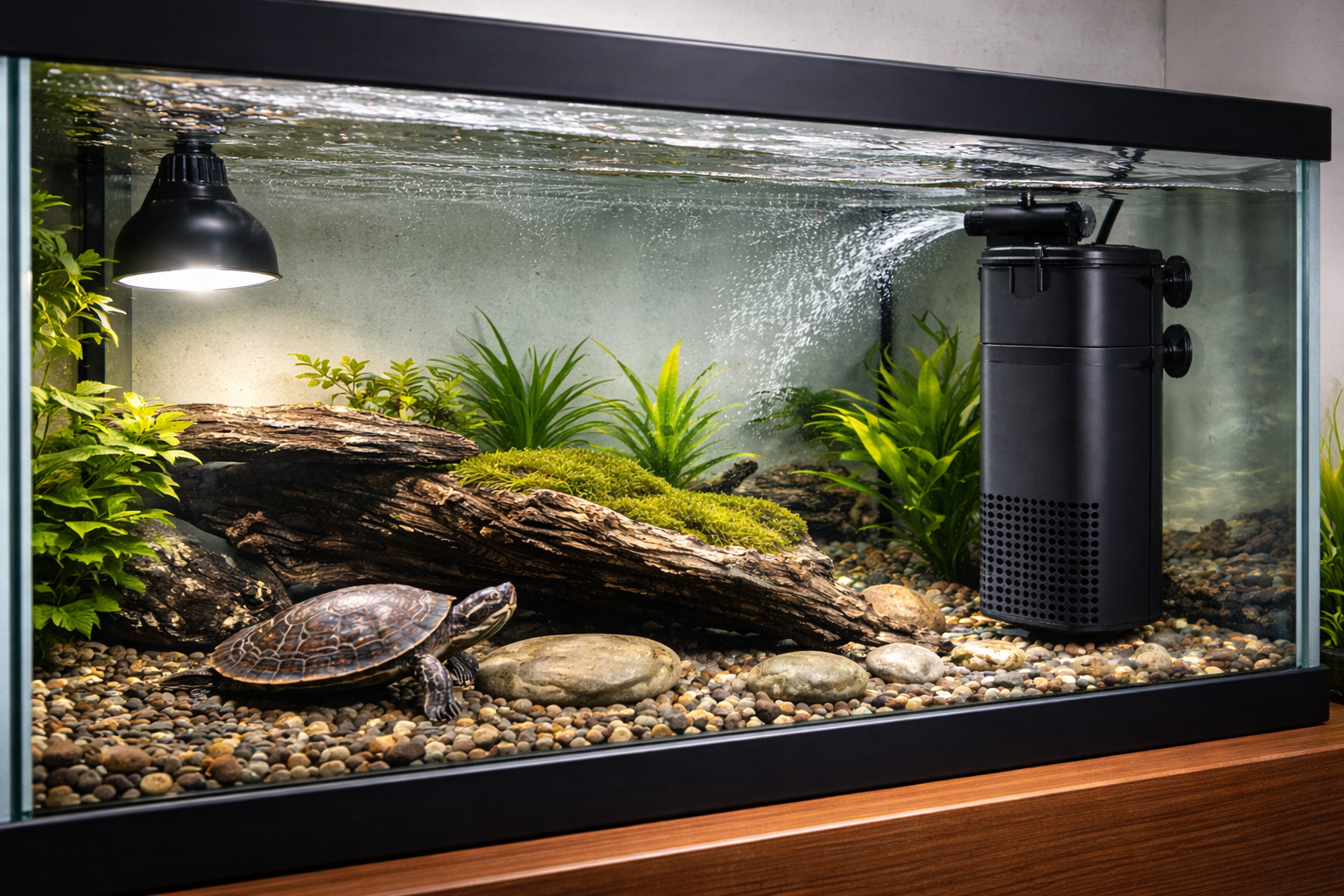
Internal filters are compact units that sit inside the enclosure and can be useful for smaller turtle setups, temporary tanks, grow-out enclosures, or as supplemental filtration. While they usually do not replace a strong canister in larger turtle habitats, they can help improve circulation and mechanical cleanup in more limited spaces.
Compact Internal Filter
- Works for smaller temporary setups
- Simple install + use
- Useful as support filtration
Check price on AmazonHigh Output Internal
- More circulation than basic models
- Better for heavier waste than small units
- Still limited for big adults
Check price on AmazonInternal Filter with Spray Bar
- Improves water movement
- Can spread flow more evenly
- Helpful in narrower tanks
Check price on AmazonMaintenance & Cleanup
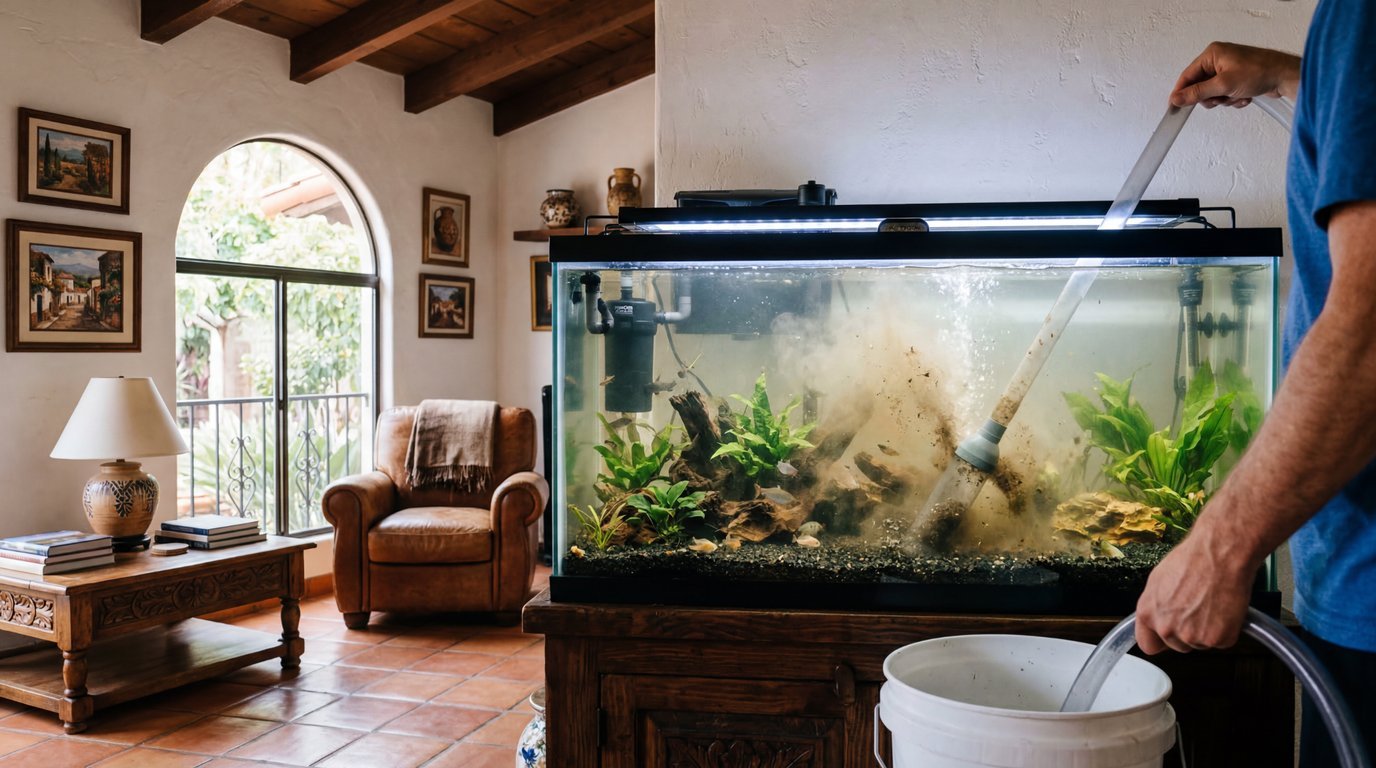
Turtle tanks need more cleanup than many people expect. Good filtration helps, but regular debris removal, media rinsing, and equipment checks still matter. Helpful maintenance tools and habits can make a turtle tank much easier to keep cleaner between full water changes and deeper cleanings.
Pre-Filter Cleaning Routine
- Helps main filter last longer
- Quick debris removal step
- Reduces clogging pressure
Check price on AmazonWaste Vacuum Tool
- Removes settled debris faster
- Useful during water changes
- Helps clearer water between cleanings
Check price on AmazonImpeller Service Kit
- Helps restore noisy or weak filters
- Useful for routine service
- Keeps flow more consistent
Check price on AmazonPolishing & Add-On Filters
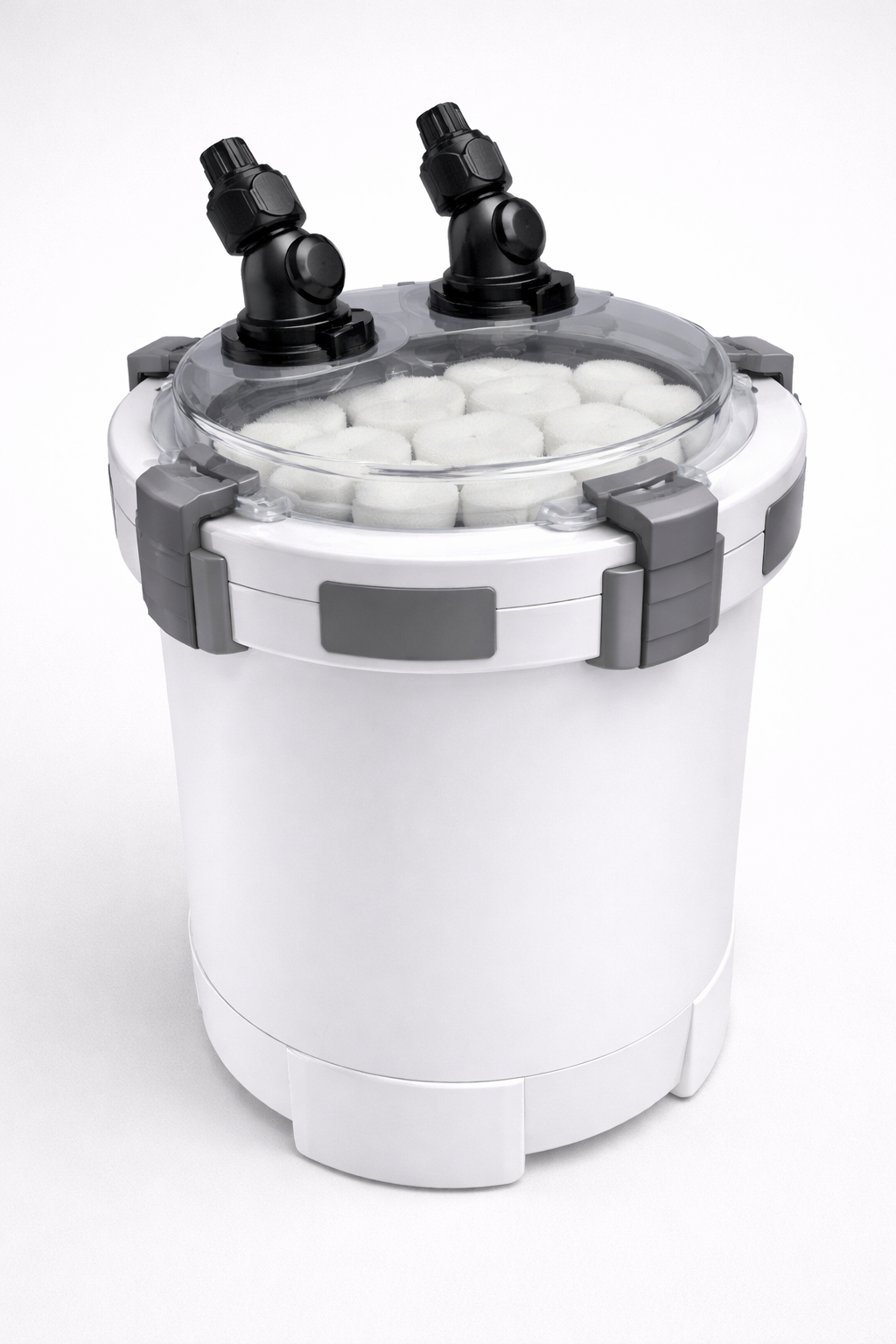
Depending on the tank filtration‚ turtle tanks may get suspended particulate matter‚ fine detrital waste and turbidity in between cleanings‚ which can be removed from the aquarium water by a polishing filter or an additional tank filter․ Not usually a replacement for primary filtration‚ they can make a visible difference in the appearance of the water․
Water Polishing Unit
- Traps fine suspended debris
- Helps clearer water appearance
- Best used as support
Pre-Filter Sponge Add-On
- Catches larger debris first
- Protects main filter intake
- Easy to rinse often
Fine Floss Add-On Chamber
- Good for water polishing
- Improves visible clarity
- Needs regular replacement
Biological Support
In turtle tanks, biological filtration support is important because ammonia and waste can build quickly. More bio media capacity can help stabilize water chemistry and support beneficial bacteria that convert toxic waste products into less harmful forms. Strong biological support works best when paired with good mechanical waste removal and routine maintenance.
Ceramic Media Basket
- Adds more bacteria surface area
- Great inside canisters
- Useful for long-term stability
Bio Sponge Chamber
- Easy to rinse without full replacement
- Helps support bacteria colonies
- Good in multi-stage filters
Expanded Media Upgrade
- Increases usable filter capacity
- Helps messy tanks stay more stable
- Best with oversized filters
Juvenile Turtle Filters
Juvenile turtles still create a surprising amount of waste, but their setups may use shallower water or smaller temporary enclosures. Filtration for younger turtles should still be strong enough to manage debris, but it should also make sense for the tank’s size and water level. Oversized but adjustable systems often work well if flow can be managed safely.
Compact Canister Option
Better waste handling than weak starter filters.
Adjustable Internal Filter
Useful when water depth or flow needs more control.
Pre-Filtered Starter Setup
Helps catch bigger debris before it overloads the main unit.
Flow Around the Basking Area
Water movement matters in turtle tanks, but the flow should not interfere with access to the basking platform or create constant splashing where it is not wanted. Filter returns and spray bars should be positioned so the turtle can move comfortably while the tank still benefits from decent circulation and surface movement.
Directed Return Flow
Moves water without blasting the basking zone.
Spray Bar Output
Spreads circulation more evenly across the tank.
Flow Control Attachment
Useful when current needs to be softened or redirected.
Filter Maintenance Tips
Keeping turtle tank filtration working well requires a routine. Mechanical media can clog quickly in messy enclosures, intakes can collect debris, and impellers may need cleaning more often than in lighter stocked fish tanks. Regular service helps maintain flow and keeps the filter from turning into a weak point instead of a solution.
Rinse Mechanical Media Often
Helps keep debris from choking off flow too quickly.
Check the Intake and Tubing
Prevents hidden clogs that reduce filtration power.
Service the Impeller
Restores output and helps keep the unit quieter.
Helpful Aquatic Turtle Articles

Why Your Turtle Tank Smells Even With a Filter
A turtle tank can still smell bad even when a filter is running if waste is overwhelming the system, media is dirty, or maintenance habits are not keeping up with the turtle’s bioload. Understanding the cause helps you fix the real problem.
Turtle Filter Safety Tips
Always choose filtration strong enough for the turtle’s waste load and tank size. Weak filtration often leads to dirty water, odor buildup, and more difficult maintenance.
Inspect intakes, tubing, seals, and media regularly. Make sure the turtle cannot dislodge equipment easily or get stuck around poorly protected intake areas.
Filter Safety (Read This)
- Oversize the filter: Turtle tanks usually need stronger filtration than fish tanks.
- Protect exposed intakes: Prevent accidents and reduce debris entering too fast.
- Do not neglect clogging: Turtle waste can overwhelm media quickly.
- Secure hoses and returns: Strong turtles may bump or shift equipment.
- Watch for leaks and weak flow: Routine inspection prevents bigger problems later.
Related Aquatic Turtle Guides