
CAT TROUBLESHOOTING
Why Does My Cat Overgroom?
Repeated licking, chewing or scratching, hair loss or raw skin needs veterinary assessment. The pattern can guide observations, but cannot distinguish a behavioral cause from a medical one at home.
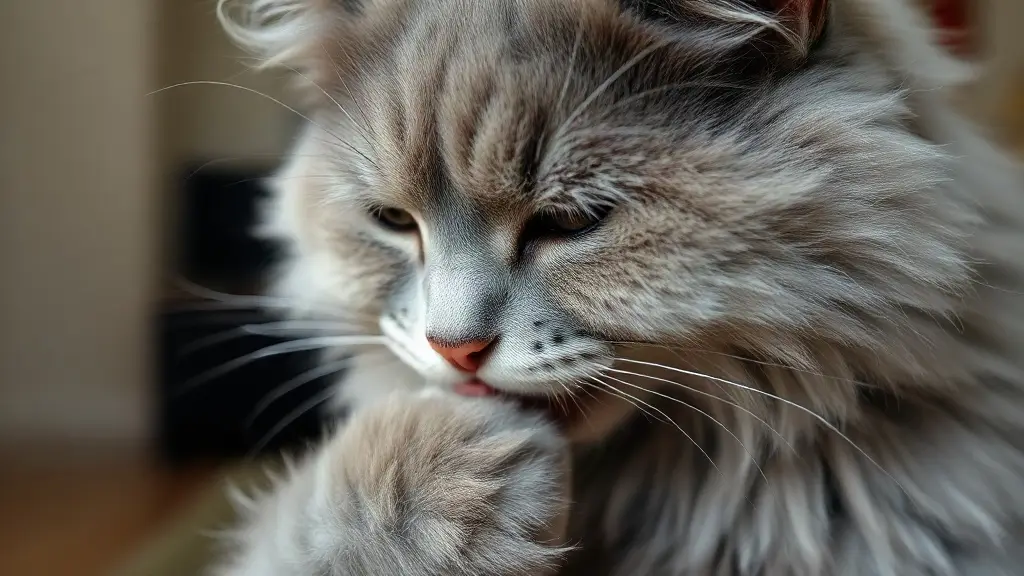
Excessive grooming can look subtle at first — a thinning patch here, a little extra licking there.
Grooming is normal, but repeated licking with hair loss, skin damage or interference with daily activity deserves assessment. Health and environmental factors can overlap.
Common Causes of Overgrooming
Stress or Anxiety
Stress may contribute after medical causes have been assessed. Hair-loss symmetry alone does not establish a stress diagnosis. Review routine and retreat space with your veterinarian.
Discuss suspected stress with your veterinarian. A resting space or pheromone product may be considered as part of a plan, but does not establish the cause or guarantee relief. Review the linked product’s actual instructions. Check Price on Amazon
Allergies — Food or Environmental
Allergies can contribute to itchy skin, but grooming location or season alone does not identify an allergen. Let your veterinarian direct any investigation or diet trial rather than selecting a food from the pattern alone.
Fleas or Parasites
Parasites can contribute to itching. A flea comb may help you record findings, but a clear pass does not exclude fleas or other parasites; ask your veterinarian about assessment and appropriate prevention. Check Price on Amazon
Skin Irritation or Pain
Pain may contribute to repeated licking, including a targeted spot. Report the location and any changes in movement, appetite or litter-box use to your veterinarian.
Boredom or Compulsive Behavior
Consider routine, play and accessible resting spaces alongside veterinary assessment. Do not label repeated grooming compulsive or assume enrichment alone addresses its cause.
Underlying Medical Conditions
Several health problems can affect skin or grooming. Report other changes, even subtle ones; the absence of obvious additional signs does not exclude a medical cause.
What to Do About It
- Arrange veterinary assessment for excessive grooming or skin changes; do not rely on appearance alone to rule out medical causes.
- Record any flea-comb findings and ask your veterinarian about parasite assessment; a comb pass does not rule parasites out.
- Identify and reduce sources of household stress, such as changes in routine, new pets, or lack of safe retreat spaces.
- Add enrichment and play to your cat’s day — puzzle feeders, wand toys, and climbing spaces can redirect nervous energy.
- Use a diagnostic diet trial only under your veterinarian’s instructions, including the exact food and permitted extras. A limited-ingredient label alone does not establish a suitable trial.
- Keep a simple log of when and where the overgrooming happens, since patterns can help your vet narrow down the cause.
- Avoid punishing or scolding your cat for licking — it won’t stop the behavior and can add more stress on top of it.
Frequently Asked Questions
Is it normal for cats to groom a lot?
Some grooming is completely normal — cats can spend a few hours a day cleaning themselves. The concern starts when grooming becomes so frequent it causes visible hair loss, skin damage, or interferes with normal activities like eating or sleeping.
Can overgrooming go away on its own?
Do not assume repeated grooming will resolve on its own. Contact your veterinarian when the pattern changes or hair loss or skin damage appears, without waiting weeks to see whether it settles.
What does stress-related overgrooming look like compared to medical overgrooming?
Hair-loss location and symmetry can be useful observations, but do not distinguish stress from medical causes reliably at home. Veterinary assessment should come before a behavioral diagnosis.
Will a vet visit definitely find the cause?
The cause may require follow-up and tests selected by your veterinarian. An initial examination does not guarantee that every cause has been excluded.
More Cat Guides
Final Take
Record where and when grooming changes occur, seek veterinary assessment and follow the resulting care plan. Routine and enrichment may support that plan, but there is no guaranteed outcome or fixed recovery time.