
CAT BEHAVIOR
Why Is My Cat Suddenly Hiding?
A sudden change in hiding deserves attention. Review eating, drinking, litter-box use and other signs while considering recent household changes; apparent calm does not exclude illness.
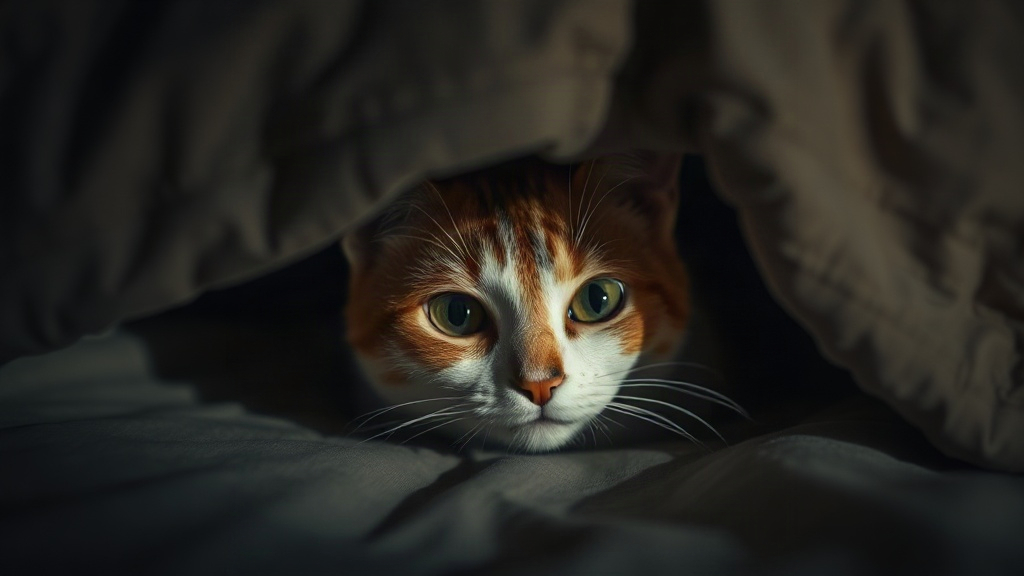
Sudden hiding is a signal worth reading, not ignoring.
Cats are naturally private animals, and a bit of hiding here and there is completely normal — it’s how they self-soothe and feel secure. But when a normally social, out-and-about cat suddenly disappears for hours or days at a time, that shift in pattern is the real signal. Sudden changes in behavior are one of the clearest ways cats tell us something is wrong, so it pays to pause and figure out what changed.
Common Reasons Cats Suddenly Hide
Illness or Pain
Pain or illness can change how a cat uses space and interacts. Hiding alone cannot diagnose the problem, and a quiet retreat should accompany assessment rather than replace it.
Stress From an Environment Change
Record changes in people, animals, noise, furnishings or routine. Offer an accessible retreat if helpful, but do not assume a new bed explains or treats sudden hiding. Compare the linked model’s actual access and dimensions. Check Price on Amazon
Loud Noises or Storms
Noise may be associated with hiding. Offer a quiet retreat and observe recovery, but do not assume that the cause is settled because the noise ends.
New Routine, Travel, or Boarding
Changes in routine can be relevant. Keep care predictable and record what changed; there is no fixed number of days that establishes normal adjustment.
Feeling Threatened by Another Animal
If you have multiple pets, sudden hiding can point to tension you haven’t noticed yet, such as a subtle standoff over a favorite napping spot, food bowl, or litter box. Cats often avoid open conflict and instead simply withdraw from shared spaces to sidestep confrontation. Watch for other clues like blocked doorways, staring contests, or one cat monopolizing certain rooms, and make sure every cat in the home has their own resources and an escape route.
Changes in Senior Cats
Do not dismiss a new change as normal aging. Discuss increased hiding or mobility changes with your veterinarian so pain and other health problems can be assessed.
What to Do
- Give your cat space and let them decompress rather than pulling them out of hiding.
- Don’t force interaction — let your cat choose when to re-emerge on their own terms.
- Maintain a consistent daily routine for feeding, playtime, and litter box cleaning.
- Observe movement, posture and interaction without forcing a painful examination; report changes to your veterinarian.
- Offer a safe, quiet hiding spot so your cat has somewhere secure that isn’t under furniture.
- Monitor eating, drinking, and litter box use closely, even from a distance.
- Contact your veterinarian about new or persistent unusual hiding or any accompanying signs; do not wait a day or two simply because other behavior looks normal.
Frequently Asked Questions
Is it normal for cats to hide sometimes?Yes. Cats hide for short periods regularly, and it’s a normal part of how they rest and feel secure. The concern isn’t hiding itself, but a sudden, uncharacteristic increase in how much your cat hides compared to their usual behavior.
How long should I wait before taking my cat to the vet? Contact your veterinarian promptly about a new or persistent change. Breathing difficulty, obvious severe distress or inability to urinate needs immediate care; normal-looking behavior does not establish a safe waiting period.
Can stress alone cause a cat to stop eating while hiding? Stress can affect appetite, but it does not exclude a health problem. Contact your veterinarian when appetite falls or your cat will not eat; do not use a presumed stress cause to delay assessment.
Should I pull my cat out of their hiding spot to check on them?Avoid physically pulling your cat out, as this can add to their stress and damage trust. Instead, approach calmly, speak softly, and offer food or a favorite treat nearby so you can observe them without forcing interaction.
More Cat Guides
Final Take
Offer a quiet accessible retreat, record changes and discuss unusual hiding with your veterinarian. Environmental adjustments support care; they do not diagnose the cause or guarantee recovery.