
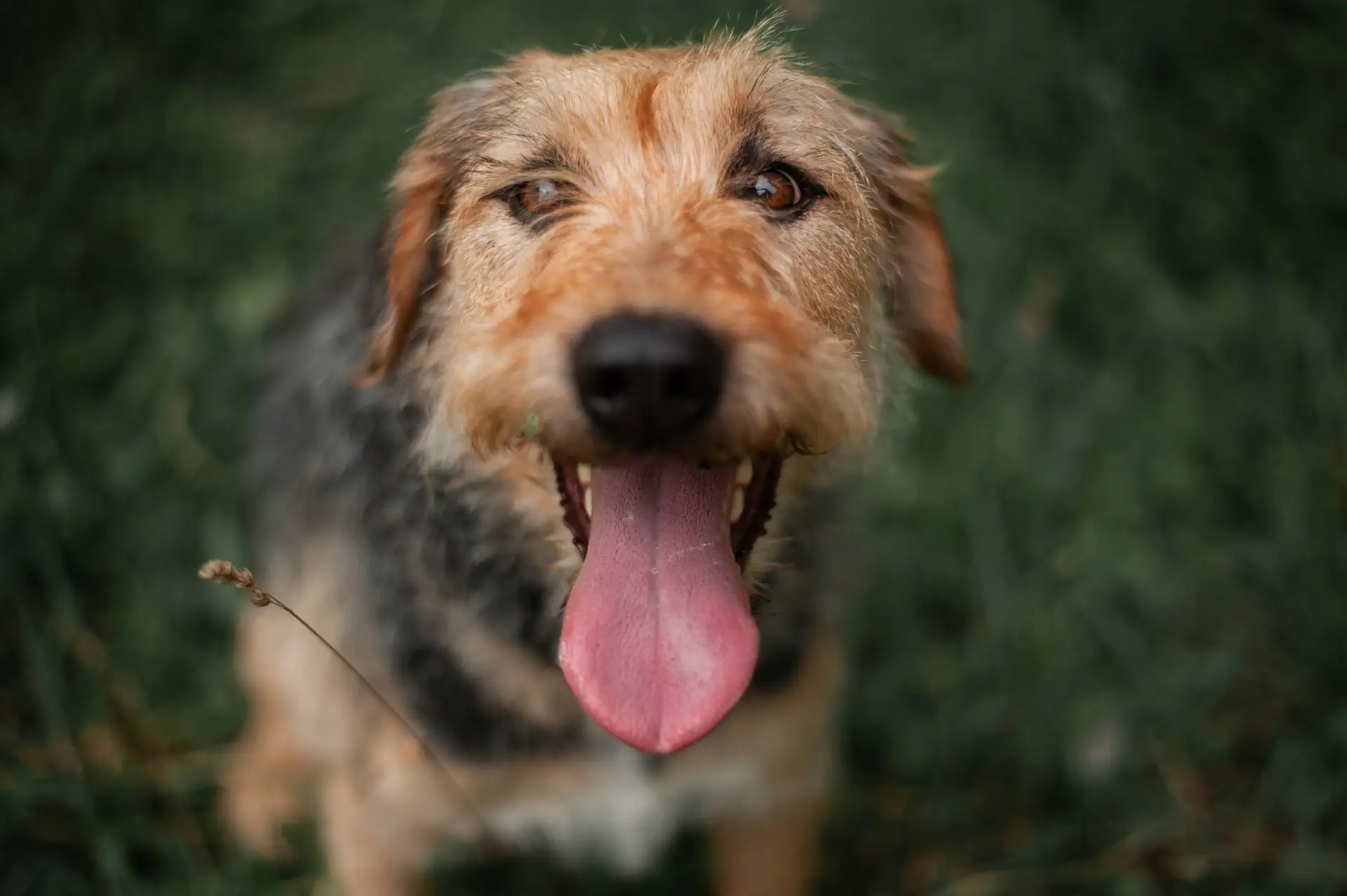
The Room Is Too Warm or Airflow Is Poor
A warm or poorly ventilated room can contribute to nighttime panting, and it's the easiest to miss because the room feels fine to you. Dogs run a normal body temperature around 101-102.5°F, they're wearing a fur coat you don't have, and most only cool off through panting and a little paw-pad sweating — nothing close to how efficiently we sweat. A bedroom that's comfortable for a human in a T-shirt can still be too warm for a dog curled up on a bed with no airflow underneath them, especially in late summer when houses hold heat overnight even after the AC kicks on.
Short-nosed breeds — Bulldogs, Pugs, Boston Terriers, Shih Tzus — struggle with this more than most because their airway is already narrower, so they need to move more air to cool the same amount, which means more audible panting for less effect. Overweight dogs run hotter too, since extra body fat acts like insulation working against them instead of for them.
A cooling mat is one option to compare for a dog that tolerates it. It does not establish the cause of panting or replace an appropriate room environment and veterinary assessment.
It's a self-cooling gel mat — no water to fill, no electricity, no freezer prep. It uses a pressure-activated gel that draws heat away from your dog's body the moment they lie down, and it resets itself after they get up and the gel redistributes.
Check Price on AmazonChoose the size from your dog's measurements and follow the current product instructions. The manufacturer describes cooling for up to three hours, followed by 15–20 minutes of non-use to recharge; it does not provide continuous overnight cooling.
Anxiety or Stress
Panting can accompany stress, but it does not identify the cause. Note when it happens and any changes in surroundings, routine or behavior. Nighttime alone does not establish anxiety. Discuss new or persistent panting with your veterinarian so physical and behavioral causes can be assessed.
You'll usually see other stress signals alongside the panting if this is the cause: pacing, whining, can't-settle circling, licking their lips, or pressing against you or the crate wall. It's different from heat-related panting in that it doesn't necessarily ease off when the room cools — an anxious dog can pant just as hard in a cold bedroom as a warm one.
Older dogs sometimes develop new nighttime anxiety out of nowhere, and it's worth mentioning to your vet, since it can be an early sign of cognitive decline (canine cognitive dysfunction) rather than a behavioral quirk. For a younger, otherwise healthy dog, a consistent bedtime routine, a familiar-smelling blanket, and not making a big emotional production out of leaving the room at night all help more than people expect. If it's severe or getting worse, this is a conversation for your vet — anti-anxiety approaches range from behavioral work to medication, and it's not something to guess your way through alone.
Pain or Discomfort From an Underlying Condition
Dogs are built to hide pain — it's an old survival instinct, not stubbornness — so panting can be one of the only outward signs something hurts. Arthritis is a common culprit in older dogs, and it often gets worse at night after a day of activity, or after lying still for a while and then trying to shift position. A dog with sore hips or a bad knee may pant simply from the discomfort of finding a comfortable spot and staying in it.
GI upset is another one people miss. A rich treat, a new food, or getting into something in the yard can cause enough stomach discomfort to trigger restlessness and panting hours later, well after the "incident" itself is forgotten. Dental pain works the same way — a cracked tooth or abscess doesn't always show obvious symptoms during the day but can flare up when your dog's head is down on a pillow.
The tell here is usually behavior that goes with the panting: reluctance to get comfortable, repositioning over and over, a hunched or stiff posture, not wanting to be touched in a certain spot, or pacing instead of settling. If your dog seems to be searching for a position and not finding one, that's worth a vet visit rather than a wait-and-see approach, particularly if it's a new pattern and not how they've always slept.
Weight or Breed-Related Breathing Limits
Some dogs pant more at night simply because of how they're built or how much they weigh, independent of room temperature or stress. Brachycephalic breeds — Pugs, French Bulldogs, English Bulldogs, Boxers, Shih Tzus — have shortened airways and softer palates that make breathing less efficient in general, so noisy breathing at rest, difficult breathing, or pauses during sleep need veterinary assessment. These signs should not be dismissed as normal for the breed.
Extra weight compounds all of this. Fat around the neck and chest physically restricts airway space and lung expansion, and it makes the heart and lungs work harder for the same amount of oxygen delivery, day or night. A dog that's carrying more weight than they should will often pant more at rest than a lean dog of the same breed, simply from the added workload.
If your dog fits one or both of these categories, panting or noisy breathing at rest deserves attention, especially if it is new, persistent, or accompanied by effort to breathe. But it's still worth tracking: if it's noticeably worse than it used to be, if you hear a raspy or honking quality to it, or if your dog seems to struggle rather than just sound a little loud, get that checked. For overweight dogs, gradual, vet-guided weight loss is one of the few things that meaningfully reduces this kind of panting long-term — there's no gear fix for it.
When to Worry: Call the Vet
Do not assume panting is an easy home fix. Breathing difficulty, weakness, collapse, or abnormal gum color needs urgent veterinary assessment. Other new or persistent panting at rest also deserves advice, especially with the signs below:
When to Call the Vet
- Restlessness that doesn't settle no matter what you try
- Pale, white, blue-tinged, or brick-red gums (press a gum gently — it should return to pink within about two seconds)
- Weakness, stumbling, or reluctance to stand
- Collapse, even briefly
- A distended or hard-feeling belly
- Coughing along with the panting
These combinations can point to heart disease, a respiratory problem, heatstroke, or in rare cases something like bloat, which is a genuine emergency in large, deep-chested breeds. None of these need you to diagnose them correctly on your own — they just need you to not wait until morning. If something feels off and doesn't match anything on this list, contact an emergency veterinary clinic promptly. Breathing difficulty, collapse, or abnormal gum color needs urgent assessment.
FAQ
Is it normal for dogs to pant a little at night?
Some dogs run warm or have naturally noisier breathing (short-nosed breeds especially), so light, occasional panting isn't automatically abnormal. What matters is whether it's new, worsening, or paired with other symptoms.
Can anxiety alone cause heavy nighttime panting?
Yes. Stress panting can be just as intense as heat-related panting, and it often comes with pacing, whining, or an inability to settle rather than easing off when the room cools.
Should I turn on a fan or AC if my dog is panting at night?
A comfortably cool room can help avoid overheating. A mat is optional and must suit your dog and its instructions; it is not evidence that the cause of panting has been resolved.
Can old age alone explain nighttime panting?
Age isn't a cause by itself, but it raises the odds of arthritis, cognitive decline, or heart changes that do cause it — so new panting in a senior dog is worth a vet check rather than chalking up to "just getting older."
How fast should I get my dog checked out if I'm not sure?
If gums look pale or off-color, your dog seems weak, or the panting is severe and doesn't match the room temperature or the day's activity, don't wait for a regular appointment — call an emergency line the same night.