
No-Pull Dog Harnesses: Compare Fit and Handling
Walking your dog should feel relaxing, not like a tug-of-war. If your dog pulls hard, lunges ahead, or makes walks stressful, the right no-pull dog harness can help you keep better control without putting pressure directly on your dog's neck.
A good harness spreads pressure across the chest and body instead of the throat, while a front-clip design can help redirect your dog when they start pulling. The best choice depends on your dog's size, strength, body shape, and how much control you need on daily walks.
If your dog lunges, spins or reacts to triggers, a harness is only one part of the plan. Discuss handling and behavior support with your veterinarian or a qualified reward-based trainer. Compare fit and leash-attachment instructions; no model guarantees rapid control or treats anxiety.
Quick Comparison Table
Use this chart to narrow down the best fit for your dog faster.
| Pick | Fit / Use Checks | Design to Check | Amazon Link |
|---|---|---|---|
| Ruffwear Front Range | Chest and shoulder fit | Front/back leash points | View on Amazon |
| Julius-K9 IDC | Exact size and chest-strap position | Adjustment and escape checks | View on Amazon |
| rabbitgoo | Size, hardware and current price | Listed straps and attachment points | View on Amazon |
| 2 Hounds Design Freedom | Fit and leash setup | Front ring and back martingale loop | View on Amazon |
How to Choose a No-Pull Dog Harness
A no-pull harness should give you better control without making your dog uncomfortable. Before buying, focus on fit, leash attachment points, adjustability, and how the harness sits on your dog's chest and shoulders.
Front-Clip Control
A front leash clip can help redirect your dog back toward you when they pull, which is why many no-pull harnesses use a chest attachment point.
Secure Fit
The harness should sit snugly without digging in. If it slides around too much, it may rub, twist, or lose control when your dog pulls.
Adjustable Straps
Dogs have different chest shapes, so adjustable neck and chest straps make it easier to get a safer, more comfortable fit.
Comfort and Padding
Soft padding can help on longer walks, especially for dogs that pull hard or have short coats where rubbing can become a problem.
Durable Hardware
Strong buckles, sturdy leash rings, and reinforced stitching matter more if your dog is large, powerful, or reactive on leash.
Visibility
Reflective trim or brighter materials can be useful if you walk early in the morning, at dusk, or near traffic.
Compare Four Harness Options
Compare the exact model's measurements, adjustment instructions, attachment points and current price. Fit and training matter more than a best-for label.
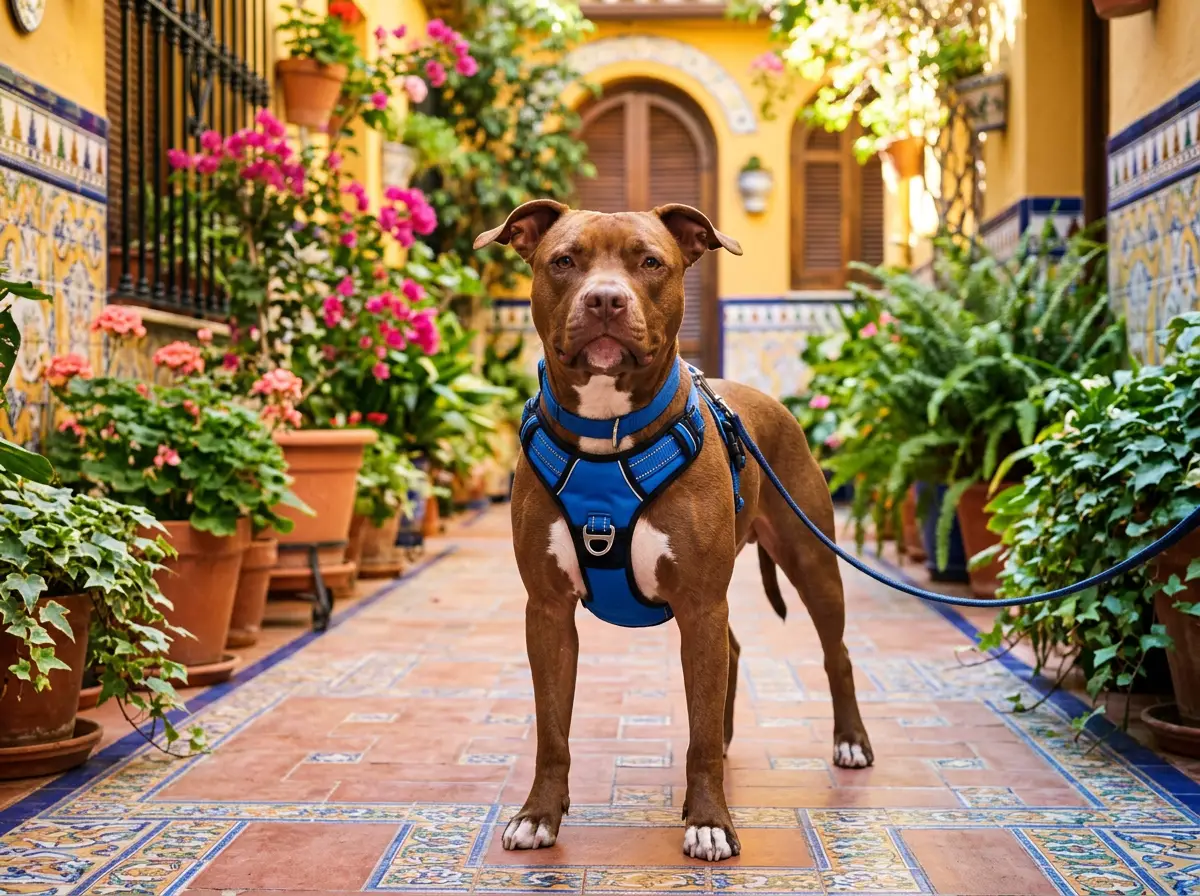
Ruffwear Front Range Dog Harness
Illustrative scene; check the linked model's actual photos and details on the listing.
Compare: Padded construction and adjustment range.
The manufacturer lists padded chest and belly panels, four adjustment points and front and back leash attachment points. Check the current model's fit instructions and observe movement and skin contact during use.
Choose a restraint intended for vehicle travel when riding in a car; a walking harness is not a vehicle-restraint certification.
- Check both leash-attachment instructions
- Compare all four adjustments with your dog's shape
- Inspect padding and skin contact
- Verify reflective features on the current listing
Possible downside: Padding and adjustments do not guarantee comfort for every dog.
Check Price on Amazon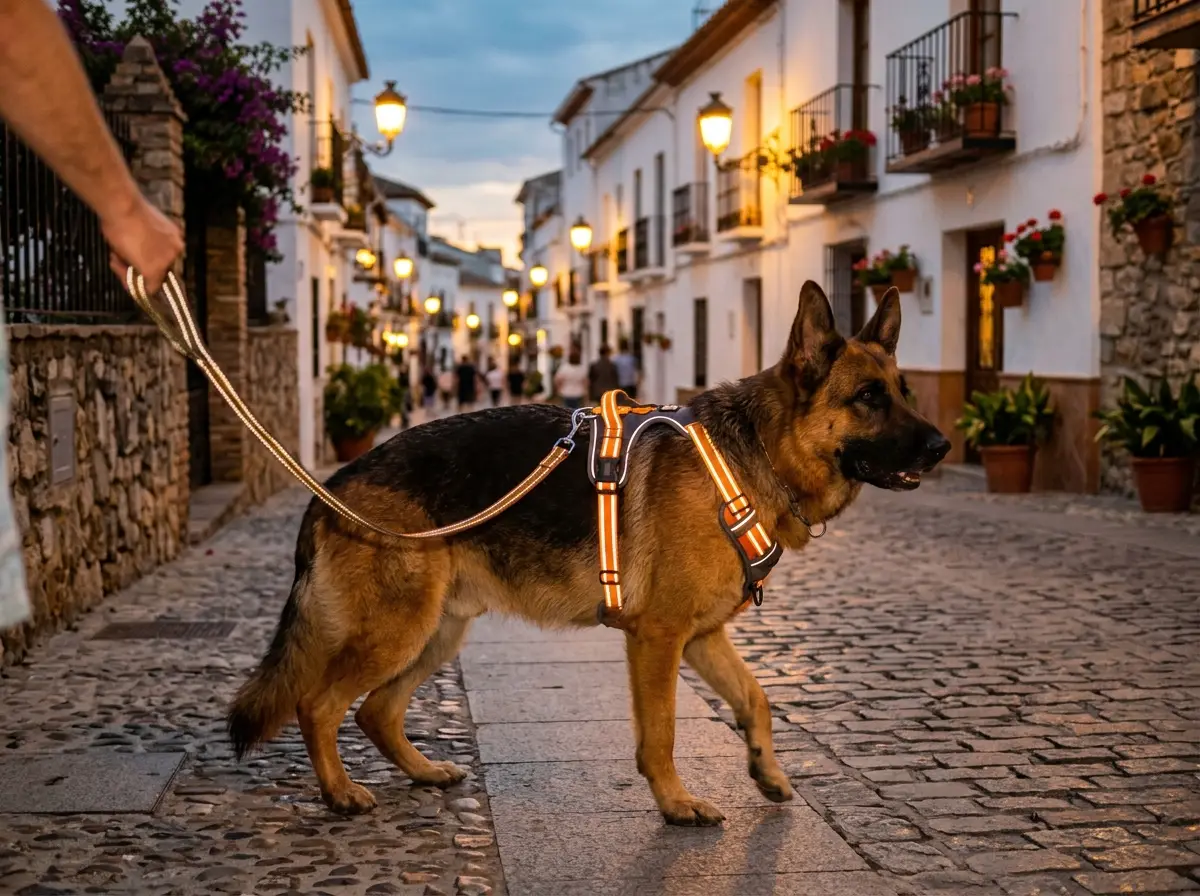
Julius-K9 IDC Powerharness
Illustrative scene; check the linked model's actual photos and details on the listing.
Compare: Chest-strap placement and sizing.
Use Julius-K9's current measurement and adjustment guide for the exact size. Check strap placement and movement before walking; a structured appearance does not establish resistance to twisting or escape.
The manufacturer warns that incorrect sizing, adjustment or leash use can allow a dog to escape. Trainer popularity and rapid-control claims are not a substitute for these checks.
- Measure at the location specified for the size
- Check chest-strap position
- Review leash and handle instructions
- Inspect adjustment and condition before use
Possible downside: Incorrect fit or use can permit escape.
Check Price on Amazon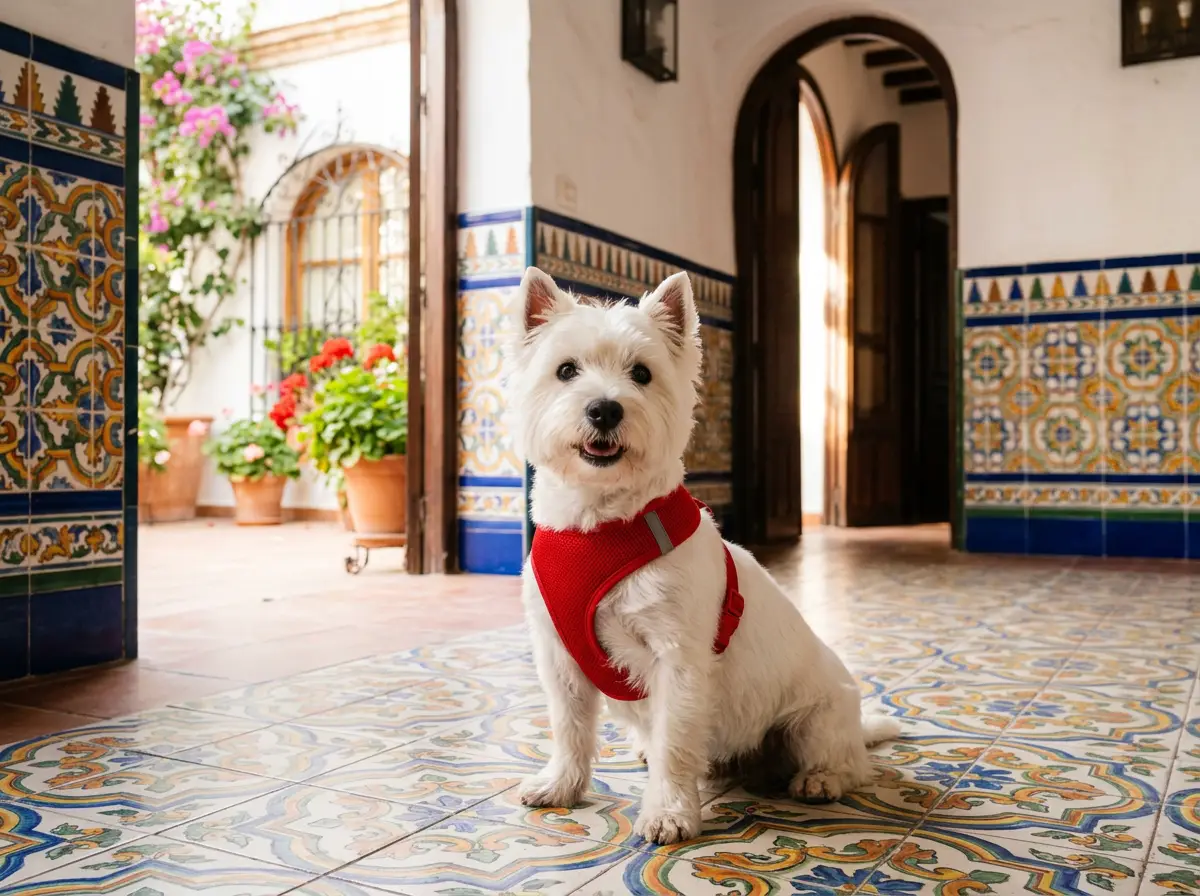
rabbitgoo No Pull Dog Harness
Illustrative scene; check the linked model's actual photos and details on the listing.
Compare: Current model details, fit and price.
Check the selected rabbitgoo model's current listing for its size chart, adjustment points, leash attachments and lining. Compare the actual price rather than assuming it is the lowest-cost option.
Introduce the harness with supervision, inspect skin contact and keep working on leash manners. Lower price does not establish lower durability or suitability for a particular dog.
- Check the exact size chart
- Verify listed leash attachments
- Inspect straps, buckles and rubbing
- Compare current prices for the selected size
Possible downside: The linked size and design may differ from another listing.
Check Price on Amazon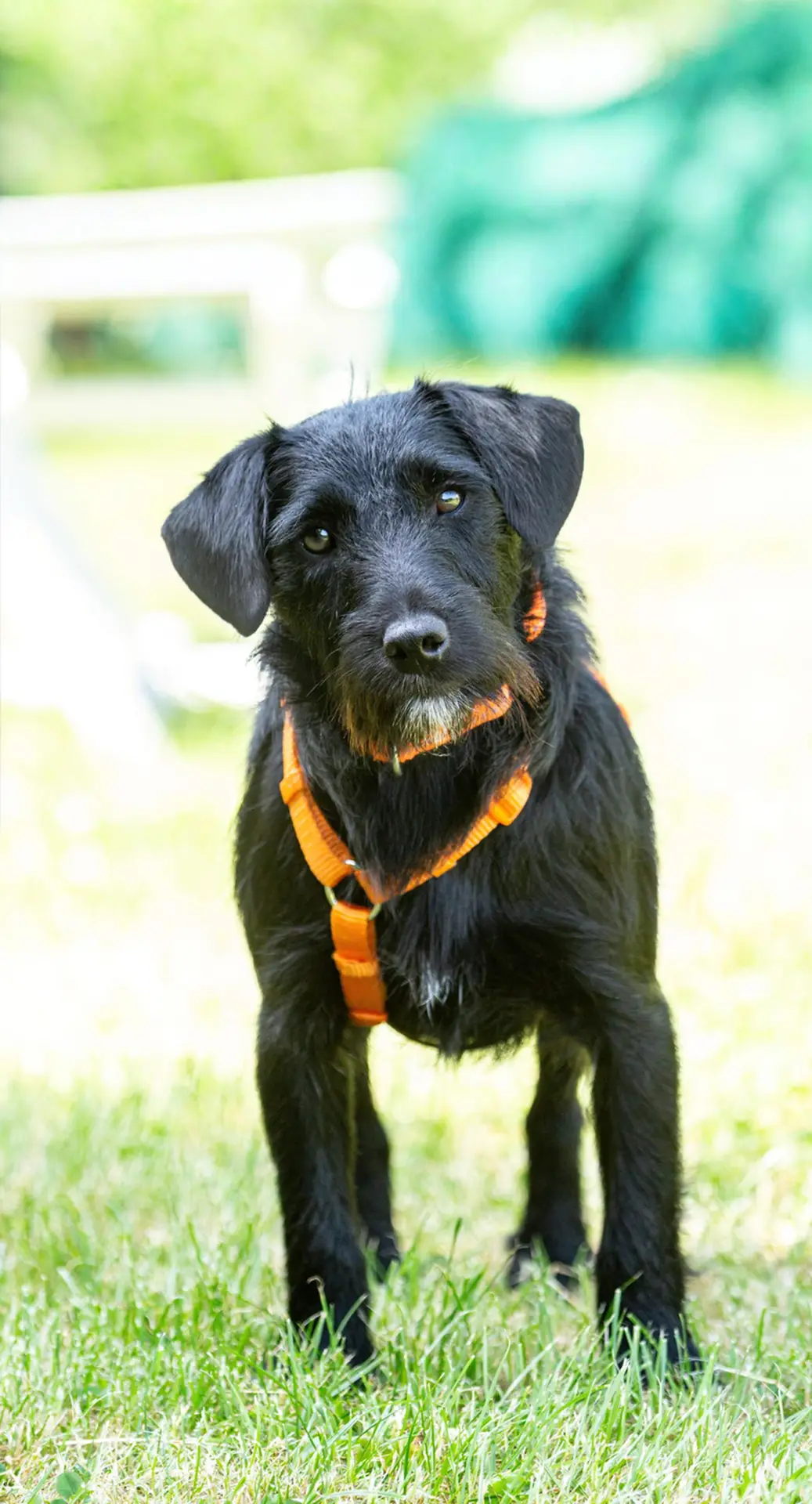
2 Hounds Design Freedom No Pull Harness
Illustrative scene; check the linked model's actual photos and details on the listing.
Compare: Front ring, back loop and leash setup.
The manufacturer describes a front chest ring and a back martingale loop that can be used with its double-connection leashes. Check the exact harness and leash instructions, fit and what is included in the selected listing.
This is a walking and training tool, not a treatment for anxiety. It does not guarantee fast redirection, freedom from twisting or no added strain during a lunge.
- Measure the chest using the current size guide
- Check front and back connection instructions
- Verify whether a compatible leash is included
- Observe movement and skin contact during use
Possible downside: Martingale and dual-leash handling require correct fit and use.
Check Price on AmazonNo-Pull Dog Harness FAQ
Do no-pull harnesses stop pulling completely?
Not by themselves. A no-pull harness can give you better control and help redirect your dog, but training and consistency still matter.
Are no-pull harnesses safe for dogs?
Check that the harness does not rub, pinch, restrict shoulder movement or allow escape. Fit and design matter; no harness is automatically appropriate for every dog. Ask your veterinarian if you are unsure.
Should I use the front clip or back clip?
The front clip is usually better for reducing pulling because it helps turn your dog back toward you. The back clip can be useful for calmer walks or dogs that already walk nicely.
How tight should a dog harness be?
It should be snug but not tight. A common rule is that you should be able to fit about two fingers between the harness and your dog's body.
Can puppies use a no-pull harness?
Puppies can use a properly sized harness, but it should be lightweight, adjustable, and comfortable. Check the fit often because puppies grow quickly.
More Dog Gear Guides
If you are building out the rest of your dog setup, these guides make good next clicks.
Chew-resistant Dog Beds
Good for heavy chewers and high-energy dogs that are rough on gear.
Read GuideBest Orthopedic Dog Beds
A useful next guide for senior dogs or dogs needing extra joint support.
Read GuideBest Dog Life Jackets
A genuine crossover pick for water-loving dogs — solid gear pairing for an aquatics-minded household.
Read GuideBest Ear Cleaners for Dogs Prone to Ear Infections
Especially useful if your dog swims often — trapped moisture can contribute to ear problems, and recurrent infections need a veterinary assessment.
Read GuideBest Dog Dental Chews
An easy add-on to your dog's gear routine for daily teeth cleaning between vet visits.
Read GuideFinal Take
Start with your dog's measurements and the model's fitting instructions. Compare attachment points, adjustment range and the current price; then check movement, rubbing and escape risk. If walks involve lunging or anxiety, seek individualized behavior and handling advice rather than choosing by a fast-control promise.
Browse No-Pull Dog Harnesses on Amazon